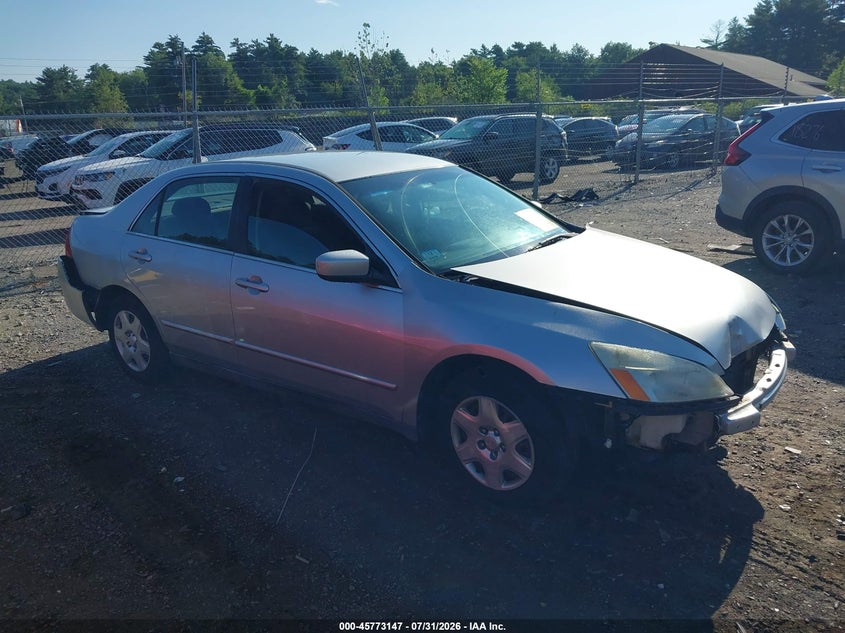
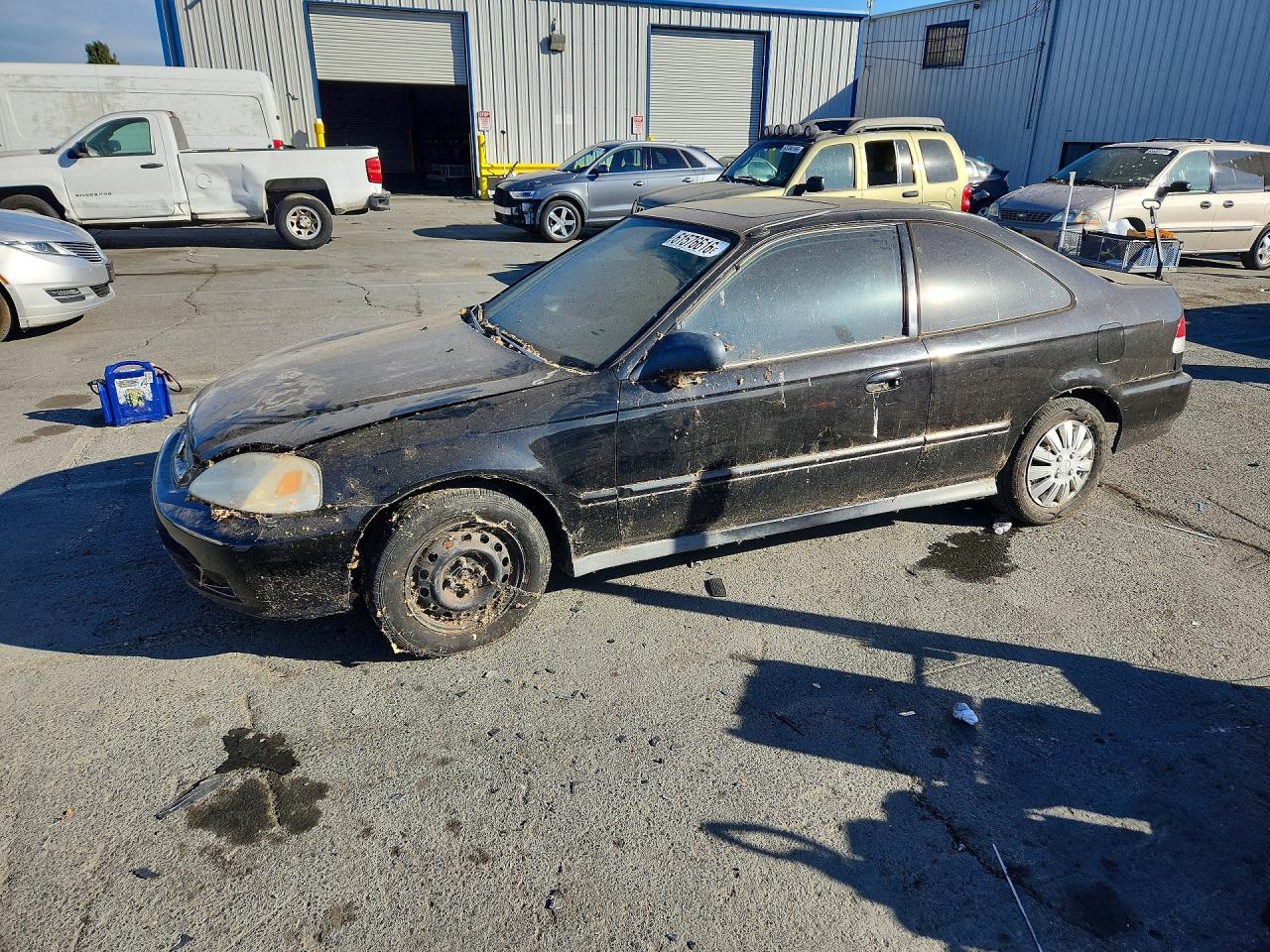
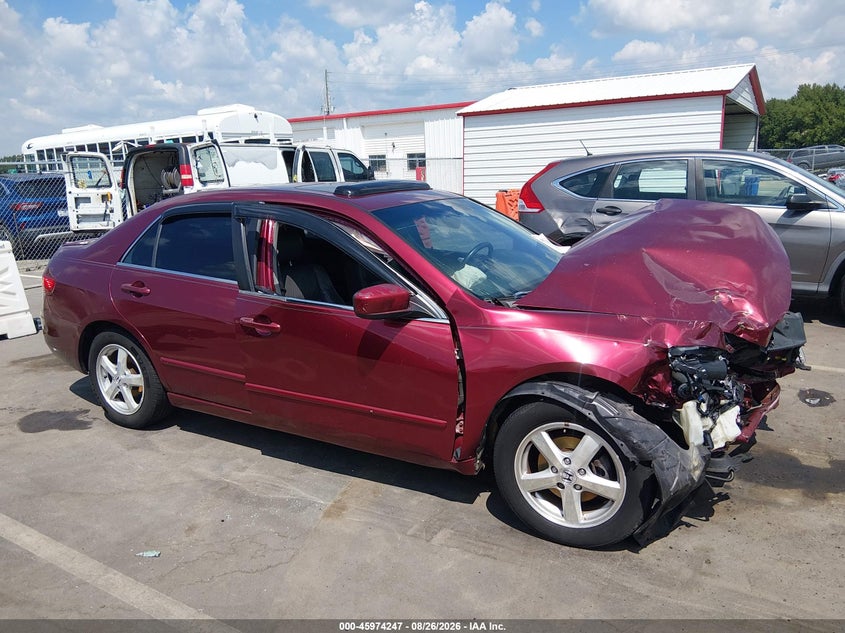
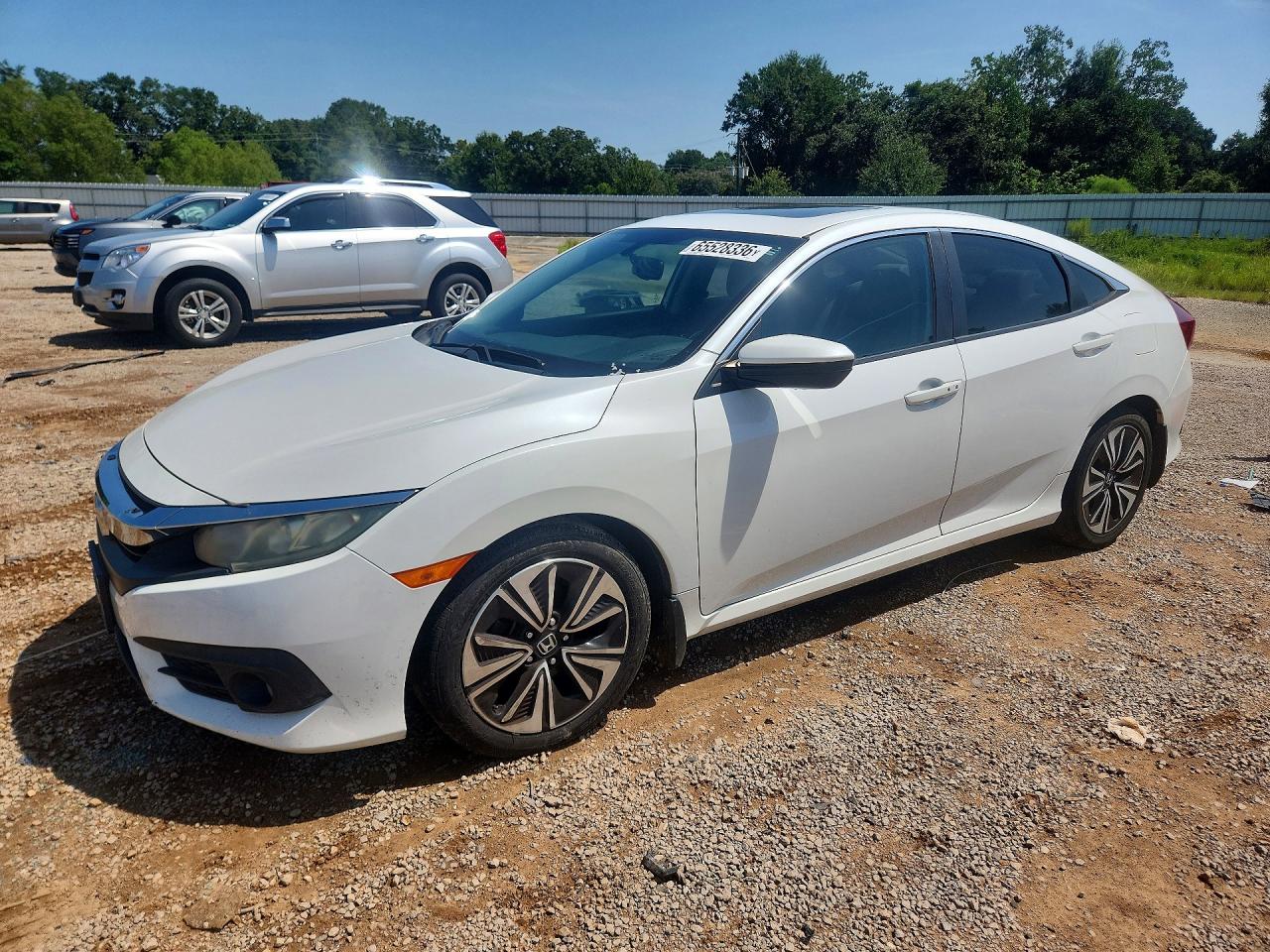
2016 HONDA CIVIC VIN 19XFC1F76GE003417
Damage map
If damage records exist for this VIN, the report shows the affected zonesTheft, liens and title
Checks that matter for registration and resaleRecorded condition
What the source noted about the car as it stands- Runs and drives
- Yes
- Engine starts
- Yes
- Keys available
- Yes
- Start code
- Run & Drive
History timeline
Data decoded from the VIN is shown. Records on file, if any, are in the full report.Mileage
Odometer reading as recorded at the sourceEarlier photos may be in the report
Check before you buy
Four things worth checking on any used carHONDA CIVIC specifications
- VIN
- 19XFC1F76GE003417
- Make
- HONDA
- Model
- CIVIC
- Year
- 2016
- Colour
- WHITE
- Fuel
- Gasoline
- Engine
- 1.5 L
- Cylinders
- 4
- Power
- 174 hp
- Transmission
- CVT
- Drive
- FWD
- Recorded odometer
- 247 389 mi
- Recorded damage
- Mechanical
What buyers ask about the HONDA CIVIC
Was this 2016 HONDA CIVIC damaged before?
The damage in the specifications is what the source noted at the time. Earlier accidents and repairs on file for VIN 19XFC1F76GE003417, if any, are in the full report.
Can I trust the odometer reading of 247 389 mi?
It is the figure as recorded, not verified. Compare it with the earlier readings in the full report: they can only go up, so a drop points to a wound-back odometer.
In which countries was this car registered?
Registrations abroad seldom reach local registers. If this car was registered in other countries, the full report names them.
Who sells the report, and what does it cost?
An independent partner, selected automatically for each VIN by our system from analytical data. The partner shows the price before you pay; we may earn a commission.
VIN 19XFC1F76GE003417: history
The Honda Civic described here left the factory in 2016. The engine is a 1.5-litre petrol unit with four cylinders. The gearbox is continuously variable (CVT). The specification is taken from the source data and has not been checked against other documents.
The source data puts the mileage at 247,389 miles. A clock converted from miles to kilometres should be documented, since the swap can hide the true mileage. The mileage is high for the car’s age, so the suspension, brakes, seats and steering wheel deserve a close look. The number on the clock proves little by itself; earlier figures logged at services and inspections are what make it believable. Figures carry most weight when they come from independent sources: workshops, inspection stations and past title paperwork.
The main issue noted for this car is mechanical damage. Two cars with the same damage label can be very different: one needs a few new parts, the other major work. A lift and a diagnostic check show what photos cannot: bent brackets behind a panel, chafed wiring or deployed airbags.
The record notes that the car ran and drove. A key was there when the car was checked. Condition notes are a snapshot: the car may have been worked on, stripped of parts or left standing since.
A car’s history is the sum of what has happened to it since it was new, and most of it has left a trace on paper somewhere. No single office holds the whole story of a car: registries, workshops, insurance companies and lenders each keep their own part. Much of a car’s past cannot be seen: a good body repair leaves no obvious mark, and neither do years of hard driving.
A cold start, the colour of the exhaust smoke and any oil leaks tell a mechanic a good deal about how an engine has been treated. A petrol engine in good order starts cleanly, idles evenly and pulls without hesitation. The CVT gearbox needs its fluid changed at the manufacturer’s intervals, and invoices should show that it was.
A VIN never contains the letters I, O or Q, which could be mistaken for digits; its 17 characters identify the maker, the model and the individual car. The VIN on file for this car is 19XFC1F76GE003417.
Where entries exist, a VIN check can show changes of owner, past mileage readings, reported damage and whether the car is listed as stolen. Paperwork is only as complete as the people who kept it, so a report with few entries lowers the risk without removing it. The past is on file; the car’s condition today is a job for a mechanic, who can check the structure, underbody, electrics and any repairs on a lift. A history check on VIN 19XFC1F76GE003417 is the place to start.