2014 JEEP GRAND CHEROKEE LIMITED VIN 1C4RJFBG1EC288277
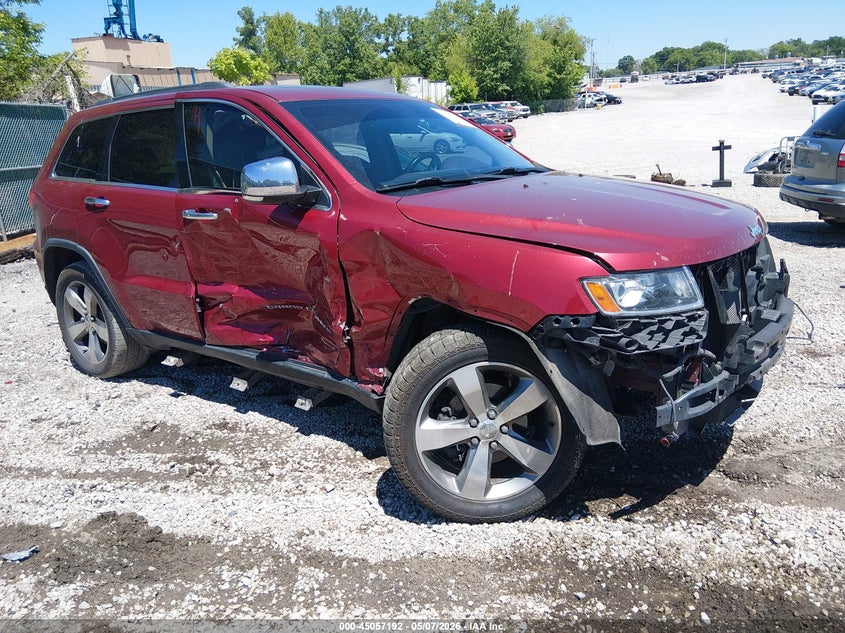
Damage map
If damage records exist for this VIN, the report shows the affected zonesTheft, liens and title
Checks that matter for registration and resaleRecorded condition
What the source noted about the car as it stands- Runs and drives
- No
- Engine starts
- Yes
- Keys available
- No
- Start code
- Starts
History timeline
Data decoded from the VIN is shown. Records on file, if any, are in the full report.Mileage
Odometer reading as recorded at the sourceEarlier photos may be in the report
Check before you buy
Four things worth checking on any used carJEEP GRAND CHEROKEE LIMITED specifications
- VIN
- 1C4RJFBG1EC288277
- Make
- JEEP
- Model
- GRAND CHEROKEE LIMITED
- Year
- 2014
- Colour
- BROWN
- Fuel
- Gasoline
- Engine
- 3.6 L
- Cylinders
- 6
- Power
- 290 hp
- Transmission
- Automatic
- Drive
- 4x4
- Recorded odometer
- 283 844 mi
- Recorded damage
- Right Side
What buyers ask about the JEEP GRAND CHEROKEE LIMITED
Was this 2014 JEEP GRAND CHEROKEE LIMITED damaged before?
The damage in the specifications is what the source noted at the time. Earlier accidents and repairs on file for VIN 1C4RJFBG1EC288277, if any, are in the full report.
Can I trust the odometer reading of 283 844 mi?
It is the figure as recorded, not verified. Compare it with the earlier readings in the full report: they can only go up, so a drop points to a wound-back odometer.
In which countries was this car registered?
Registrations abroad seldom reach local registers. If this car was registered in other countries, the full report names them.
Who sells the report, and what does it cost?
An independent partner, selected automatically for each VIN by our system from analytical data. The partner shows the price before you pay; we may earn a commission.
VIN 1C4RJFBG1EC288277: history
This record covers a 2014 Jeep Grand Cherokee Limited, finished in brown. Under the bonnet is a 3.6-litre petrol engine. The drivetrain combines an automatic gearbox with four-wheel drive.
At the time of recording, the car had covered 283,844 miles. The instruments count in miles; the same distance in kilometres is about 1.6 times the figure. Averaged over the car’s age, the mileage works out well above the usual annual distance, and wear on the suspension, brakes and interior should be judged with that in mind. A later figure lower than an earlier one points to a replaced instrument cluster or an odometer that has been wound back. Figures carry most weight when they come from independent sources: workshops, inspection stations and past title paperwork.
When the car was recorded, it showed damage to the right side. A damage entry is a starting point for the inspection, telling the mechanic where to look first. A lift and a diagnostic check show what photos cannot: bent brackets behind a panel, chafed wiring or deployed airbags.
A car that does not run has to be moved on a trailer, and its real condition is known only after a thorough assessment. The engine started. Without a key, a modern car needs a replacement coded to its immobiliser before it can even be started. Running condition describes a single moment, and standing or work done since can change it.
A salvage title is on file for this car. Titles of this type are issued to cars declared a total loss. A branded title follows the car through every change of owner, so it remains part of its history.
A car’s history is the sum of what has happened to it since it was new, and most of it has left a trace on paper somewhere. What a car has been through is seldom visible at first glance, and a respray can make even a badly damaged car look sound.
For the engine, the service history matters most: oil changes, filters and the timing belt or chain are the entries to look for. On a petrol engine, spark plugs, ignition coils and the cooling system are the routine items a service history should cover. While the car does not run, stored fault codes and a look at the fluid are the only early evidence of how the automatic gearbox has fared. A car with four-wheel drive has extra differentials and often a transfer case, which an inspection should cover alongside the engine and gearbox.
Stamped into the body and printed on a plate, the VIN is the one identifier that stays with a car through every owner, registration and repair. The VIN on file for this car is 1C4RJFBG1EC288277. A VIN that differs between the documents and the car, or shows signs of tampering, is reason enough to walk away.
Where entries exist, a VIN check can show changes of owner, past mileage readings, reported damage and whether the car is listed as stolen. The absence of an entry is not proof that nothing happened; it may only mean that nobody wrote it down. The past is on file; the car’s condition today is a job for a mechanic, who can check the structure, underbody, electrics and any repairs on a lift. Before going any further with this Jeep Grand Cherokee Limited, it makes sense to look up VIN 1C4RJFBG1EC288277.
Similar JEEP GRAND CHEROKEE LIMITED cars
All JEEP cars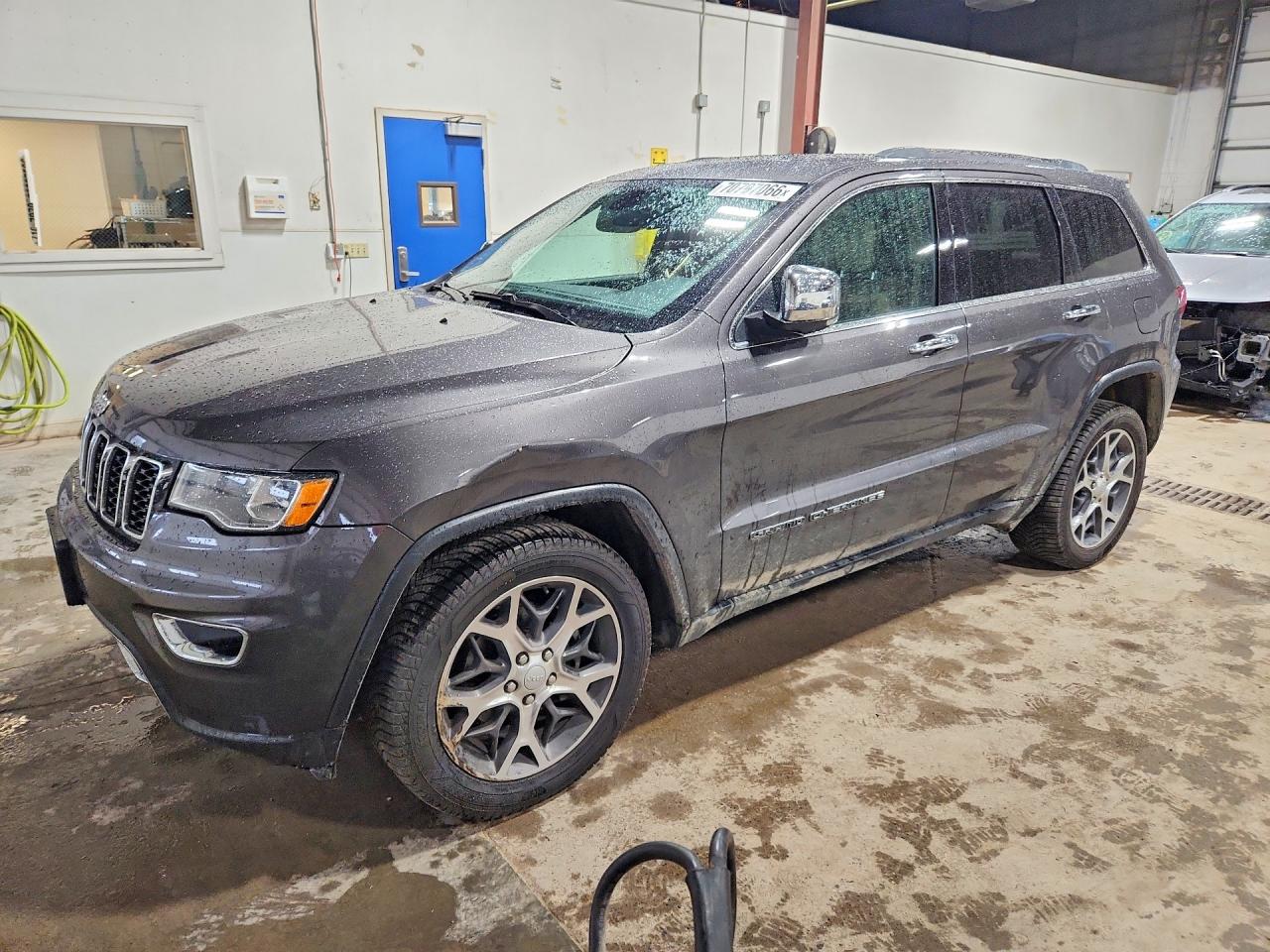 2020 JEEP GRAND CHEROKEE LIMITED
1C4RJF•••••••8967
3.6 gasoline · Automatic
Check history
2020 JEEP GRAND CHEROKEE LIMITED
1C4RJF•••••••8967
3.6 gasoline · Automatic
Check history
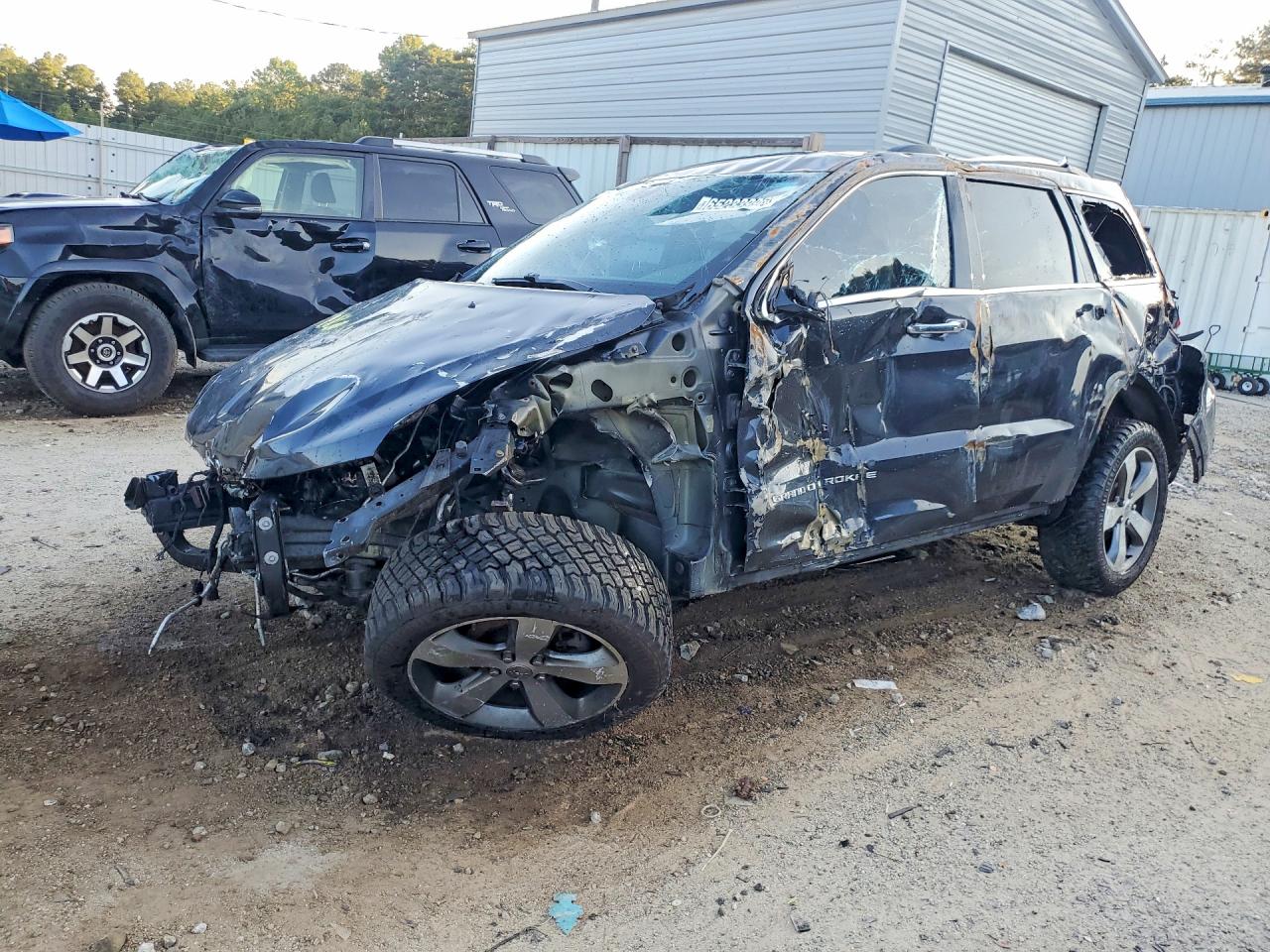 2014 JEEP GRAND CHEROKEE LIMITED
1C4RJF•••••••6048
3.6 gasoline · Automatic
Check history
2014 JEEP GRAND CHEROKEE LIMITED
1C4RJF•••••••6048
3.6 gasoline · Automatic
Check history
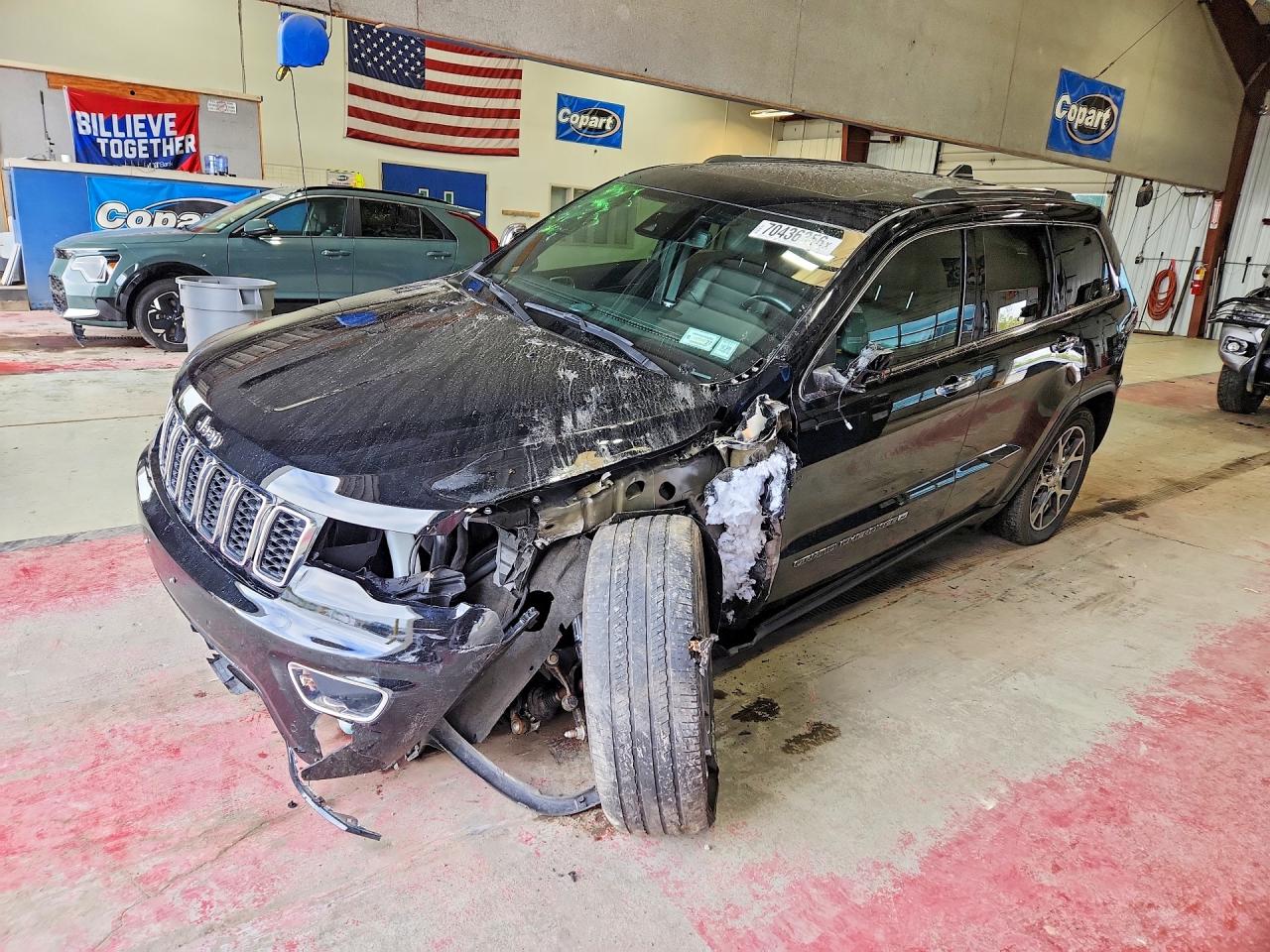 2022 JEEP GRAND CHEROKEE LIMITED
1C4RJF•••••••6231
3.6 gasoline · Automatic
Check history
2022 JEEP GRAND CHEROKEE LIMITED
1C4RJF•••••••6231
3.6 gasoline · Automatic
Check history
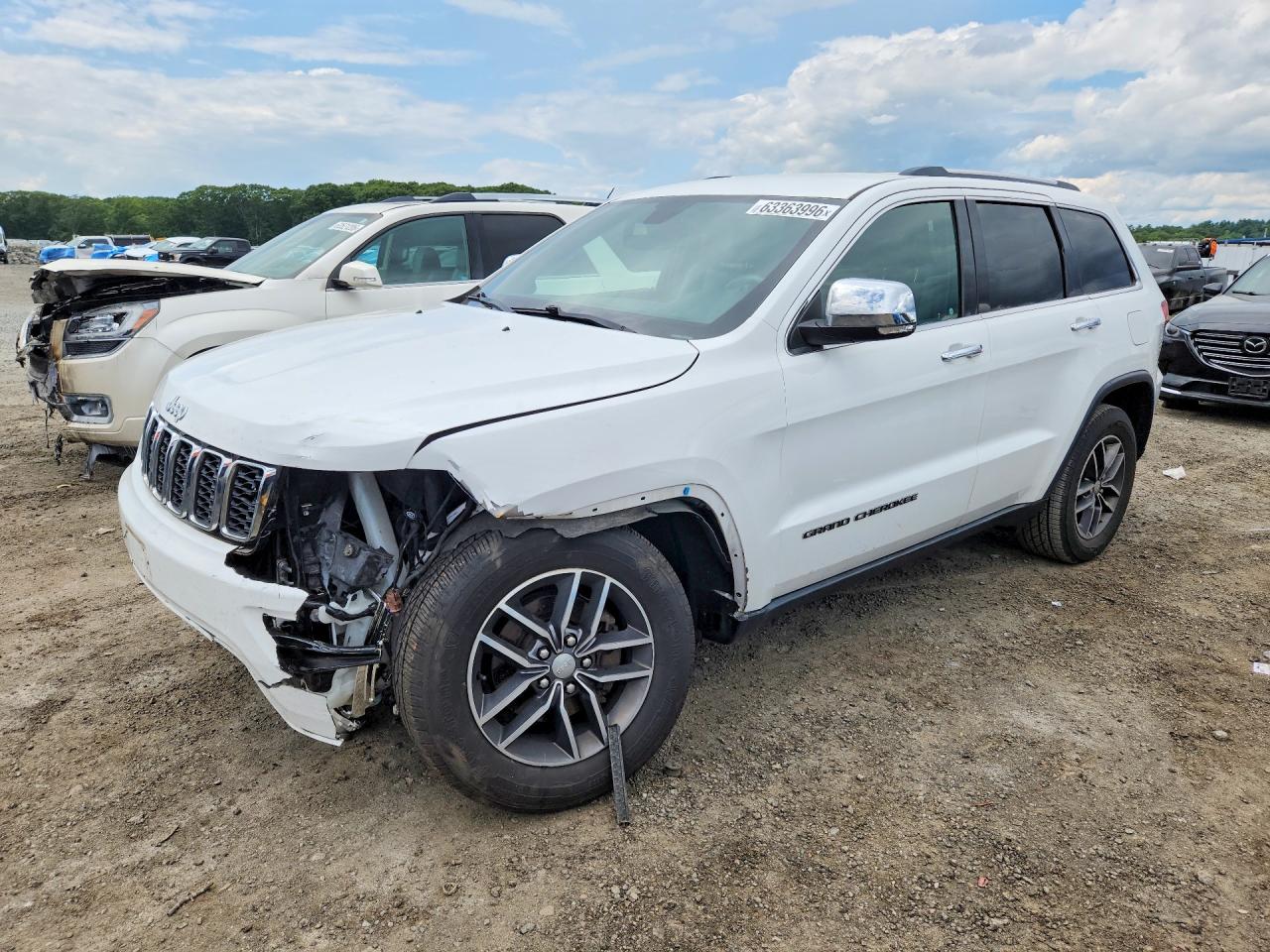 2018 JEEP GRAND CHEROKEE LIMITED
1C4RJF•••••••9261
3.6 gasoline · Automatic
Check history
2018 JEEP GRAND CHEROKEE LIMITED
1C4RJF•••••••9261
3.6 gasoline · Automatic
Check history