2019 DODGE DURANGO R/T AWD VIN 1C4SDJCT8KC764043
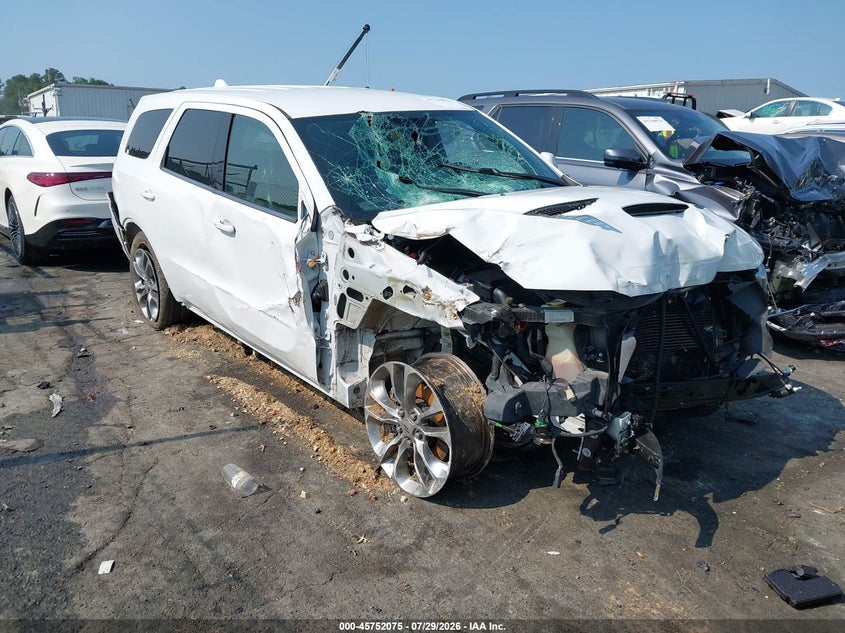
Damage map
If damage records exist for this VIN, the report shows the affected zonesTheft, liens and title
Checks that matter for registration and resaleRecorded condition
What the source noted about the car as it stands- Runs and drives
- No
- Engine starts
- No
- Keys available
- No
- Start code
- Stationary
History timeline
Data decoded from the VIN is shown. Records on file, if any, are in the full report.Mileage
Odometer reading as recorded at the sourceEarlier photos may be in the report
Check before you buy
Four things worth checking on any used carDODGE DURANGO R/T AWD specifications
- VIN
- 1C4SDJCT8KC764043
- Make
- DODGE
- Model
- DURANGO R/T AWD
- Year
- 2019
- Colour
- WHITE
- Fuel
- Gasoline
- Engine
- 5.7 L
- Cylinders
- 8
- Power
- 360 hp
- Transmission
- Automatic
- Drive
- AWD
- Recorded odometer
- 43 172 mi
- Recorded damage
- Front End
What buyers ask about the DODGE DURANGO R/T AWD
Was this 2019 DODGE DURANGO R/T AWD damaged before?
The damage in the specifications is what the source noted at the time. Earlier accidents and repairs on file for VIN 1C4SDJCT8KC764043, if any, are in the full report.
Can I trust the odometer reading of 43 172 mi?
It is the figure as recorded, not verified. Compare it with the earlier readings in the full report: they can only go up, so a drop points to a wound-back odometer.
In which countries was this car registered?
Registrations abroad seldom reach local registers. If this car was registered in other countries, the full report names them.
Who sells the report, and what does it cost?
An independent partner, selected automatically for each VIN by our system from analytical data. The partner shows the price before you pay; we may earn a commission.
VIN 1C4SDJCT8KC764043: history
This record covers a 2019 Dodge Durango, finished in white. Under the bonnet is a 5.7-litre petrol engine producing 360 hp. The drivetrain combines an automatic gearbox with all-wheel drive.
The source data puts the mileage at 43,172 miles. The figure is in miles and needs converting before it is compared with kilometres: one mile is about 1.6 km. Turning back an odometer takes little skill and leaves no visible trace, which is why earlier figures matter more than the display. Figures carry most weight when they come from independent sources: workshops, inspection stations and past title paperwork.
Primary damage in the record: front end. A damage entry is a starting point for the inspection, telling the mechanic where to look first. A lift and a diagnostic check show what photos cannot: bent brackets behind a panel, chafed wiring or deployed airbags.
A car that does not run has to be moved on a trailer, and its real condition is known only after a thorough assessment. An engine that will not start could have a simple electrical fault or internal damage, and only diagnostic work can tell which. No key is recorded with the car, and a replacement has to be coded to the immobiliser. Months of standing can leave a car with seized brakes and perished tyres.
The car carries a salvage title. A title like this is issued when repair was judged uneconomical or unsafe. A branded title follows the car through every change of owner, so it remains part of its history.
Every car builds up a history from the day it is first registered: owners come and go, inspections are passed or failed, and repairs are paid for. From the outside, a car with a repaired accident and a car without one can look identical.
For the engine, the service history matters most: oil changes, filters and the timing belt or chain are the entries to look for. Many modern petrol engines are turbocharged and direct-injected; where they are, the turbocharger and injectors belong on a specialist’s checklist. While the car does not run, stored fault codes and a look at the fluid are the only early evidence of how the automatic gearbox has fared.
The tenth character of the VIN stands for the model year, and the eleventh for the plant that built the car. The VIN 1C4SDJCT8KC764043 belongs to this 2019 Dodge Durango. The VIN usually appears at the base of the windscreen, on a door pillar and stamped into the body, and all of them should match the documents.
A VIN report gathers what different sources know about a car, such as the number of owners, mileage readings, damage and any branded title. Paperwork is only as complete as the people who kept it, so a report with few entries lowers the risk without removing it. A professional inspection makes sense whatever the paperwork shows, because no report measures corrosion, worn bushes or a poor repair. Before making a decision about this Dodge Durango, check the history behind VIN 1C4SDJCT8KC764043.
Similar DODGE DURANGO R/T AWD cars
All DODGE cars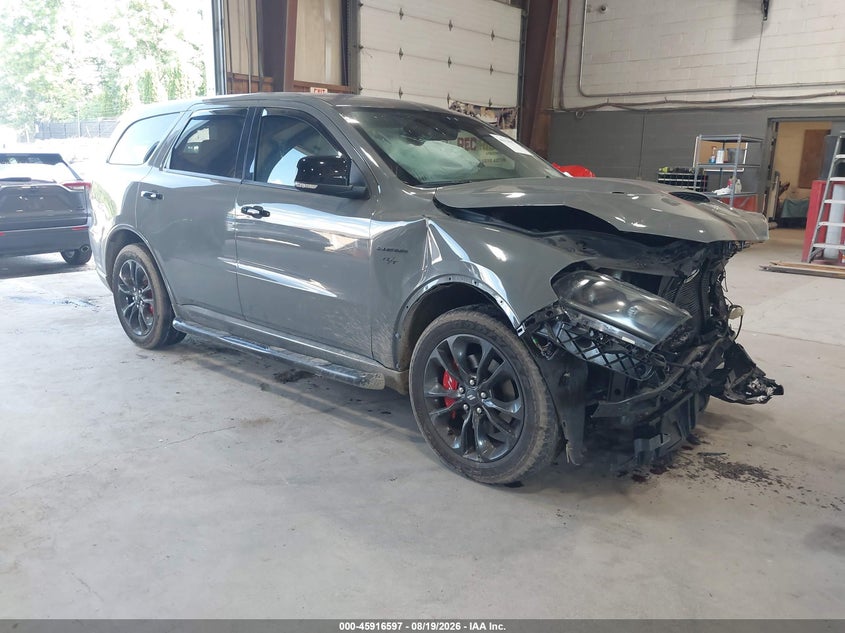 2022 DODGE DURANGO R/T AWD
1C4SDJ•••••••6677
5.7 gasoline · Automatic
Check history
2022 DODGE DURANGO R/T AWD
1C4SDJ•••••••6677
5.7 gasoline · Automatic
Check history
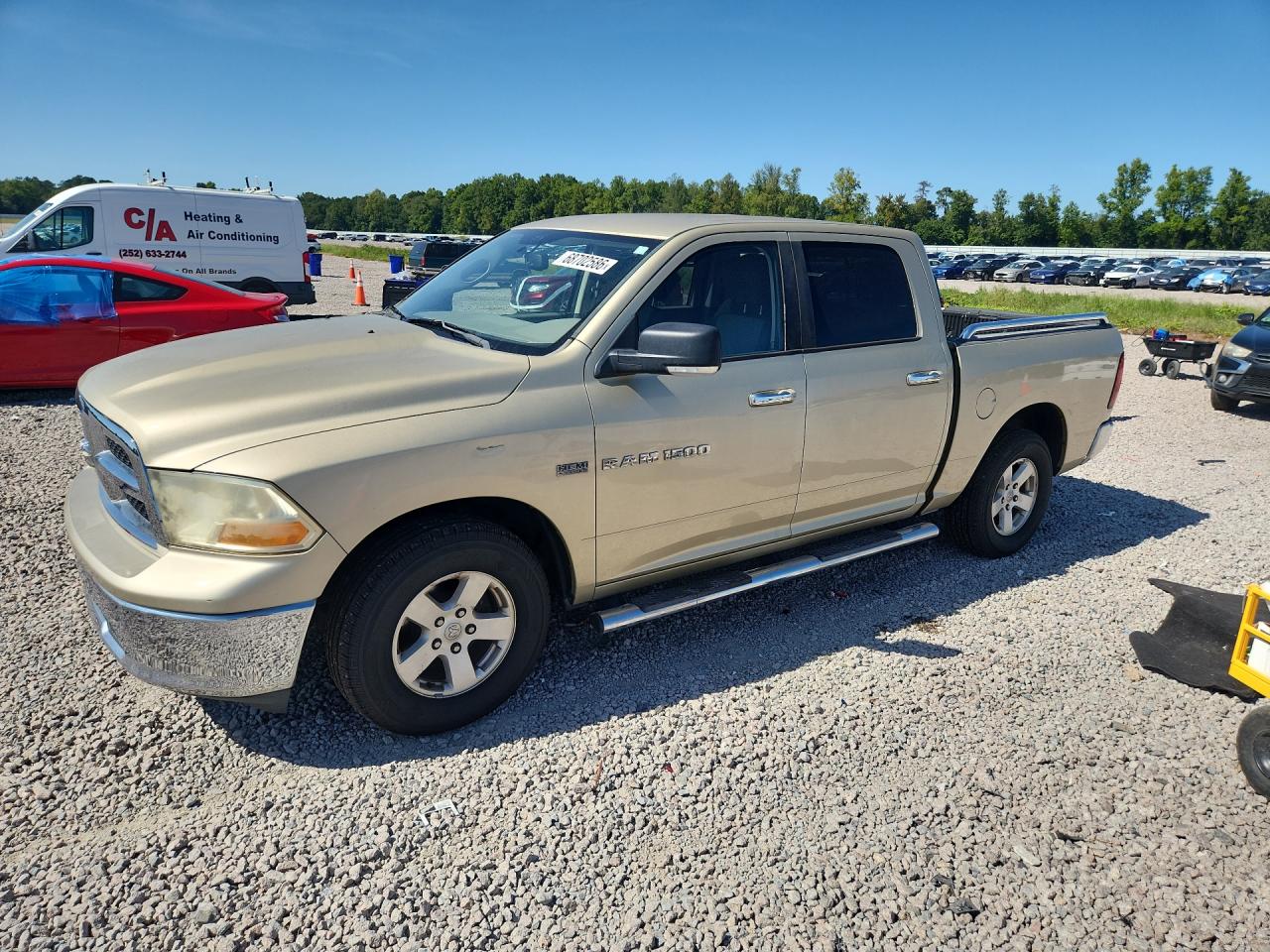 2011 DODGE RAM 1500
1D7RB1•••••••2035
5.7 gasoline · Automatic
Check history
2011 DODGE RAM 1500
1D7RB1•••••••2035
5.7 gasoline · Automatic
Check history
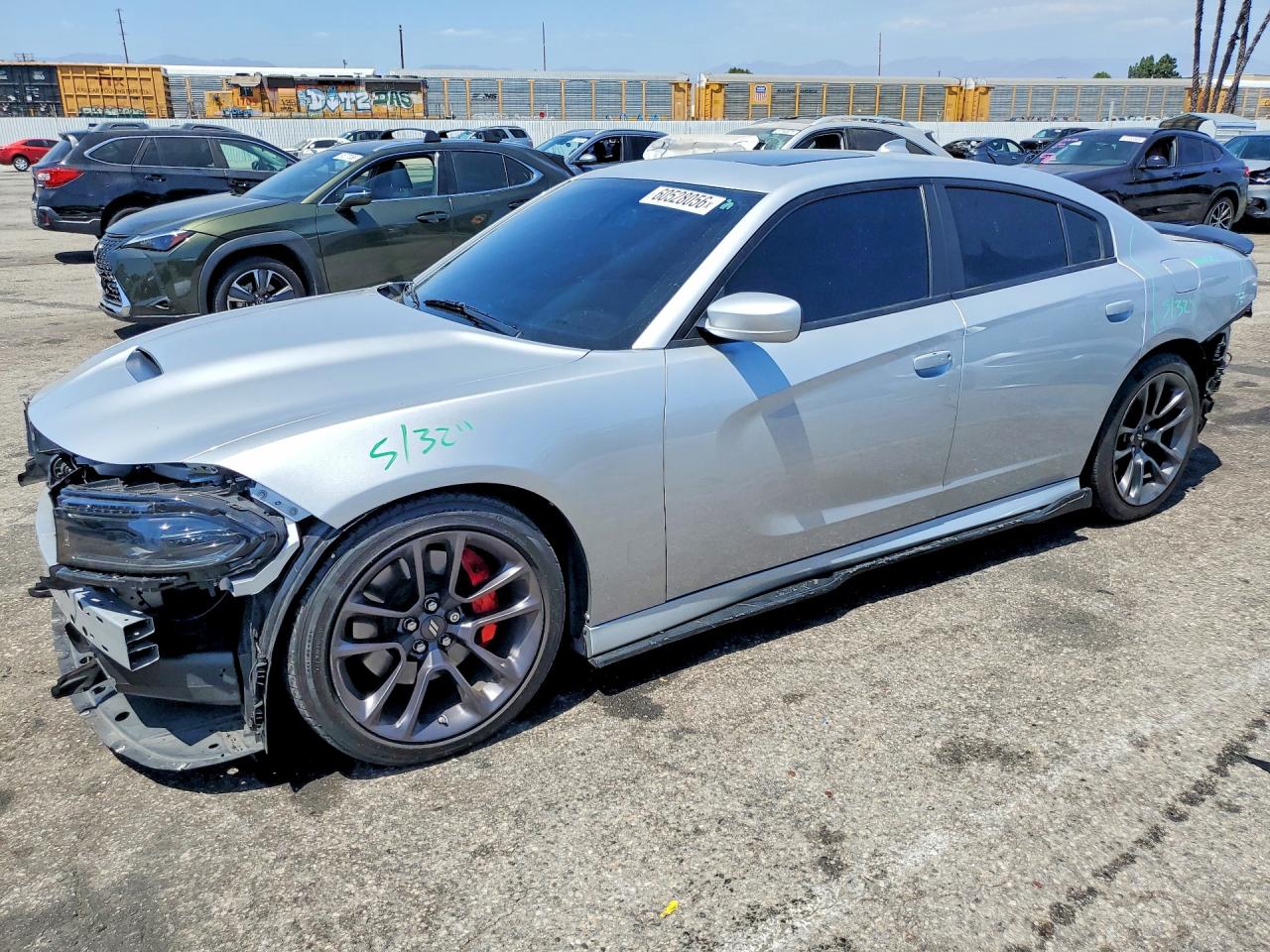 2022 DODGE CHARGER SCAT PACK
2C3CDX•••••••0090
6.4 gasoline · Automatic
Check history
2022 DODGE CHARGER SCAT PACK
2C3CDX•••••••0090
6.4 gasoline · Automatic
Check history
 2017 DODGE CHALLENGER R/T
2C3CDZ•••••••1300
5.7 gasoline · Automatic
Check history
2017 DODGE CHALLENGER R/T
2C3CDZ•••••••1300
5.7 gasoline · Automatic
Check history