2013 FORD EXPLORER XLT VIN 1FM5K7D84DGB25729
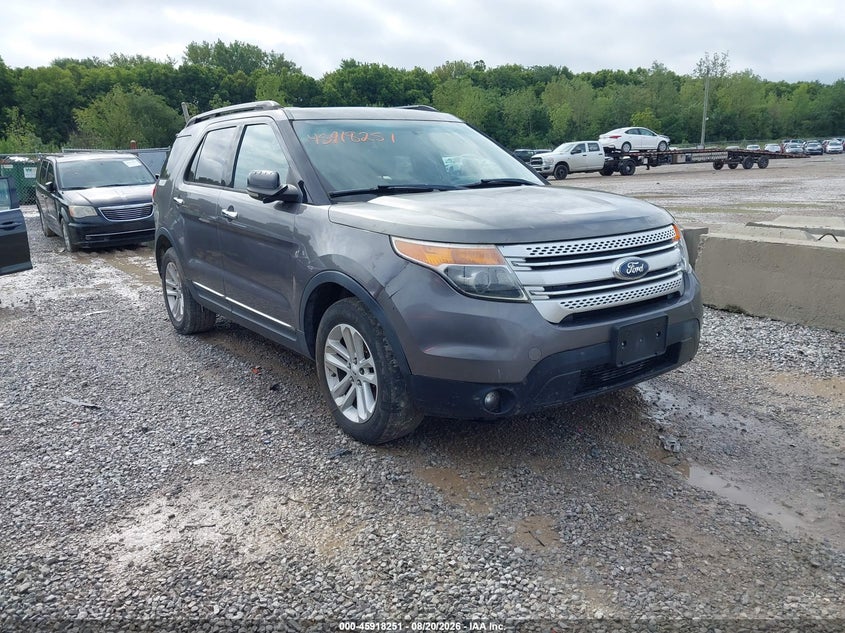
Damage map
If damage records exist for this VIN, the report shows the affected zonesTheft, liens and title
Checks that matter for registration and resaleRecorded condition
What the source noted about the car as it stands- Runs and drives
- No
- Engine starts
- No
- Keys available
- No
- Start code
- Stationary
History timeline
Data decoded from the VIN is shown. Records on file, if any, are in the full report.Mileage
Odometer reading as recorded at the sourceEarlier photos may be in the report
Check before you buy
Four things worth checking on any used carFORD EXPLORER XLT specifications
- VIN
- 1FM5K7D84DGB25729
- Make
- FORD
- Model
- EXPLORER XLT
- Year
- 2013
- Colour
- GRAY
- Fuel
- Gasoline
- Engine
- 3.5 L
- Cylinders
- 6
- Power
- 290 hp
- Transmission
- Automatic
- Drive
- FWD
- Recorded odometer
- 177 826 mi
- Recorded damage
- Normal Wear & Tear
What buyers ask about the FORD EXPLORER XLT
Was this 2013 FORD EXPLORER XLT damaged before?
The damage in the specifications is what the source noted at the time. Earlier accidents and repairs on file for VIN 1FM5K7D84DGB25729, if any, are in the full report.
Can I trust the odometer reading of 177 826 mi?
It is the figure as recorded, not verified. Compare it with the earlier readings in the full report: they can only go up, so a drop points to a wound-back odometer.
In which countries was this car registered?
Registrations abroad seldom reach local registers. If this car was registered in other countries, the full report names them.
Who sells the report, and what does it cost?
An independent partner, selected automatically for each VIN by our system from analytical data. The partner shows the price before you pay; we may earn a commission.
VIN 1FM5K7D84DGB25729: history
This record covers a 2013 Ford Explorer XLT, finished in grey. Power comes from a 3.5-litre petrol engine with six cylinders, rated at 290 hp. The drivetrain combines an automatic gearbox with front-wheel drive. Every figure for this car is given as it appears in the source data.
The record gives the mileage as 177,826 miles. Because the clock counts miles, any figure noted in kilometres has to be converted before the two can be compared. A single figure proves little: what makes a mileage believable is a series of readings that rise steadily over the years.
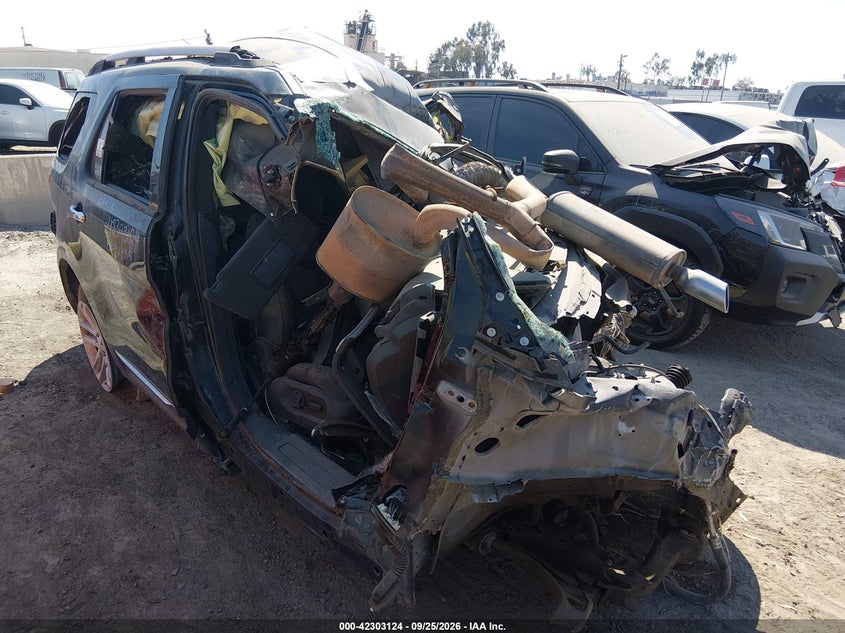
No damage entry is on file for this car, and the bodywork still needs checking in person. Paint depth, panel gaps and the underbody show whether the body has been repaired.
When it was checked, the car could not be driven. The engine could not be started. No key is recorded with the car, and a replacement has to be coded to the immobiliser. A condition note describes the car at one moment; months of standing or later work on the car can change the picture in either direction.
According to the source data, the car has a clean title. Nothing on the title points to a total loss or a flood.
A car’s history answers three questions: who kept it, how it was looked after and what went wrong along the way. From the outside, a car with a repaired accident and a car without one can look identical.
When a car does not run, a compression test and the condition of the oil tell a mechanic whether the engine can be brought back to life. Many modern petrol engines are turbocharged and direct-injected; where they are, the turbocharger and injectors belong on a specialist’s checklist. While the car does not run, stored fault codes and a look at the fluid are the only early evidence of how the automatic gearbox has fared.
The VIN is a 17-character code assigned at the factory: it identifies the manufacturer, the model and its variant, and ends with a serial number unique to the car. The VIN on file for this car is 1FM5K7D84DGB25729.
A VIN report shows what has been logged: earlier registrations, odometer figures, damage entries, branded titles and theft checks, wherever such data exists. The absence of an entry is not proof that nothing happened; it may only mean that nobody wrote it down. A professional inspection makes sense whatever the paperwork shows, because no report measures corrosion, worn bushes or a poor repair. Before making a decision about this Ford Explorer XLT, check the history behind VIN 1FM5K7D84DGB25729.
Similar FORD EXPLORER XLT cars
All FORD cars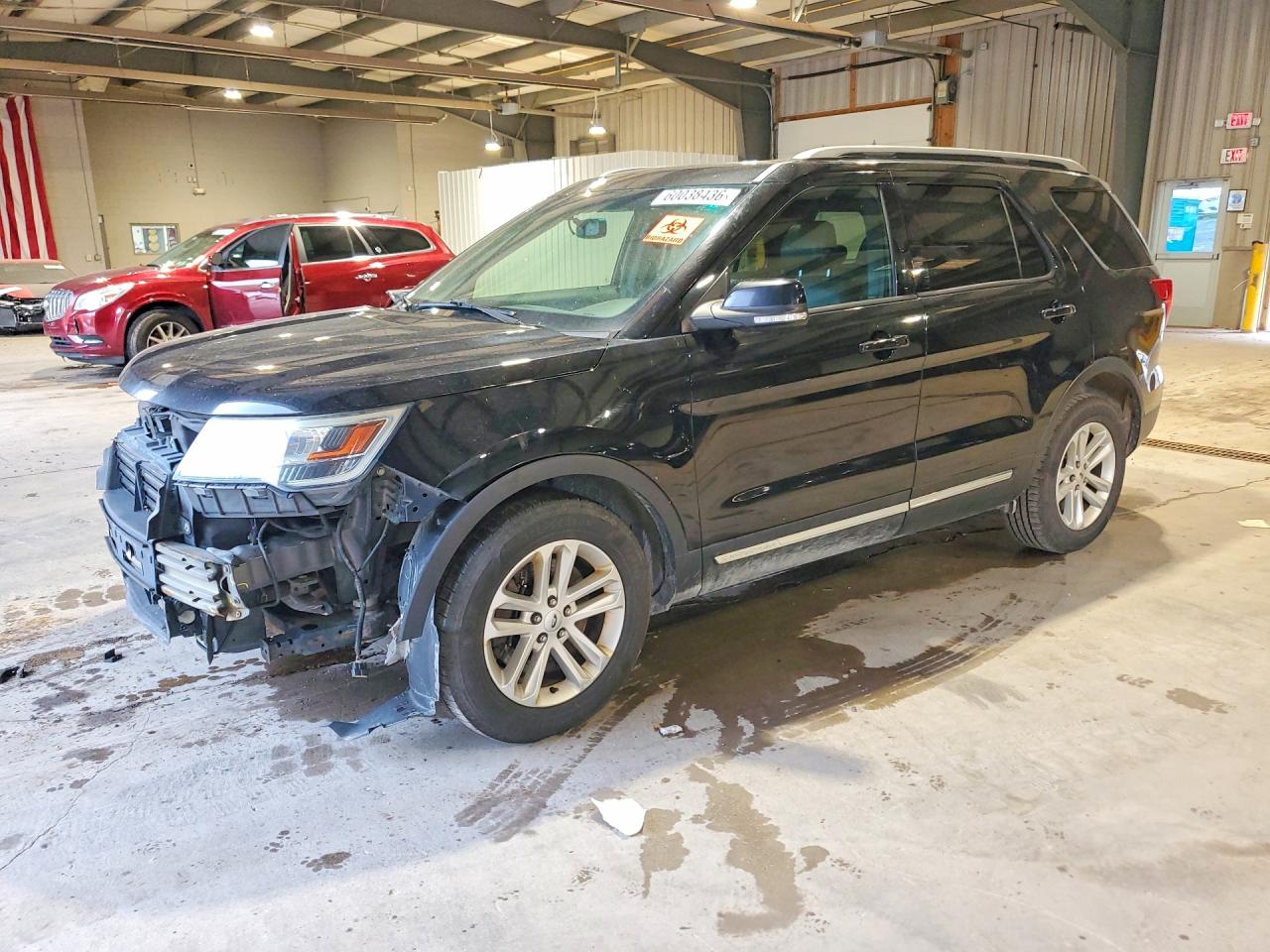 2016 FORD EXPLORER XLT
1FM5K7•••••••3693
3.5 gasoline · Automatic
Check history
2016 FORD EXPLORER XLT
1FM5K7•••••••3693
3.5 gasoline · Automatic
Check history
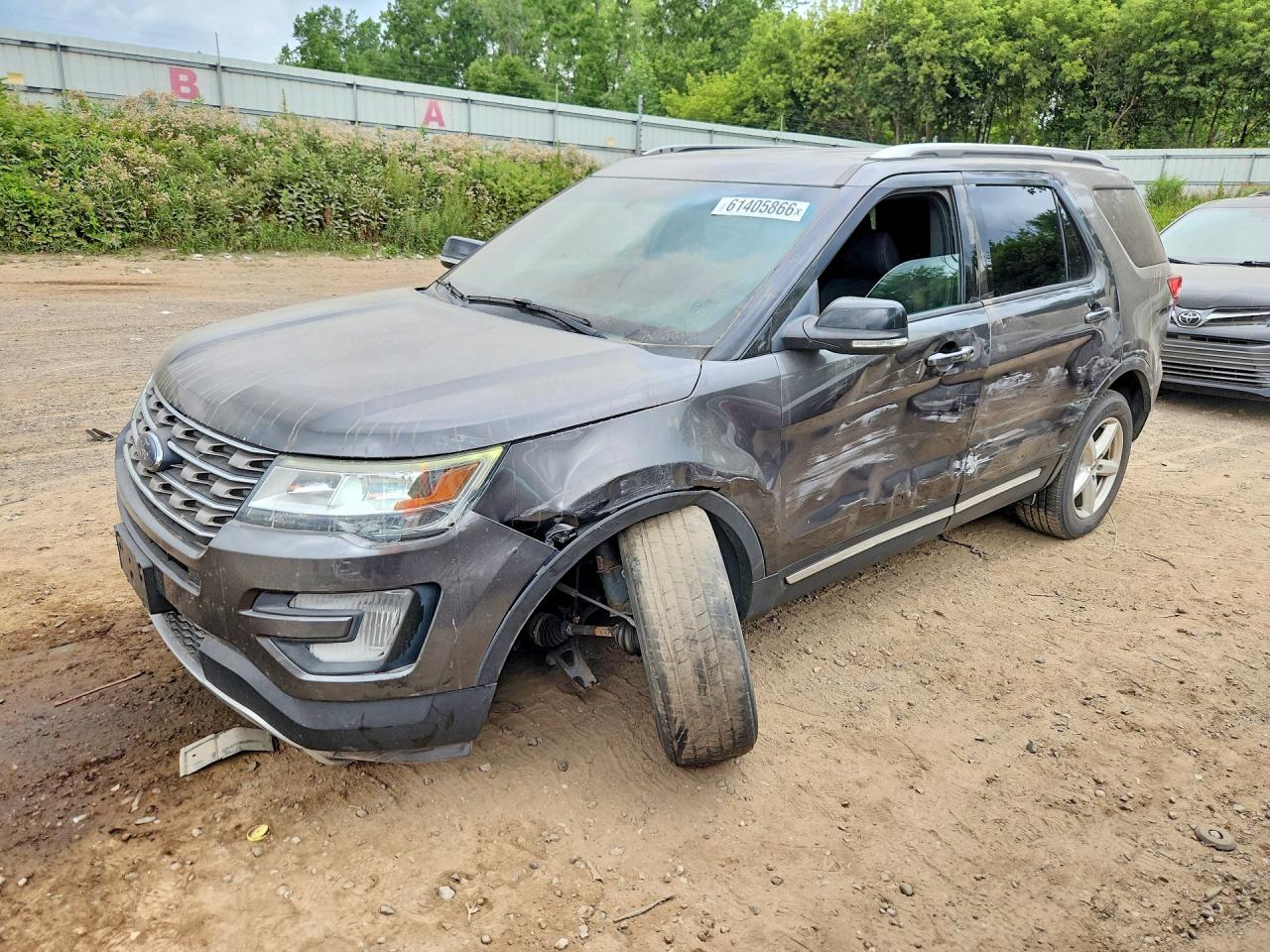 2016 FORD EXPLORER XLT
1FM5K8•••••••4183
3.5 gasoline · Automatic
Check history
2016 FORD EXPLORER XLT
1FM5K8•••••••4183
3.5 gasoline · Automatic
Check history
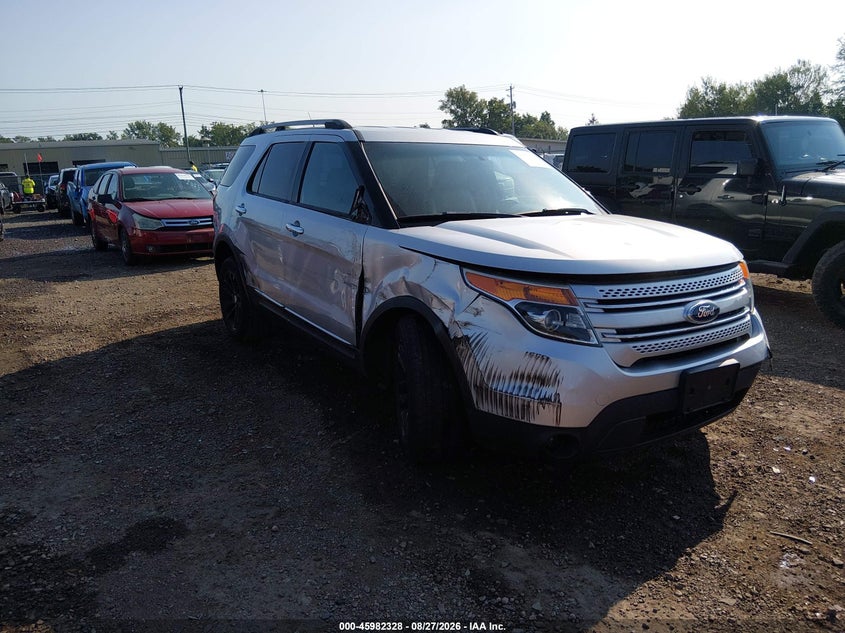 2012 FORD EXPLORER XLT
1FMHK7•••••••6307
3.5 gasoline · Automatic
Check history
2012 FORD EXPLORER XLT
1FMHK7•••••••6307
3.5 gasoline · Automatic
Check history
 2014 FORD EXPLORER XLT
1FM5K7•••••••3385
3.5 gasoline · Automatic
Check history
2014 FORD EXPLORER XLT
1FM5K7•••••••3385
3.5 gasoline · Automatic
Check history