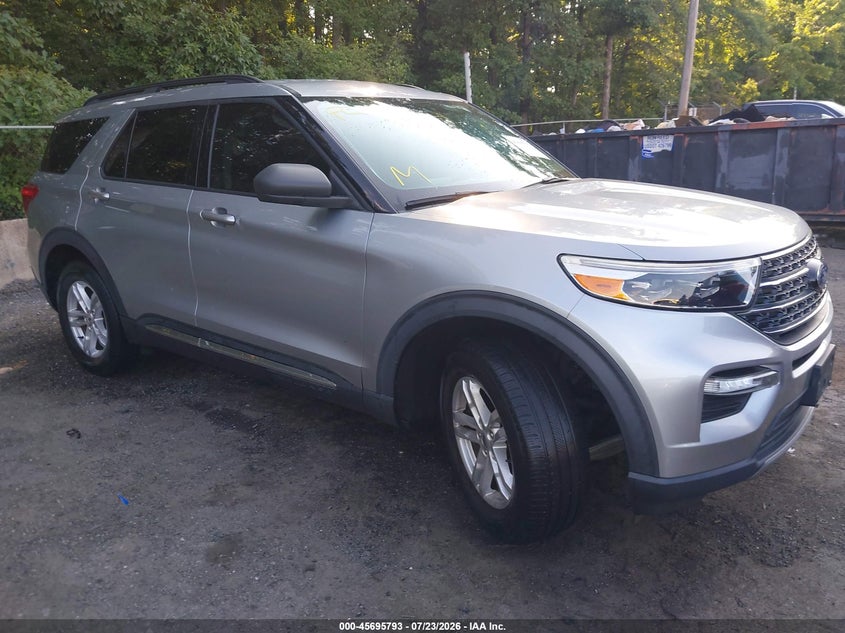
2017 FORD EXPLORER XLT VIN 1FM5K8D80HGB26601
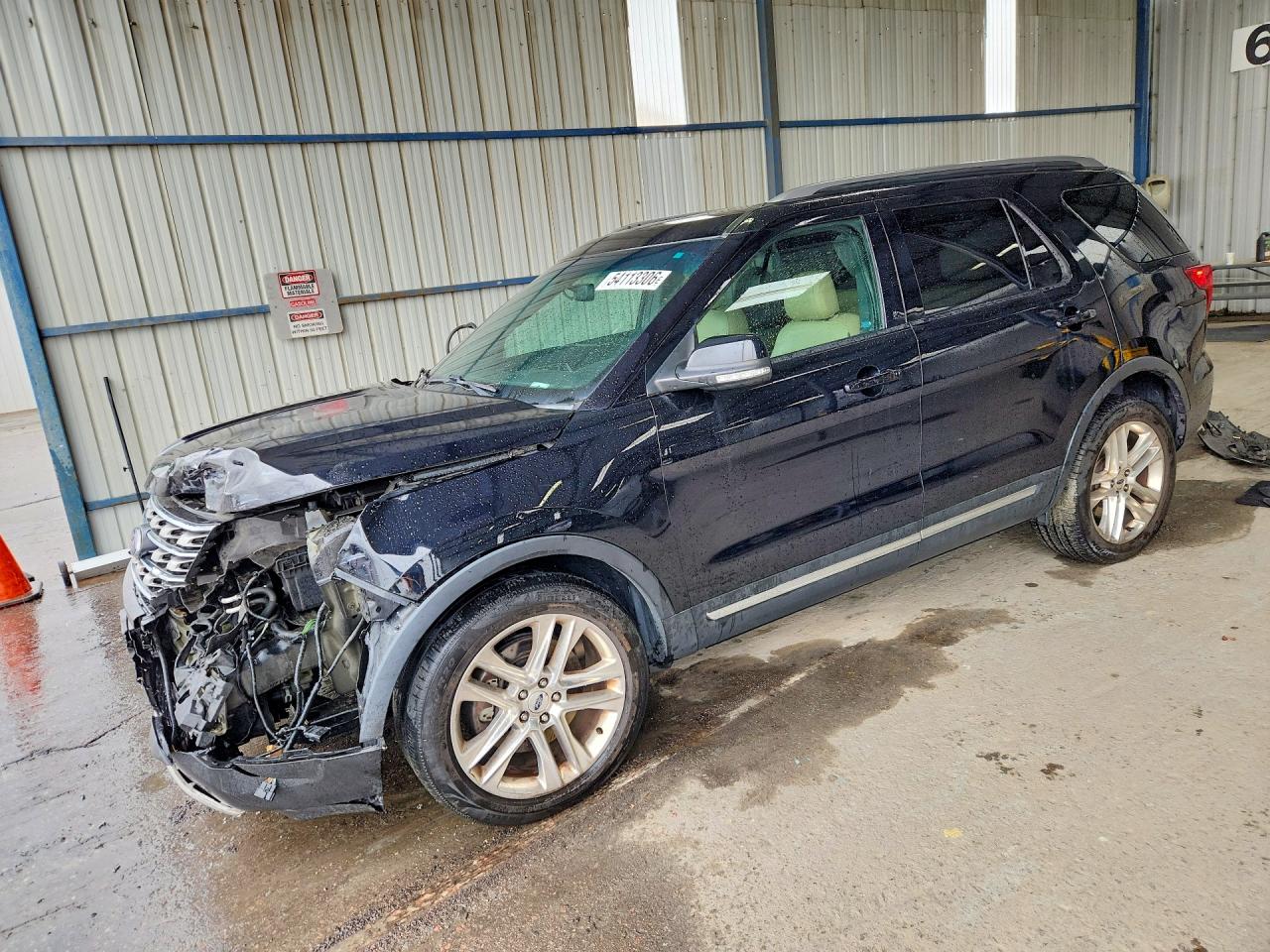
Damage map
If damage records exist for this VIN, the report shows the affected zonesTheft, liens and title
Checks that matter for registration and resaleRecorded condition
What the source noted about the car as it stands- Runs and drives
- No
- Engine starts
- Yes
- Keys available
- Yes
- Start code
- Starts
History timeline
Data decoded from the VIN is shown. Records on file, if any, are in the full report.Mileage
Odometer reading as recorded at the sourceEarlier photos may be in the report
Check before you buy
Four things worth checking on any used carFORD EXPLORER XLT specifications
- VIN
- 1FM5K8D80HGB26601
- Make
- FORD
- Model
- EXPLORER XLT
- Year
- 2017
- Colour
- BLACK
- Fuel
- Gasoline
- Engine
- 3.5 L
- Cylinders
- 6
- Transmission
- Automatic
- Drive
- 4x4
- Recorded odometer
- 91 627 mi
- Recorded damage
- Front End
What buyers ask about the FORD EXPLORER XLT
Was this 2017 FORD EXPLORER XLT damaged before?
The damage in the specifications is what the source noted at the time. Earlier accidents and repairs on file for VIN 1FM5K8D80HGB26601, if any, are in the full report.
Can I trust the odometer reading of 91 627 mi?
It is the figure as recorded, not verified. Compare it with the earlier readings in the full report: they can only go up, so a drop points to a wound-back odometer.
In which countries was this car registered?
Registrations abroad seldom reach local registers. If this car was registered in other countries, the full report names them.
Who sells the report, and what does it cost?
An independent partner, selected automatically for each VIN by our system from analytical data. The partner shows the price before you pay; we may earn a commission.
VIN 1FM5K8D80HGB26601: history
This entry is for a 2017 Ford Explorer XLT. The car runs on petrol. There is an automatic gearbox, with four-wheel drive.
The clock stood at 91,627 miles when the data was entered. A clock converted from miles to kilometres should be documented, since the swap can hide the true mileage. Turning back an odometer takes little skill and leaves no visible trace, which is why earlier figures matter more than the display. Figures carry most weight when they come from independent sources: workshops, inspection stations and past title paperwork.
In the source data, the main issue is front-end damage. The damage type is a short label: the extent of the damage and the quality of any repair still have to be judged on the car. Whatever the cause, a diagnostic scan of the car’s electronics shows fault codes that a visual check misses.
A car that does not run has to be moved on a trailer, and its real condition is known only after a thorough assessment. The engine started, but that says nothing yet about the gearbox or the drive to the wheels. A key was there when the car was checked. A condition note describes the car at one moment; months of standing or later work on the car can change the picture in either direction.
The record shows a salvage title. Titles of this type are issued to cars declared a total loss. If any work has been done on the car since, photos and invoices should show what was replaced.
A car’s history answers three questions: who kept it, how it was looked after and what went wrong along the way. Pieces of a car’s history sit with registries, dealers, workshops and insurance companies, and none of them sees the whole picture. Much of a car’s past cannot be seen: a good body repair leaves no obvious mark, and neither do years of hard driving.
On a petrol engine, spark plugs, ignition coils and the cooling system are the routine items a service history should cover. While the car does not run, stored fault codes and a look at the fluid are the only early evidence of how the automatic gearbox has fared. Drive to all four wheels means more to maintain: differentials and couplings have oil of their own, which some manufacturers want changed at set intervals.
A VIN never contains the letters I, O or Q, which could be mistaken for digits; its 17 characters identify the maker, the model and the individual car. This Ford Explorer XLT has the VIN 1FM5K8D80HGB26601. A VIN that differs between the documents and the car, or shows signs of tampering, is reason enough to walk away.
Depending on what is on file, a VIN report may include past registrations, mileage readings, damage entries, branded titles and theft checks. No report is complete: a repair done privately and never claimed on insurance leaves nothing to find. The past is on file; the car’s condition today is a job for a mechanic, who can check the structure, underbody, electrics and any repairs on a lift. The next step is to look up the history behind VIN 1FM5K8D80HGB26601.
Similar FORD EXPLORER XLT cars
All FORD cars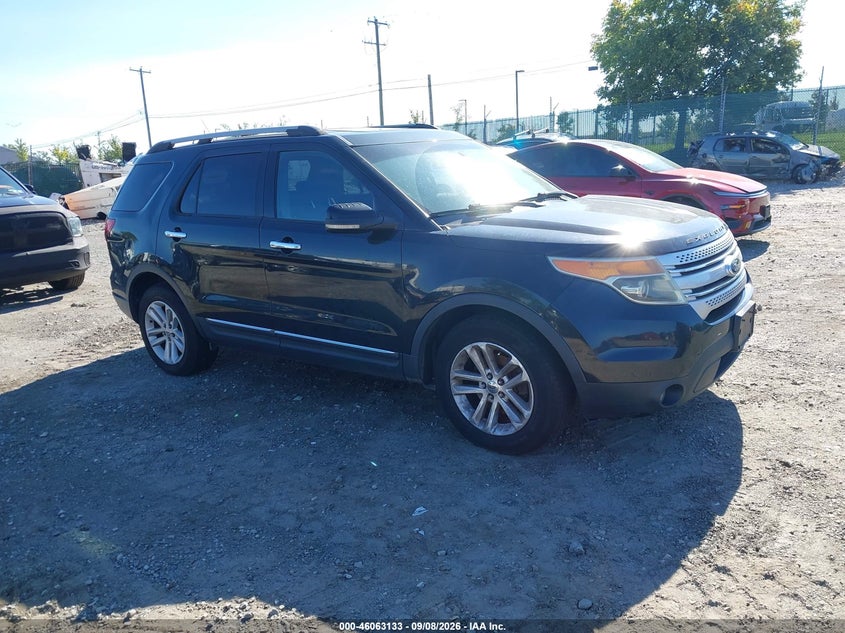 2011 FORD EXPLORER XLT
1FMHK7•••••••9717
3.5 gasoline · Automatic
Check history
2011 FORD EXPLORER XLT
1FMHK7•••••••9717
3.5 gasoline · Automatic
Check history
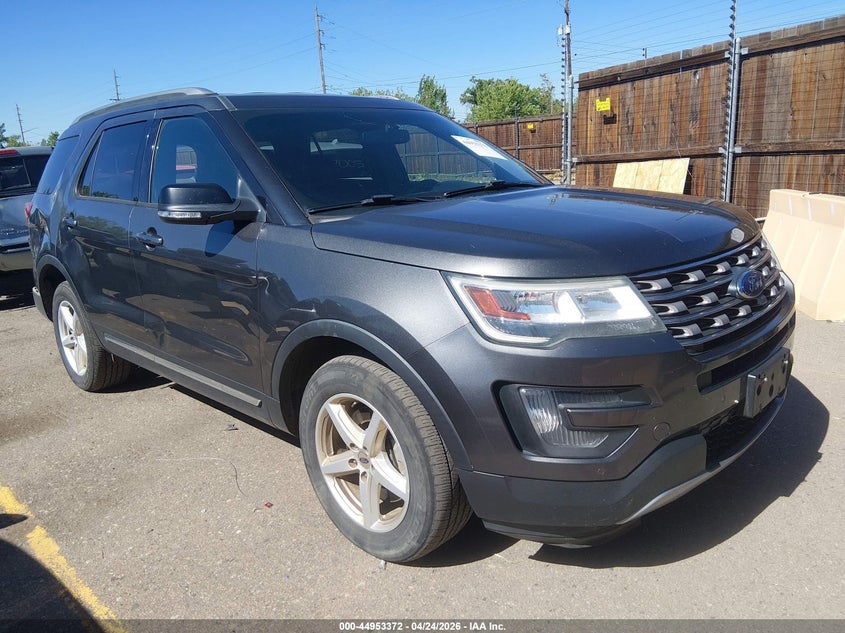 2016 FORD EXPLORER XLT
1FM5K8•••••••5808
3.5 gasoline · Automatic
Check history
2016 FORD EXPLORER XLT
1FM5K8•••••••5808
3.5 gasoline · Automatic
Check history
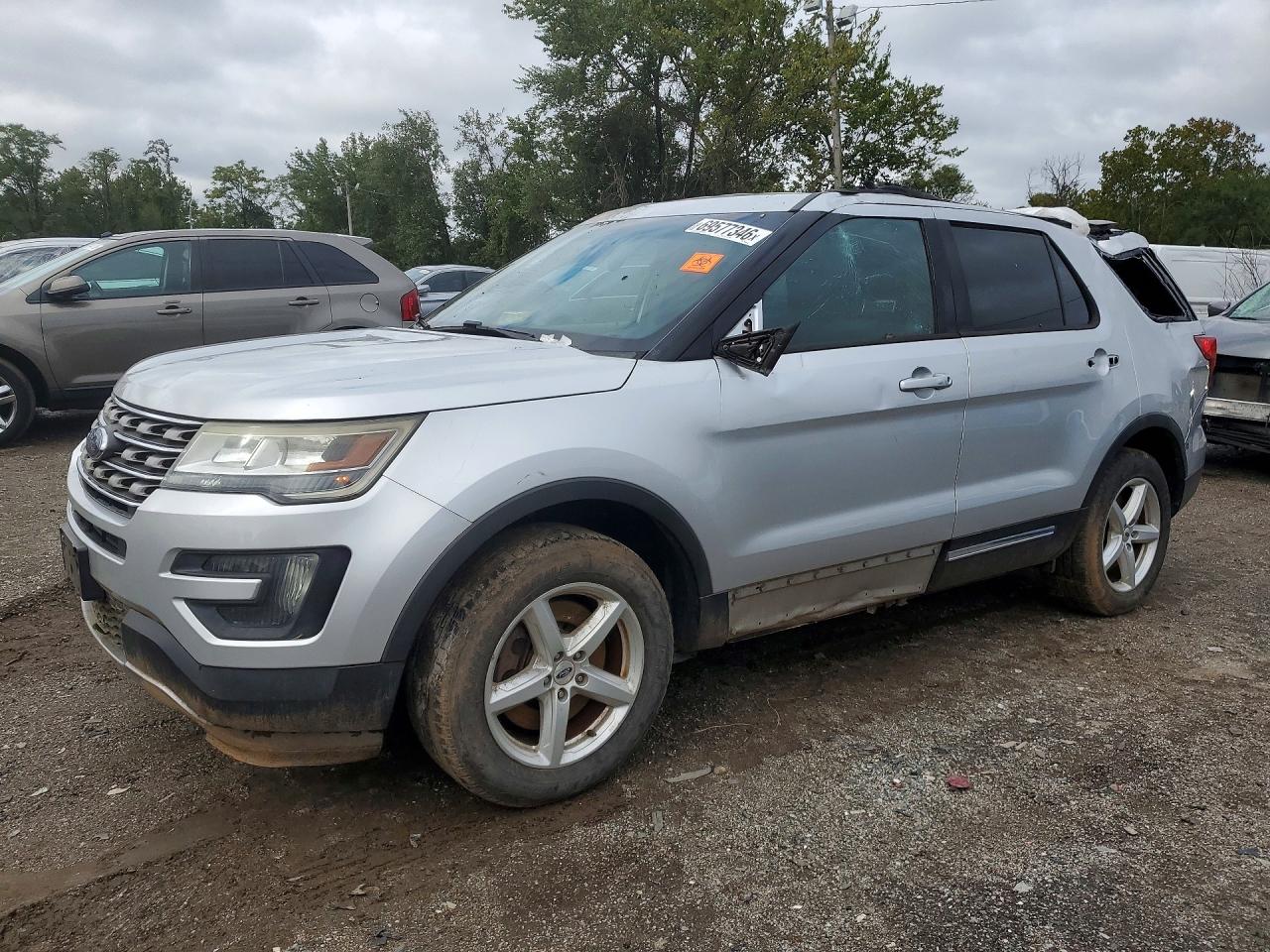 2016 FORD EXPLORER XLT
1FM5K8•••••••4025
3.5 gasoline · Automatic
Check history
2016 FORD EXPLORER XLT
1FM5K8•••••••4025
3.5 gasoline · Automatic
Check history
 2020 FORD EXPLORER XLT
1FMSK8•••••••7635
2.3 gasoline · Automatic
Check history
2020 FORD EXPLORER XLT
1FMSK8•••••••7635
2.3 gasoline · Automatic
Check history