2022 FORD EXPLORER PLATINUM VIN 1FM5K8HC5NGB04670

Damage map
If damage records exist for this VIN, the report shows the affected zonesTheft, liens and title
Checks that matter for registration and resaleRecorded condition
What the source noted about the car as it stands- Runs and drives
- No
- Engine starts
- No
- Keys available
- Yes
- Start code
- Stationary
History timeline
Data decoded from the VIN is shown. Records on file, if any, are in the full report.Mileage
Odometer reading as recorded at the sourceEarlier photos may be in the report
Check before you buy
Four things worth checking on any used carFORD EXPLORER PLATINUM specifications
- VIN
- 1FM5K8HC5NGB04670
- Make
- FORD
- Model
- EXPLORER PLATINUM
- Year
- 2022
- Colour
- RED
- Fuel
- Gasoline
- Engine
- 3.0 L
- Cylinders
- 6
- Power
- 400 hp
- Transmission
- Automatic
- Drive
- 4x4
- Recorded odometer
- 94 120 mi
- Recorded damage
- Flood
What buyers ask about the FORD EXPLORER PLATINUM
Was this 2022 FORD EXPLORER PLATINUM damaged before?
The damage in the specifications is what the source noted at the time. Earlier accidents and repairs on file for VIN 1FM5K8HC5NGB04670, if any, are in the full report.
Can I trust the odometer reading of 94 120 mi?
It is the figure as recorded, not verified. Compare it with the earlier readings in the full report: they can only go up, so a drop points to a wound-back odometer.
In which countries was this car registered?
Registrations abroad seldom reach local registers. If this car was registered in other countries, the full report names them.
Who sells the report, and what does it cost?
An independent partner, selected automatically for each VIN by our system from analytical data. The partner shows the price before you pay; we may earn a commission.
VIN 1FM5K8HC5NGB04670: history
This Ford Explorer Platinum was built in 2022. Under the bonnet is a 3.0-litre petrol engine. There is an automatic gearbox, with four-wheel drive. The specification is taken from the source data and has not been checked against other documents.
The car was recorded with 94,120 miles on the clock. The instruments count in miles; the same distance in kilometres is about 1.6 times the figure. A car that has covered this much distance for its age has worked hard, and a mechanic should judge the wear accordingly. A single figure proves little: what makes a mileage believable is a series of readings that rise steadily over the years. Figures carry most weight when they come from independent sources: workshops, inspection stations and past title paperwork.
When the car was recorded, it showed flood damage. The damage type is a short label: the extent of the damage and the quality of any repair still have to be judged on the car. Some damage shows its consequences only later: corroded connectors and electrical faults can surface months afterwards.
A car that does not run has to be moved on a trailer, and its real condition is known only after a thorough assessment. The engine did not start. A key is on file for the car.
The car carries a salvage title. A title like this is issued when repair was judged uneconomical or unsafe.
Registrations, changes of owner, inspection results and accident claims together make up what is called a car’s history. A car’s paperwork is scattered: the registry knows about owners, the workshop about repairs and the insurance company about claims. Much of a car’s past cannot be seen: a good body repair leaves no obvious mark, and neither do years of hard driving.
For the engine, the service history matters most: oil changes, filters and the timing belt or chain are the entries to look for. On a petrol engine, spark plugs, ignition coils and the cooling system are the routine items a service history should cover. On a car that does not run, the automatic gearbox cannot be judged on the road; the colour and smell of its fluid and a diagnostic scan give the first clues. With four-wheel drive, mismatched tyres can strain the centre differential or coupling, so all four should be the same make and similarly worn.
The ninth character of the VIN is a check digit calculated from the other sixteen, so a mistyped or invented number does not add up. For this car, the VIN is 1FM5K8HC5NGB04670. The number in the car’s documents should match the one stamped into the body and the one on the plate at the base of the windscreen.
A VIN report shows what has been logged: earlier registrations, odometer figures, damage entries, branded titles and theft checks, wherever such data exists. No report is complete: a repair done privately and never claimed on insurance leaves nothing to find. The past is on file; the car’s condition today is a job for a mechanic, who can check the structure, underbody, electrics and any repairs on a lift. Before going any further with this Ford Explorer Platinum, it makes sense to look up VIN 1FM5K8HC5NGB04670.
Similar FORD EXPLORER PLATINUM cars
All FORD cars 2020 FORD EXPLORER PLATINUM
1FM5K8•••••••5186
3.0 gasoline · Automatic
Check history
2020 FORD EXPLORER PLATINUM
1FM5K8•••••••5186
3.0 gasoline · Automatic
Check history
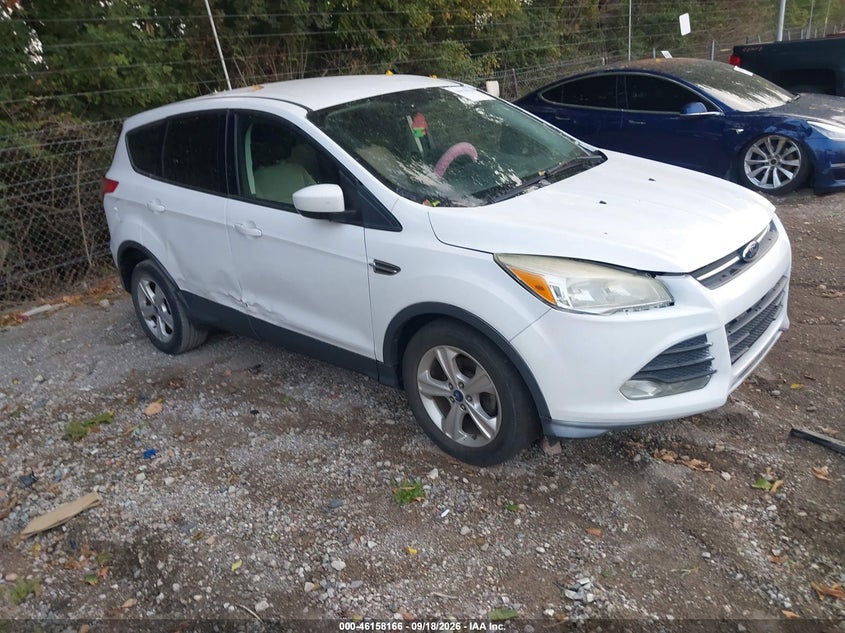 2014 FORD ESCAPE SE
1FMCU0•••••••9637
1.6 gasoline · Automatic
Check history
2014 FORD ESCAPE SE
1FMCU0•••••••9637
1.6 gasoline · Automatic
Check history
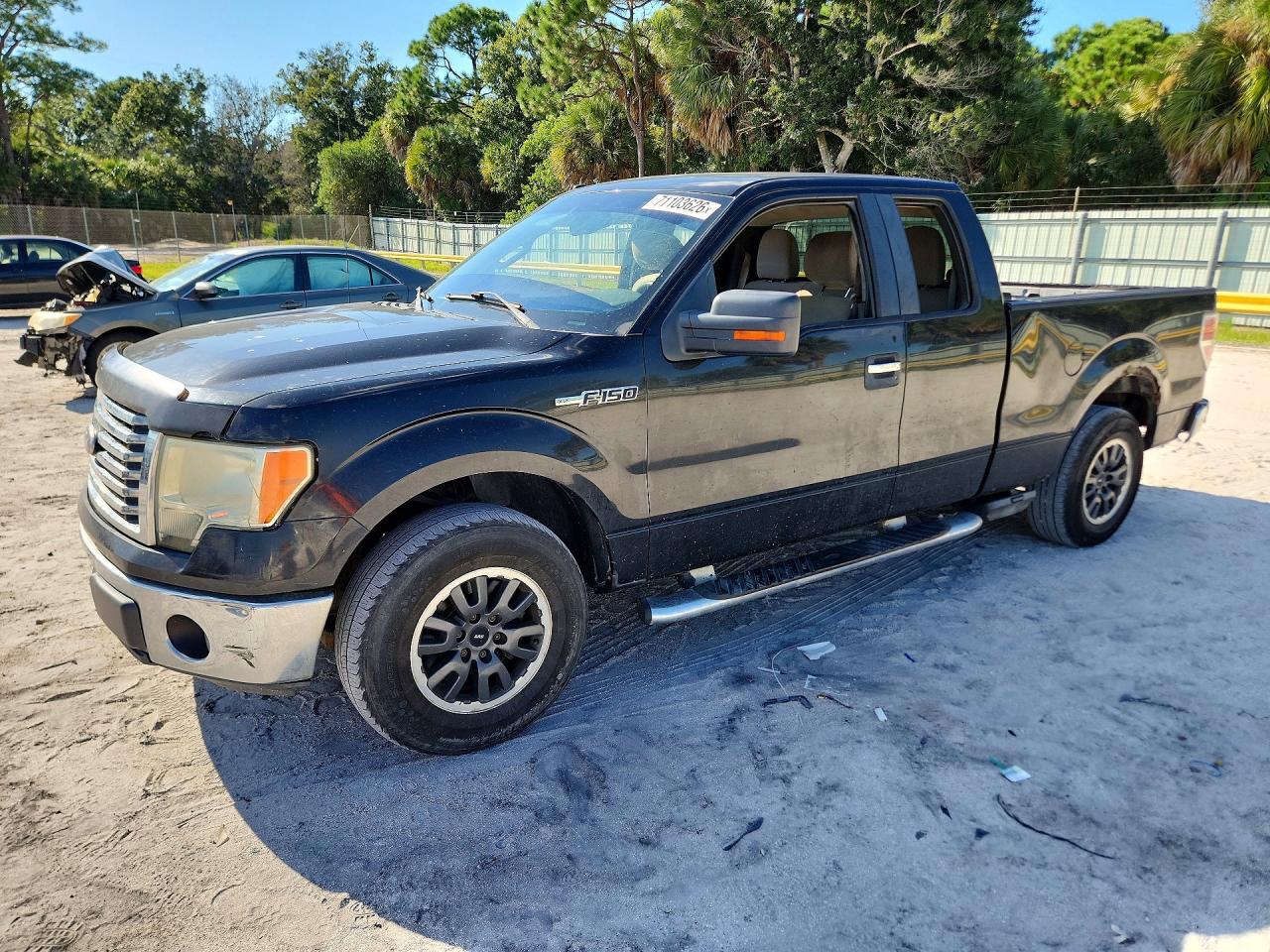 2010 FORD F150 SUPER CAB
1FTEX1•••••••2399
4.6 gasoline · Automatic
Check history
2010 FORD F150 SUPER CAB
1FTEX1•••••••2399
4.6 gasoline · Automatic
Check history
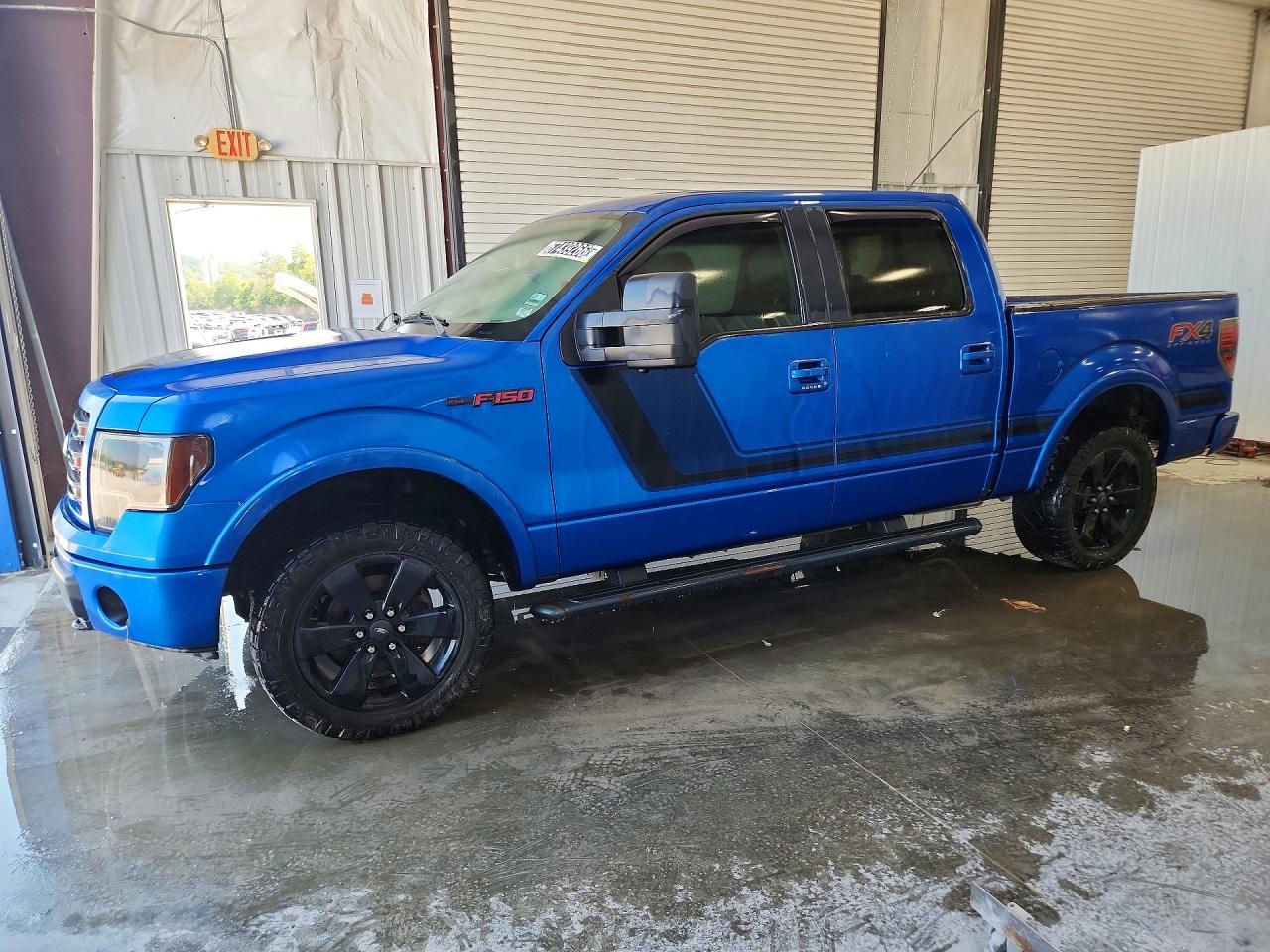 2014 FORD F150 SUPERCREW
1FTFW1•••••••6589
5.0 gasoline · Automatic
Check history
2014 FORD F150 SUPERCREW
1FTFW1•••••••6589
5.0 gasoline · Automatic
Check history