2012 FORD F-150 PLATINUM VIN 1FTFW1ET2CFA81733
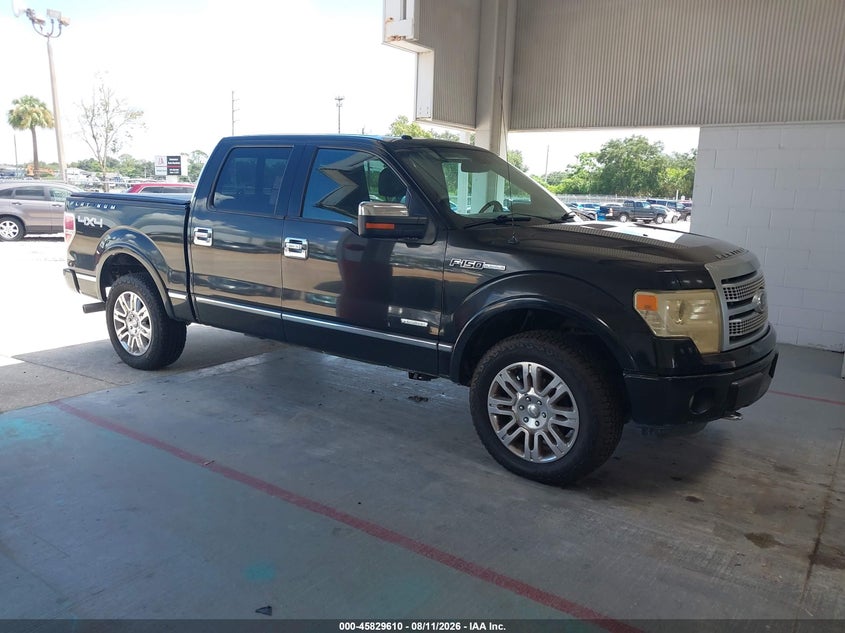
Damage map
If damage records exist for this VIN, the report shows the affected zonesTheft, liens and title
Checks that matter for registration and resaleRecorded condition
What the source noted about the car as it stands- Runs and drives
- Yes
- Engine starts
- Yes
- Keys available
- Yes
- Start code
- Run & Drive
History timeline
Data decoded from the VIN is shown. Records on file, if any, are in the full report.Mileage
Odometer reading as recorded at the sourceEarlier photos may be in the report
Check before you buy
Four things worth checking on any used carFORD F-150 PLATINUM specifications
- VIN
- 1FTFW1ET2CFA81733
- Make
- FORD
- Model
- F-150 PLATINUM
- Year
- 2012
- Colour
- BLACK
- Fuel
- Gasoline
- Engine
- 3.5 L
- Cylinders
- 6
- Power
- 365 hp
- Transmission
- Automatic
- Drive
- 4x4
- Recorded odometer
- 270 673 mi
- Recorded damage
- Electrical
What buyers ask about the FORD F-150 PLATINUM
Was this 2012 FORD F-150 PLATINUM damaged before?
The damage in the specifications is what the source noted at the time. Earlier accidents and repairs on file for VIN 1FTFW1ET2CFA81733, if any, are in the full report.
Can I trust the odometer reading of 270 673 mi?
It is the figure as recorded, not verified. Compare it with the earlier readings in the full report: they can only go up, so a drop points to a wound-back odometer.
In which countries was this car registered?
Registrations abroad seldom reach local registers. If this car was registered in other countries, the full report names them.
Who sells the report, and what does it cost?
An independent partner, selected automatically for each VIN by our system from analytical data. The partner shows the price before you pay; we may earn a commission.
VIN 1FTFW1ET2CFA81733: history
This record covers a 2012 Ford F-150 Platinum, finished in black. The drivetrain combines an automatic gearbox with four-wheel drive. The engine is a 3.5-litre petrol unit with six cylinders. The specification is taken from the source data.
The clock stood at 270,673 miles when the data was entered. The instruments count in miles; the same distance in kilometres is about 1.6 times the figure. A car that has covered this much distance for its age has worked hard, and a mechanic should judge the wear accordingly. A single figure proves little: what makes a mileage believable is a series of readings that rise steadily over the years. Figures carry most weight when they come from independent sources: workshops, inspection stations and past title paperwork.
No damage entry is on file for this car. Paint depth, panel gaps and the underbody show whether the body has been repaired.
The car is recorded as running and driving. A key was present. Condition notes are a snapshot: the car may have been worked on, stripped of parts or left standing since.
The car carries a salvage title. Titles of this type are issued to cars declared a total loss. The structure and the quality of any work done deserve a thorough inspection on a car with a branded title, however sound the car looks.
Behind every used car lies a string of events: who owned it and for how long, what the inspections found and which repairs and claims were made. A car’s past rarely shows on the paintwork: a well-repaired accident or water damage that was dried out is easy to miss.
On a petrol engine, spark plugs, ignition coils and the cooling system are the routine items a service history should cover. Automatic transmissions, CVTs included, are expensive to repair, so the test drive should include pulling away from a standstill and a stretch at motorway speed. Drive to all four wheels means more to maintain: differentials and couplings have oil of their own, which some manufacturers want changed at set intervals.
The ninth character of the VIN is a check digit calculated from the other sixteen, so a mistyped or invented number does not add up. The record gives the VIN as 1FTFW1ET2CFA81733. A VIN that differs between the documents and the car, or shows signs of tampering, is reason enough to walk away.
Depending on what is on file, a VIN report may include past registrations, mileage readings, damage entries, branded titles and theft checks. The absence of an entry is not proof that nothing happened; it may only mean that nobody wrote it down. A history report says nothing about the car’s present condition: the frame, corrosion, electrics and the quality of any repair are judged on a lift by a mechanic. Look up the history of VIN 1FTFW1ET2CFA81733 first, and let what it shows guide the inspection.
Similar FORD F-150 PLATINUM cars
All FORD cars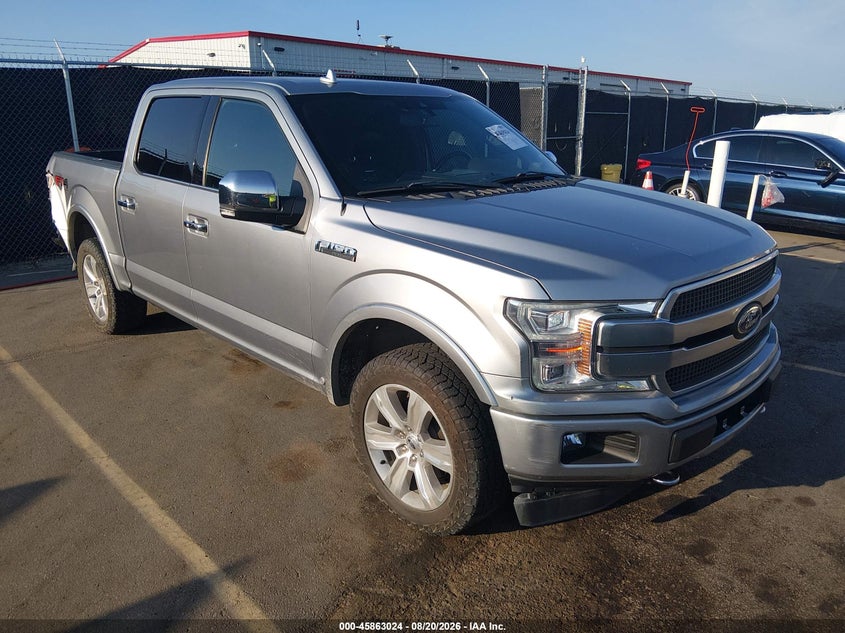 2020 FORD F-150 PLATINUM
1FTEW1•••••••7671
3.5 gasoline · Automatic
Check history
2020 FORD F-150 PLATINUM
1FTEW1•••••••7671
3.5 gasoline · Automatic
Check history
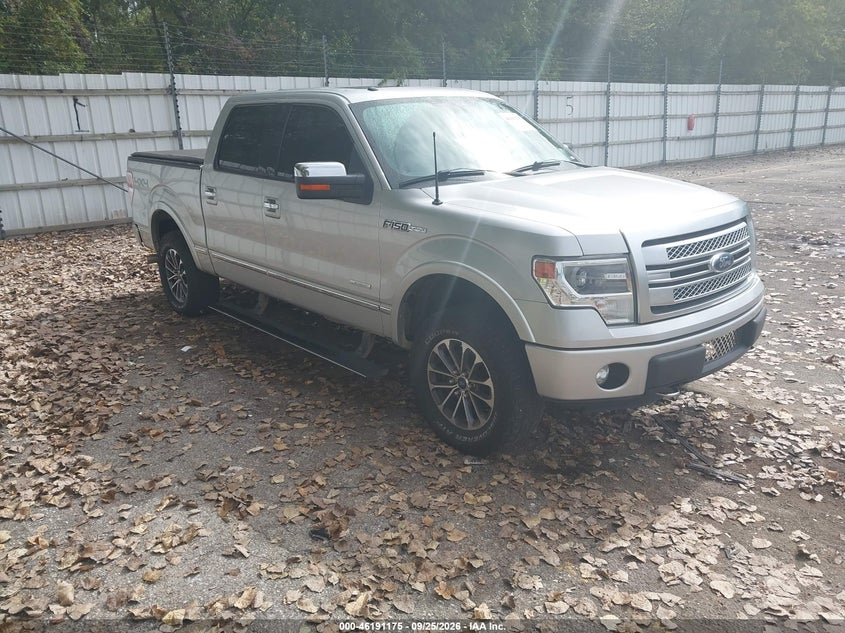 2013 FORD F-150 PLATINUM
1FTFW1•••••••2671
3.5 gasoline · Automatic
Check history
2013 FORD F-150 PLATINUM
1FTFW1•••••••2671
3.5 gasoline · Automatic
Check history
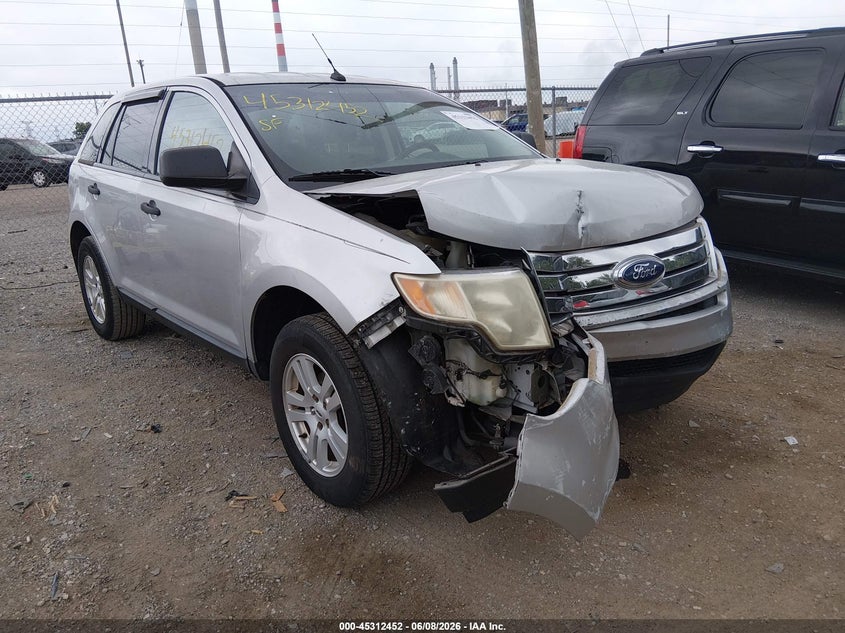 2009 FORD EDGE SE
2FMDK3•••••••5241
3.5 gasoline · Automatic
Check history
2009 FORD EDGE SE
2FMDK3•••••••5241
3.5 gasoline · Automatic
Check history
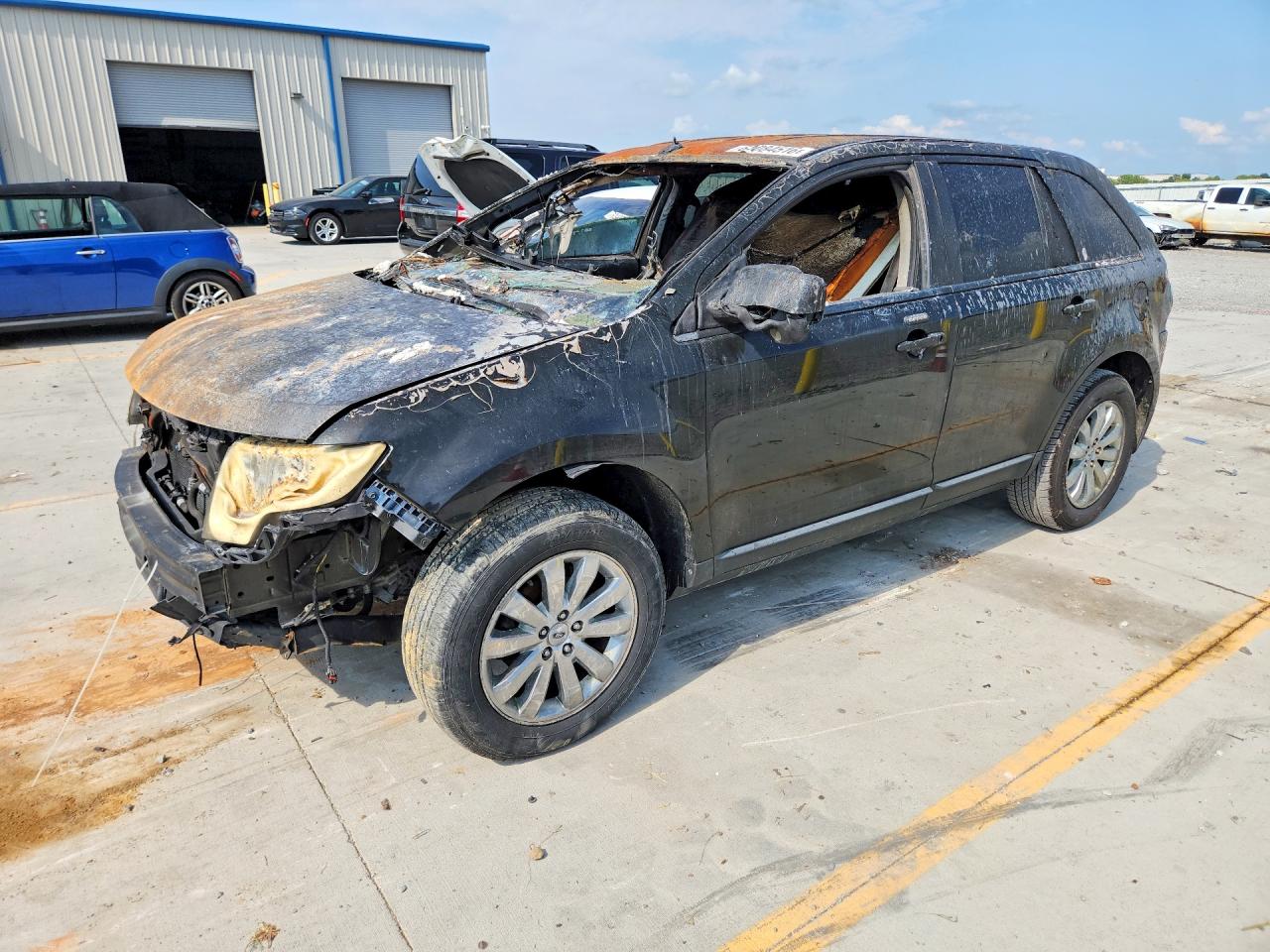 2007 FORD EDGE SEL PLUS
2FMDK3•••••••8241
3.5 gasoline · Automatic
Check history
2007 FORD EDGE SEL PLUS
2FMDK3•••••••8241
3.5 gasoline · Automatic
Check history