2017 GMC YUKON XL DENALI VIN 1GKS2HKJ4HR222589
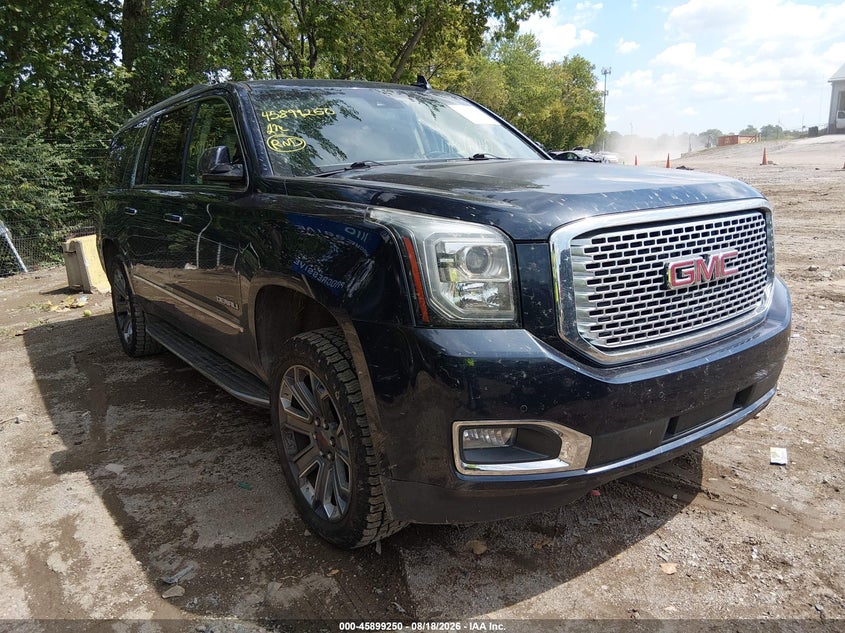
Damage map
If damage records exist for this VIN, the report shows the affected zonesTheft, liens and title
Checks that matter for registration and resaleRecorded condition
What the source noted about the car as it stands- Runs and drives
- Yes
- Engine starts
- Yes
- Keys available
- Yes
- Start code
- Run & Drive
History timeline
Data decoded from the VIN is shown. Records on file, if any, are in the full report.Mileage
Odometer reading as recorded at the sourceEarlier photos may be in the report
Check before you buy
Four things worth checking on any used carGMC YUKON XL DENALI specifications
- VIN
- 1GKS2HKJ4HR222589
- Make
- GMC
- Model
- YUKON XL DENALI
- Year
- 2017
- Colour
- BLUE
- Fuel
- Gasoline
- Engine
- 6.2 L
- Cylinders
- 8
- Power
- 420 hp
- Transmission
- Automatic
- Drive
- 4x4
- Recorded odometer
- 174 171 mi
- Recorded damage
- Left Side
What buyers ask about the GMC YUKON XL DENALI
Was this 2017 GMC YUKON XL DENALI damaged before?
The damage in the specifications is what the source noted at the time. Earlier accidents and repairs on file for VIN 1GKS2HKJ4HR222589, if any, are in the full report.
Can I trust the odometer reading of 174 171 mi?
It is the figure as recorded, not verified. Compare it with the earlier readings in the full report: they can only go up, so a drop points to a wound-back odometer.
In which countries was this car registered?
Registrations abroad seldom reach local registers. If this car was registered in other countries, the full report names them.
Who sells the report, and what does it cost?
An independent partner, selected automatically for each VIN by our system from analytical data. The partner shows the price before you pay; we may earn a commission.
VIN 1GKS2HKJ4HR222589: history
This GMC Yukon XL Denali was built in 2017. The car runs on petrol. There is an automatic gearbox, with four-wheel drive. The specification is taken from the source data.
The record gives the mileage as 174,171 miles. The figure is in miles and needs converting before it is compared with kilometres: one mile is about 1.6 km. Averaged over the car’s age, the mileage works out well above the usual annual distance, and wear on the suspension, brakes and interior should be judged with that in mind. A single figure proves little: what makes a mileage believable is a series of readings that rise steadily over the years.
In the source data, the main issue is damage to the left side. Two cars with the same damage label can be very different: one needs a few new parts, the other major work. Some damage shows its consequences only later: corroded connectors and electrical faults can surface months afterwards.
The car is recorded as running and driving. A key is on file for the car.
A clean title is on file for this car. With a clean title the car can be registered and insured in the usual way.
A car’s history answers three questions: who kept it, how it was looked after and what went wrong along the way. What a car has been through is seldom visible at first glance, and a respray can make even a badly damaged car look sound.
An engine that has had its oil changed on time is far less likely to cause trouble later, and workshop invoices are the proof. On a petrol engine, spark plugs, ignition coils and the cooling system are the routine items a service history should cover. The automatic gearbox needs its fluid changed at the manufacturer’s intervals, and invoices should show that it was.
The VIN is a 17-character code assigned at the factory: it identifies the manufacturer, the model and its variant, and ends with a serial number unique to the car. For this car, the VIN is 1GKS2HKJ4HR222589. The VIN usually appears at the base of the windscreen, on a door pillar and stamped into the body, and all of them should match the documents.
What a history report can list depends on what has been documented about the car: registrations, mileage readings, damage, branded titles and theft reports. A repair paid for in cash at a small workshop leaves no trace in any database, so no report can list it. A professional inspection makes sense whatever the paperwork shows, because no report measures corrosion, worn bushes or a poor repair. The next step is to look up the history behind VIN 1GKS2HKJ4HR222589.
Similar GMC YUKON XL DENALI cars
All GMC cars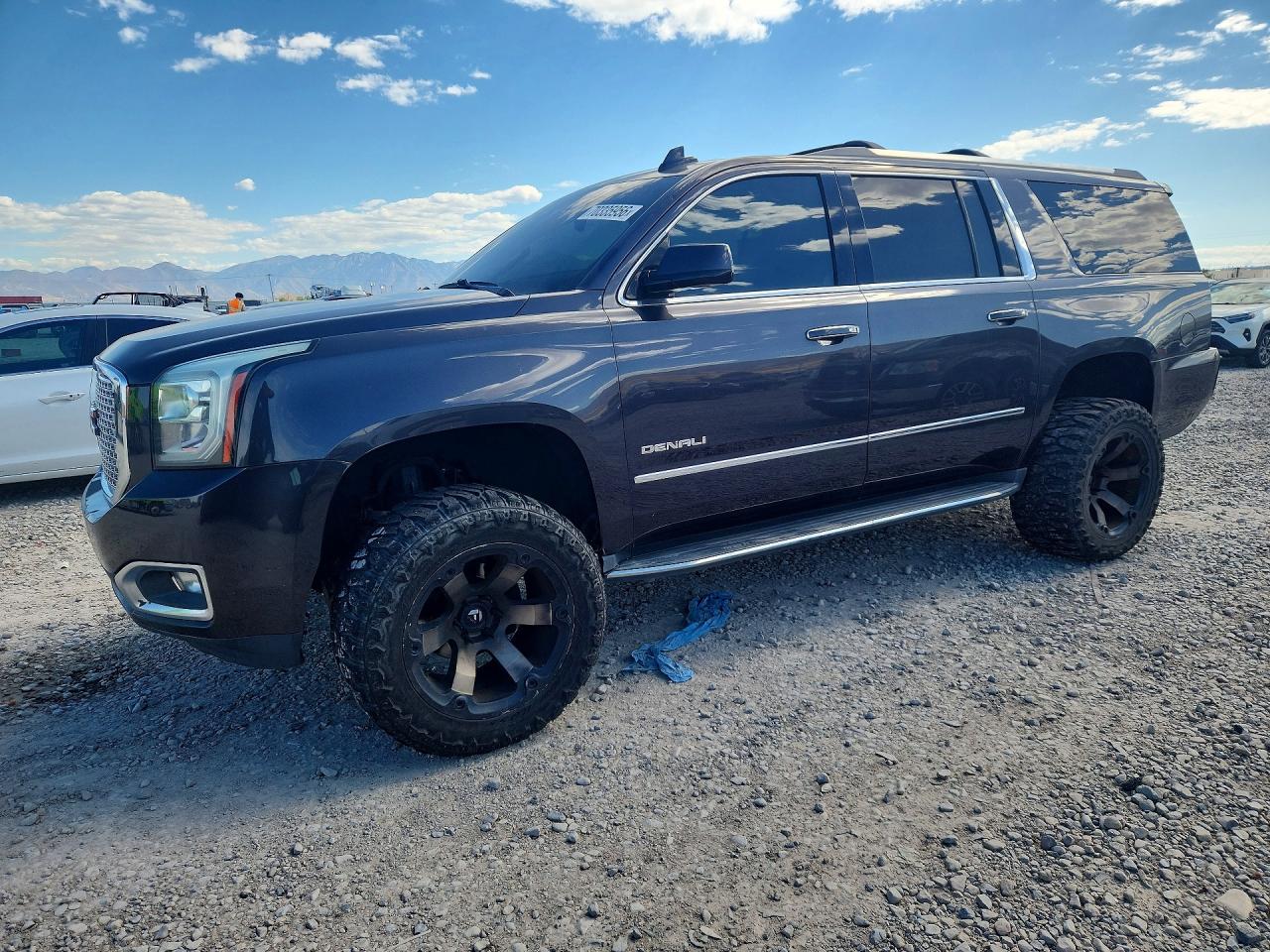 2016 GMC YUKON XL DENALI
1GKS2H•••••••1542
6.2 gasoline · Automatic
Check history
2016 GMC YUKON XL DENALI
1GKS2H•••••••1542
6.2 gasoline · Automatic
Check history
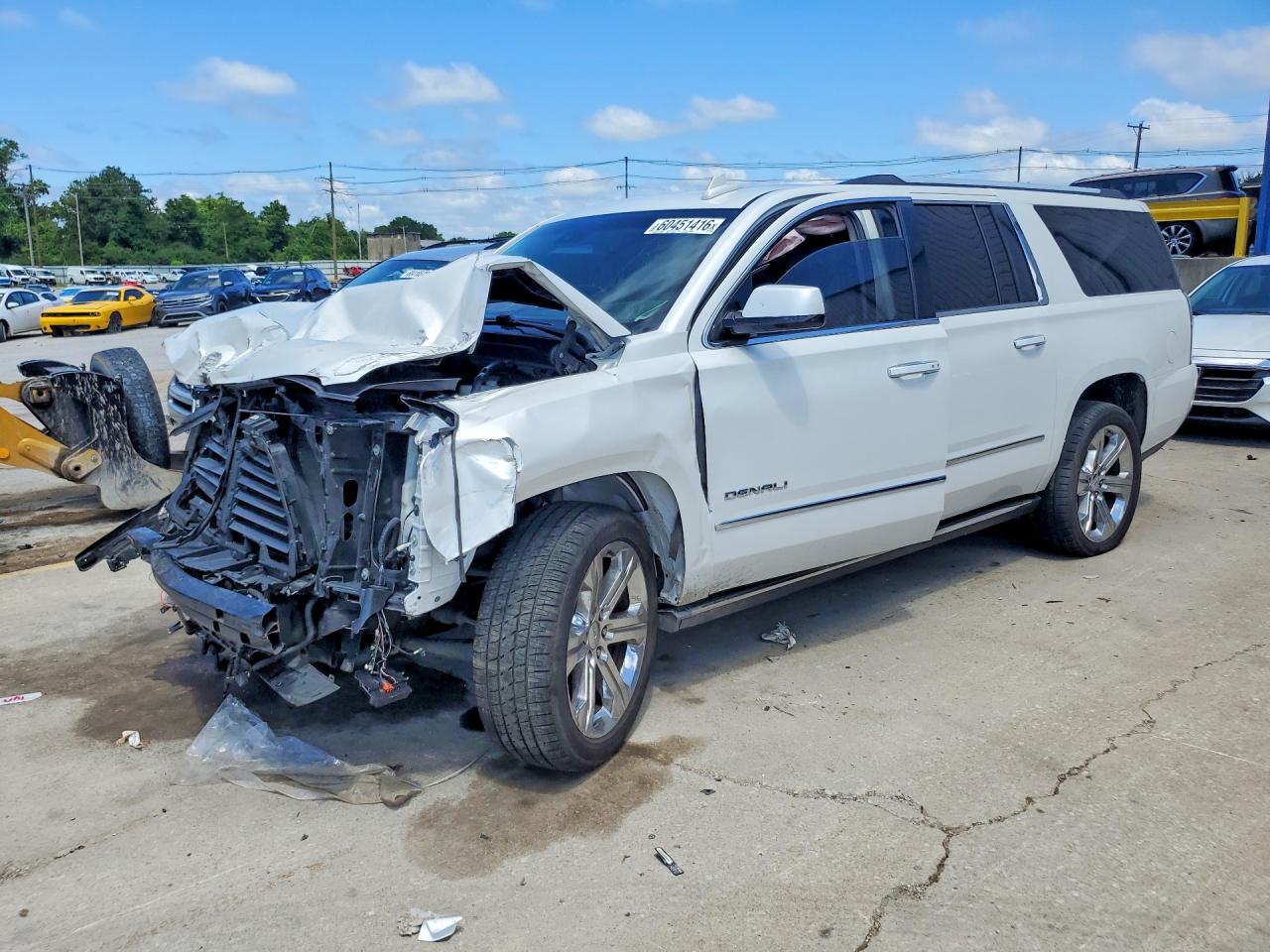 2018 GMC YUKON XL DENALI
1GKS2H•••••••8891
6.2 gasoline · Automatic
Check history
2018 GMC YUKON XL DENALI
1GKS2H•••••••8891
6.2 gasoline · Automatic
Check history
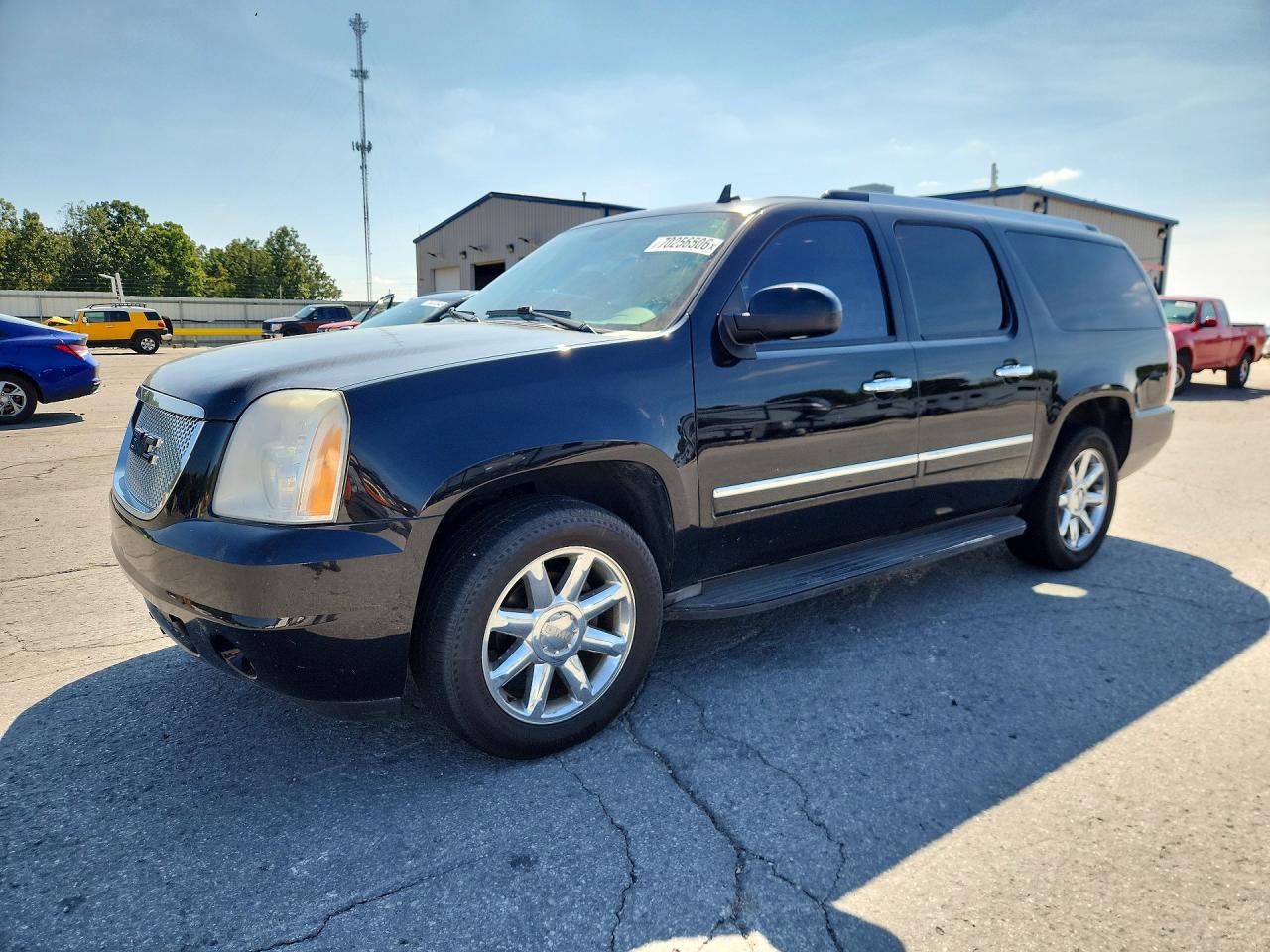 2011 GMC YUKON XL DENALI
1GKS2M•••••••1054
6.2 flex fuel · Automatic
Check history
2011 GMC YUKON XL DENALI
1GKS2M•••••••1054
6.2 flex fuel · Automatic
Check history
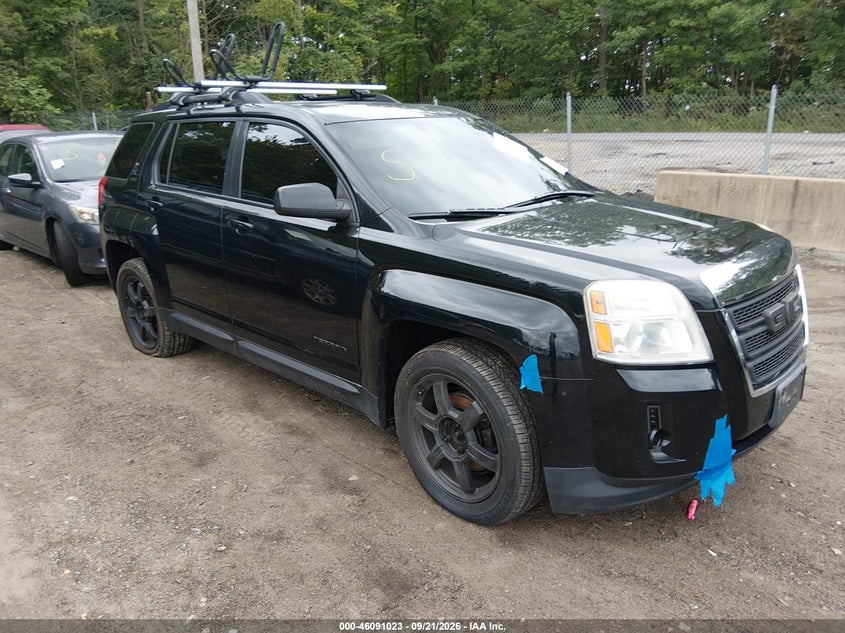 2010 GMC TERRAIN SLT-1
2CTFLG•••••••5174
3.0 gasoline · Automatic
Check history
2010 GMC TERRAIN SLT-1
2CTFLG•••••••5174
3.0 gasoline · Automatic
Check history