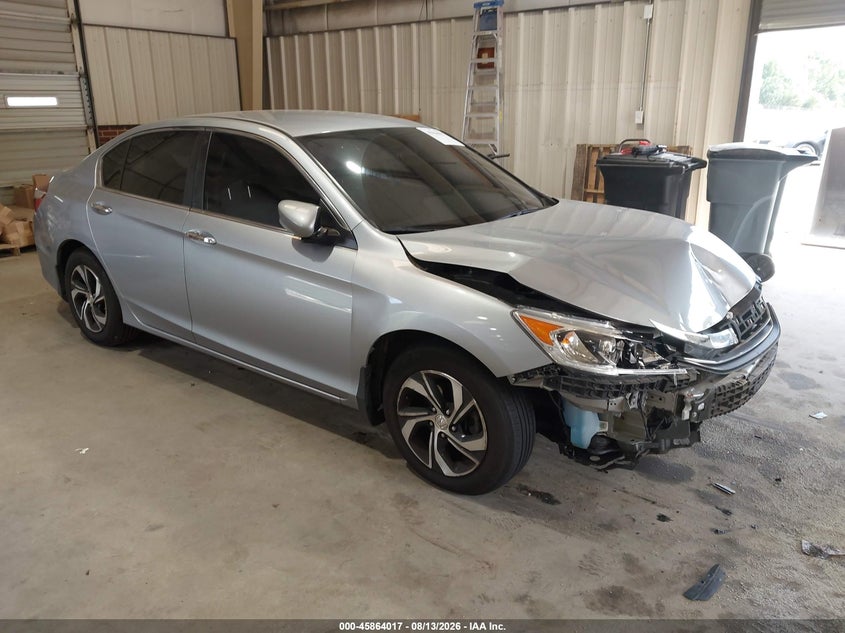
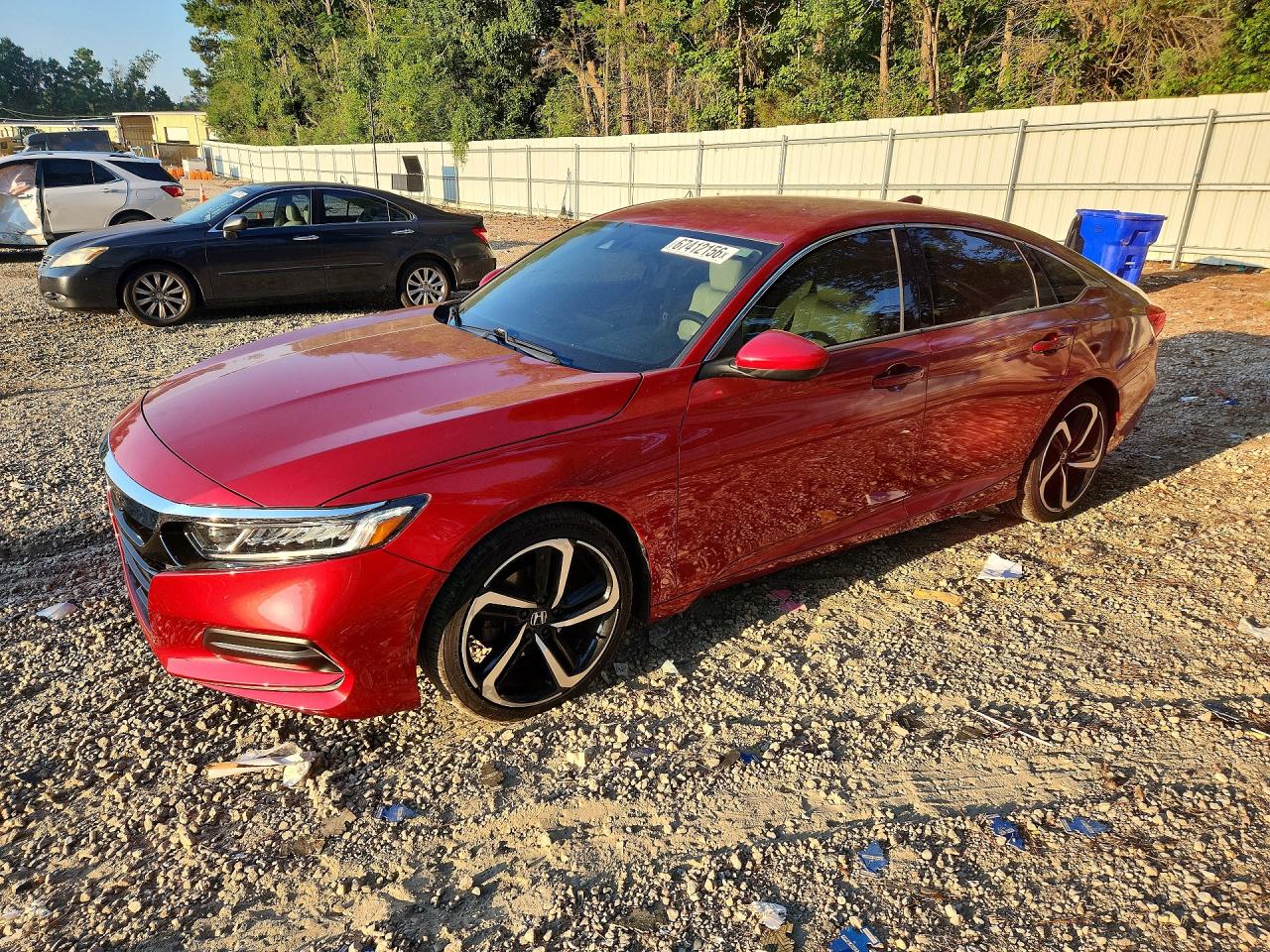
2019 HONDA ACCORD LX VIN 1HGCV1F15KA113719

Damage map
If damage records exist for this VIN, the report shows the affected zonesTheft, liens and title
Checks that matter for registration and resaleRecorded condition
What the source noted about the car as it stands- Keys available
- Yes
- Start code
- Enhanced
History timeline
Data decoded from the VIN is shown. Records on file, if any, are in the full report.Mileage
Odometer reading as recorded at the sourceEarlier photos may be in the report
Check before you buy
Four things worth checking on any used carHONDA ACCORD LX specifications
- VIN
- 1HGCV1F15KA113719
- Make
- HONDA
- Model
- ACCORD LX
- Year
- 2019
- Colour
- BLUE
- Fuel
- Gasoline
- Engine
- 1.5 L
- Cylinders
- 4
- Power
- 192 hp
- Transmission
- CVT
- Drive
- FWD
- Recorded damage
- UNDERCARRIAGE
What buyers ask about the HONDA ACCORD LX
Was this 2019 HONDA ACCORD LX damaged before?
The damage in the specifications is what the source noted at the time. Earlier accidents and repairs on file for VIN 1HGCV1F15KA113719, if any, are in the full report.
In which countries was this car registered?
Registrations abroad seldom reach local registers. If this car was registered in other countries, the full report names them.
Who sells the report, and what does it cost?
An independent partner, selected automatically for each VIN by our system from analytical data. The partner shows the price before you pay; we may earn a commission.
VIN 1HGCV1F15KA113719: history
This record covers a 2019 Honda Accord LX, finished in blue. The fuel is petrol. Power reaches the wheels through a CVT gearbox. Details for this car come from a single data source and may differ from its documents.
Gaps of several years between logged figures deserve attention, as does any reading lower than the one before it. Older figures usually turn up on service invoices, inspection reports and past title paperwork.
The main issue noted for this car is underbody damage. A damage type says what kind of damage the car had, not how serious it was or whether it has been repaired since. With underbody damage on file, the inspection should start with the floor pan, the fuel and brake lines and the exhaust.
A key was there when the car was checked. A condition note describes the car at one moment; months of standing or later work on the car can change the picture in either direction.
A clean title is on file for this car. With a clean title the car can be registered and insured in the usual way.
A car’s history is the sum of what has happened to it since it was new, and most of it has left a trace on paper somewhere. Pieces of a car’s history sit with registries, dealers, workshops and insurance companies, and none of them sees the whole picture. A clean, polished car can still hide a serious accident, a flood or years of hard use.
For the engine, the service history matters most: oil changes, filters and the timing belt or chain are the entries to look for. On a petrol engine, a rough idle, misfires or a warning light on the dashboard need looking into. The CVT gearbox should respond smoothly and without delay; jerks, slipping or hesitation on a test drive need investigating.
The ninth character of the VIN is a check digit calculated from the other sixteen, so a mistyped or invented number does not add up. This car’s identification number is 1HGCV1F15KA113719. Scratches, fresh paint or a replaced plate around the VIN markings are warning signs in their own right.
A VIN report shows what has been logged: earlier registrations, odometer figures, damage entries, branded titles and theft checks, wherever such data exists. The absence of an entry is not proof that nothing happened; it may only mean that nobody wrote it down. A VIN check and a physical inspection answer different questions: the first says what happened to the car, the second what condition it is in now. Look up the history of VIN 1HGCV1F15KA113719 first, and let what it shows guide the inspection.