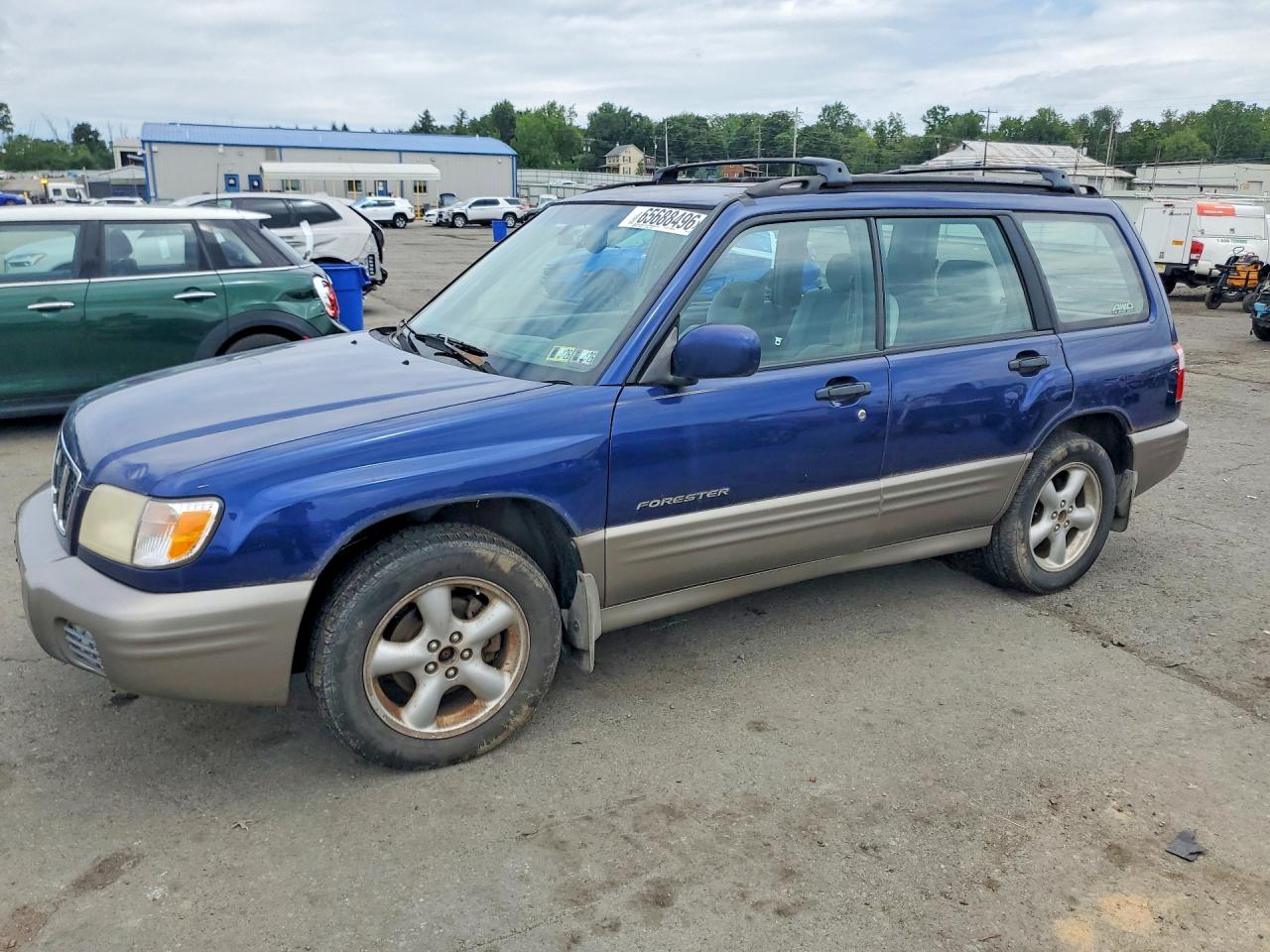
2002 SUBA FORESTER VIN 1JP1SF65522872311
Damage map
If damage records exist for this VIN, the report shows the affected zonesTheft, liens and title
Checks that matter for registration and resaleRecorded condition
What the source noted about the car as it stands- Runs and drives
- Yes
- Engine starts
- Yes
- Keys available
- Yes
- Start code
- Run & Drive
History timeline
Data decoded from the VIN is shown. Records on file, if any, are in the full report.Mileage
Odometer reading as recorded at the sourceEarlier photos may be in the report
Check before you buy
Four things worth checking on any used carSUBA FORESTER specifications
- VIN
- 1JP1SF65522872311
- Make
- SUBA
- Model
- FORESTER
- Year
- 2002
- Colour
- BLUE
- Transmission
- Automatic
- Recorded odometer
- 145 765 mi
- Recorded damage
- Normal Wear
What buyers ask about the SUBA FORESTER
Was this 2002 SUBA FORESTER damaged before?
The damage in the specifications is what the source noted at the time. Earlier accidents and repairs on file for VIN 1JP1SF65522872311, if any, are in the full report.
Can I trust the odometer reading of 145 765 mi?
It is the figure as recorded, not verified. Compare it with the earlier readings in the full report: they can only go up, so a drop points to a wound-back odometer.
In which countries was this car registered?
Registrations abroad seldom reach local registers. If this car was registered in other countries, the full report names them.
Who sells the report, and what does it cost?
An independent partner, selected automatically for each VIN by our system from analytical data. The partner shows the price before you pay; we may earn a commission.
VIN 1JP1SF65522872311: history
This entry is for a 2002 Suba Forester, finished in blue. Power reaches the wheels through an automatic gearbox.
At the time of recording, the car had covered 145,765 miles. A clock converted from miles to kilometres should be documented, since the swap can hide the true mileage. Turning back an odometer takes little skill and leaves no visible trace, which is why earlier figures matter more than the display. A service book or a folder of workshop invoices is the simplest place to find past readings.
No primary damage is given in the record for this car, which is not the same as proof that it has never been damaged. Signs of an old repair – uneven panel gaps, overspray, a slight mismatch in paint – can still turn up at an inspection.
At the time of recording, the car ran and drove. A key was there when the car was checked. Condition notes are a snapshot: the car may have been worked on, stripped of parts or left standing since.
Title status in the record: clean. A clean title is a good sign, though it says nothing about wear, maintenance or how the car was driven.
Behind every used car lies a string of events: who owned it and for how long, what the inspections found and which repairs and claims were made. No single office holds the whole story of a car: registries, workshops, insurance companies and lenders each keep their own part. Much of a car’s past cannot be seen: a good body repair leaves no obvious mark, and neither do years of hard driving.
The automatic gearbox should respond smoothly and without delay; jerks, slipping or hesitation on a test drive need investigating.
The tenth character of the VIN stands for the model year, and the eleventh for the plant that built the car. This car’s identification number is 1JP1SF65522872311. Scratches, fresh paint or a replaced plate around the VIN markings are warning signs in their own right.
A VIN report shows what has been logged: earlier registrations, odometer figures, damage entries, branded titles and theft checks, wherever such data exists. The absence of an entry is not proof that nothing happened; it may only mean that nobody wrote it down. A VIN check and a physical inspection answer different questions: the first says what happened to the car, the second what condition it is in now. For this 2002 Suba Forester, the sensible next step is a history check on VIN 1JP1SF65522872311.