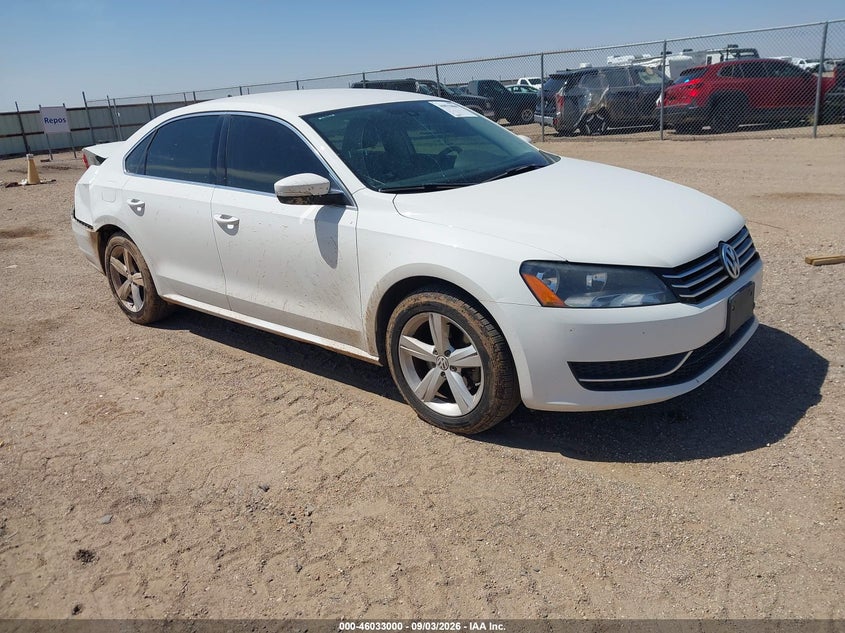
2015 VOLKSWAGEN PASSAT 1.8T SE VIN 1VWBS7A36FC021654
Damage map
If damage records exist for this VIN, the report shows the affected zonesTheft, liens and title
Checks that matter for registration and resaleRecorded condition
What the source noted about the car as it stands- Runs and drives
- Yes
- Engine starts
- Yes
- Keys available
- Yes
- Start code
- Run & Drive
History timeline
Data decoded from the VIN is shown. Records on file, if any, are in the full report.Mileage
Odometer reading as recorded at the sourceEarlier photos may be in the report
Check before you buy
Four things worth checking on any used carVOLKSWAGEN PASSAT 1.8T SE specifications
- VIN
- 1VWBS7A36FC021654
- Make
- VOLKSWAGEN
- Model
- PASSAT 1.8T SE
- Year
- 2015
- Colour
- WHITE
- Fuel
- Gasoline
- Engine
- 1.8 L
- Cylinders
- 4
- Power
- 170 hp
- Transmission
- Automatic
- Drive
- FWD
- Recorded odometer
- 139 089 mi
- Recorded damage
- Rear
What buyers ask about the VOLKSWAGEN PASSAT 1.8T SE
Was this 2015 VOLKSWAGEN PASSAT 1.8T SE damaged before?
The damage in the specifications is what the source noted at the time. Earlier accidents and repairs on file for VIN 1VWBS7A36FC021654, if any, are in the full report.
Can I trust the odometer reading of 139 089 mi?
It is the figure as recorded, not verified. Compare it with the earlier readings in the full report: they can only go up, so a drop points to a wound-back odometer.
In which countries was this car registered?
Registrations abroad seldom reach local registers. If this car was registered in other countries, the full report names them.
Who sells the report, and what does it cost?
An independent partner, selected automatically for each VIN by our system from analytical data. The partner shows the price before you pay; we may earn a commission.
VIN 1VWBS7A36FC021654: history
This Volkswagen Passat 1.8T SE was built in 2015. The drivetrain combines an automatic gearbox with front-wheel drive. The petrol engine has four cylinders. The specification is taken from the source data and has not been checked against other documents.
At the time of recording, the car had covered 139,089 miles. Miles and kilometres are easy to confuse, and a distance in miles looks lower than the same distance in kilometres. Services and inspections note the distance covered, so a car with an ordinary past builds up a trail of figures that climb year after year. Older figures usually turn up on service invoices, inspection reports and past title paperwork.
Primary damage in the record: rear end. A damage entry is a starting point for the inspection, telling the mechanic where to look first. Whatever the cause, a diagnostic scan of the car’s electronics shows fault codes that a visual check misses.
The car is recorded as running and driving. A key was present. Running condition describes a single moment, and standing or work done since can change it.
Title status in the record: salvage. A title like this is issued when repair was judged uneconomical or unsafe.
A car’s history is the sum of what has happened to it since it was new, and most of it has left a trace on paper somewhere. Pieces of a car’s history sit with registries, dealers, workshops and insurance companies, and none of them sees the whole picture. A clean, polished car can still hide a serious accident, a flood or years of hard use.
For the engine, the service history matters most: oil changes, filters and the timing belt or chain are the entries to look for. A petrol engine in good order starts cleanly, idles evenly and pulls without hesitation. Automatic transmissions, CVTs included, are expensive to repair, so the test drive should include pulling away from a standstill and a stretch at motorway speed.
A vehicle identification number has 17 characters: the first three name the manufacturer, the next six describe the model and its specification, and the last eight identify the individual car. The record gives the VIN as 1VWBS7A36FC021654. The number in the car’s documents should match the one stamped into the body and the one on the plate at the base of the windscreen.
Where entries exist, a VIN check can show changes of owner, past mileage readings, reported damage and whether the car is listed as stolen. No report is complete: a repair done privately and never claimed on insurance leaves nothing to find. A history report says nothing about the car’s present condition: the frame, corrosion, electrics and the quality of any repair are judged on a lift by a mechanic. Look up the history of VIN 1VWBS7A36FC021654 first, and let what it shows guide the inspection.
Similar VOLKSWAGEN PASSAT 1.8T SE cars
All VOLKSWAGEN cars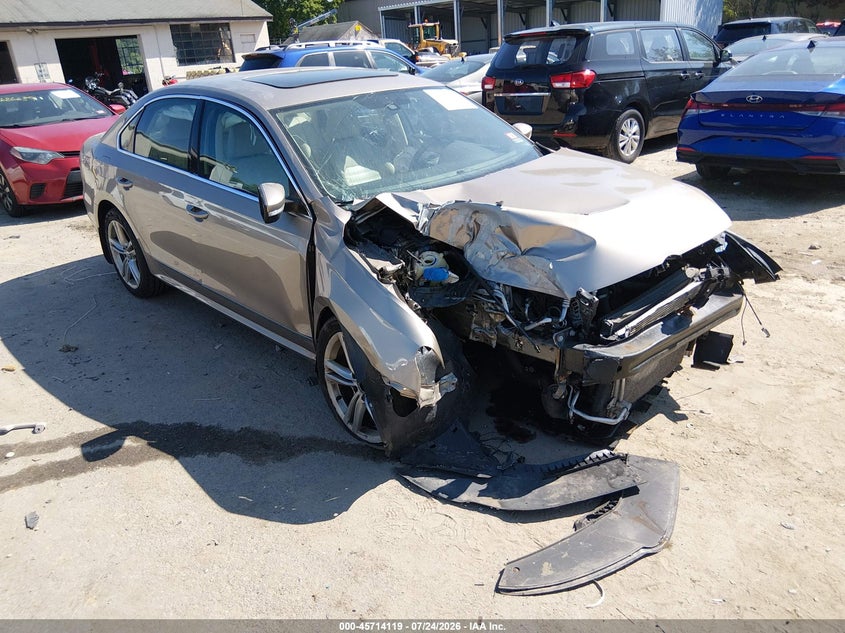 2015 VOLKSWAGEN PASSAT 1.8T SE
1VWBT7•••••••6697
1.8 gasoline · Automatic
Check history
2015 VOLKSWAGEN PASSAT 1.8T SE
1VWBT7•••••••6697
1.8 gasoline · Automatic
Check history
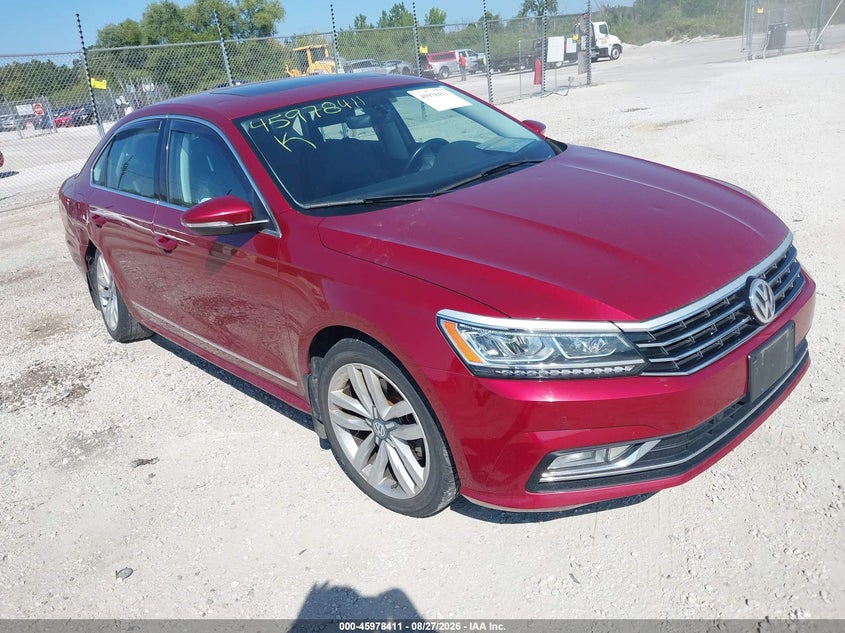 2017 VOLKSWAGEN PASSAT 1.8T SE
1VWGT7•••••••2730
1.8 gasoline · Automatic
Check history
2017 VOLKSWAGEN PASSAT 1.8T SE
1VWGT7•••••••2730
1.8 gasoline · Automatic
Check history
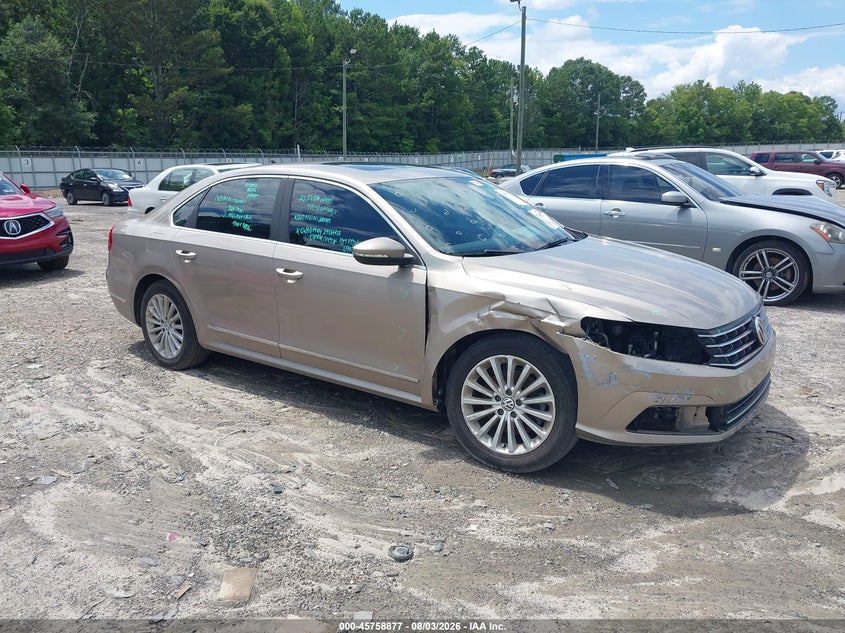 2016 VOLKSWAGEN PASSAT 1.8T SE
1VWBS7•••••••1876
1.8 gasoline · Automatic
Check history
2016 VOLKSWAGEN PASSAT 1.8T SE
1VWBS7•••••••1876
1.8 gasoline · Automatic
Check history
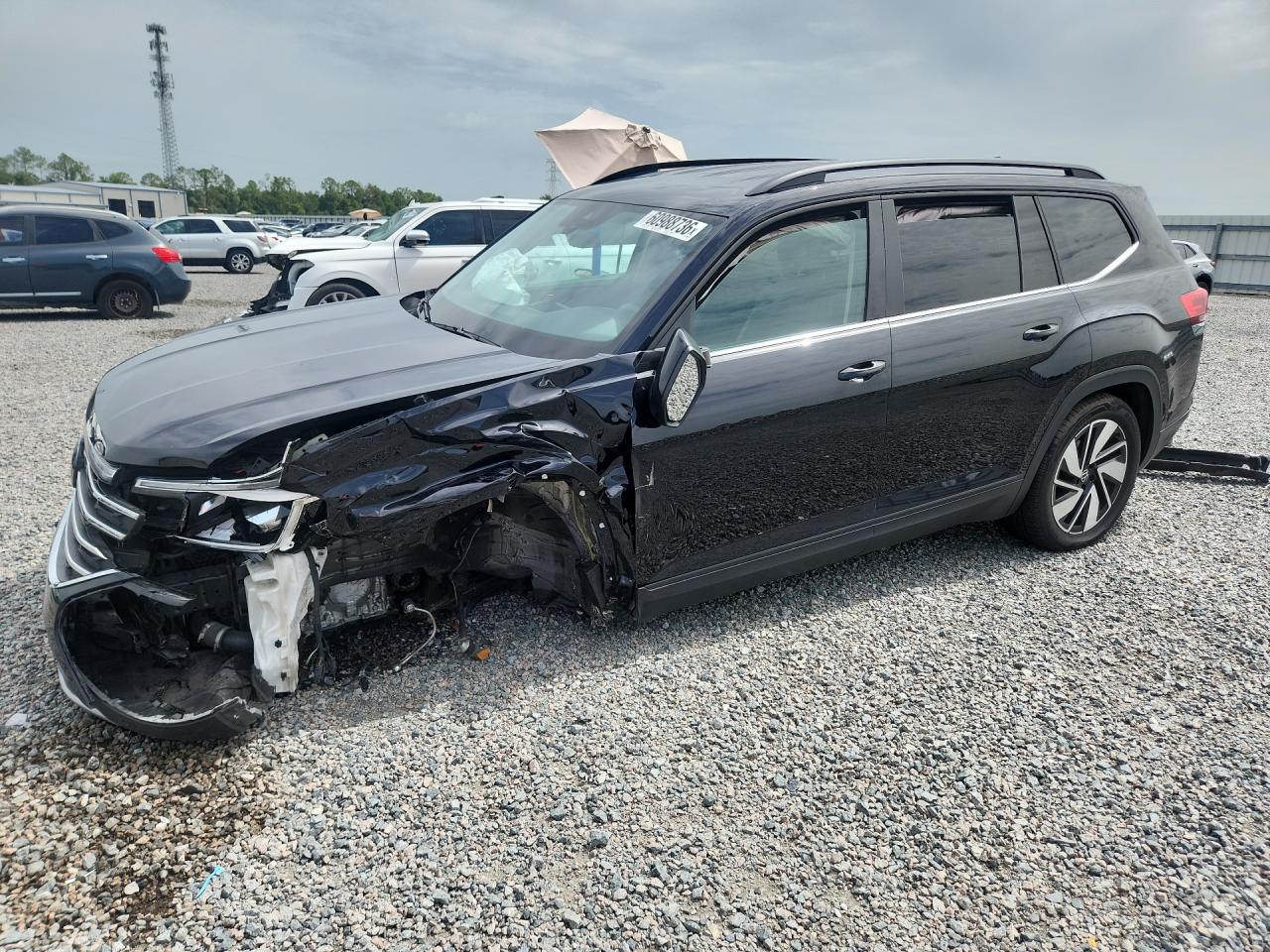 2024 VOLKSWAGEN ATLAS SE
1V2WR2•••••••6356
2.0 gasoline · Automatic
Check history
2024 VOLKSWAGEN ATLAS SE
1V2WR2•••••••6356
2.0 gasoline · Automatic
Check history