2017 FORD EDGE SE VIN 2FMPK4G98HBC21386

Damage map
If damage records exist for this VIN, the report shows the affected zonesTheft, liens and title
Checks that matter for registration and resaleRecorded condition
What the source noted about the car as it stands- Runs and drives
- Yes
- Engine starts
- Yes
- Keys available
- Yes
- Start code
- Run & Drive
History timeline
Data decoded from the VIN is shown. Records on file, if any, are in the full report.Mileage
Odometer reading as recorded at the sourceEarlier photos may be in the report
Check before you buy
Four things worth checking on any used carFORD EDGE SE specifications
- VIN
- 2FMPK4G98HBC21386
- Make
- FORD
- Model
- EDGE SE
- Year
- 2017
- Colour
- SILVER
- Fuel
- Gasoline
- Engine
- 2.0 L
- Cylinders
- 4
- Power
- 245 hp
- Transmission
- Automatic
- Drive
- AWD
- Recorded odometer
- 181 032 mi
- Recorded damage
- Minor Dent/Scratches
What buyers ask about the FORD EDGE SE
Was this 2017 FORD EDGE SE damaged before?
The damage in the specifications is what the source noted at the time. Earlier accidents and repairs on file for VIN 2FMPK4G98HBC21386, if any, are in the full report.
Can I trust the odometer reading of 181 032 mi?
It is the figure as recorded, not verified. Compare it with the earlier readings in the full report: they can only go up, so a drop points to a wound-back odometer.
In which countries was this car registered?
Registrations abroad seldom reach local registers. If this car was registered in other countries, the full report names them.
Who sells the report, and what does it cost?
An independent partner, selected automatically for each VIN by our system from analytical data. The partner shows the price before you pay; we may earn a commission.
VIN 2FMPK4G98HBC21386: history
This entry is for a 2017 Ford Edge SE, finished in silver. The engine is a 2.0-litre petrol unit with four cylinders. The drivetrain combines an automatic gearbox with all-wheel drive. The specification is taken from the source data and has not been checked against other documents.
At the time of recording, the car had covered 181,032 miles. A car that has covered this much distance for its age has worked hard, and a mechanic should judge the wear accordingly. Services and inspections note the distance covered, so a car with an ordinary past builds up a trail of figures that climb year after year. Older figures usually turn up on service invoices, inspection reports and past title paperwork.
The main issue noted for this car is minor dents and scratches. The damage type is a short label: the extent of the damage and the quality of any repair still have to be judged on the car. Damage rarely stays where it is first seen: an impact can reach the mountings and airbags behind a panel, and water or fire the wiring and electronics.
At the time of recording, the car ran and drove. A key was there when the car was checked.
According to the source data, the car has a clean title. A clean title is a good sign, though it says nothing about wear, maintenance or how the car was driven.
Behind every used car lies a string of events: who owned it and for how long, what the inspections found and which repairs and claims were made. The paperwork is kept by different bodies – registries, workshops, insurance companies and lenders – so the history of one car is spread across many places. Much of a car’s past cannot be seen: a good body repair leaves no obvious mark, and neither do years of hard driving.
An engine that has had its oil changed on time is far less likely to cause trouble later, and workshop invoices are the proof. On a petrol engine, a rough idle, misfires or a warning light on the dashboard need looking into. The automatic gearbox should respond smoothly and without delay; jerks, slipping or hesitation on a test drive need investigating. On a car with all-wheel drive, a whine or clunk when turning tightly at low speed needs a mechanic’s attention.
A history check works by VIN because the number never changes, unlike registration plates and owners. This car’s identification number is 2FMPK4G98HBC21386. The VIN usually appears at the base of the windscreen, on a door pillar and stamped into the body, and all of them should match the documents.
Depending on what is on file, a VIN report may include past registrations, mileage readings, damage entries, branded titles and theft checks. A repair paid for in cash at a small workshop leaves no trace in any database, so no report can list it. However complete the paperwork, only an inspection shows the condition of the body, suspension, brakes and electrics today. A history check on VIN 2FMPK4G98HBC21386 is the place to start.
Similar FORD EDGE SE cars
All FORD cars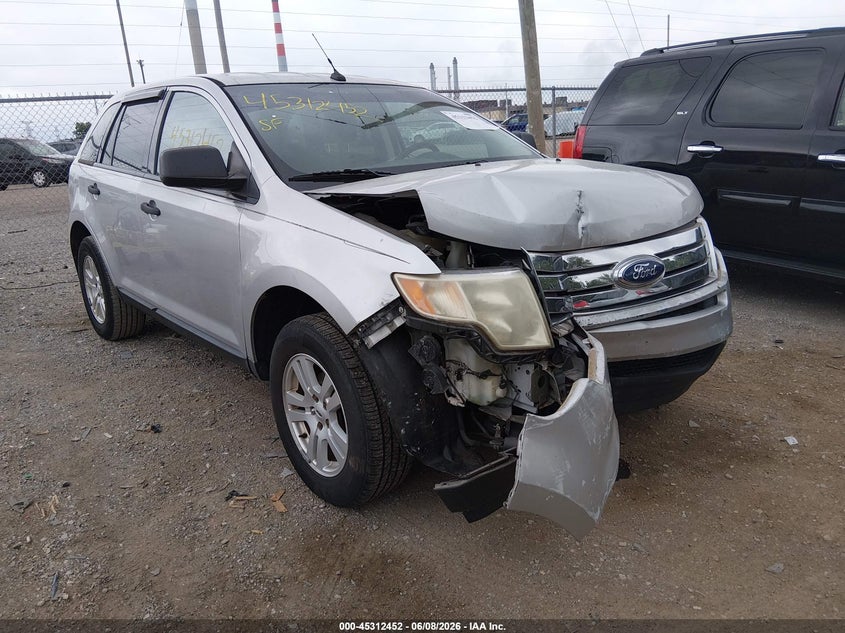 2009 FORD EDGE SE
2FMDK3•••••••5241
3.5 gasoline · Automatic
Check history
2009 FORD EDGE SE
2FMDK3•••••••5241
3.5 gasoline · Automatic
Check history
 2017 FORD EDGE SE
2FMPK4•••••••7242
2.0 gasoline · Automatic
Check history
2017 FORD EDGE SE
2FMPK4•••••••7242
2.0 gasoline · Automatic
Check history
 2013 FORD EDGE SE
2FMDK3•••••••3937
3.5 gasoline · Automatic
Check history
2013 FORD EDGE SE
2FMDK3•••••••3937
3.5 gasoline · Automatic
Check history
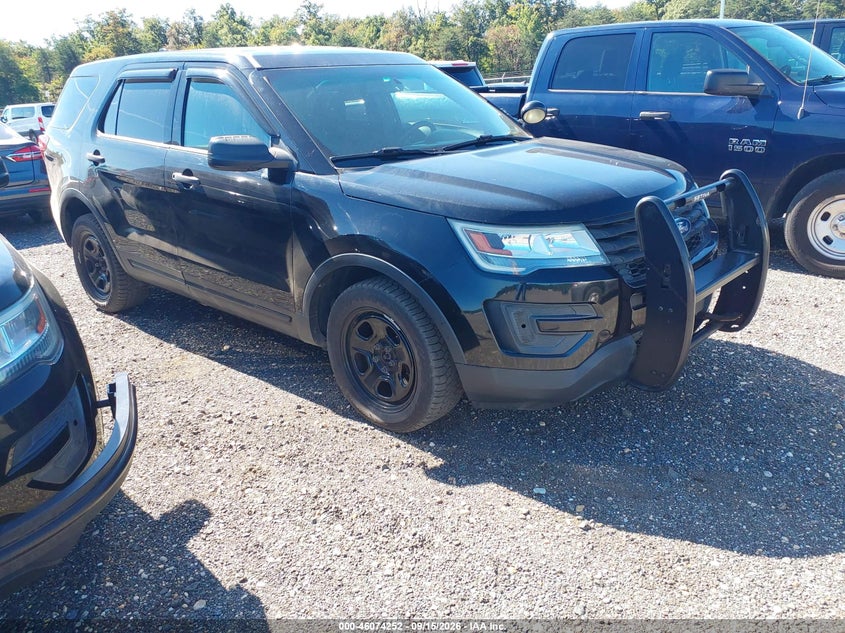 2016 FORD UTILITY POLICE INTERCEPTOR
1FM5K8•••••••5082
3.7 gasoline · Automatic
Check history
2016 FORD UTILITY POLICE INTERCEPTOR
1FM5K8•••••••5082
3.7 gasoline · Automatic
Check history