2010 CHEVROLET CAMARO LT VIN 2G1FC1EV2A9151059
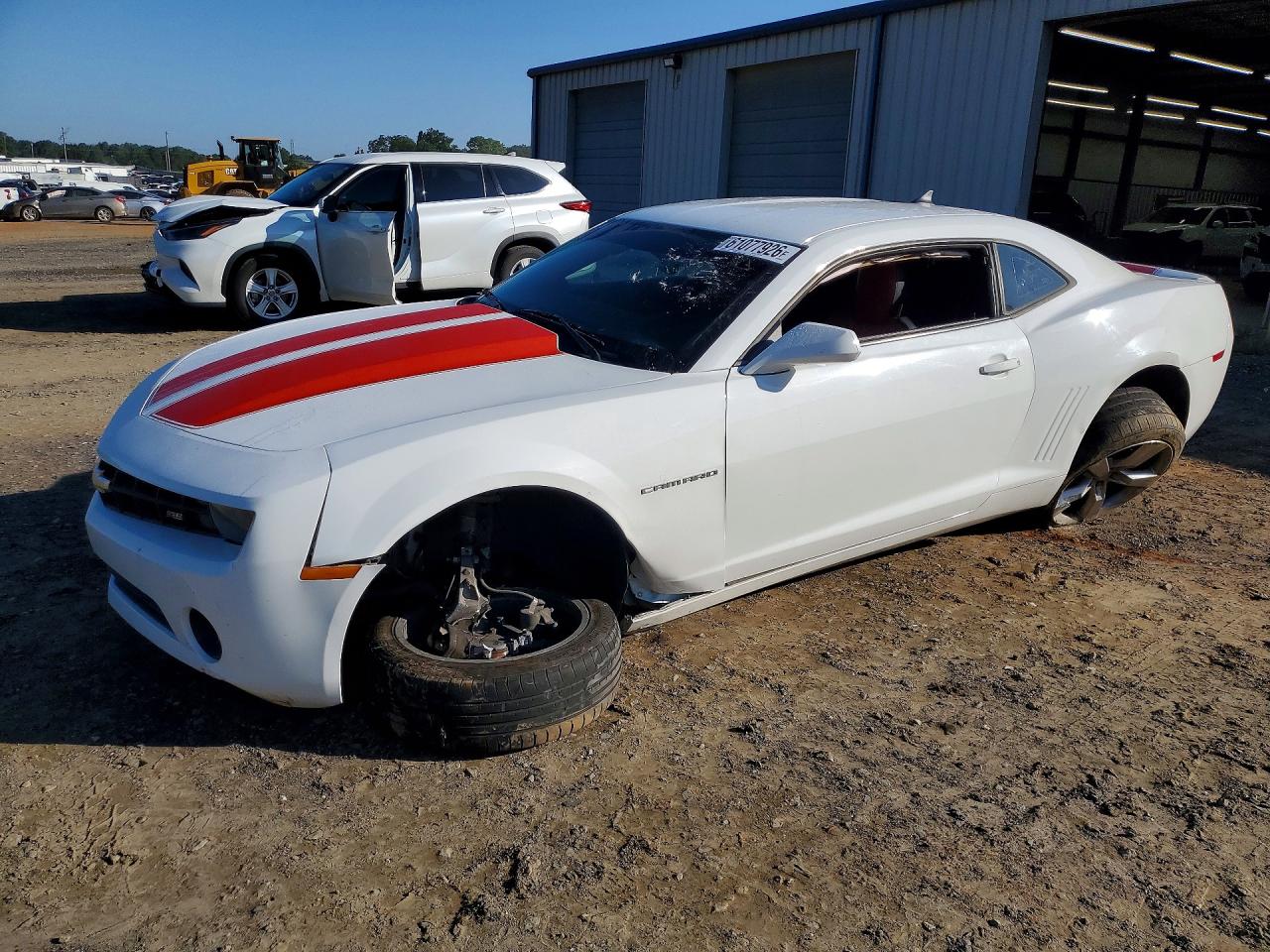
Damage map
If damage records exist for this VIN, the report shows the affected zonesTheft, liens and title
Checks that matter for registration and resaleRecorded condition
What the source noted about the car as it stands- Runs and drives
- No
- Engine starts
- Yes
- Keys available
- Yes
- Start code
- Starts
History timeline
Data decoded from the VIN is shown. Records on file, if any, are in the full report.Mileage
Odometer reading as recorded at the sourceEarlier photos may be in the report
Check before you buy
Four things worth checking on any used carCHEVROLET CAMARO LT specifications
- VIN
- 2G1FC1EV2A9151059
- Make
- CHEVROLET
- Model
- CAMARO LT
- Year
- 2010
- Colour
- WHITE
- Fuel
- Gasoline
- Engine
- 3.6 L
- Cylinders
- 6
- Transmission
- Automatic
- Drive
- RWD
- Recorded odometer
- 135 660 mi
- Recorded damage
- Front End
What buyers ask about the CHEVROLET CAMARO LT
Was this 2010 CHEVROLET CAMARO LT damaged before?
The damage in the specifications is what the source noted at the time. Earlier accidents and repairs on file for VIN 2G1FC1EV2A9151059, if any, are in the full report.
Can I trust the odometer reading of 135 660 mi?
It is the figure as recorded, not verified. Compare it with the earlier readings in the full report: they can only go up, so a drop points to a wound-back odometer.
In which countries was this car registered?
Registrations abroad seldom reach local registers. If this car was registered in other countries, the full report names them.
Who sells the report, and what does it cost?
An independent partner, selected automatically for each VIN by our system from analytical data. The partner shows the price before you pay; we may earn a commission.
VIN 2G1FC1EV2A9151059: history
This Chevrolet Camaro LT is a 2010 model, finished in white. Under the bonnet is a 3.6-litre petrol engine. The gearbox is automatic, with rear-wheel drive. The specification is taken from the source data.
The record gives the mileage as 135,660 miles. A clock converted from miles to kilometres should be documented, since the swap can hide the true mileage. The number on the clock proves little by itself; earlier figures logged at services and inspections are what make it believable.
Primary damage in the record: front end. Two cars with the same damage label can be very different: one needs a few new parts, the other major work. Whatever the cause, a diagnostic scan of the car’s electronics shows fault codes that a visual check misses.
When it was checked, the car could not be driven. The engine started, although the car is not confirmed as drivable. A key is on file for the car. Running condition describes a single moment, and standing or work done since can change it.
A salvage title is on file for this car. Titles of this type are issued to cars declared a total loss.
Registrations, changes of owner, inspection results and accident claims together make up what is called a car’s history. The paperwork is kept by different bodies – registries, workshops, insurance companies and lenders – so the history of one car is spread across many places. A car’s past rarely shows on the paintwork: a well-repaired accident or water damage that was dried out is easy to miss.
Regular oil changes and timely work on the timing belt or chain decide how well an engine copes with age. On a petrol engine, spark plugs, ignition coils and the cooling system are the routine items a service history should cover. While the car does not run, stored fault codes and a look at the fluid are the only early evidence of how the automatic gearbox has fared.
The VIN is a 17-character code assigned at the factory: it identifies the manufacturer, the model and its variant, and ends with a serial number unique to the car. For this car, the VIN is 2G1FC1EV2A9151059. Scratches, fresh paint or a replaced plate around the VIN markings are warning signs in their own right.
Where entries exist, a VIN check can show changes of owner, past mileage readings, reported damage and whether the car is listed as stolen. A repair paid for in cash at a small workshop leaves no trace in any database, so no report can list it. A professional inspection makes sense whatever the paperwork shows, because no report measures corrosion, worn bushes or a poor repair. A history check on VIN 2G1FC1EV2A9151059 is the place to start.
Similar CHEVROLET CAMARO LT cars
All CHEVROLET cars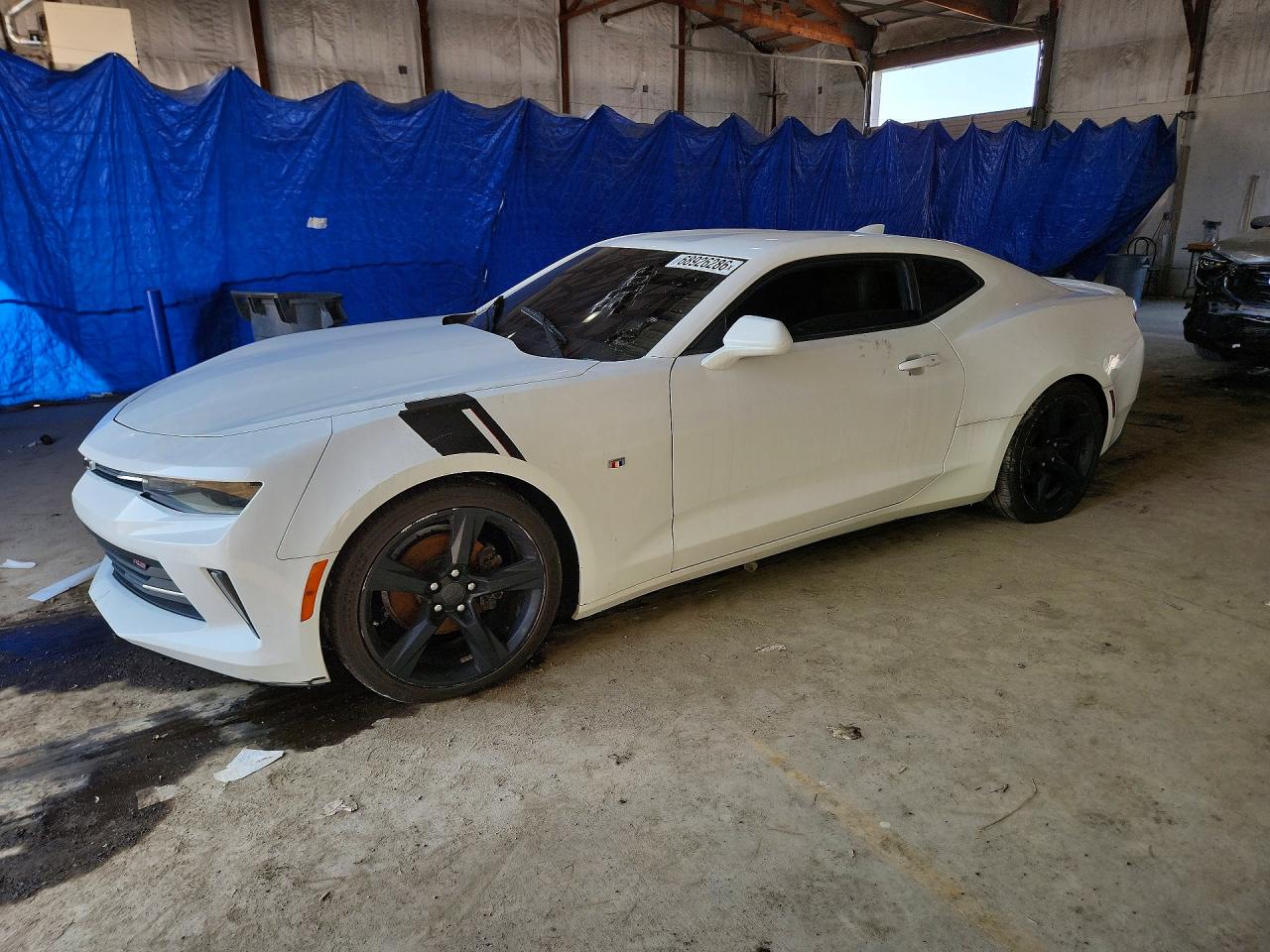 2017 CHEVROLET CAMARO LT
1G1FD1•••••••3694
2.0 gasoline · Automatic
Check history
2017 CHEVROLET CAMARO LT
1G1FD1•••••••3694
2.0 gasoline · Automatic
Check history
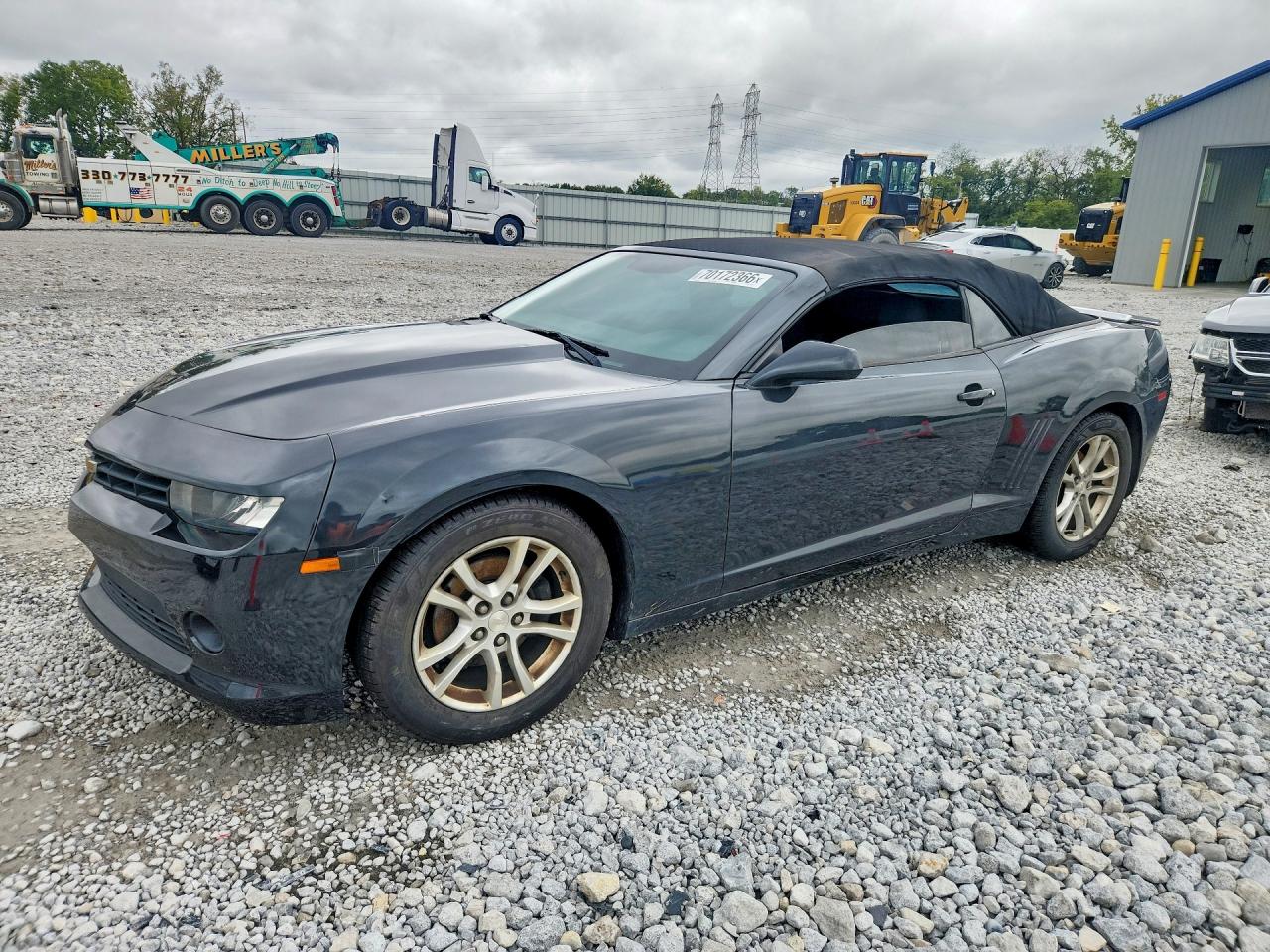 2015 CHEVROLET CAMARO LT
2G1FD3•••••••6102
3.6 gasoline · Automatic
Check history
2015 CHEVROLET CAMARO LT
2G1FD3•••••••6102
3.6 gasoline · Automatic
Check history
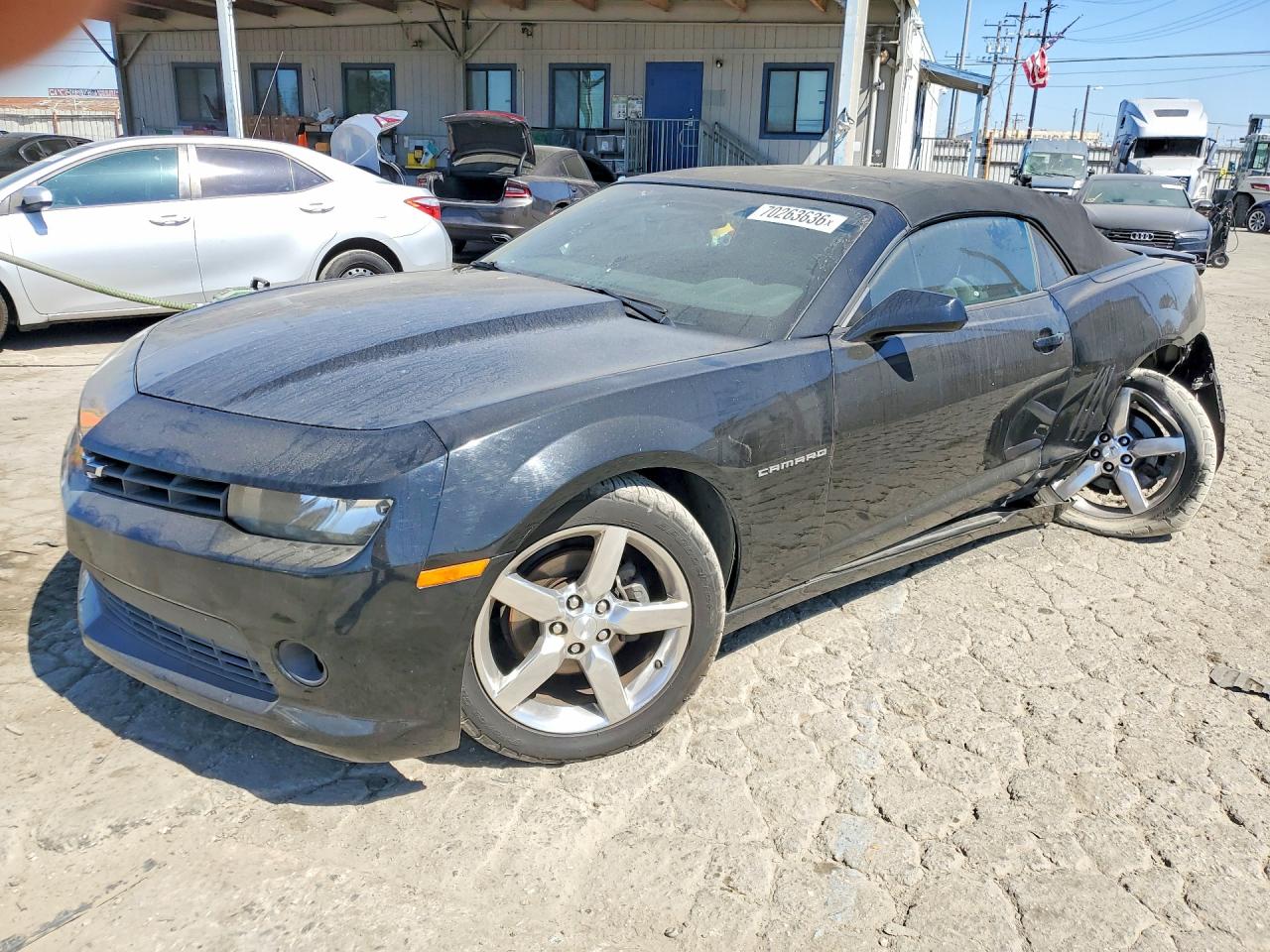 2014 CHEVROLET CAMARO LT
2G1FB3•••••••2583
3.6 gasoline · Automatic
Check history
2014 CHEVROLET CAMARO LT
2G1FB3•••••••2583
3.6 gasoline · Automatic
Check history
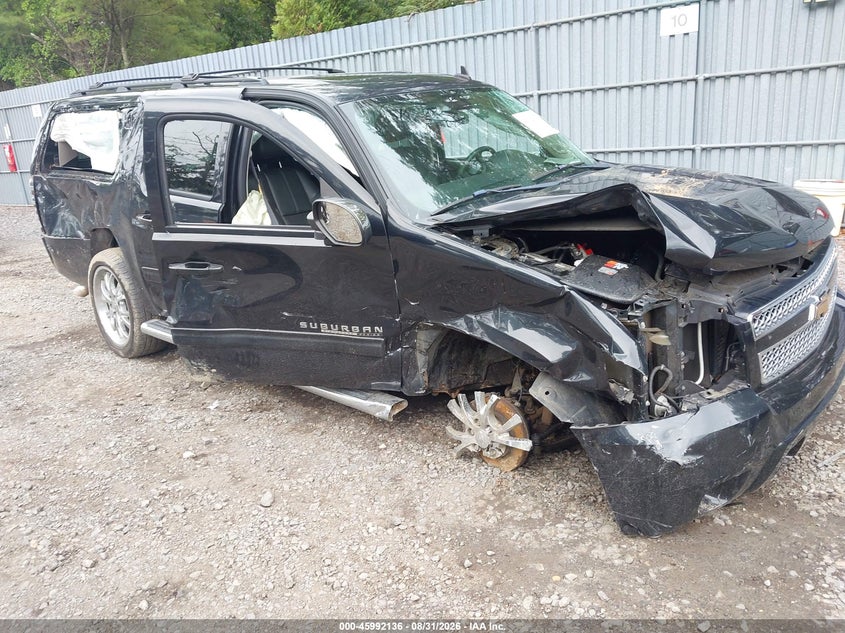 2011 CHEVROLET SUBURBAN 1500 LT1
1GNSKJ•••••••4907
5.3 flex fuel · Automatic
Check history
2011 CHEVROLET SUBURBAN 1500 LT1
1GNSKJ•••••••4907
5.3 flex fuel · Automatic
Check history