2017 CHEVROLET EQUINOX LT VIN 2GNALCEK8H1523779

Damage map
If damage records exist for this VIN, the report shows the affected zonesTheft, liens and title
Checks that matter for registration and resaleRecorded condition
What the source noted about the car as it stands- Runs and drives
- No
- Engine starts
- No
- Keys available
- Yes
- Start code
- Stationary
History timeline
Data decoded from the VIN is shown. Records on file, if any, are in the full report.Mileage
Odometer reading as recorded at the sourceEarlier photos may be in the report
Check before you buy
Four things worth checking on any used carCHEVROLET EQUINOX LT specifications
- VIN
- 2GNALCEK8H1523779
- Make
- CHEVROLET
- Model
- EQUINOX LT
- Year
- 2017
- Colour
- WHITE
- Fuel
- Gasoline
- Engine
- 2.4 L
- Cylinders
- 4
- Power
- 182 hp
- Transmission
- Automatic
- Drive
- FWD
- Recorded odometer
- 166 285 mi
- Recorded damage
- Front End
What buyers ask about the CHEVROLET EQUINOX LT
Was this 2017 CHEVROLET EQUINOX LT damaged before?
The damage in the specifications is what the source noted at the time. Earlier accidents and repairs on file for VIN 2GNALCEK8H1523779, if any, are in the full report.
Can I trust the odometer reading of 166 285 mi?
It is the figure as recorded, not verified. Compare it with the earlier readings in the full report: they can only go up, so a drop points to a wound-back odometer.
In which countries was this car registered?
Registrations abroad seldom reach local registers. If this car was registered in other countries, the full report names them.
Who sells the report, and what does it cost?
An independent partner, selected automatically for each VIN by our system from analytical data. The partner shows the price before you pay; we may earn a commission.
VIN 2GNALCEK8H1523779: history
This Chevrolet Equinox LT is a 2017 model, finished in white. The gearbox is automatic, with front-wheel drive. Under the bonnet is a 2.4-litre petrol engine producing 182 hp. Every figure for this car is given as it appears in the source data.
At the time of recording, the car had covered 166,285 miles. Because the clock counts miles, any figure noted in kilometres has to be converted before the two can be compared. A car that has covered this much distance for its age has worked hard, and a mechanic should judge the wear accordingly. The number on the clock proves little by itself; earlier figures logged at services and inspections are what make it believable. Figures carry most weight when they come from independent sources: workshops, inspection stations and past title paperwork.
In the source data, the main issue is front-end damage. Two cars with the same damage label can be very different: one needs a few new parts, the other major work.
A car that does not run has to be moved on a trailer, and its real condition is known only after a thorough assessment. An engine that will not start could have a simple electrical fault or internal damage, and only diagnostic work can tell which. A key was present. Condition notes are a snapshot: the car may have been worked on, stripped of parts or left standing since.
A salvage title is on file for this car. A title of this kind usually means the car was written off as a total loss after damage. If any work has been done on the car since, photos and invoices should show what was replaced.
A car’s history is the sum of what has happened to it since it was new, and most of it has left a trace on paper somewhere. No single office holds the whole story of a car: registries, workshops, insurance companies and lenders each keep their own part. What a car has been through is seldom visible at first glance, and a respray can make even a badly damaged car look sound.
Regular oil changes and timely work on the timing belt or chain decide how well an engine copes with age. On a petrol engine, spark plugs, ignition coils and the cooling system are the routine items a service history should cover. On a car that does not run, the automatic gearbox cannot be judged on the road; the colour and smell of its fluid and a diagnostic scan give the first clues.
The ninth character of the VIN is a check digit calculated from the other sixteen, so a mistyped or invented number does not add up. The VIN 2GNALCEK8H1523779 belongs to this 2017 Chevrolet Equinox LT.
Where entries exist, a VIN check can show changes of owner, past mileage readings, reported damage and whether the car is listed as stolen. A repair paid for in cash at a small workshop leaves no trace in any database, so no report can list it. A VIN check and a physical inspection answer different questions: the first says what happened to the car, the second what condition it is in now. Look up the history of VIN 2GNALCEK8H1523779 first, and let what it shows guide the inspection.
Similar CHEVROLET EQUINOX LT cars
All CHEVROLET cars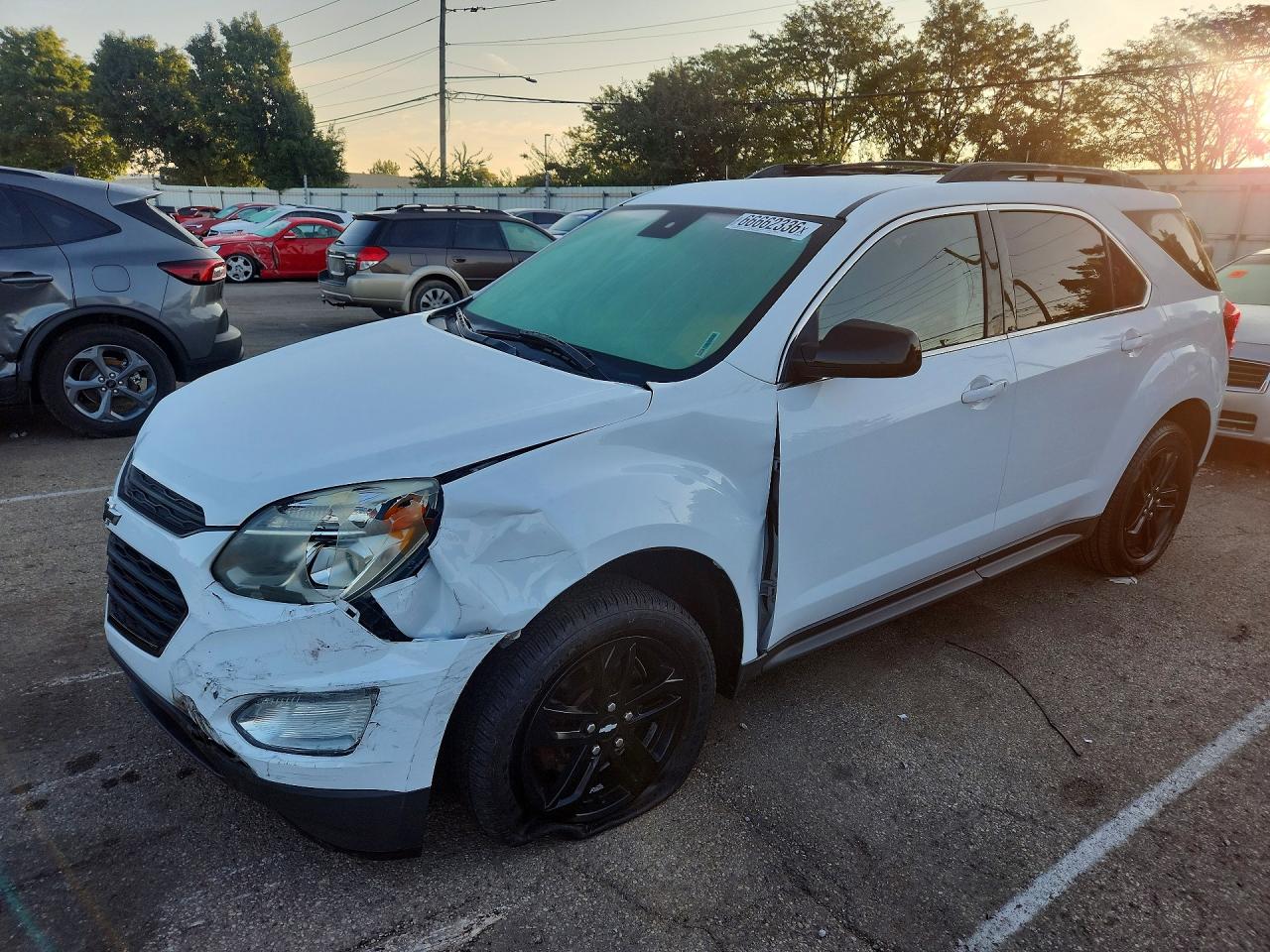 2017 CHEVROLET EQUINOX LT
2GNALC•••••••9997
2.4 gasoline · Automatic
Check history
2017 CHEVROLET EQUINOX LT
2GNALC•••••••9997
2.4 gasoline · Automatic
Check history
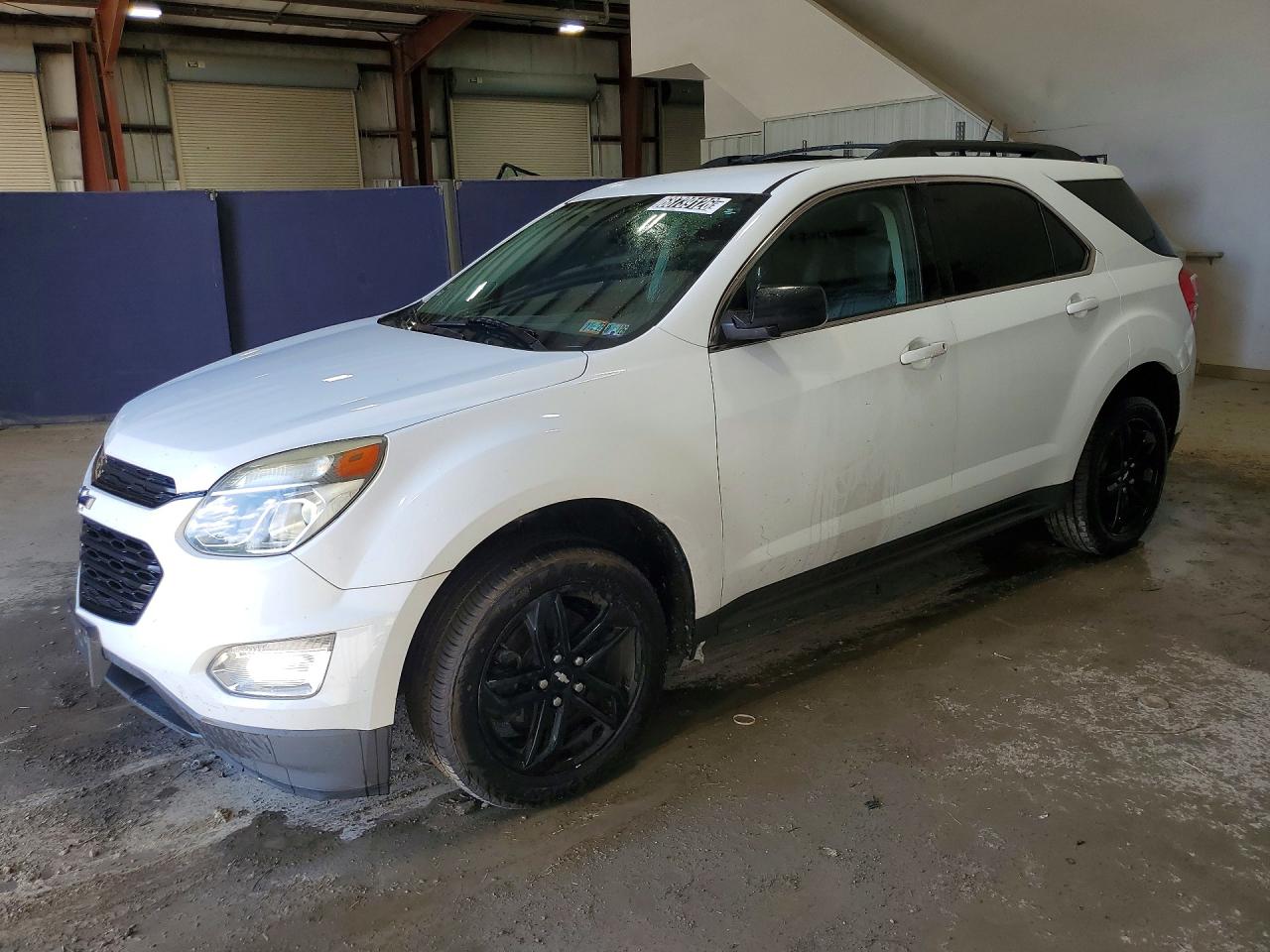 2017 CHEVROLET EQUINOX LT
2GNALC•••••••2605
2.4 gasoline · Automatic
Check history
2017 CHEVROLET EQUINOX LT
2GNALC•••••••2605
2.4 gasoline · Automatic
Check history
 2016 CHEVROLET EQUINOX LT
2GNFLF•••••••5158
2.4 gasoline · Automatic
Check history
2016 CHEVROLET EQUINOX LT
2GNFLF•••••••5158
2.4 gasoline · Automatic
Check history
 2021 CHEVROLET EQUINOX LT
3GNAXJ•••••••1394
1.5 gasoline · Automatic
Check history
2021 CHEVROLET EQUINOX LT
3GNAXJ•••••••1394
1.5 gasoline · Automatic
Check history