2016 HONDA CIVIC EX-L VIN 2HGFC1F74GH640702
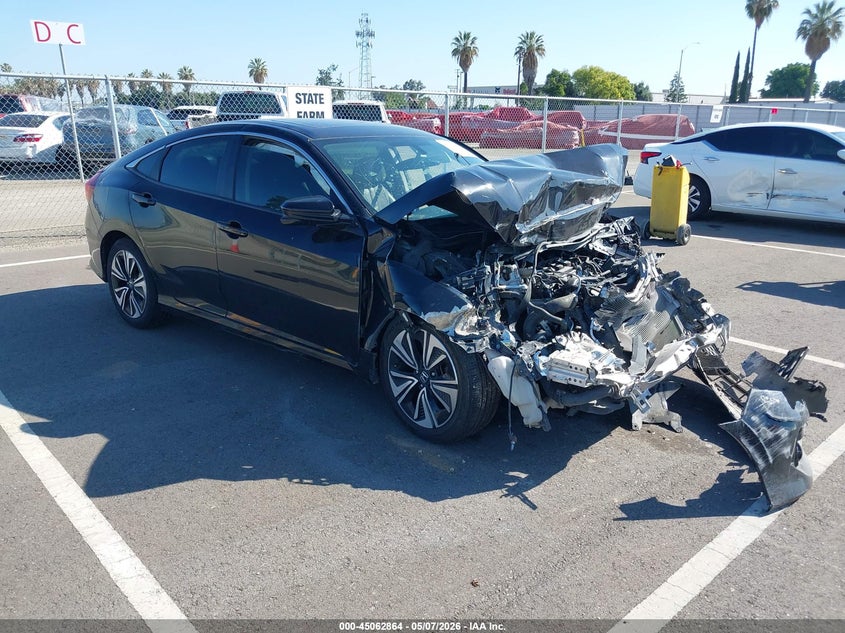
Damage map
If damage records exist for this VIN, the report shows the affected zonesTheft, liens and title
Checks that matter for registration and resaleRecorded condition
What the source noted about the car as it stands- Runs and drives
- No
- Engine starts
- No
- Keys available
- No
- Start code
- Stationary
History timeline
Data decoded from the VIN is shown. Records on file, if any, are in the full report.Mileage
Odometer reading as recorded at the sourceEarlier photos may be in the report
Check before you buy
Four things worth checking on any used carHONDA CIVIC EX-L specifications
- VIN
- 2HGFC1F74GH640702
- Make
- HONDA
- Model
- CIVIC EX-L
- Year
- 2016
- Colour
- BLACK
- Fuel
- Gasoline
- Engine
- 1.5 L
- Cylinders
- 4
- Power
- 174 hp
- Transmission
- CVT
- Drive
- FWD
- Recorded odometer
- 1 mi
- Recorded damage
- Front End
What buyers ask about the HONDA CIVIC EX-L
Was this 2016 HONDA CIVIC EX-L damaged before?
The damage in the specifications is what the source noted at the time. Earlier accidents and repairs on file for VIN 2HGFC1F74GH640702, if any, are in the full report.
Can I trust the odometer reading of 1 mi?
It is the figure as recorded, not verified. Compare it with the earlier readings in the full report: they can only go up, so a drop points to a wound-back odometer.
In which countries was this car registered?
Registrations abroad seldom reach local registers. If this car was registered in other countries, the full report names them.
Who sells the report, and what does it cost?
An independent partner, selected automatically for each VIN by our system from analytical data. The partner shows the price before you pay; we may earn a commission.
VIN 2HGFC1F74GH640702: history
This Honda Civic Ex-L is a 2016 model, finished in black. Power comes from a 1.5-litre petrol engine with four cylinders, rated at 174 hp. There is a CVT gearbox, with front-wheel drive. The specification is taken from the source data and has not been checked against other documents.
Turning back an odometer takes little skill and leaves no visible trace, which is why earlier figures matter more than the display. Service invoices and inspection reports each carry a mileage figure, and lined up in order they show whether the clock tells the truth.
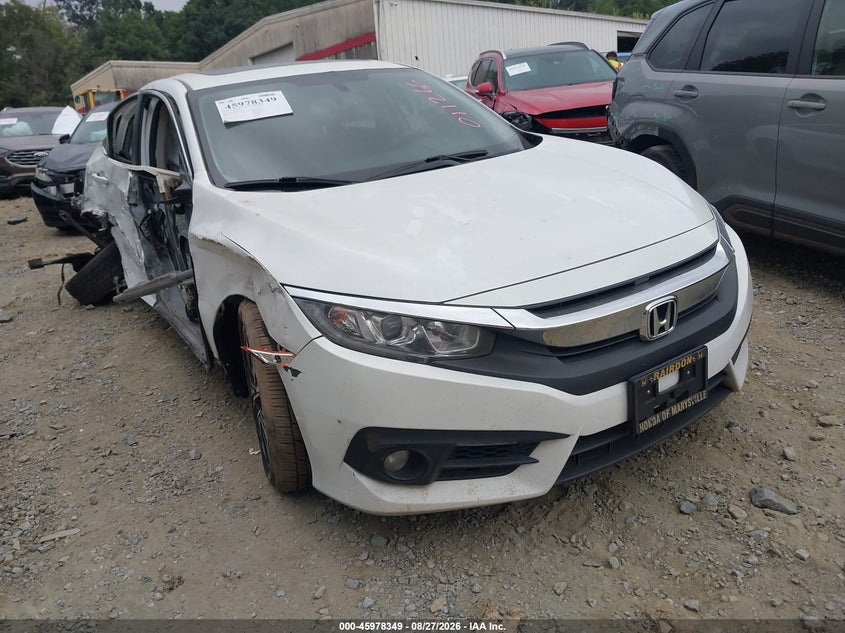
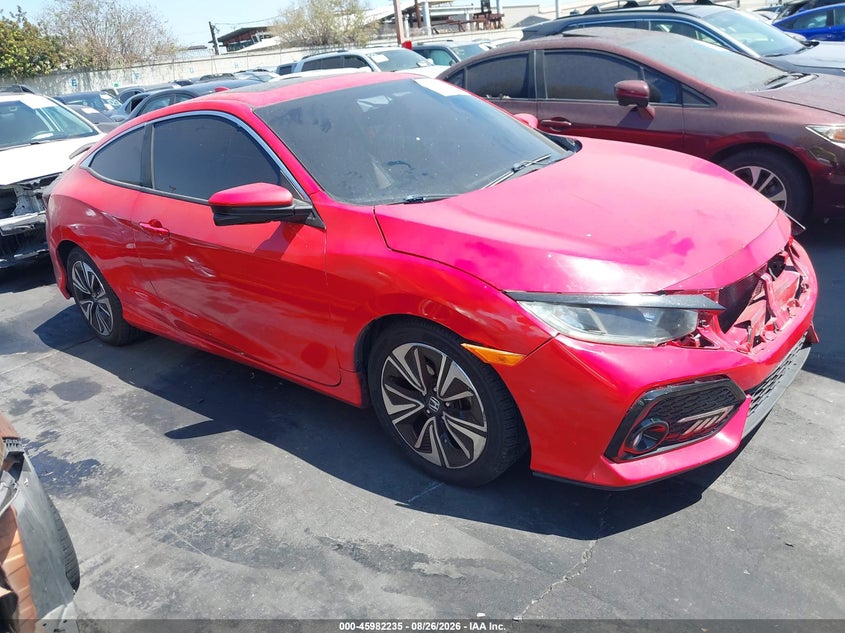
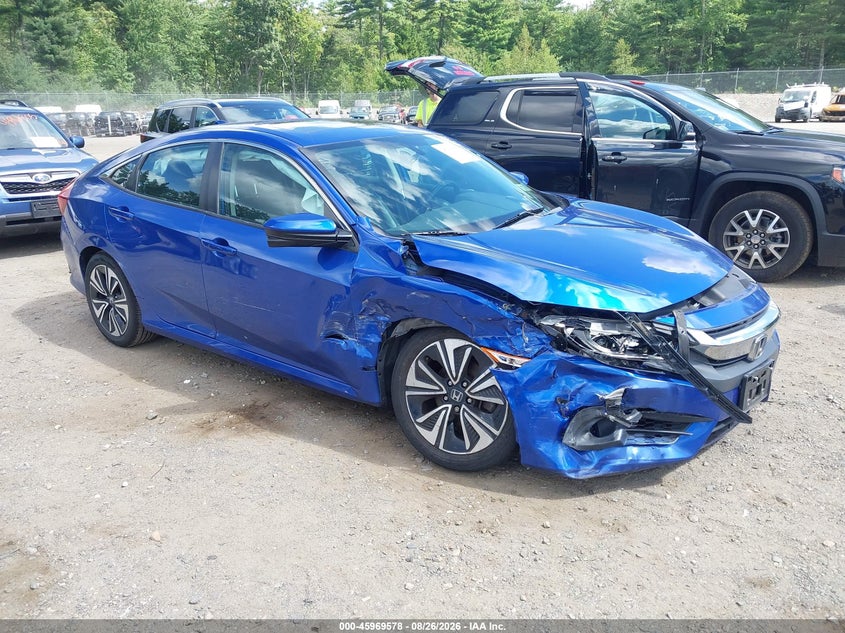
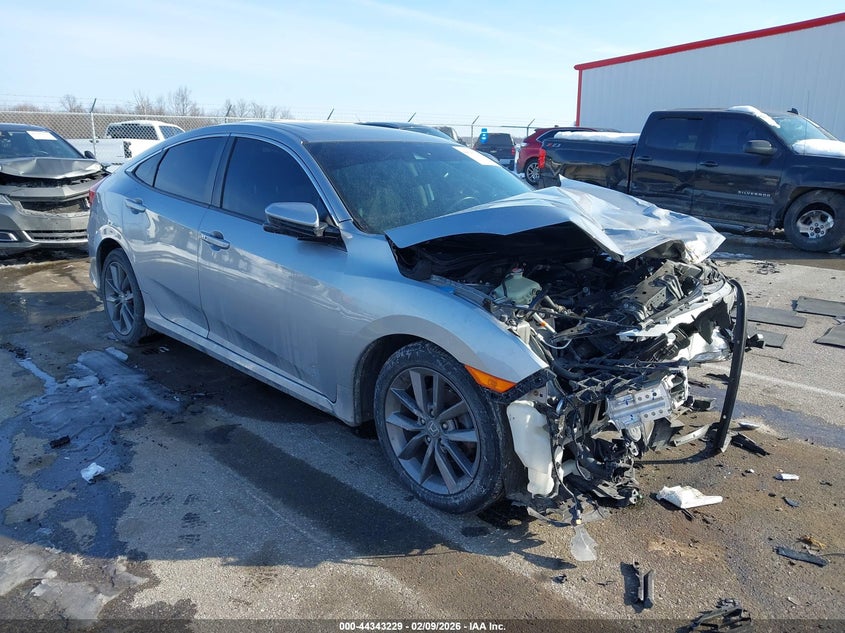
The record lists front-end damage as the main problem on this car. Two cars with the same damage label can be very different: one needs a few new parts, the other major work. Damage rarely stays where it is first seen: an impact can reach the mountings and airbags behind a panel, and water or fire the wiring and electronics.
As a non-runner, the car needs its engine, gearbox and electrics assessed before anything else. The engine would not start, which can mean anything from a flat battery to serious mechanical damage. No key is recorded with the car, and a replacement has to be coded to the immobiliser. Months of standing can leave a car with seized brakes and perished tyres.
The car carries a salvage title. At some point in its life, the car was declared a total loss. If any work has been done on the car since, photos and invoices should show what was replaced.
A car’s history answers three questions: who kept it, how it was looked after and what went wrong along the way. From the outside, a car with a repaired accident and a car without one can look identical.
For the engine, the service history matters most: oil changes, filters and the timing belt or chain are the entries to look for. Many modern petrol engines are turbocharged and direct-injected; where they are, the turbocharger and injectors belong on a specialist’s checklist. On a car that does not run, the CVT gearbox cannot be judged on the road; the colour and smell of its fluid and a diagnostic scan give the first clues.
A history check works by VIN because the number never changes, unlike registration plates and owners. The record gives the VIN as 2HGFC1F74GH640702. The number in the car’s documents should match the one stamped into the body and the one on the plate at the base of the windscreen.
What a history report can list depends on what has been documented about the car: registrations, mileage readings, damage, branded titles and theft reports. No report is complete: a repair done privately and never claimed on insurance leaves nothing to find. A history report says nothing about the car’s present condition: the frame, corrosion, electrics and the quality of any repair are judged on a lift by a mechanic. Look up the history of VIN 2HGFC1F74GH640702 first, and let what it shows guide the inspection.