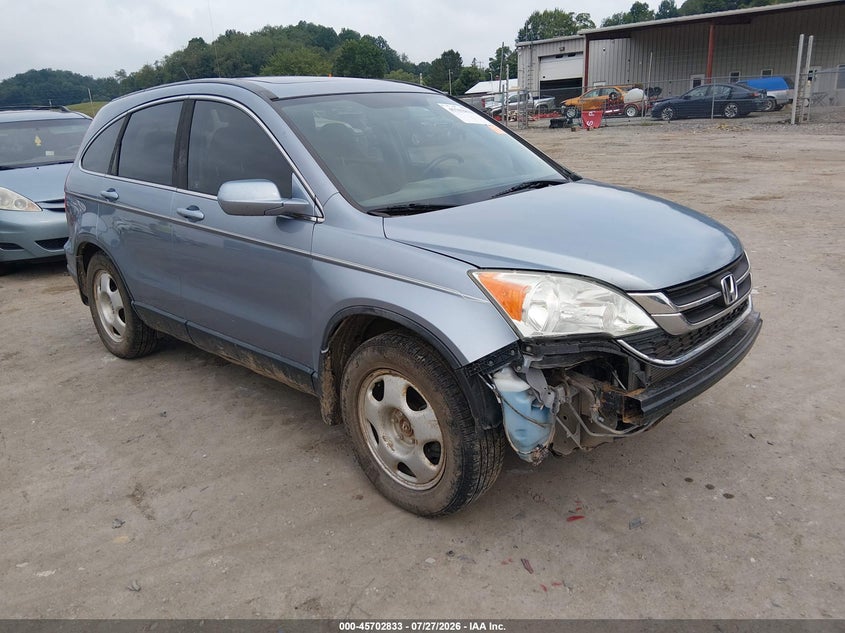
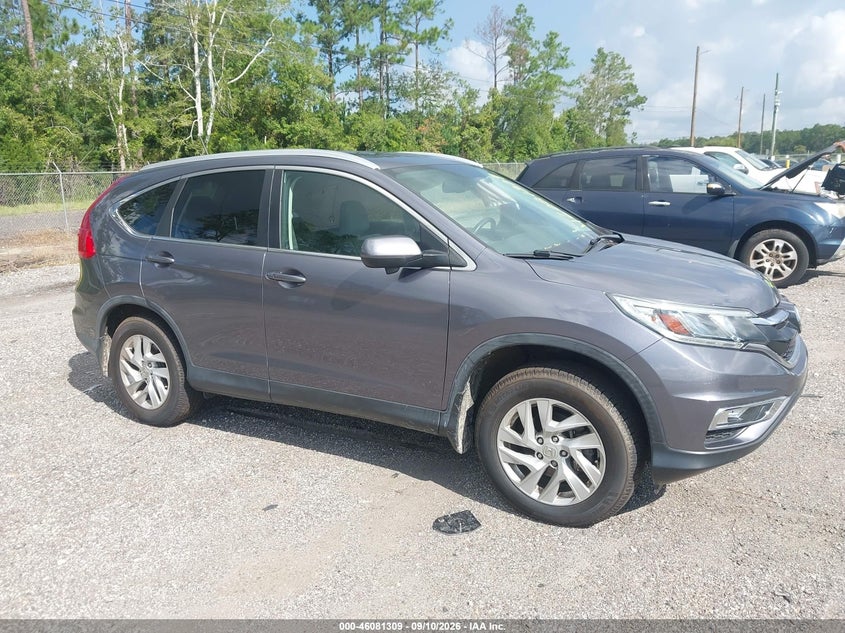
2014 HONDA CR-V EX-L VIN 2HKRM3H70EH501284
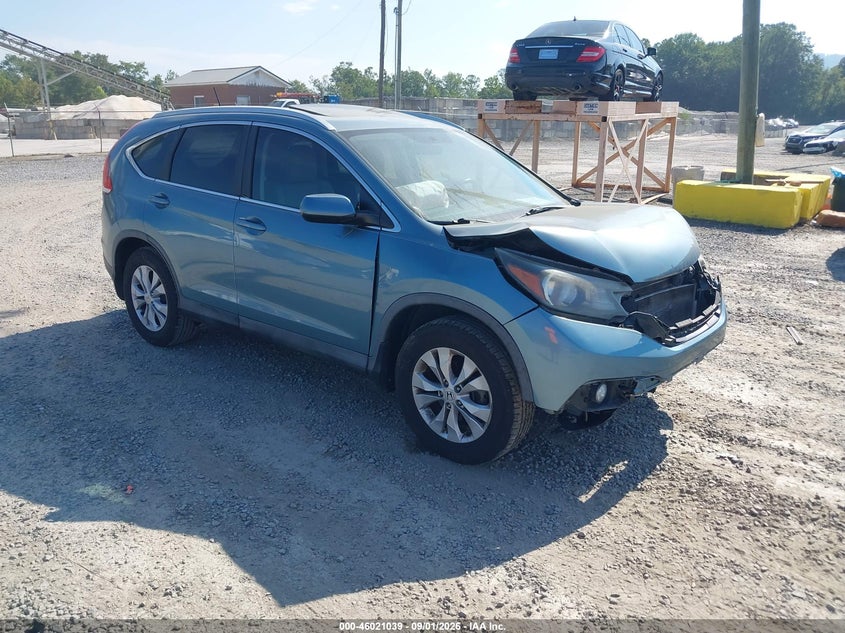
Damage map
If damage records exist for this VIN, the report shows the affected zonesTheft, liens and title
Checks that matter for registration and resaleRecorded condition
What the source noted about the car as it stands- Runs and drives
- Yes
- Engine starts
- Yes
- Keys available
- Yes
- Start code
- Run & Drive
History timeline
Data decoded from the VIN is shown. Records on file, if any, are in the full report.Mileage
Odometer reading as recorded at the sourceEarlier photos may be in the report
Check before you buy
Four things worth checking on any used carHONDA CR-V EX-L specifications
- VIN
- 2HKRM3H70EH501284
- Make
- HONDA
- Model
- CR-V EX-L
- Year
- 2014
- Colour
- GREEN
- Fuel
- Gasoline
- Engine
- 2.4 L
- Cylinders
- 4
- Power
- 185 hp
- Transmission
- Automatic
- Drive
- FWD
- Recorded odometer
- 115 039 mi
- Recorded damage
- Front End
What buyers ask about the HONDA CR-V EX-L
Was this 2014 HONDA CR-V EX-L damaged before?
The damage in the specifications is what the source noted at the time. Earlier accidents and repairs on file for VIN 2HKRM3H70EH501284, if any, are in the full report.
Can I trust the odometer reading of 115 039 mi?
It is the figure as recorded, not verified. Compare it with the earlier readings in the full report: they can only go up, so a drop points to a wound-back odometer.
In which countries was this car registered?
Registrations abroad seldom reach local registers. If this car was registered in other countries, the full report names them.
Who sells the report, and what does it cost?
An independent partner, selected automatically for each VIN by our system from analytical data. The partner shows the price before you pay; we may earn a commission.
VIN 2HKRM3H70EH501284: history
This record covers a 2014 Honda Cr-V Ex-L. The engine is a 2.4-litre petrol unit with four cylinders. There is an automatic gearbox, with front-wheel drive. The specification is taken from the source data.
The record gives the mileage as 115,039 miles. The instruments count in miles; the same distance in kilometres is about 1.6 times the figure. Services and inspections note the distance covered, so a car with an ordinary past builds up a trail of figures that climb year after year. Older figures usually turn up on service invoices, inspection reports and past title paperwork.
In the source data, the main issue is front-end damage. The damage type is a short label: the extent of the damage and the quality of any repair still have to be judged on the car. Some damage shows its consequences only later: corroded connectors and electrical faults can surface months afterwards.
When checked, the car could be started and driven under its own power. A key was noted with the car.
The car carries a salvage title. Such a title means the car was declared a total loss and can return to the road only after repair and inspection. A branded title follows the car through every change of owner, so it remains part of its history.
Behind every used car lies a string of events: who owned it and for how long, what the inspections found and which repairs and claims were made. A car’s paperwork is scattered: the registry knows about owners, the workshop about repairs and the insurance company about claims. What a car has been through is seldom visible at first glance, and a respray can make even a badly damaged car look sound.
For the engine, the service history matters most: oil changes, filters and the timing belt or chain are the entries to look for. Many modern petrol engines are turbocharged and direct-injected; where they are, the turbocharger and injectors belong on a specialist’s checklist. Automatic transmissions, CVTs included, are expensive to repair, so the test drive should include pulling away from a standstill and a stretch at motorway speed.
A VIN never contains the letters I, O or Q, which could be mistaken for digits; its 17 characters identify the maker, the model and the individual car. The VIN 2HKRM3H70EH501284 belongs to this 2014 Honda Cr-V Ex-L. Scratches, fresh paint or a replaced plate around the VIN markings are warning signs in their own right.
Depending on what is on file, a VIN report may include past registrations, mileage readings, damage entries, branded titles and theft checks. The absence of an entry is not proof that nothing happened; it may only mean that nobody wrote it down. The past is on file; the car’s condition today is a job for a mechanic, who can check the structure, underbody, electrics and any repairs on a lift. The next step is to look up the history behind VIN 2HKRM3H70EH501284.