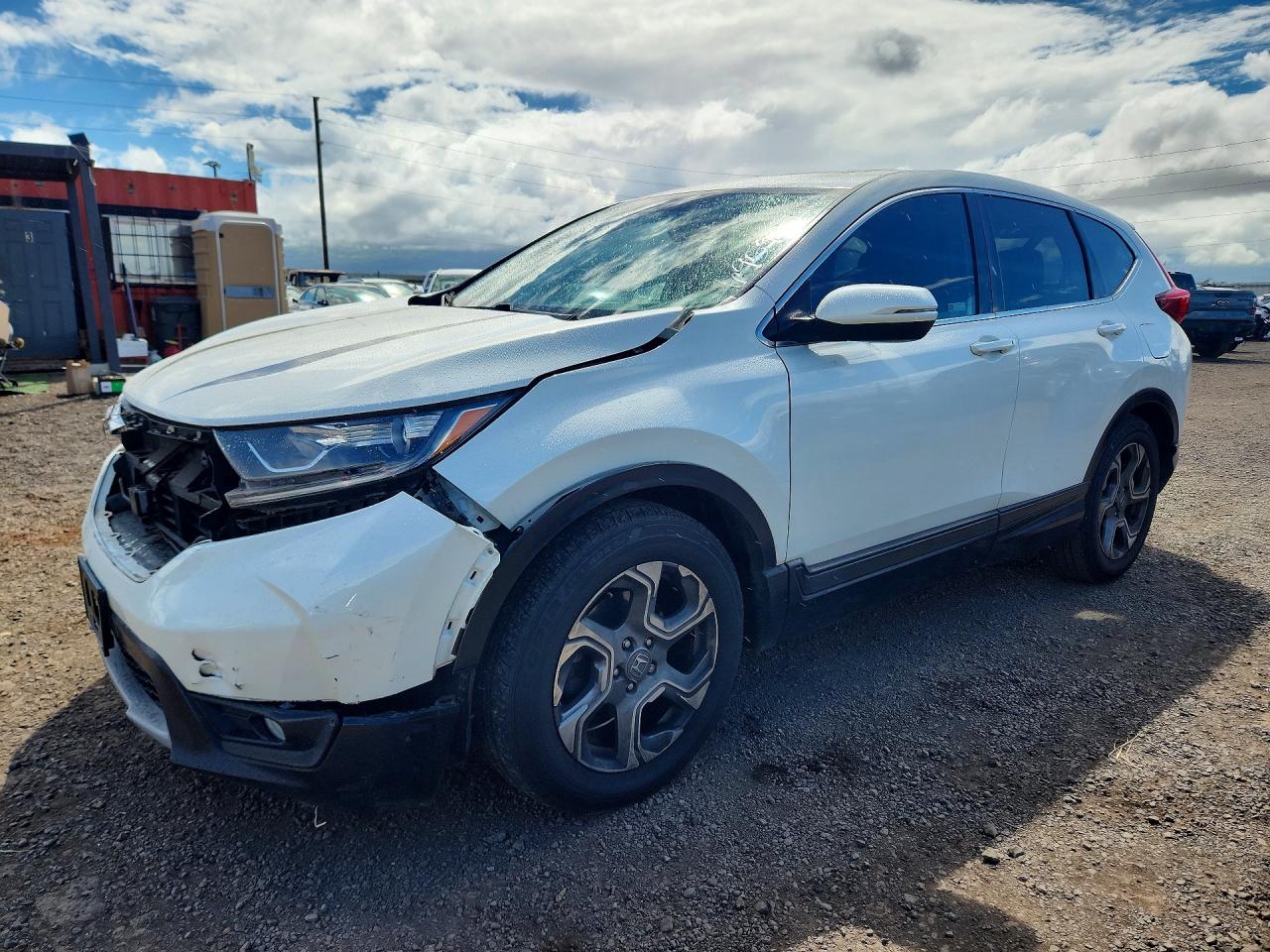
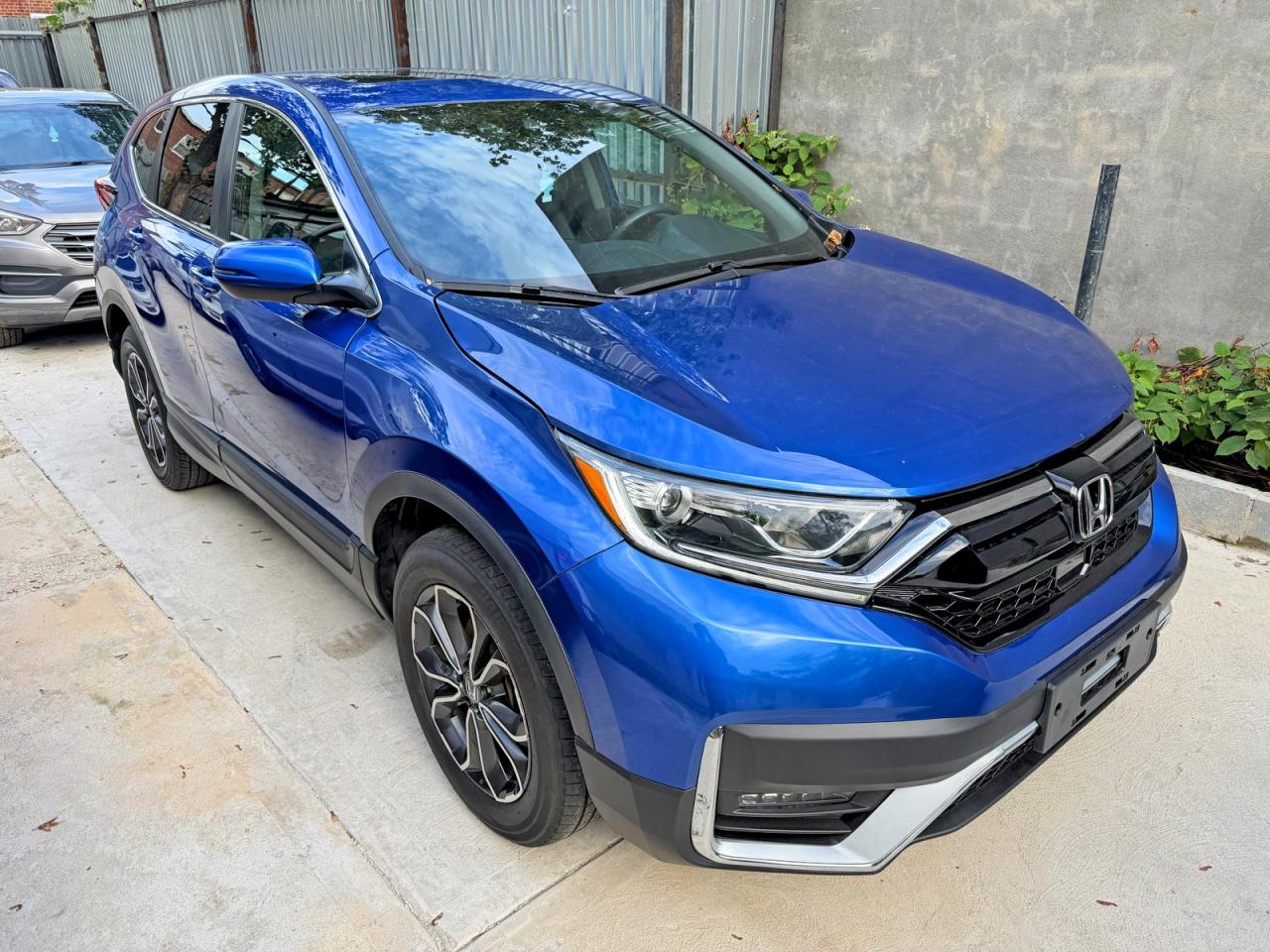
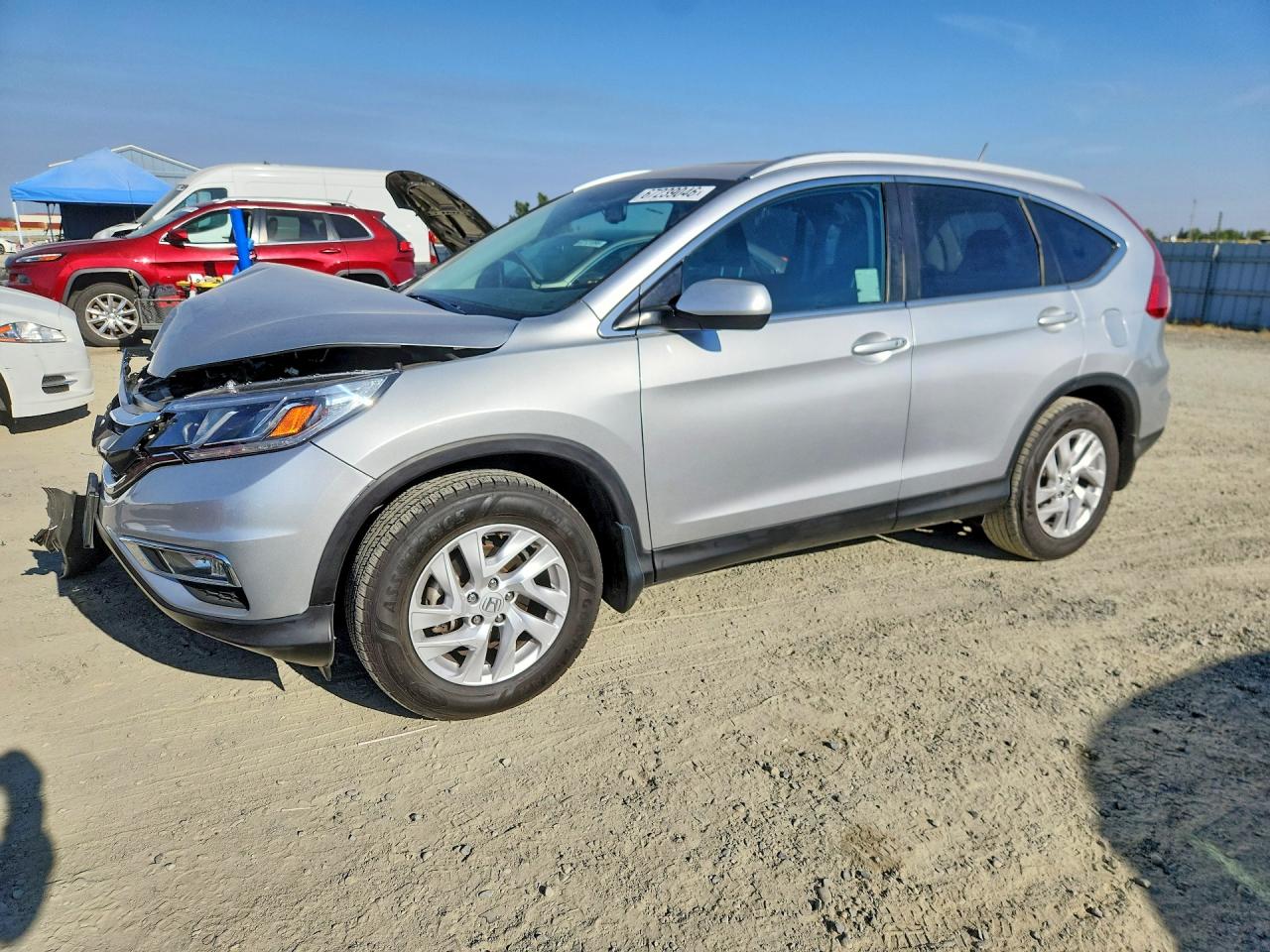
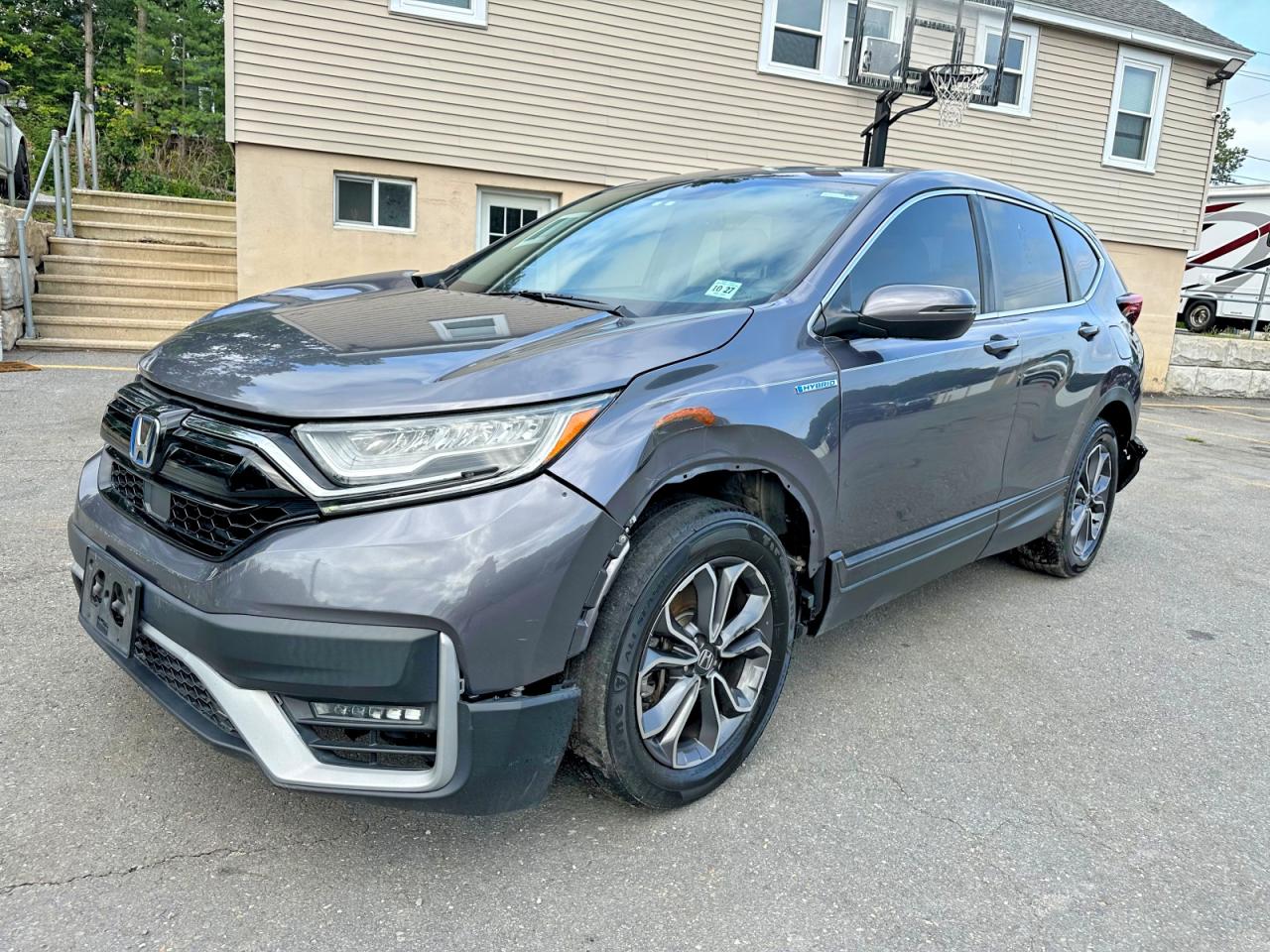
2014 HONDA CR-V EXL VIN 2HKRM4H75EH677835
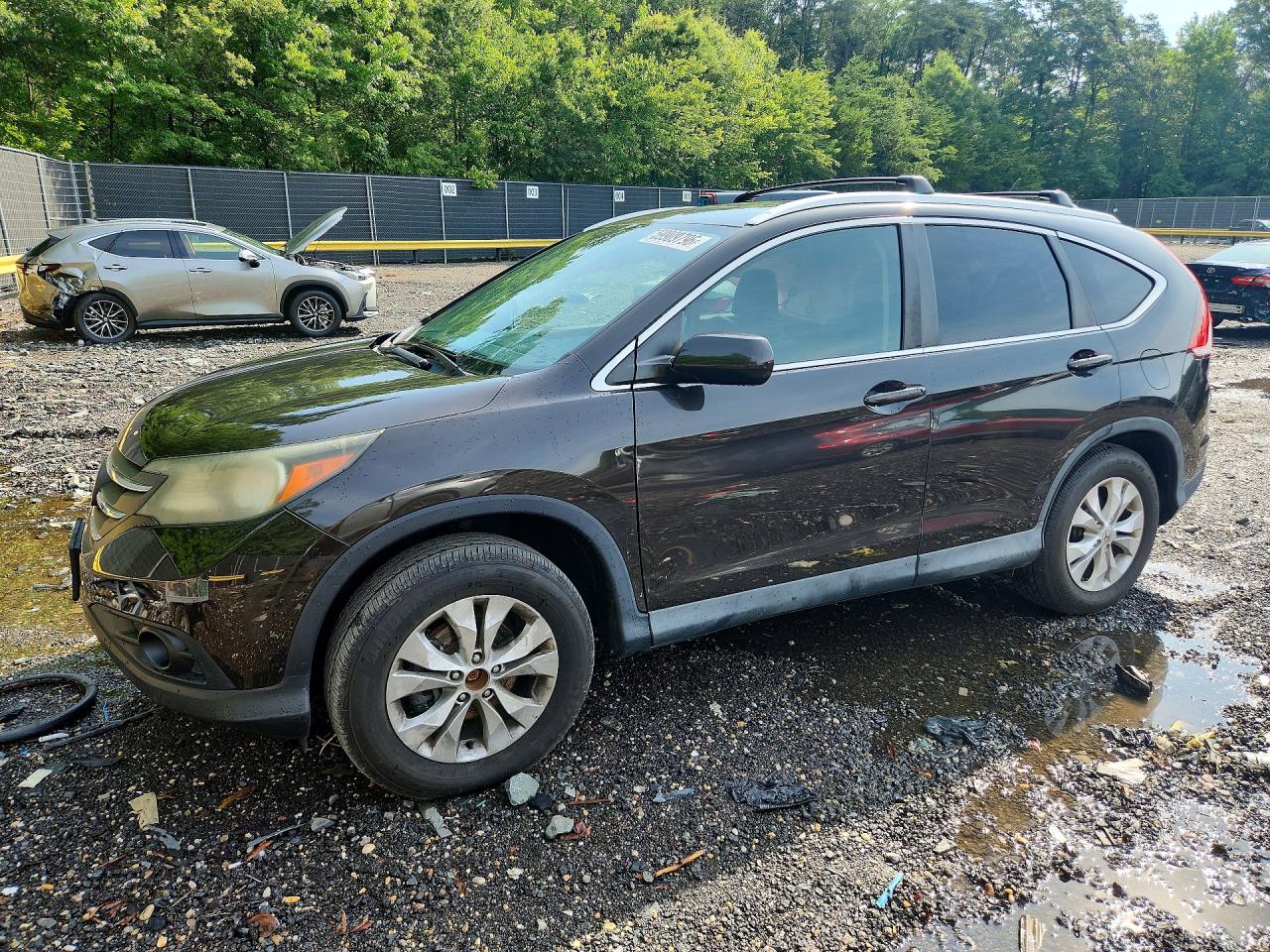
Damage map
If damage records exist for this VIN, the report shows the affected zonesTheft, liens and title
Checks that matter for registration and resaleRecorded condition
What the source noted about the car as it stands- Runs and drives
- Yes
- Engine starts
- Yes
- Keys available
- Yes
- Start code
- Run & Drive
History timeline
Data decoded from the VIN is shown. Records on file, if any, are in the full report.Mileage
Odometer reading as recorded at the sourceEarlier photos may be in the report
Check before you buy
Four things worth checking on any used carHONDA CR-V EXL specifications
- VIN
- 2HKRM4H75EH677835
- Make
- HONDA
- Model
- CR-V EXL
- Year
- 2014
- Colour
- BROWN
- Fuel
- Gasoline
- Engine
- 2.4 L
- Cylinders
- 4
- Power
- 185 hp
- Transmission
- Automatic
- Drive
- AWD
- Recorded odometer
- 171 932 mi
- Recorded damage
- Side
What buyers ask about the HONDA CR-V EXL
Was this 2014 HONDA CR-V EXL damaged before?
The damage in the specifications is what the source noted at the time. Earlier accidents and repairs on file for VIN 2HKRM4H75EH677835, if any, are in the full report.
Can I trust the odometer reading of 171 932 mi?
It is the figure as recorded, not verified. Compare it with the earlier readings in the full report: they can only go up, so a drop points to a wound-back odometer.
In which countries was this car registered?
Registrations abroad seldom reach local registers. If this car was registered in other countries, the full report names them.
Who sells the report, and what does it cost?
An independent partner, selected automatically for each VIN by our system from analytical data. The partner shows the price before you pay; we may earn a commission.
VIN 2HKRM4H75EH677835: history
This entry is for a 2014 Honda Cr-V EXL, finished in brown. The engine is a 2.4-litre petrol unit with four cylinders. The gearbox is automatic. Every figure for this car is given as it appears in the source data.
At the time of recording, the car had covered 171,932 miles. Because the clock counts miles, any figure noted in kilometres has to be converted before the two can be compared. The number on the clock proves little by itself; earlier figures logged at services and inspections are what make it believable.
In the source data, the main issue is side damage. Whether the damage has been repaired since, and how well, is not something a damage entry can show. Given the kind of damage entered, a mechanic should look first at the door pillars, the sills and the side airbags.
A ‘runs and drives’ note means the car moved under its own power when it was checked. A key was noted with the car.
According to the source data, the car has a salvage title. At some point in its life, the car was declared a total loss. If any work has been done on the car since, photos and invoices should show what was replaced.
A car’s history is the sum of what has happened to it since it was new, and most of it has left a trace on paper somewhere. Pieces of a car’s history sit with registries, dealers, workshops and insurance companies, and none of them sees the whole picture. What a car has been through is seldom visible at first glance, and a respray can make even a badly damaged car look sound.
An engine that has had its oil changed on time is far less likely to cause trouble later, and workshop invoices are the proof. On a petrol engine, spark plugs, ignition coils and the cooling system are the routine items a service history should cover. The automatic gearbox needs its fluid changed at the manufacturer’s intervals, and invoices should show that it was. With all-wheel drive, mismatched tyres can strain the centre differential or coupling, so all four should be the same make and similarly worn.
A vehicle identification number has 17 characters: the first three name the manufacturer, the next six describe the model and its specification, and the last eight identify the individual car. For this car, the VIN is 2HKRM4H75EH677835. Scratches, fresh paint or a replaced plate around the VIN markings are warning signs in their own right.
A VIN report gathers what different sources know about a car, such as the number of owners, mileage readings, damage and any branded title. Paperwork is only as complete as the people who kept it, so a report with few entries lowers the risk without removing it. A VIN check and a physical inspection answer different questions: the first says what happened to the car, the second what condition it is in now. The next step is to look up the history behind VIN 2HKRM4H75EH677835.