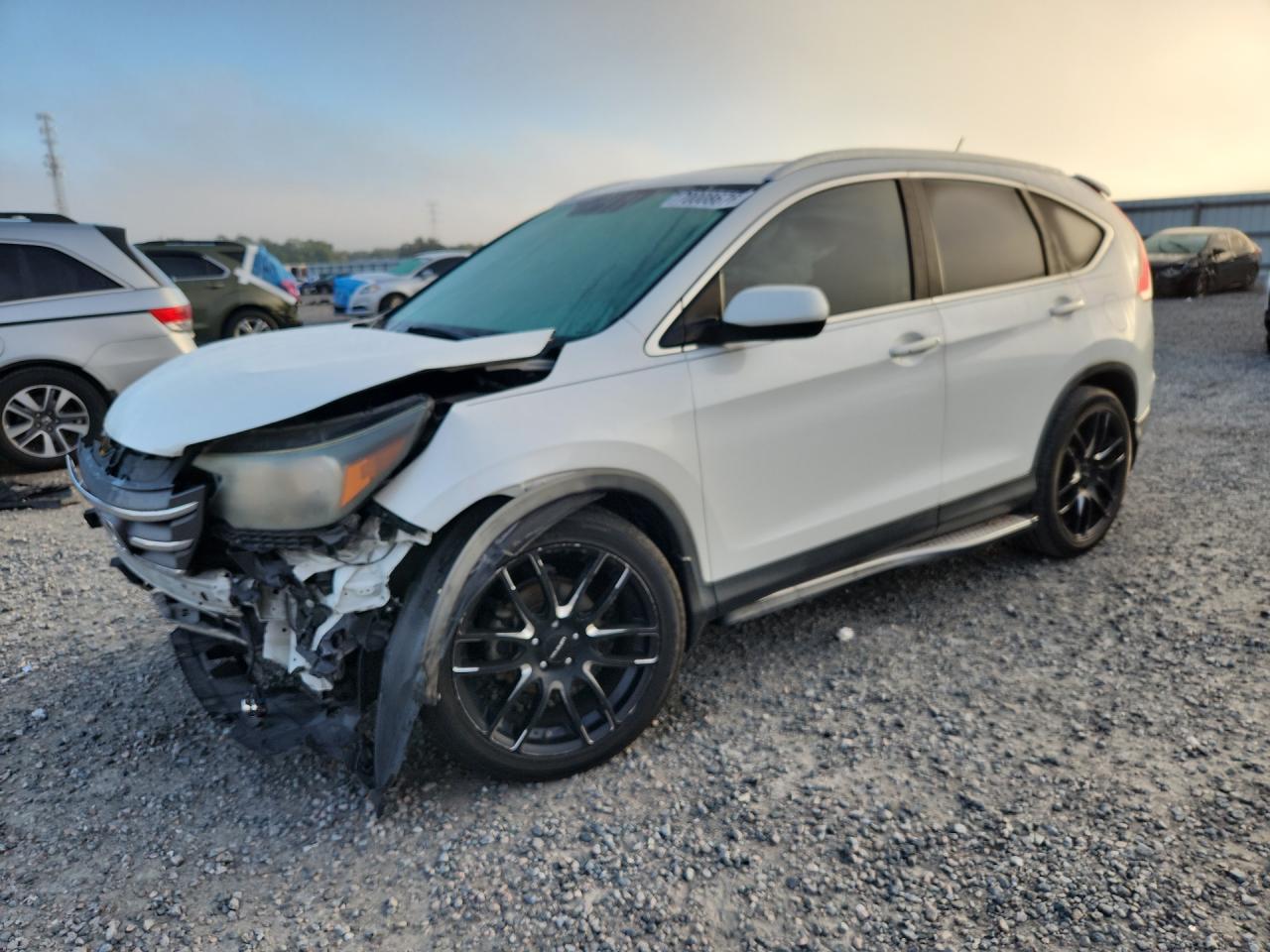
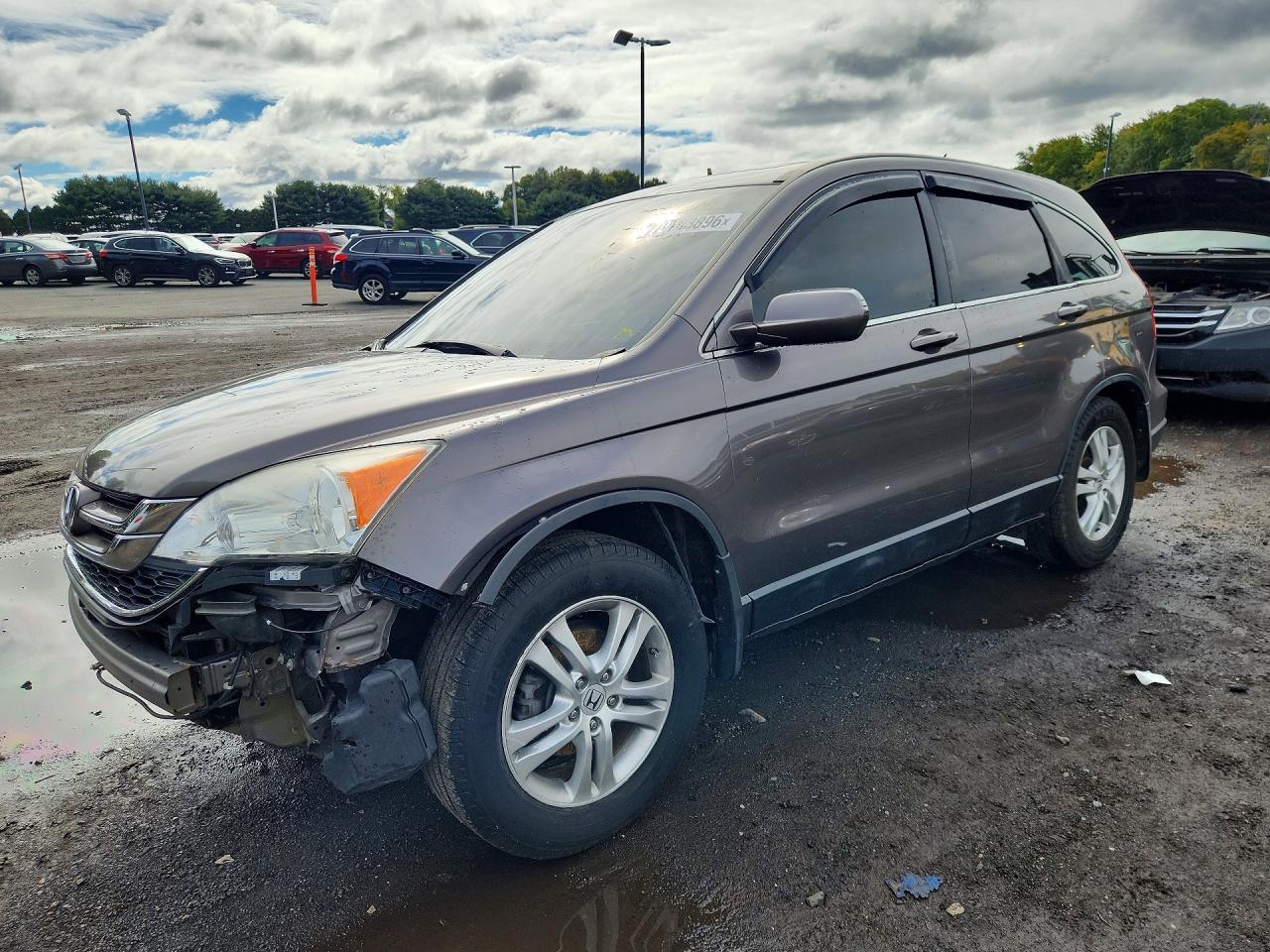
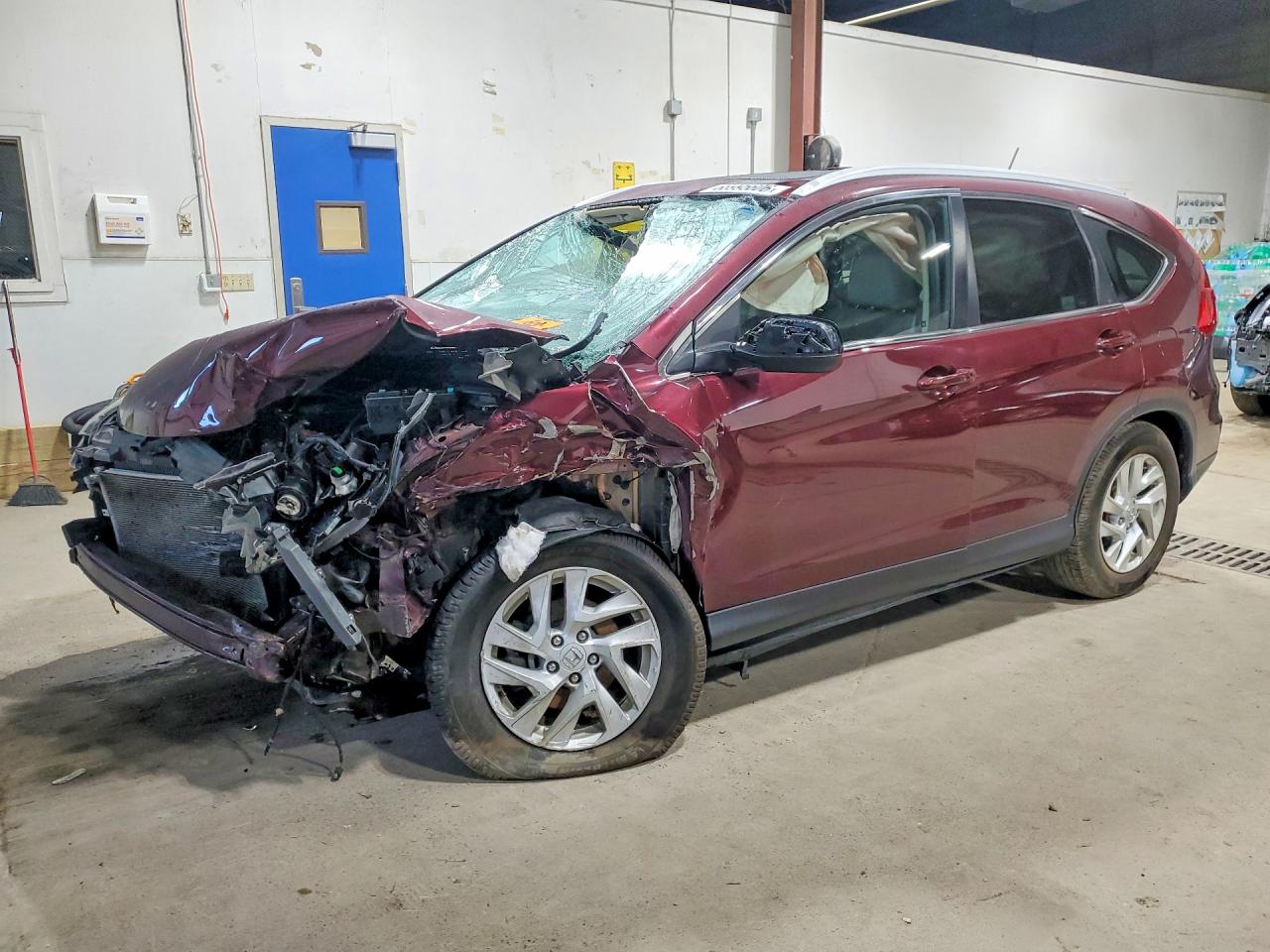
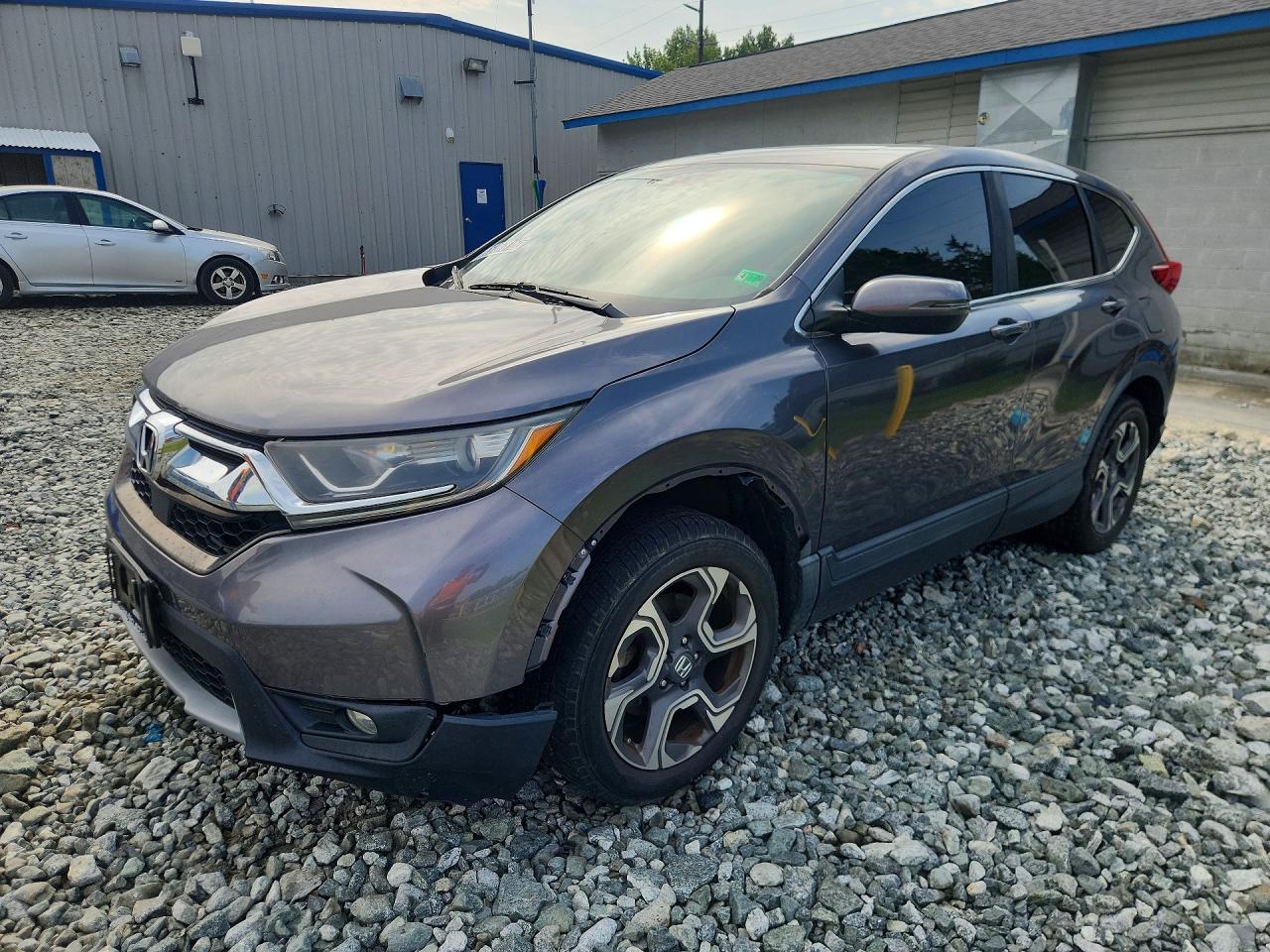
2014 HONDA CR-V EXL VIN 2HKRM4H77EH680901
Damage map
If damage records exist for this VIN, the report shows the affected zonesTheft, liens and title
Checks that matter for registration and resaleRecorded condition
What the source noted about the car as it stands- Keys available
- No
- Start code
- Enhanced
History timeline
Data decoded from the VIN is shown. Records on file, if any, are in the full report.Mileage
Odometer reading as recorded at the sourceEarlier photos may be in the report
Check before you buy
Four things worth checking on any used carHONDA CR-V EXL specifications
- VIN
- 2HKRM4H77EH680901
- Make
- HONDA
- Model
- CR-V EXL
- Year
- 2014
- Colour
- SILVER
- Fuel
- Gasoline
- Engine
- 2.4 L
- Cylinders
- 4
- Power
- 185 hp
- Transmission
- Automatic
- Drive
- AWD
- Recorded damage
- All Over
What buyers ask about the HONDA CR-V EXL
Was this 2014 HONDA CR-V EXL damaged before?
The damage in the specifications is what the source noted at the time. Earlier accidents and repairs on file for VIN 2HKRM4H77EH680901, if any, are in the full report.
In which countries was this car registered?
Registrations abroad seldom reach local registers. If this car was registered in other countries, the full report names them.
Who sells the report, and what does it cost?
An independent partner, selected automatically for each VIN by our system from analytical data. The partner shows the price before you pay; we may earn a commission.
VIN 2HKRM4H77EH680901: history
This record covers a 2014 Honda Cr-V EXL, finished in silver. The engine is a 2.4-litre petrol unit with four cylinders. There is an automatic gearbox, with all-wheel drive. Every figure for this car is given as it appears in the source data.
Gaps of several years between logged figures deserve attention, as does any reading lower than the one before it.
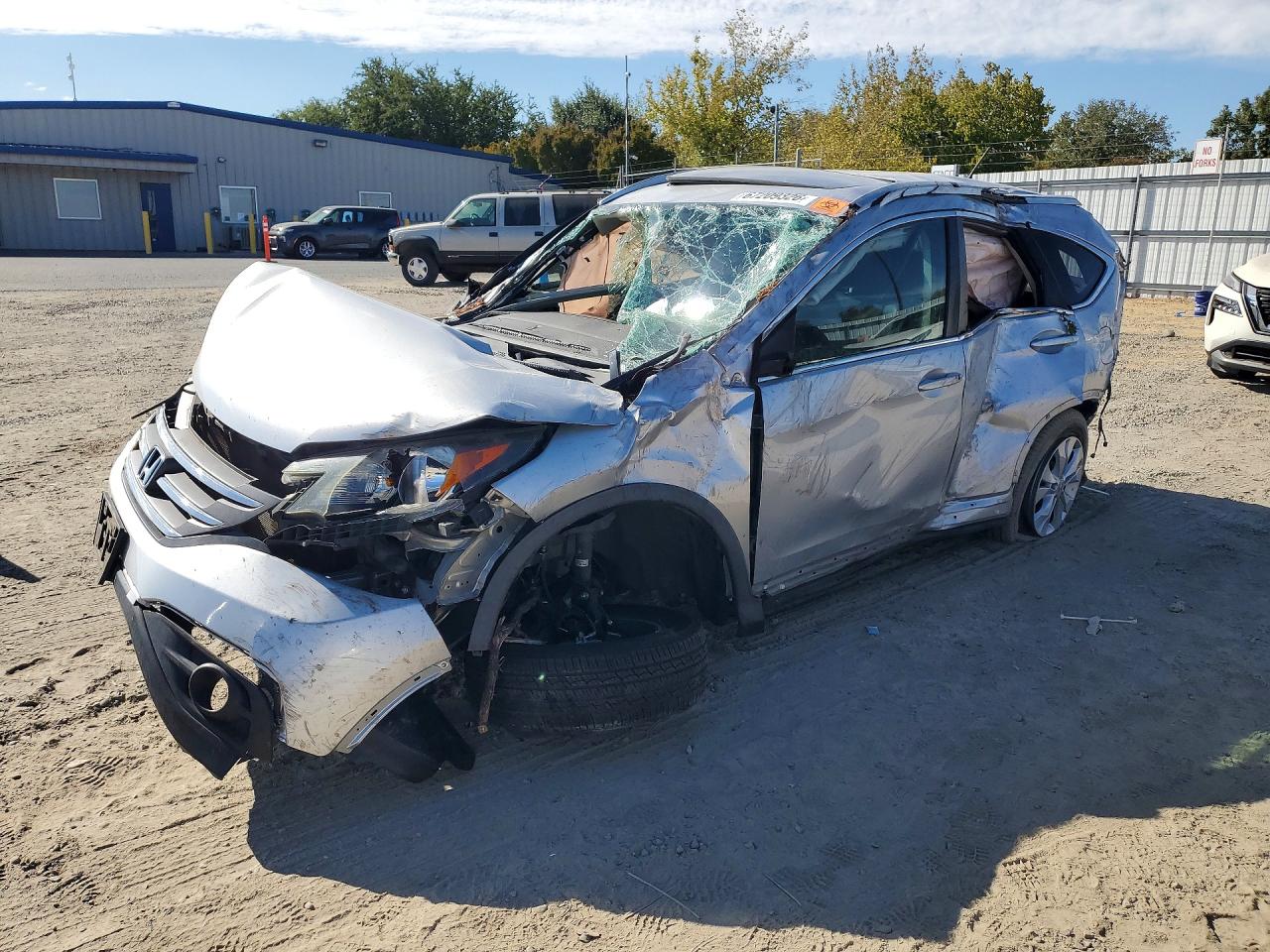
This Honda Cr-V EXL is recorded with damage across the whole body. Whether the damage has been repaired since, and how well, is not something a damage entry can show. Given the kind of damage entered, a mechanic should look first at the whole structure, panel by panel, and every airbag and sensor.
No key is recorded with the car, and a replacement has to be coded to the immobiliser. Months of standing can leave a car with seized brakes and perished tyres.
The car carries a non-repairable title. At some point in its life, the car was declared a total loss. The structure and the quality of any work done deserve a thorough inspection on a car with a branded title, however sound the car looks.
Behind every used car lies a string of events: who owned it and for how long, what the inspections found and which repairs and claims were made. Pieces of a car’s history sit with registries, dealers, workshops and insurance companies, and none of them sees the whole picture. Much of a car’s past cannot be seen: a good body repair leaves no obvious mark, and neither do years of hard driving.
For the engine, the service history matters most: oil changes, filters and the timing belt or chain are the entries to look for. On a petrol engine, a rough idle, misfires or a warning light on the dashboard need looking into. The automatic gearbox should respond smoothly and without delay; jerks, slipping or hesitation on a test drive need investigating. On a car with all-wheel drive, a whine or clunk when turning tightly at low speed needs a mechanic’s attention.
The VIN is a 17-character code assigned at the factory: it identifies the manufacturer, the model and its variant, and ends with a serial number unique to the car. This car’s identification number is 2HKRM4H77EH680901. A VIN that differs between the documents and the car, or shows signs of tampering, is reason enough to walk away.
Where entries exist, a VIN check can show changes of owner, past mileage readings, reported damage and whether the car is listed as stolen. Paperwork is only as complete as the people who kept it, so a report with few entries lowers the risk without removing it. A professional inspection makes sense whatever the paperwork shows, because no report measures corrosion, worn bushes or a poor repair. Look up the history of VIN 2HKRM4H77EH680901 first, and let what it shows guide the inspection.