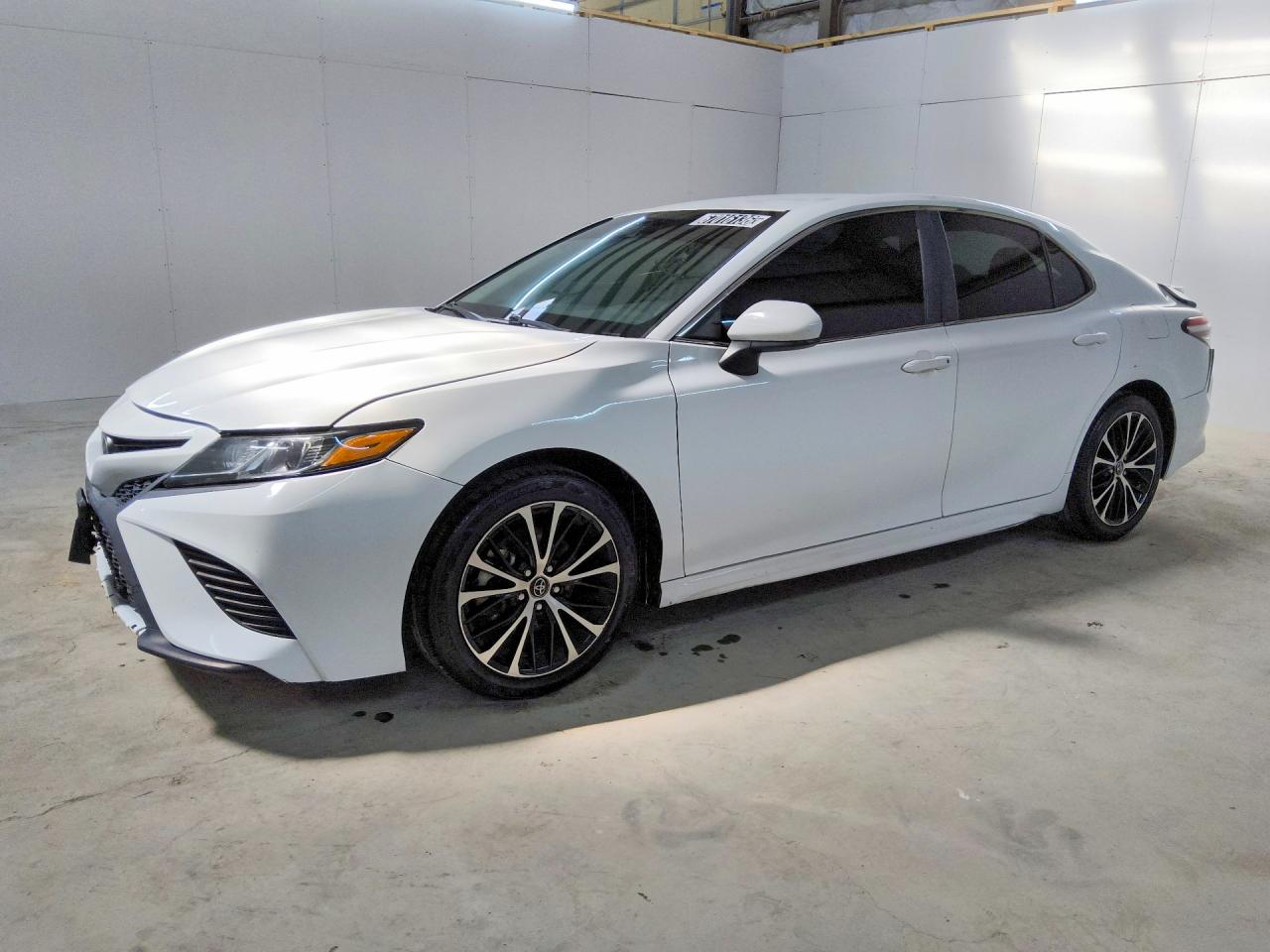
2020 TOYOTA CAMRY SE VIN 4T1G11AK2LU913045
Damage map
If damage records exist for this VIN, the report shows the affected zonesTheft, liens and title
Checks that matter for registration and resaleRecorded condition
What the source noted about the car as it stands- Runs and drives
- Yes
- Engine starts
- Yes
- Keys available
- Yes
- Start code
- Run & Drive
History timeline
Data decoded from the VIN is shown. Records on file, if any, are in the full report.Mileage
Odometer reading as recorded at the sourceEarlier photos may be in the report
Check before you buy
Four things worth checking on any used carTOYOTA CAMRY SE specifications
- VIN
- 4T1G11AK2LU913045
- Make
- TOYOTA
- Model
- CAMRY SE
- Year
- 2020
- Colour
- WHITE
- Fuel
- Gasoline
- Engine
- 2.5 L
- Cylinders
- 4
- Power
- 203 hp
- Transmission
- Automatic
- Drive
- FWD
- Recorded odometer
- 129 745 mi
- Recorded damage
- Rear End
What buyers ask about the TOYOTA CAMRY SE
Was this 2020 TOYOTA CAMRY SE damaged before?
The damage in the specifications is what the source noted at the time. Earlier accidents and repairs on file for VIN 4T1G11AK2LU913045, if any, are in the full report.
Can I trust the odometer reading of 129 745 mi?
It is the figure as recorded, not verified. Compare it with the earlier readings in the full report: they can only go up, so a drop points to a wound-back odometer.
In which countries was this car registered?
Registrations abroad seldom reach local registers. If this car was registered in other countries, the full report names them.
Who sells the report, and what does it cost?
An independent partner, selected automatically for each VIN by our system from analytical data. The partner shows the price before you pay; we may earn a commission.
VIN 4T1G11AK2LU913045: history
This entry is for a 2020 Toyota Camry SE, finished in white. Power reaches the wheels through an automatic gearbox. The engine is a 2.5-litre petrol unit with four cylinders. The specification is taken from the source data and has not been checked against other documents.
At the time of recording, the car had covered 129,745 miles. The instruments count in miles; the same distance in kilometres is about 1.6 times the figure. High mileage alone does not rule a car out; what matters is whether regular servicing kept pace with it. Services and inspections note the distance covered, so a car with an ordinary past builds up a trail of figures that climb year after year. Older figures usually turn up on service invoices, inspection reports and past title paperwork.
The record lists rear-end damage as the main problem on this car. Whether the damage has been repaired since, and how well, is not something a damage entry can show. With rear-end damage on file, the inspection should start with the boot floor, the rear panel and the chassis rails.
A ‘runs and drives’ note means the car moved under its own power when it was checked. A key is on file for the car. Running condition describes a single moment, and standing or work done since can change it.
According to the source data, the car has a clean title. Nothing on the title points to a total loss or a flood.
Every car builds up a history from the day it is first registered: owners come and go, inspections are passed or failed, and repairs are paid for. Pieces of a car’s history sit with registries, dealers, workshops and insurance companies, and none of them sees the whole picture. A car’s past rarely shows on the paintwork: a well-repaired accident or water damage that was dried out is easy to miss.
A cold start, the colour of the exhaust smoke and any oil leaks tell a mechanic a good deal about how an engine has been treated. On a petrol engine, spark plugs, ignition coils and the cooling system are the routine items a service history should cover. The automatic gearbox should respond smoothly and without delay; jerks, slipping or hesitation on a test drive need investigating.
The VIN is a 17-character code assigned at the factory: it identifies the manufacturer, the model and its variant, and ends with a serial number unique to the car. The VIN 4T1G11AK2LU913045 belongs to this 2020 Toyota Camry SE. A VIN that differs between the documents and the car, or shows signs of tampering, is reason enough to walk away.
Where entries exist, a VIN check can show changes of owner, past mileage readings, reported damage and whether the car is listed as stolen. The absence of an entry is not proof that nothing happened; it may only mean that nobody wrote it down. The past is on file; the car’s condition today is a job for a mechanic, who can check the structure, underbody, electrics and any repairs on a lift. Look up the history of VIN 4T1G11AK2LU913045 first, and let what it shows guide the inspection.
Similar TOYOTA CAMRY SE cars
All TOYOTA cars 2019 TOYOTA CAMRY SE
4T1B11•••••••1766
2.5 gasoline · Automatic
Check history
2019 TOYOTA CAMRY SE
4T1B11•••••••1766
2.5 gasoline · Automatic
Check history
 2014 TOYOTA CAMRY SE
4T1BF1•••••••2094
2.5 gasoline · Automatic
Check history
2014 TOYOTA CAMRY SE
4T1BF1•••••••2094
2.5 gasoline · Automatic
Check history
 2025 TOYOTA CAMRY SE
4T1DAA•••••••6839
2.5 hybrid · CVT
Check history
2025 TOYOTA CAMRY SE
4T1DAA•••••••6839
2.5 hybrid · CVT
Check history
 2023 TOYOTA CAMRY SE
4T1G11•••••••0613
2.5 gasoline · Automatic
Check history
2023 TOYOTA CAMRY SE
4T1G11•••••••0613
2.5 gasoline · Automatic
Check history