2019 HONDA PILOT LX VIN 5FNYF6H11KB068216

Damage map
If damage records exist for this VIN, the report shows the affected zonesTheft, liens and title
Checks that matter for registration and resaleRecorded condition
What the source noted about the car as it stands- Runs and drives
- Yes
- Engine starts
- Yes
- Keys available
- Yes
- Start code
- Run & Drive
History timeline
Data decoded from the VIN is shown. Records on file, if any, are in the full report.Mileage
Odometer reading as recorded at the sourceEarlier photos may be in the report
Check before you buy
Four things worth checking on any used carHONDA PILOT LX specifications
- VIN
- 5FNYF6H11KB068216
- Make
- HONDA
- Model
- PILOT LX
- Year
- 2019
- Colour
- BLACK
- Fuel
- Gasoline
- Engine
- 3.5 L
- Cylinders
- 6
- Power
- 280 hp
- Transmission
- Automatic
- Drive
- 4x4
- Recorded odometer
- 120 426 mi
- Recorded damage
- Right Front
What buyers ask about the HONDA PILOT LX
Was this 2019 HONDA PILOT LX damaged before?
The damage in the specifications is what the source noted at the time. Earlier accidents and repairs on file for VIN 5FNYF6H11KB068216, if any, are in the full report.
Can I trust the odometer reading of 120 426 mi?
It is the figure as recorded, not verified. Compare it with the earlier readings in the full report: they can only go up, so a drop points to a wound-back odometer.
In which countries was this car registered?
Registrations abroad seldom reach local registers. If this car was registered in other countries, the full report names them.
Who sells the report, and what does it cost?
An independent partner, selected automatically for each VIN by our system from analytical data. The partner shows the price before you pay; we may earn a commission.
VIN 5FNYF6H11KB068216: history
This Honda Pilot LX was built in 2019. The car runs on petrol. Power reaches the wheels through an automatic gearbox. The specification is taken from the source data and has not been checked against other documents.
The clock stood at 120,426 miles when the data was entered. Miles and kilometres are easy to confuse, and a distance in miles looks lower than the same distance in kilometres. Averaged over the car’s age, the mileage works out well above the usual annual distance, and wear on the suspension, brakes and interior should be judged with that in mind. Gaps of several years between logged figures deserve attention, as does any reading lower than the one before it. Older figures usually turn up on service invoices, inspection reports and past title paperwork.
Primary damage in the record: right front. A damage entry is a starting point for the inspection, telling the mechanic where to look first. Some damage shows its consequences only later: corroded connectors and electrical faults can surface months afterwards.
A ‘runs and drives’ note means the car moved under its own power when it was checked. A key was present. Running condition describes a single moment, and standing or work done since can change it.
The record shows a salvage title. Titles of this type are issued to cars declared a total loss. If any work has been done on the car since, photos and invoices should show what was replaced.
Registrations, changes of owner, inspection results and accident claims together make up what is called a car’s history. The paperwork is kept by different bodies – registries, workshops, insurance companies and lenders – so the history of one car is spread across many places. A clean, polished car can still hide a serious accident, a flood or years of hard use.
A cold start, the colour of the exhaust smoke and any oil leaks tell a mechanic a good deal about how an engine has been treated. Many modern petrol engines are turbocharged and direct-injected; where they are, the turbocharger and injectors belong on a specialist’s checklist. The automatic gearbox should respond smoothly and without delay; jerks, slipping or hesitation on a test drive need investigating. A car with four-wheel drive has extra differentials and often a transfer case, which an inspection should cover alongside the engine and gearbox.
The ninth character of the VIN is a check digit calculated from the other sixteen, so a mistyped or invented number does not add up. The VIN on file for this car is 5FNYF6H11KB068216.
Where entries exist, a VIN check can show changes of owner, past mileage readings, reported damage and whether the car is listed as stolen. A repair paid for in cash at a small workshop leaves no trace in any database, so no report can list it. However complete the paperwork, only an inspection shows the condition of the body, suspension, brakes and electrics today. For this 2019 Honda Pilot LX, the sensible next step is a history check on VIN 5FNYF6H11KB068216.
Similar HONDA PILOT LX cars
All HONDA cars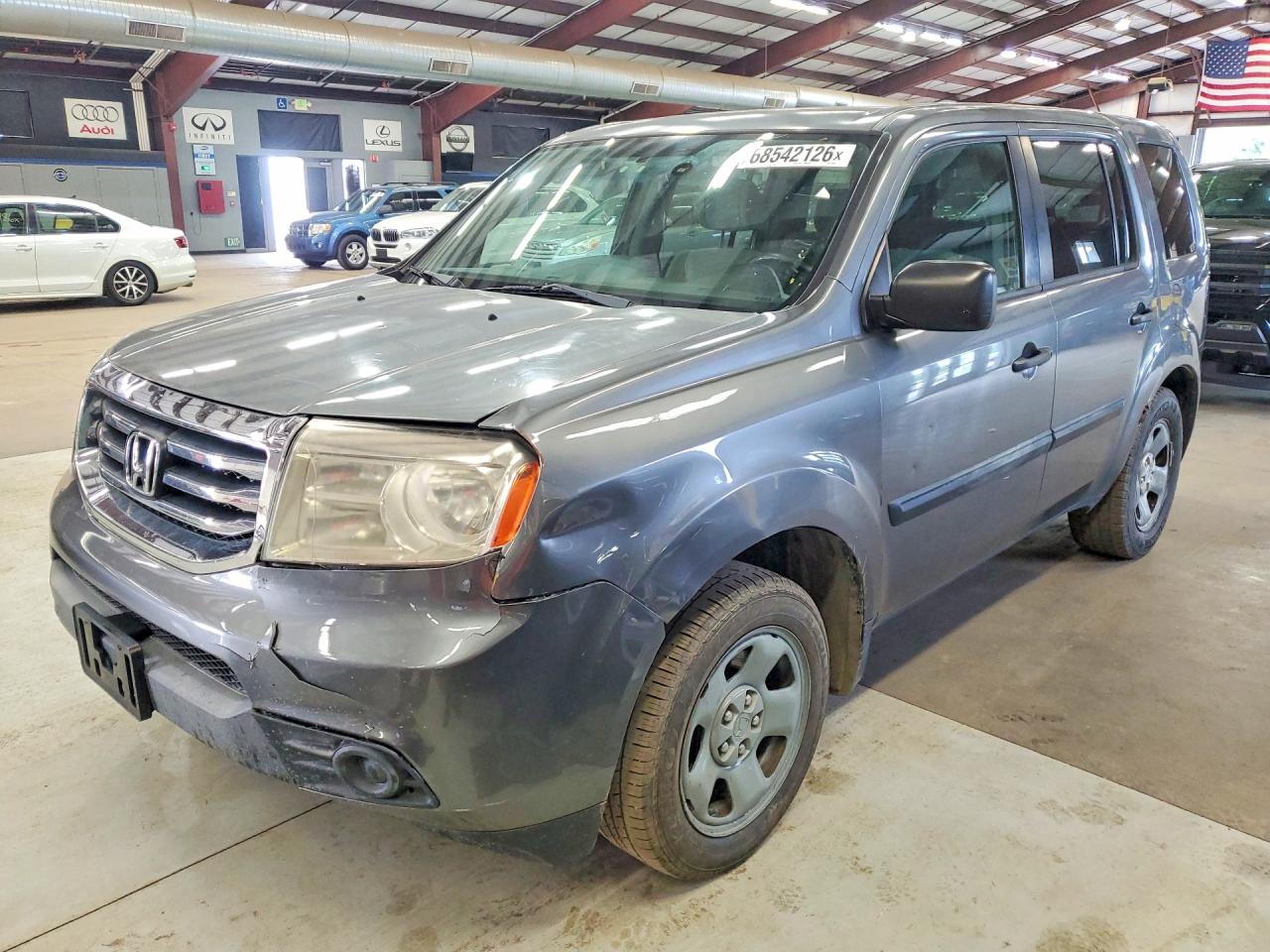 2013 HONDA PILOT LX
5FNYF4•••••••3872
3.5 gasoline · Automatic
Check history
2013 HONDA PILOT LX
5FNYF4•••••••3872
3.5 gasoline · Automatic
Check history
 2019 HONDA PILOT LX
5FNYF6•••••••6940
3.5 gasoline · Automatic
Check history
2019 HONDA PILOT LX
5FNYF6•••••••6940
3.5 gasoline · Automatic
Check history
 2020 HONDA PILOT LX
5FNYF5•••••••8568
3.5 gasoline · Automatic
Check history
2020 HONDA PILOT LX
5FNYF5•••••••8568
3.5 gasoline · Automatic
Check history
 2011 HONDA PILOT LX
5FNYF4•••••••7006
3.5 gasoline · Automatic
Check history
2011 HONDA PILOT LX
5FNYF4•••••••7006
3.5 gasoline · Automatic
Check history