2017 HONDA PILOT VIN 5FNYF6H13HB002100

Damage map
If damage records exist for this VIN, the report shows the affected zonesTheft, liens and title
Checks that matter for registration and resaleRecorded condition
What the source noted about the car as it stands- Keys available
- Yes
- Start code
- Enhanced
History timeline
Data decoded from the VIN is shown. Records on file, if any, are in the full report.Mileage
Odometer reading as recorded at the sourceEarlier photos may be in the report
Check before you buy
Four things worth checking on any used carHONDA PILOT specifications
- VIN
- 5FNYF6H13HB002100
- Make
- HONDA
- Model
- PILOT
- Year
- 2017
- Fuel
- Gasoline
- Cylinders
- 6
- Power
- 280 hp
- Transmission
- Automatic
- Drive
- 4x4
- Recorded odometer
- 153 062 mi
- Recorded damage
- UNDERCARRIAGE
What buyers ask about the HONDA PILOT
Was this 2017 HONDA PILOT damaged before?
The damage in the specifications is what the source noted at the time. Earlier accidents and repairs on file for VIN 5FNYF6H13HB002100, if any, are in the full report.
Can I trust the odometer reading of 153 062 mi?
It is the figure as recorded, not verified. Compare it with the earlier readings in the full report: they can only go up, so a drop points to a wound-back odometer.
In which countries was this car registered?
Registrations abroad seldom reach local registers. If this car was registered in other countries, the full report names them.
Who sells the report, and what does it cost?
An independent partner, selected automatically for each VIN by our system from analytical data. The partner shows the price before you pay; we may earn a commission.
VIN 5FNYF6H13HB002100: history
The Honda Pilot described here left the factory in 2017. The petrol engine has six cylinders. Power reaches the wheels through an automatic gearbox.
The clock stood at 153,062 miles when the data was entered. Miles and kilometres are easy to confuse, and a distance in miles looks lower than the same distance in kilometres. High mileage alone does not rule a car out; what matters is whether regular servicing kept pace with it. The number on the clock proves little by itself; earlier figures logged at services and inspections are what make it believable. Figures carry most weight when they come from independent sources: workshops, inspection stations and past title paperwork.
In the source data, the main issue is underbody damage. Two cars with the same damage label can be very different: one needs a few new parts, the other major work.
A key was noted with the car. Condition notes are a snapshot: the car may have been worked on, stripped of parts or left standing since.
According to the source data, the car has a transfer document in place of a title. Without a title certificate, registering the car can take extra paperwork and checks.
Behind every used car lies a string of events: who owned it and for how long, what the inspections found and which repairs and claims were made. The paperwork is kept by different bodies – registries, workshops, insurance companies and lenders – so the history of one car is spread across many places. What a car has been through is seldom visible at first glance, and a respray can make even a badly damaged car look sound.
On a petrol engine, a rough idle, misfires or a warning light on the dashboard need looking into. Automatic transmissions, CVTs included, are expensive to repair, so the test drive should include pulling away from a standstill and a stretch at motorway speed. On a car with four-wheel drive, a whine or clunk when turning tightly at low speed needs a mechanic’s attention.
A vehicle identification number has 17 characters: the first three name the manufacturer, the next six describe the model and its specification, and the last eight identify the individual car. The record gives the VIN as 5FNYF6H13HB002100. The VIN usually appears at the base of the windscreen, on a door pillar and stamped into the body, and all of them should match the documents.
Where entries exist, a VIN check can show changes of owner, past mileage readings, reported damage and whether the car is listed as stolen. A repair paid for in cash at a small workshop leaves no trace in any database, so no report can list it. A professional inspection makes sense whatever the paperwork shows, because no report measures corrosion, worn bushes or a poor repair. With this 2017 Honda Pilot, the first step is a look at the history behind VIN 5FNYF6H13HB002100.
Similar HONDA PILOT cars
All HONDA cars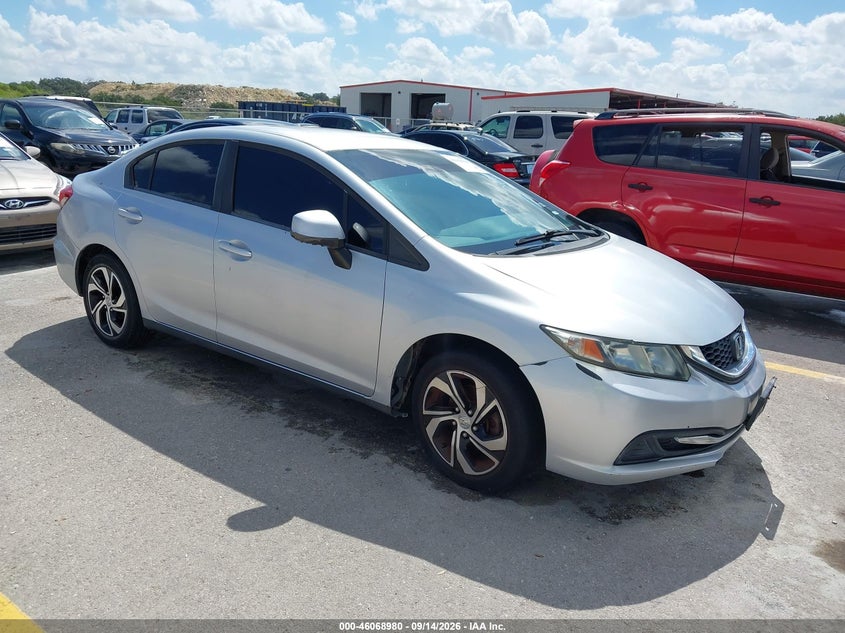 2013 HONDA CIVIC LX
2HGFB2•••••••3470
1.8 gasoline · Automatic
Check history
2013 HONDA CIVIC LX
2HGFB2•••••••3470
1.8 gasoline · Automatic
Check history
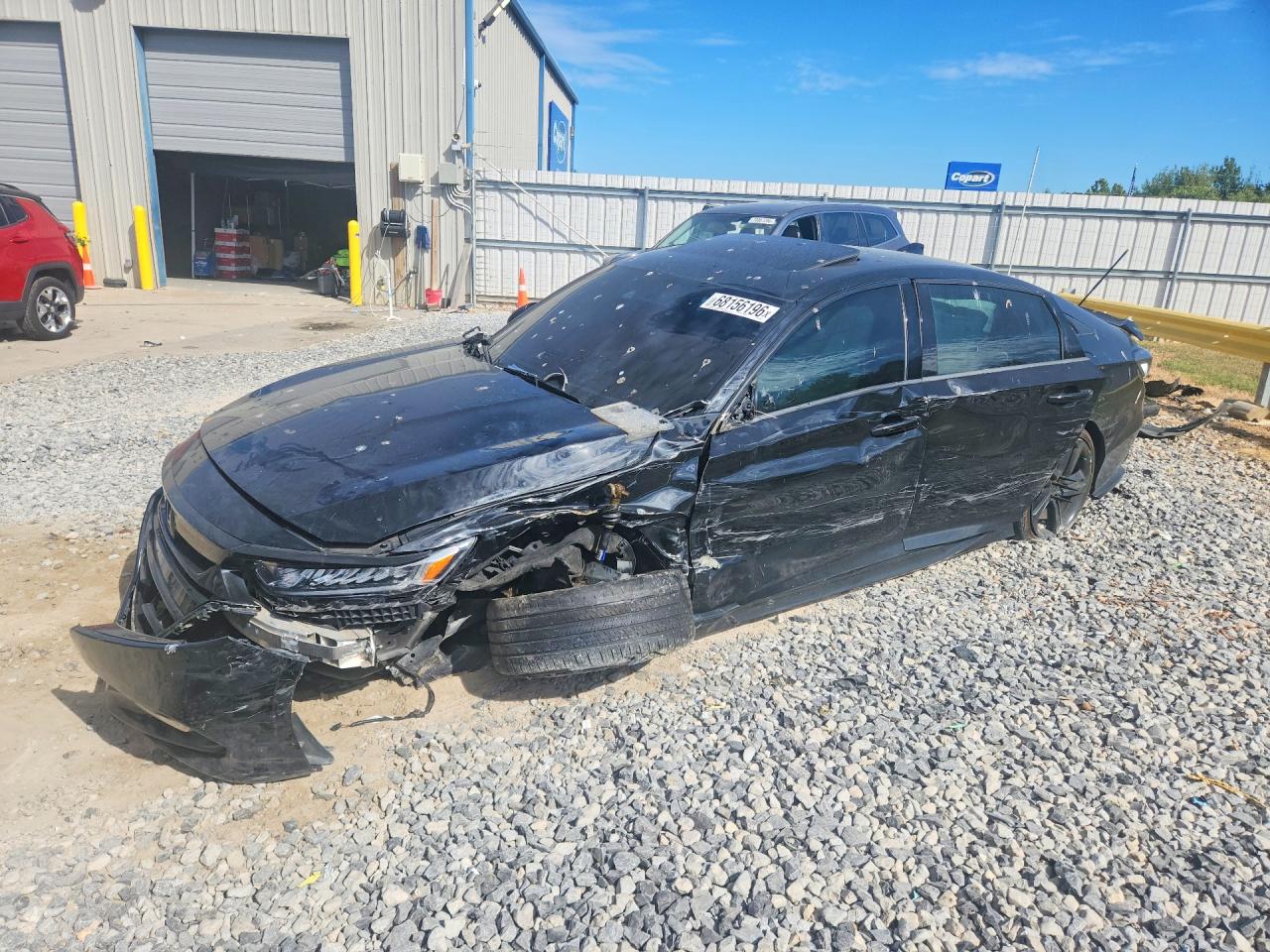 2020 HONDA ACCORD SPORT
1HGCV2•••••••9607
2.0 gasoline · Automatic
Check history
2020 HONDA ACCORD SPORT
1HGCV2•••••••9607
2.0 gasoline · Automatic
Check history
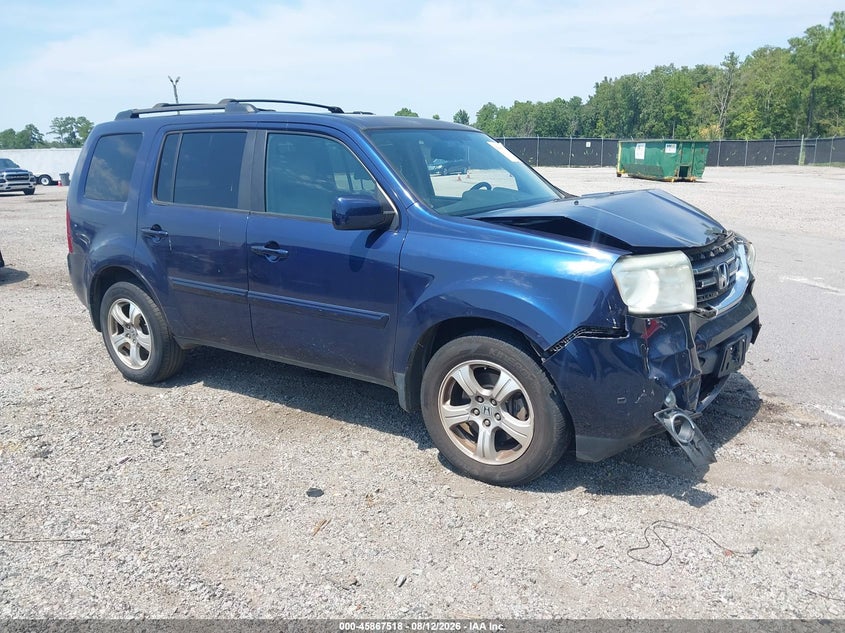 2015 HONDA PILOT EX-L
5FNYF3•••••••4262
3.5 gasoline · Automatic
Check history
2015 HONDA PILOT EX-L
5FNYF3•••••••4262
3.5 gasoline · Automatic
Check history
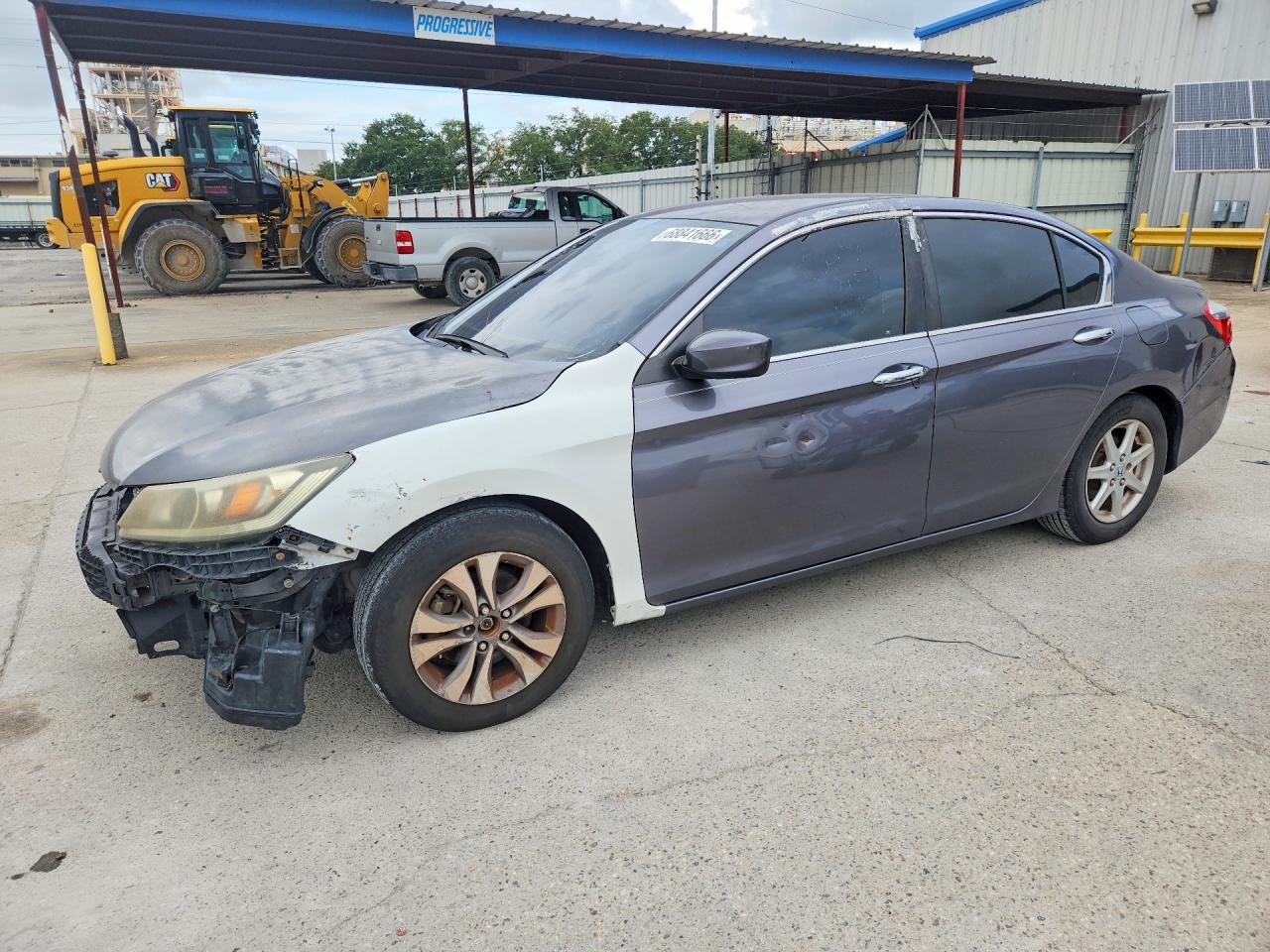 2014 HONDA ACCORD LX
1HGCR2•••••••5456
2.4 gasoline · CVT
Check history
2014 HONDA ACCORD LX
1HGCR2•••••••5456
2.4 gasoline · CVT
Check history