2013 HYUNDAI SONATA GLS VIN 5NPEB4AC7DH772021
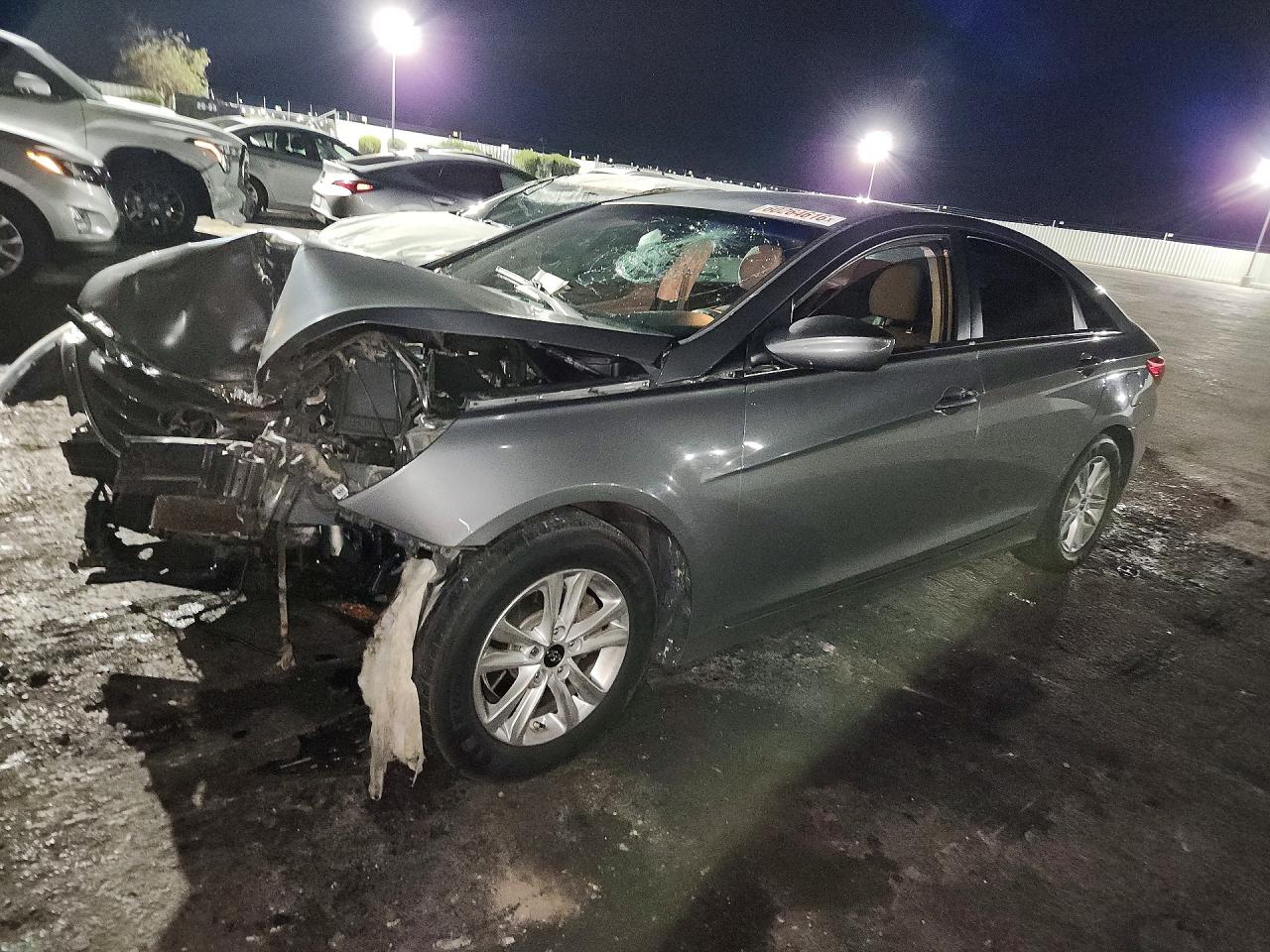
Damage map
If damage records exist for this VIN, the report shows the affected zonesTheft, liens and title
Checks that matter for registration and resaleRecorded condition
What the source noted about the car as it stands- Keys available
- No
- Start code
- Enhanced
History timeline
Data decoded from the VIN is shown. Records on file, if any, are in the full report.Mileage
Odometer reading as recorded at the sourceEarlier photos may be in the report
Check before you buy
Four things worth checking on any used carHYUNDAI SONATA GLS specifications
- VIN
- 5NPEB4AC7DH772021
- Make
- HYUNDAI
- Model
- SONATA GLS
- Year
- 2013
- Colour
- GRAY
- Fuel
- Gasoline
- Engine
- 2.4 L
- Cylinders
- 4
- Transmission
- Automatic
- Drive
- FWD
- Recorded odometer
- 117 944 mi
- Recorded damage
- Front End
What buyers ask about the HYUNDAI SONATA GLS
Was this 2013 HYUNDAI SONATA GLS damaged before?
The damage in the specifications is what the source noted at the time. Earlier accidents and repairs on file for VIN 5NPEB4AC7DH772021, if any, are in the full report.
Can I trust the odometer reading of 117 944 mi?
It is the figure as recorded, not verified. Compare it with the earlier readings in the full report: they can only go up, so a drop points to a wound-back odometer.
In which countries was this car registered?
Registrations abroad seldom reach local registers. If this car was registered in other countries, the full report names them.
Who sells the report, and what does it cost?
An independent partner, selected automatically for each VIN by our system from analytical data. The partner shows the price before you pay; we may earn a commission.
VIN 5NPEB4AC7DH772021: history
This Hyundai Sonata GLS was built in 2013. The gearbox is automatic. The fuel is petrol.
The car was recorded with 117,944 miles on the clock. A clock converted from miles to kilometres should be documented, since the swap can hide the true mileage. Turning back an odometer takes little skill and leaves no visible trace, which is why earlier figures matter more than the display.
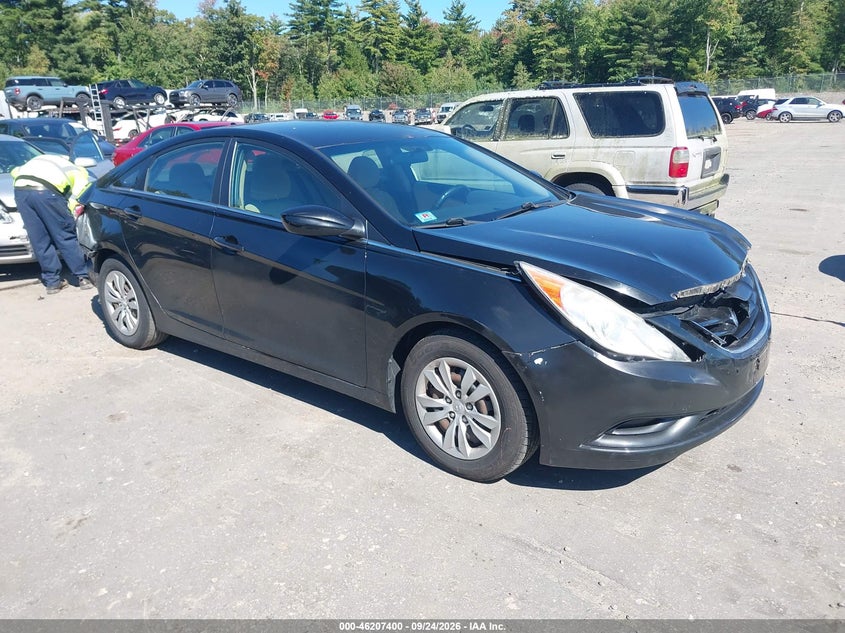
When the car was recorded, it showed front-end damage. A damage entry is a starting point for the inspection, telling the mechanic where to look first. Damage rarely stays where it is first seen: an impact can reach the mountings and airbags behind a panel, and water or fire the wiring and electronics.
No key was available with the car, so a new one will have to be made and programmed. Months of standing can leave a car with seized brakes and perished tyres.
The record shows a salvage title. Titles of this type are issued to cars declared a total loss. The structure and the quality of any work done deserve a thorough inspection on a car with a branded title.
Behind every used car lies a string of events: who owned it and for how long, what the inspections found and which repairs and claims were made. The paperwork is kept by different bodies – registries, workshops, insurance companies and lenders – so the history of one car is spread across many places. Much of a car’s past cannot be seen: a good body repair leaves no obvious mark, and neither do years of hard driving.
A cold start, the colour of the exhaust smoke and any oil leaks tell a mechanic a good deal about how an engine has been treated. On a petrol engine, spark plugs, ignition coils and the cooling system are the routine items a service history should cover. Automatic transmissions, CVTs included, are expensive to repair, so the test drive should include pulling away from a standstill and a stretch at motorway speed.
A vehicle identification number has 17 characters: the first three name the manufacturer, the next six describe the model and its specification, and the last eight identify the individual car. The record gives the VIN as 5NPEB4AC7DH772021. A VIN that differs between the documents and the car, or shows signs of tampering, is reason enough to walk away.
A VIN report shows what has been logged: earlier registrations, odometer figures, damage entries, branded titles and theft checks, wherever such data exists. Paperwork is only as complete as the people who kept it, so a report with few entries lowers the risk without removing it. However complete the paperwork, only an inspection shows the condition of the body, suspension, brakes and electrics today. For this 2013 Hyundai Sonata GLS, the sensible next step is a history check on VIN 5NPEB4AC7DH772021.
Similar HYUNDAI SONATA GLS cars
All HYUNDAI cars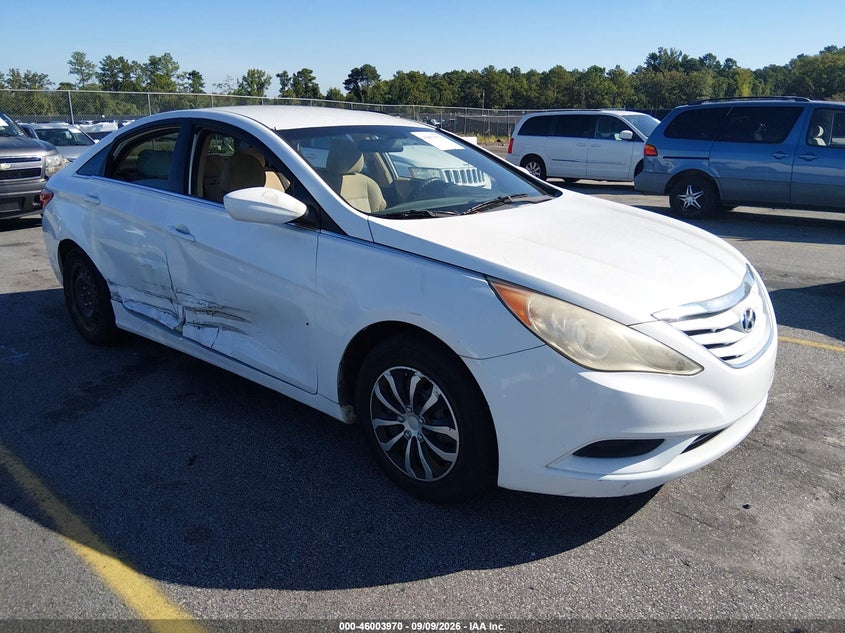 2011 HYUNDAI SONATA GLS
5NPEB4•••••••8335
2.4 gasoline · Automatic
Check history
2011 HYUNDAI SONATA GLS
5NPEB4•••••••8335
2.4 gasoline · Automatic
Check history
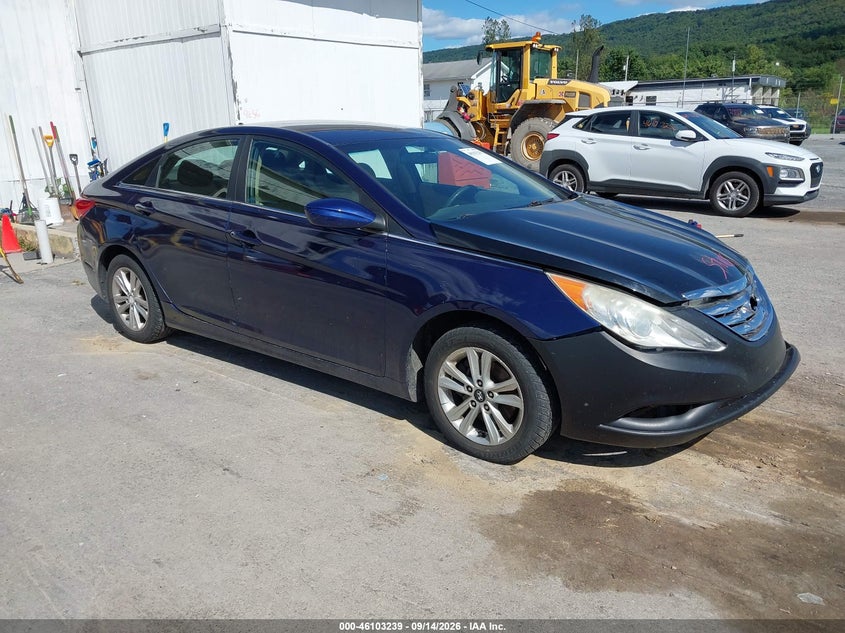 2011 HYUNDAI SONATA GLS
5NPEB4•••••••4281
2.4 gasoline · Automatic
Check history
2011 HYUNDAI SONATA GLS
5NPEB4•••••••4281
2.4 gasoline · Automatic
Check history
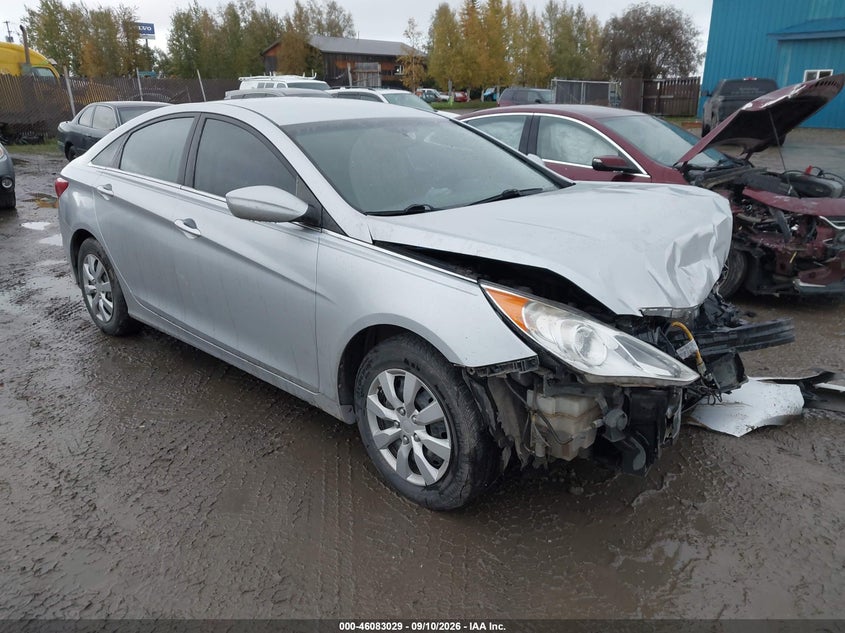 2012 HYUNDAI SONATA GLS
5NPEB4•••••••5125
2.4 gasoline · Automatic
Check history
2012 HYUNDAI SONATA GLS
5NPEB4•••••••5125
2.4 gasoline · Automatic
Check history
 2011 HYUNDAI SONATA GLS
5NPEB4•••••••3475
2.4 gasoline · Automatic
Check history
2011 HYUNDAI SONATA GLS
5NPEB4•••••••3475
2.4 gasoline · Automatic
Check history