2019 TOYOTA SIENNA L 7-PASSENGER VIN 5TDZZ3DCXKS004835
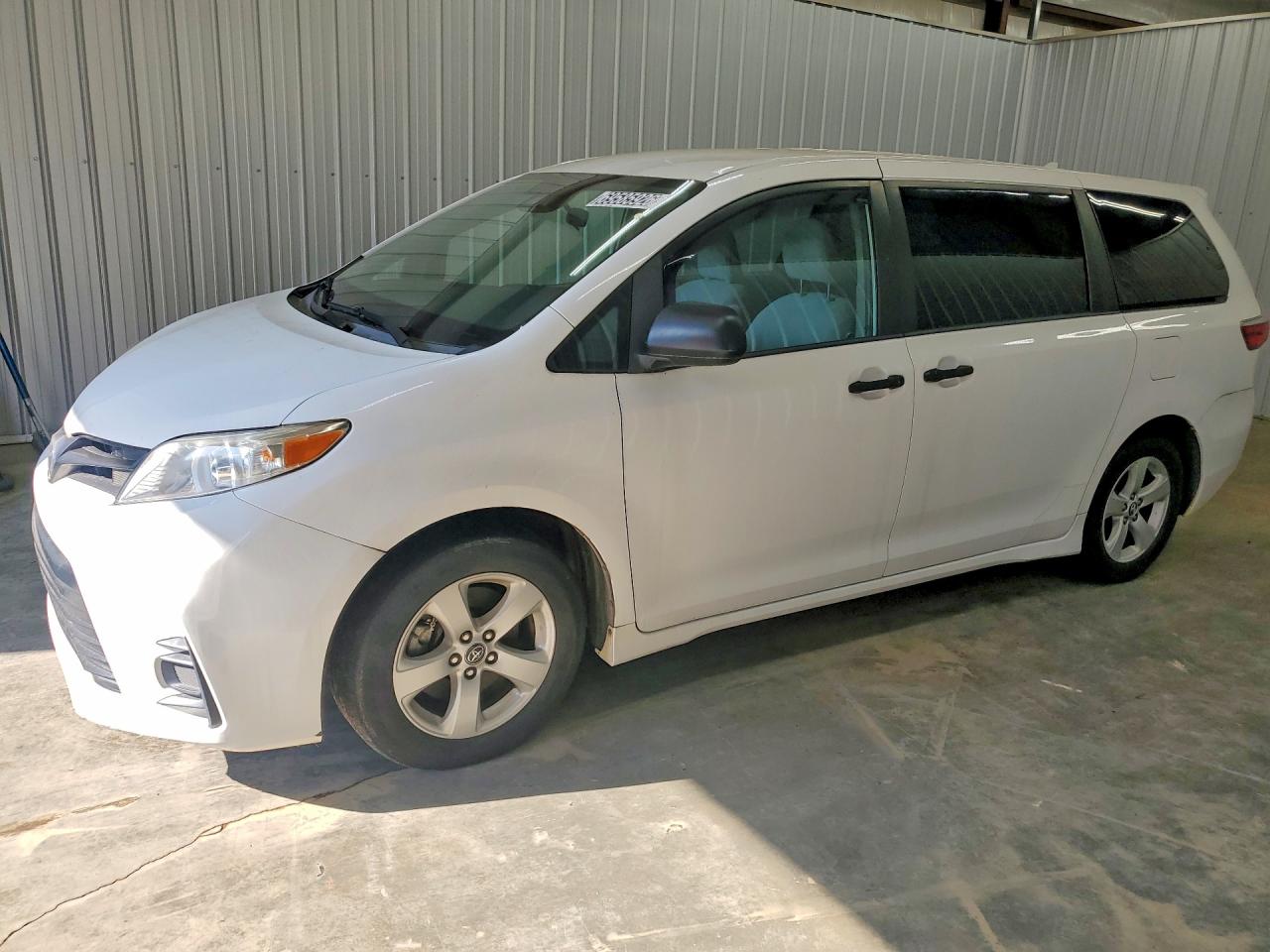
Damage map
If damage records exist for this VIN, the report shows the affected zonesTheft, liens and title
Checks that matter for registration and resaleRecorded condition
What the source noted about the car as it stands- Runs and drives
- Yes
- Engine starts
- Yes
- Keys available
- Yes
- Start code
- Run & Drive
History timeline
Data decoded from the VIN is shown. Records on file, if any, are in the full report.Mileage
Odometer reading as recorded at the sourceEarlier photos may be in the report
Check before you buy
Four things worth checking on any used carTOYOTA SIENNA L 7-PASSENGER specifications
- VIN
- 5TDZZ3DCXKS004835
- Make
- TOYOTA
- Model
- SIENNA L 7-PASSENGER
- Year
- 2019
- Colour
- WHITE
- Fuel
- Gasoline
- Engine
- 3.5 L
- Cylinders
- 6
- Power
- 296 hp
- Transmission
- Automatic
- Drive
- FWD
- Recorded odometer
- 111 222 mi
- Recorded damage
- Normal Wear
What buyers ask about the TOYOTA SIENNA L 7-PASSENGER
Was this 2019 TOYOTA SIENNA L 7-PASSENGER damaged before?
The damage in the specifications is what the source noted at the time. Earlier accidents and repairs on file for VIN 5TDZZ3DCXKS004835, if any, are in the full report.
Can I trust the odometer reading of 111 222 mi?
It is the figure as recorded, not verified. Compare it with the earlier readings in the full report: they can only go up, so a drop points to a wound-back odometer.
In which countries was this car registered?
Registrations abroad seldom reach local registers. If this car was registered in other countries, the full report names them.
Who sells the report, and what does it cost?
An independent partner, selected automatically for each VIN by our system from analytical data. The partner shows the price before you pay; we may earn a commission.
VIN 5TDZZ3DCXKS004835: history
This Toyota Sienna L 7-PASSENGER was built in 2019. The drivetrain combines an automatic gearbox with front-wheel drive. Under the bonnet is a 3.5-litre petrol engine. Every figure for this car is given as it appears in the source data.
The car was recorded with 111,222 miles on the clock. Miles and kilometres are easy to confuse, and a distance in miles looks lower than the same distance in kilometres. The mileage is high for the car’s age, so the suspension, brakes, seats and steering wheel deserve a close look. A later figure lower than an earlier one points to a replaced instrument cluster or an odometer that has been wound back.
The source data names no primary damage. That shows only that none was entered, so the body still deserves a close look. Water marks under the carpets, rust in unusual places or a panel in a slightly different shade would point to damage nobody ever entered.
When checked, the car could be started and driven under its own power. A key was present.
The record shows a salvage title. A title of this kind usually means the car was written off as a total loss after damage. A branded title follows the car through every change of owner, so it remains part of its history.
Behind every used car lies a string of events: who owned it and for how long, what the inspections found and which repairs and claims were made. No single office holds the whole story of a car: registries, workshops, insurance companies and lenders each keep their own part. A car’s past rarely shows on the paintwork: a well-repaired accident or water damage that was dried out is easy to miss.
A cold start, the colour of the exhaust smoke and any oil leaks tell a mechanic a good deal about how an engine has been treated. Many modern petrol engines are turbocharged and direct-injected; where they are, the turbocharger and injectors belong on a specialist’s checklist. Automatic transmissions, CVTs included, are expensive to repair, so the test drive should include pulling away from a standstill and a stretch at motorway speed.
A vehicle identification number has 17 characters: the first three name the manufacturer, the next six describe the model and its specification, and the last eight identify the individual car. The record gives the VIN as 5TDZZ3DCXKS004835. A VIN that differs between the documents and the car, or shows signs of tampering, is reason enough to walk away.
A VIN report gathers what different sources know about a car, such as the number of owners, mileage readings, damage and any branded title. The absence of an entry is not proof that nothing happened; it may only mean that nobody wrote it down. A professional inspection makes sense whatever the paperwork shows, because no report measures corrosion, worn bushes or a poor repair. Look up the history of VIN 5TDZZ3DCXKS004835 first, and let what it shows guide the inspection.
Similar TOYOTA SIENNA L 7-PASSENGER cars
All TOYOTA cars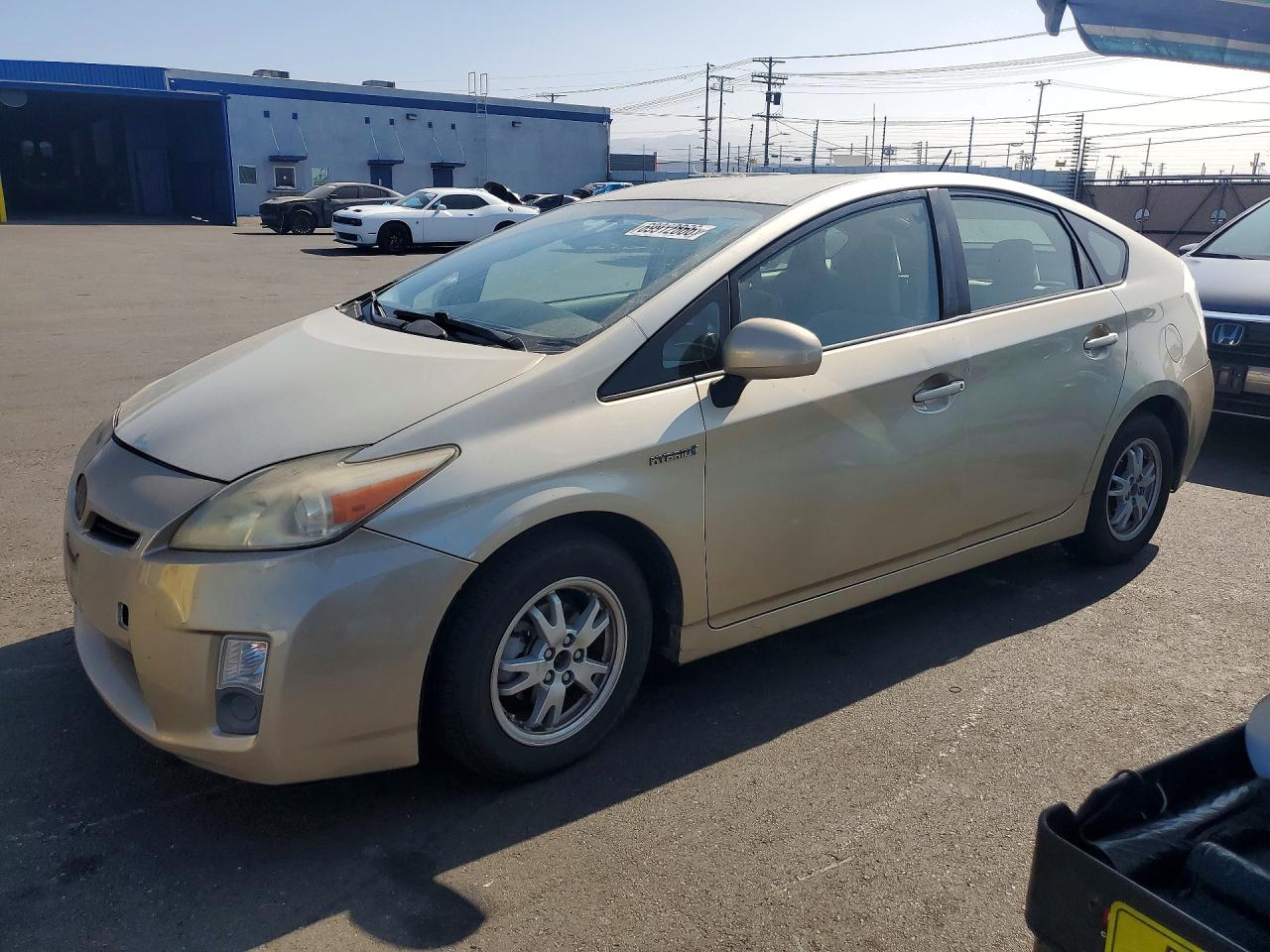 2010 TOYOTA PRIUS III
JTDKN3•••••••5512
1.8 hybrid · Automatic
Check history
2010 TOYOTA PRIUS III
JTDKN3•••••••5512
1.8 hybrid · Automatic
Check history
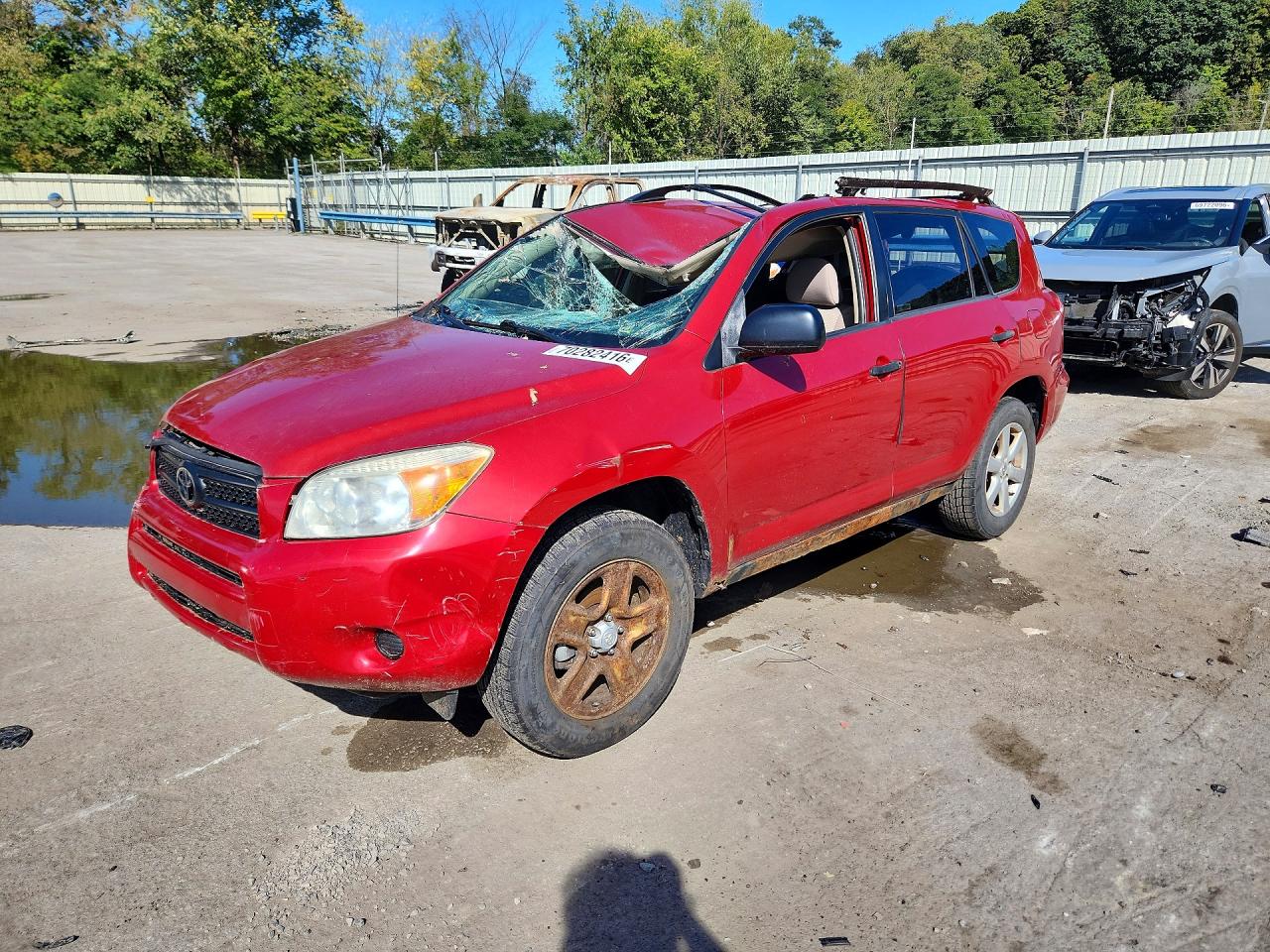 2008 TOYOTA RAV4 BASE
JTMZD3•••••••4370
2.4 gasoline · Automatic
Check history
2008 TOYOTA RAV4 BASE
JTMZD3•••••••4370
2.4 gasoline · Automatic
Check history
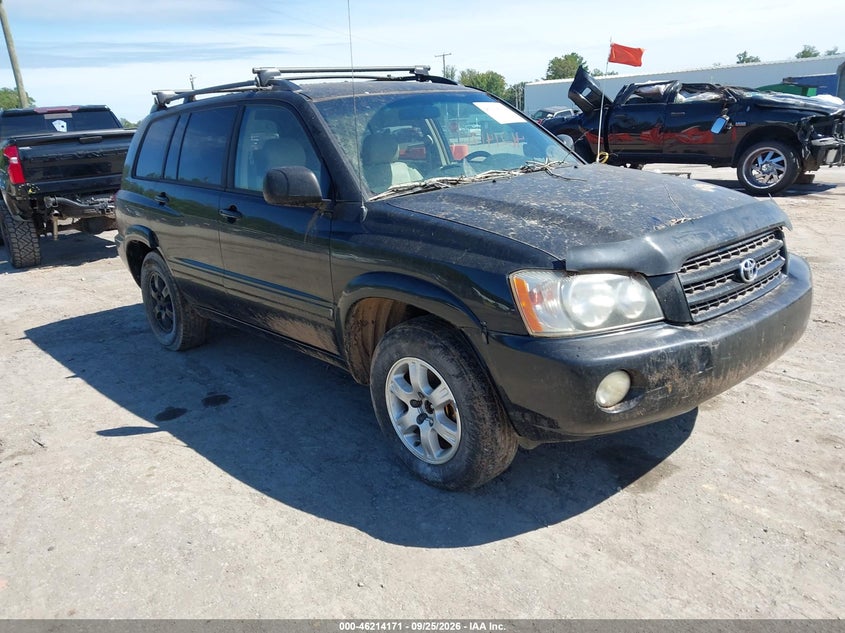 2001 TOYOTA HIGHLANDER V6
JTEGF2•••••••0386
3.0 gasoline · Automatic
Check history
2001 TOYOTA HIGHLANDER V6
JTEGF2•••••••0386
3.0 gasoline · Automatic
Check history
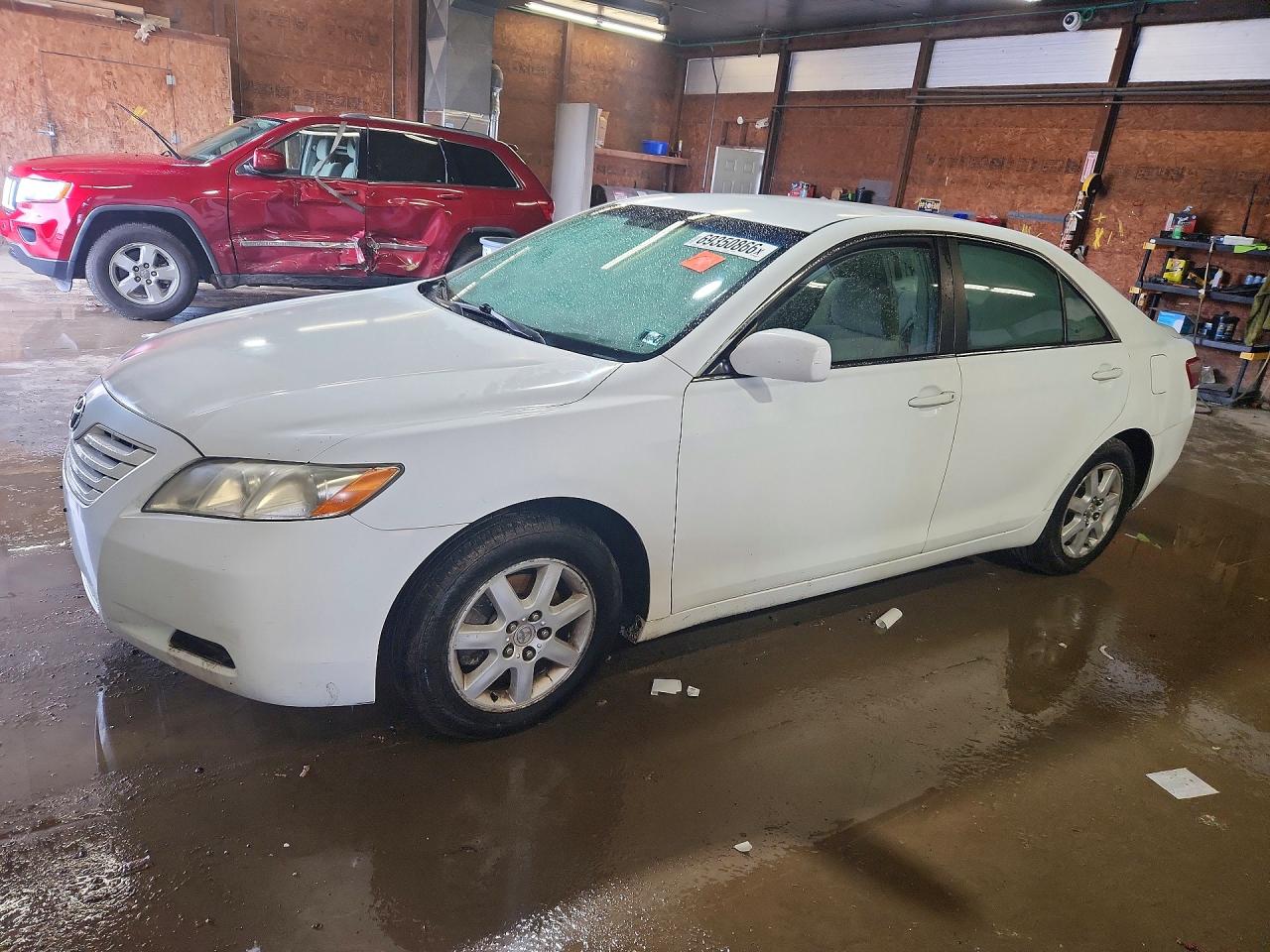 2009 TOYOTA CAMRY LE
4T1BE4•••••••2617
2.4 gasoline · Automatic
Check history
2009 TOYOTA CAMRY LE
4T1BE4•••••••2617
2.4 gasoline · Automatic
Check history