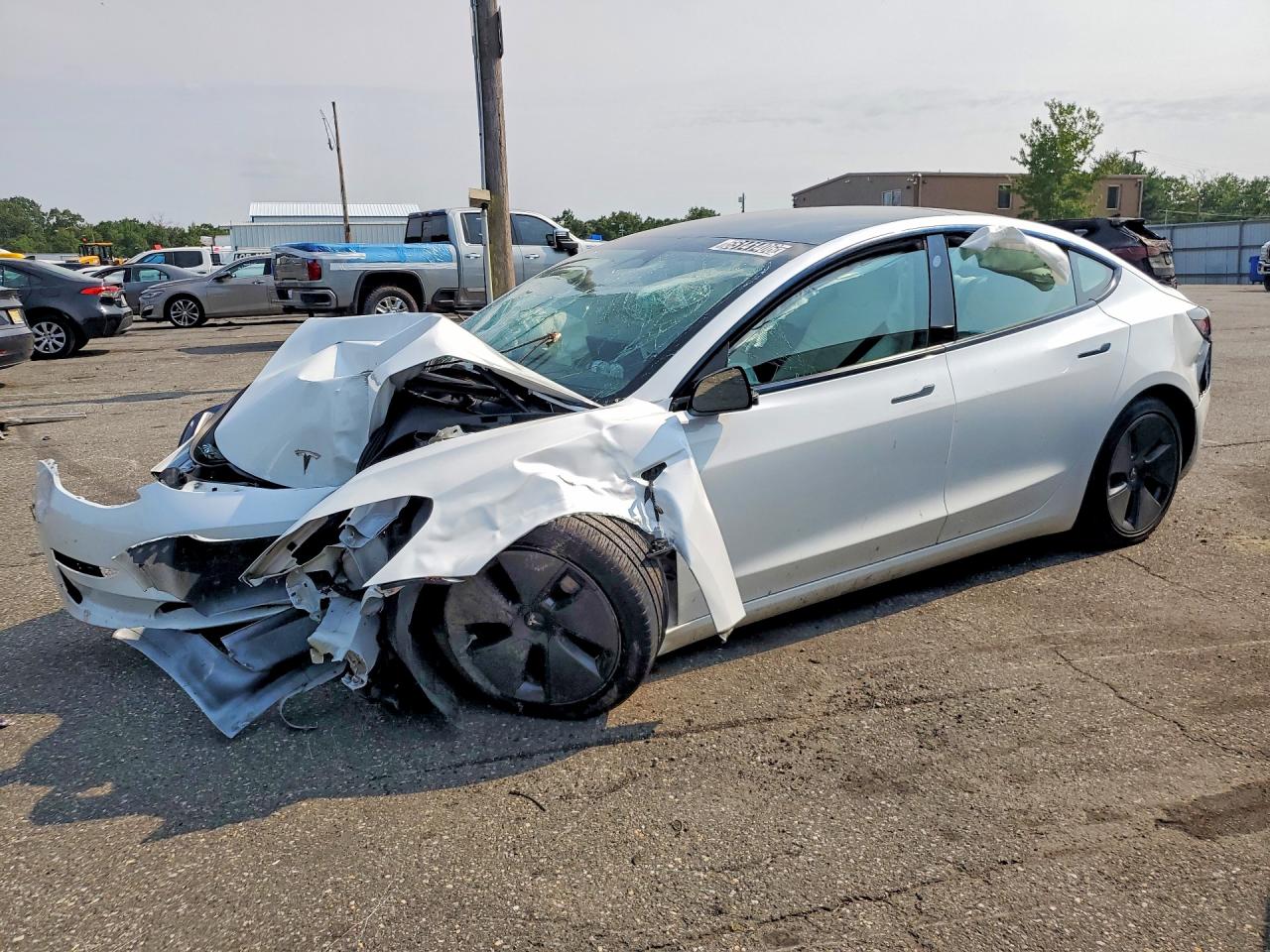
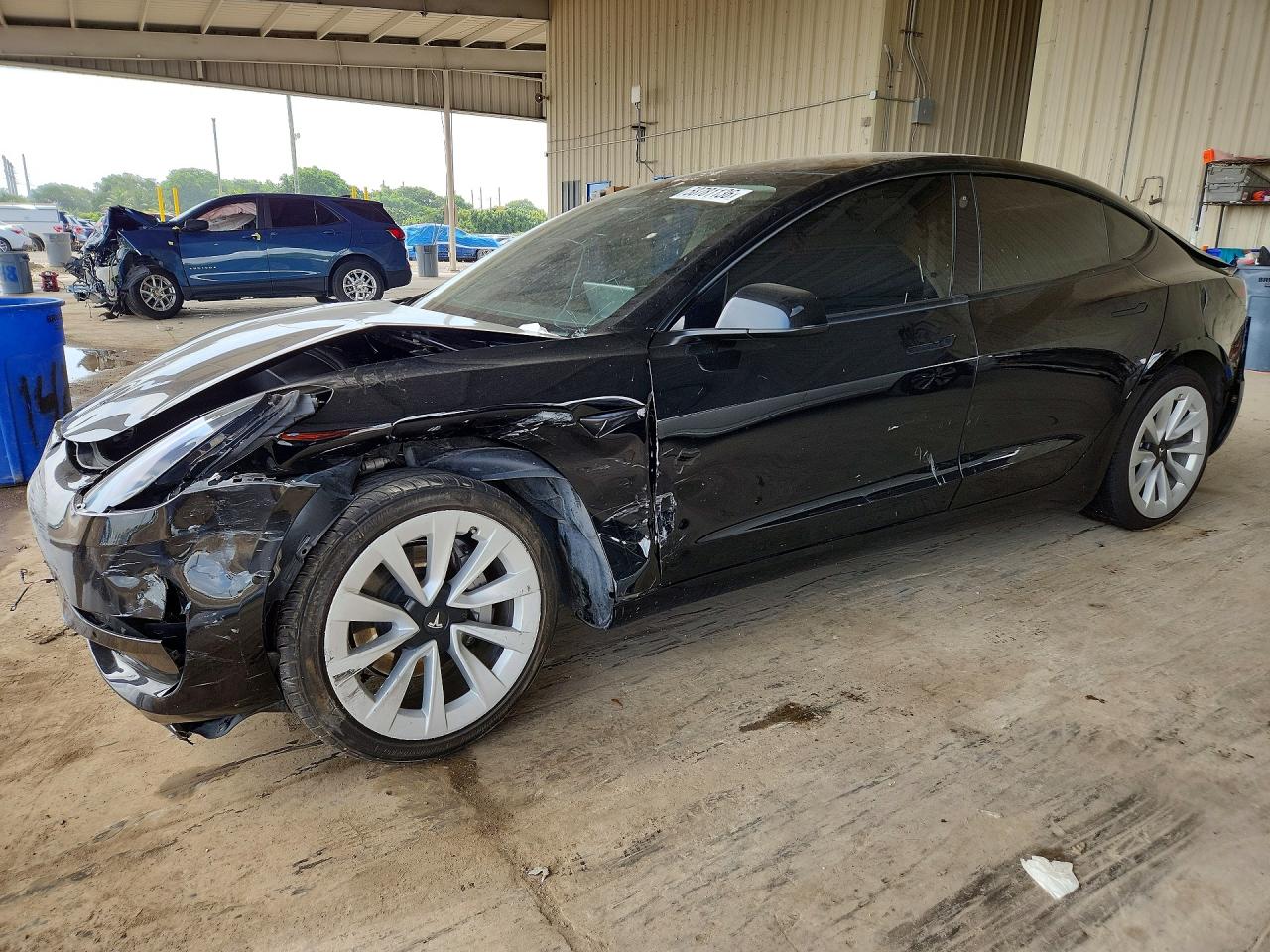
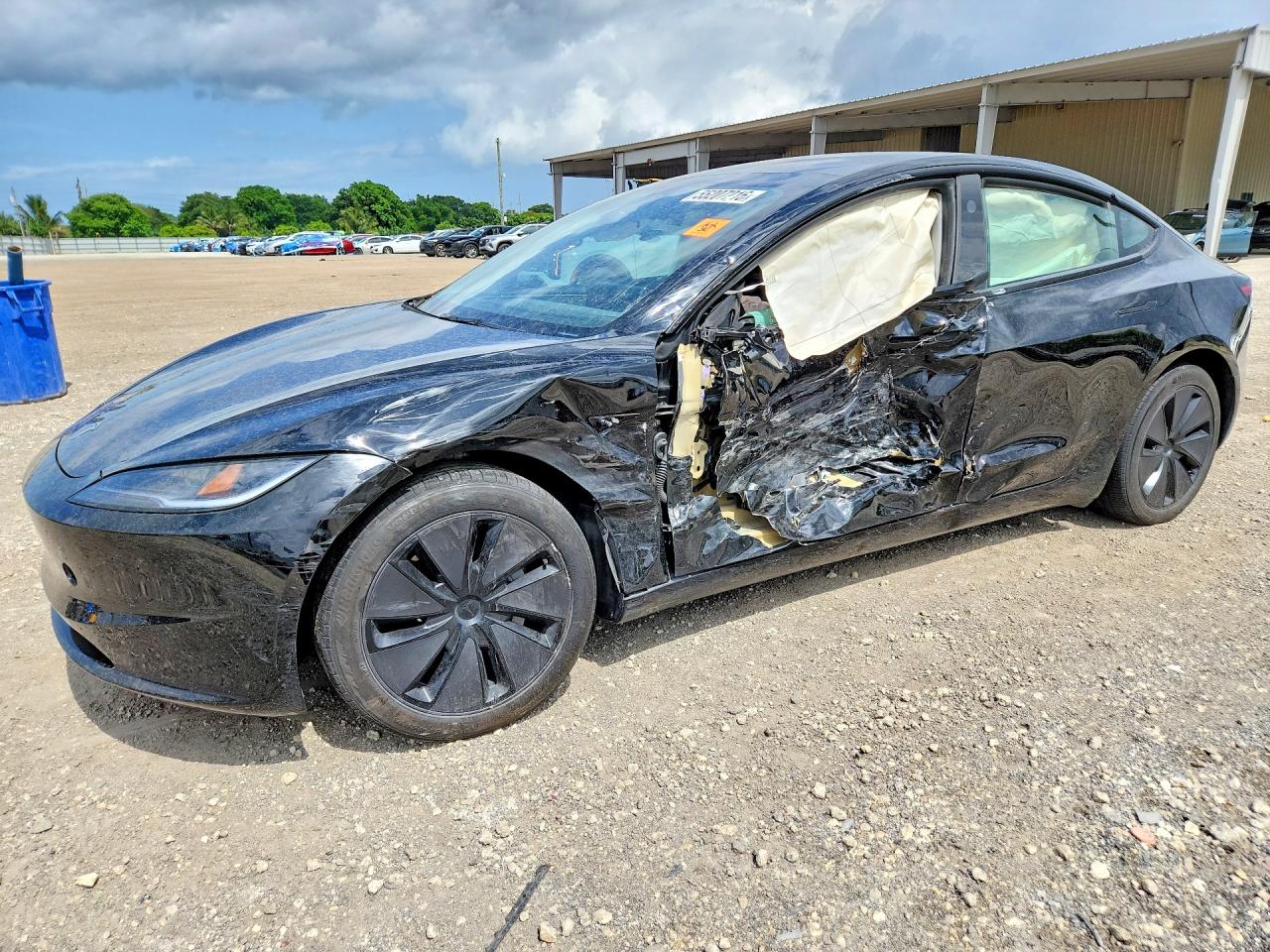
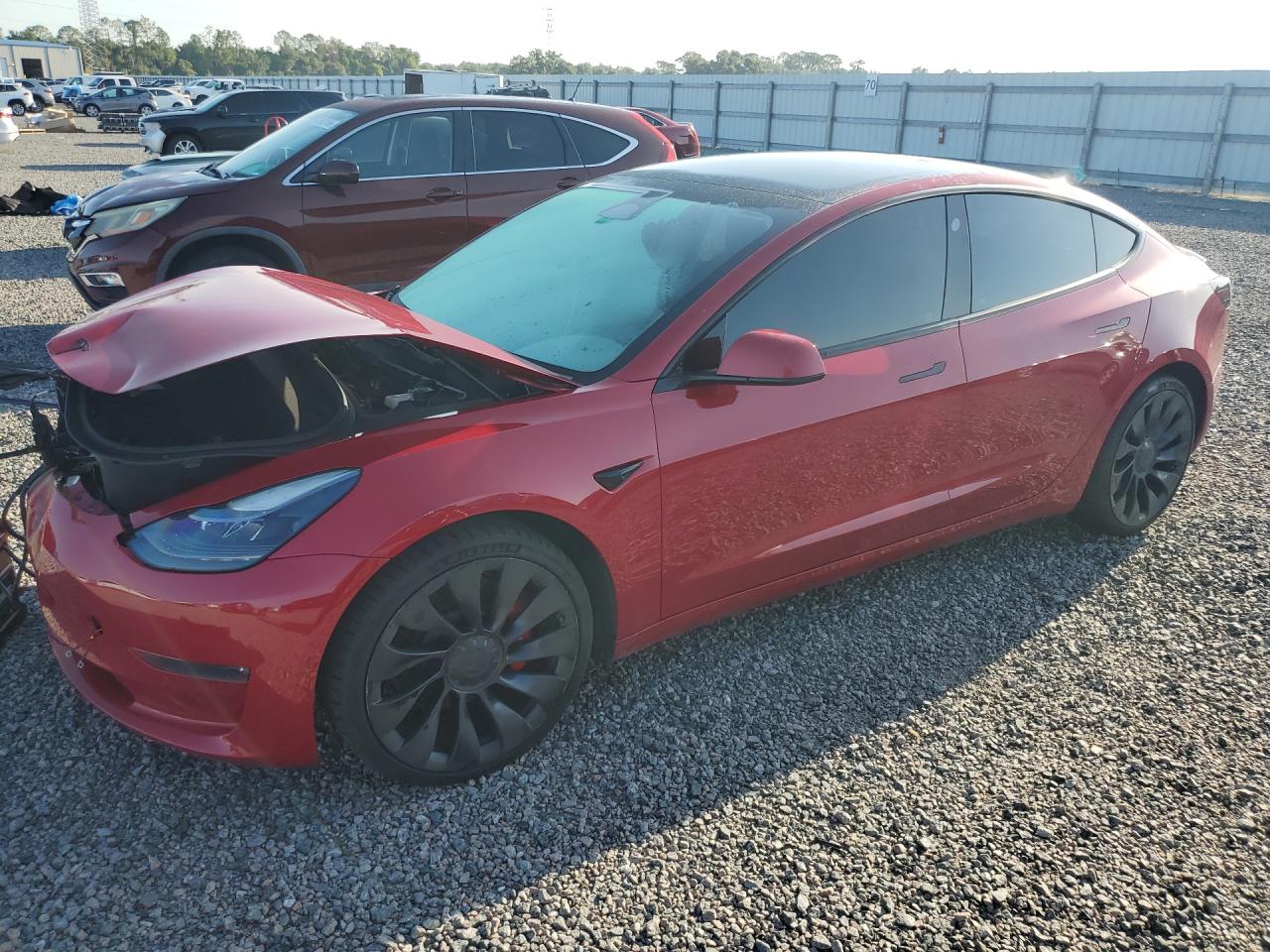
2022 TESLA MODEL 3 VIN 5YJ3E1EA8NF371874
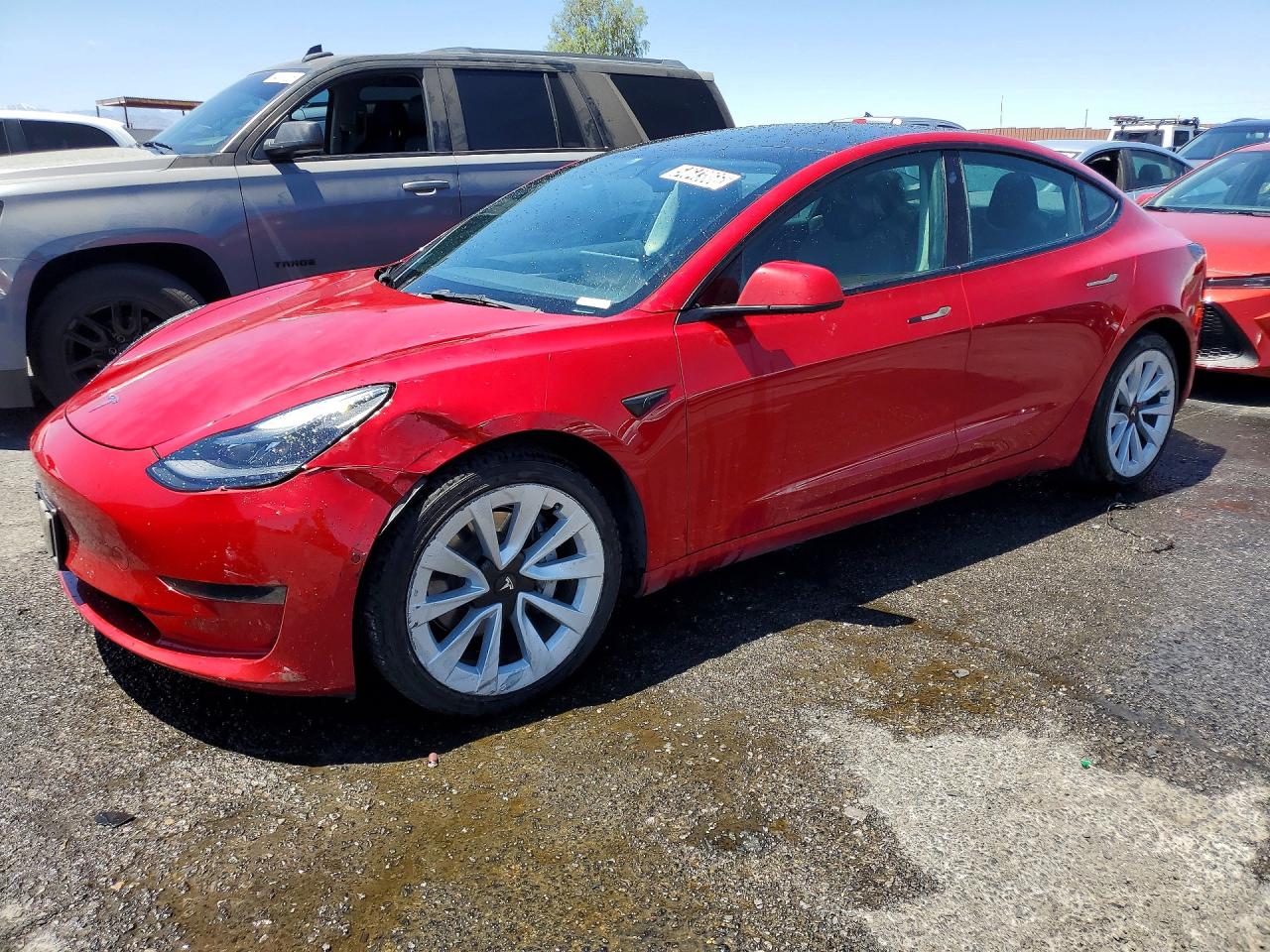
Damage map
If damage records exist for this VIN, the report shows the affected zonesTheft, liens and title
Checks that matter for registration and resaleRecorded condition
What the source noted about the car as it stands- Runs and drives
- Yes
- Engine starts
- Yes
- Keys available
- Yes
- Start code
- Run & Drive
History timeline
Data decoded from the VIN is shown. Records on file, if any, are in the full report.Mileage
Odometer reading as recorded at the sourceEarlier photos may be in the report
Check before you buy
Four things worth checking on any used carTESLA MODEL 3 specifications
- VIN
- 5YJ3E1EA8NF371874
- Make
- TESLA
- Model
- MODEL 3
- Year
- 2022
- Colour
- RED
- Fuel
- Electric
- Transmission
- Automatic
- Drive
- RWD
- Recorded odometer
- 136 426 mi
- Recorded damage
- Front End
What buyers ask about the TESLA MODEL 3
Was this 2022 TESLA MODEL 3 damaged before?
The damage in the specifications is what the source noted at the time. Earlier accidents and repairs on file for VIN 5YJ3E1EA8NF371874, if any, are in the full report.
Can I trust the odometer reading of 136 426 mi?
It is the figure as recorded, not verified. Compare it with the earlier readings in the full report: they can only go up, so a drop points to a wound-back odometer.
In which countries was this car registered?
Registrations abroad seldom reach local registers. If this car was registered in other countries, the full report names them.
Who sells the report, and what does it cost?
An independent partner, selected automatically for each VIN by our system from analytical data. The partner shows the price before you pay; we may earn a commission.
VIN 5YJ3E1EA8NF371874: history
This Tesla Model 3 was built in 2022. Power comes from electricity alone. In place of a gearbox there is a single-speed reduction gear, and the car has rear-wheel drive. Every figure for this car is given as it appears in the source data.
At the time of recording, the car had covered 136,426 miles. The figure is in miles and needs converting before it is compared with kilometres: one mile is about 1.6 km. Averaged over the car’s age, the mileage works out well above the usual annual distance, and wear on the suspension, brakes and interior should be judged with that in mind. Turning back an odometer takes little skill and leaves no visible trace, which is why earlier figures matter more than the display. Older figures usually turn up on service invoices, inspection reports and past title paperwork.
This Tesla Model 3 is recorded with front-end damage. The damage type is a short label: the extent of the damage and the quality of any repair still have to be judged on the car. Whatever the cause, a diagnostic scan of the car’s electronics shows fault codes that a visual check misses.
At the time of recording, the car ran and drove. A key was present. Running condition describes a single moment, and standing or work done since can change it.
The car carries a clean title. A clean title is a good sign, though it says nothing about wear, maintenance or how the car was driven.
Behind every used car lies a string of events: who owned it and for how long, what the inspections found and which repairs and claims were made. Pieces of a car’s history sit with registries, dealers, workshops and insurance companies, and none of them sees the whole picture. A car’s past rarely shows on the paintwork: a well-repaired accident or water damage that was dried out is easy to miss.
The battery is the most expensive part of an electric car, so the share of its original capacity still available should be measured. Traction batteries and their wiring are sensitive to impact and water, so a damaged electric car should not be driven again until its battery system has been checked.
A VIN never contains the letters I, O or Q, which could be mistaken for digits; its 17 characters identify the maker, the model and the individual car. The VIN of this Tesla Model 3 is 5YJ3E1EA8NF371874. The number in the car’s documents should match the one stamped into the body and the one on the plate at the base of the windscreen.
A VIN report shows what has been logged: earlier registrations, odometer figures, damage entries, branded titles and theft checks, wherever such data exists. No report is complete: a repair done privately and never claimed on insurance leaves nothing to find. A history report says nothing about the car’s present condition: the frame, corrosion, electrics and the quality of any repair are judged on a lift by a mechanic. The next step is to look up the history behind VIN 5YJ3E1EA8NF371874.