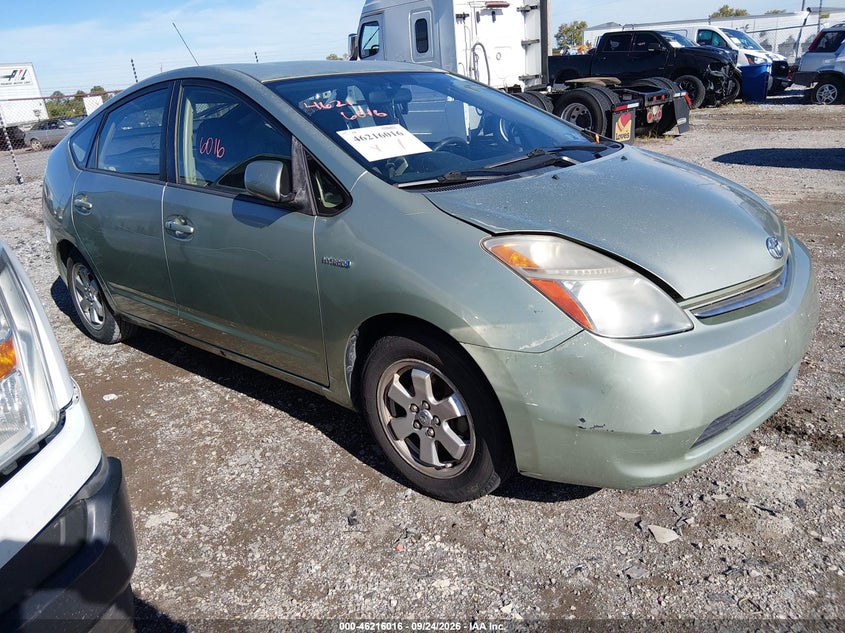
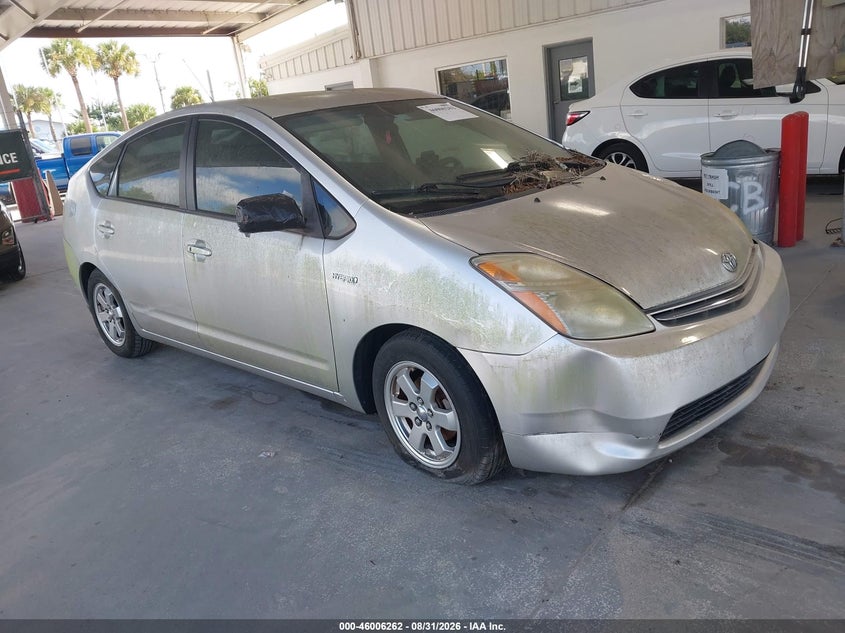
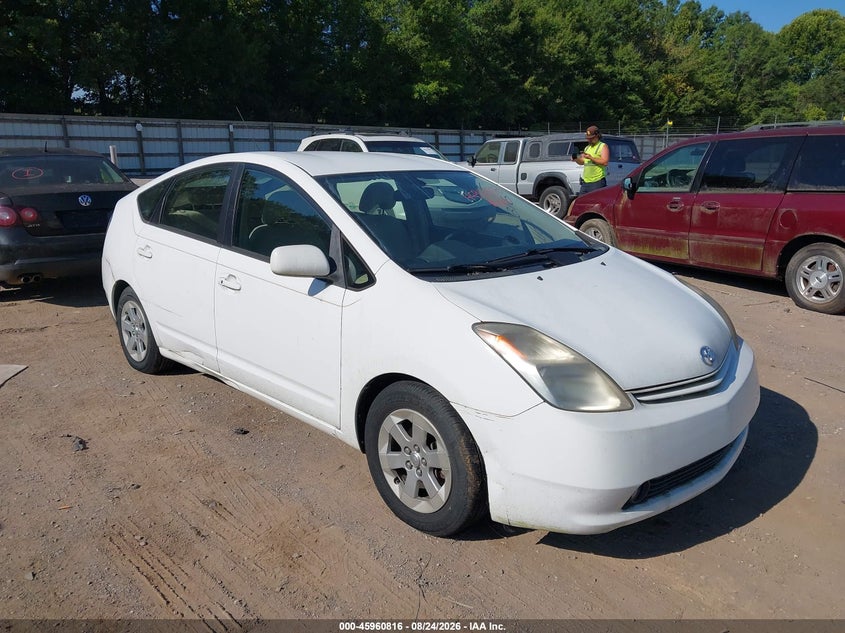
2009 TOYOTA PRIUS VIN JTDKB20U597825733
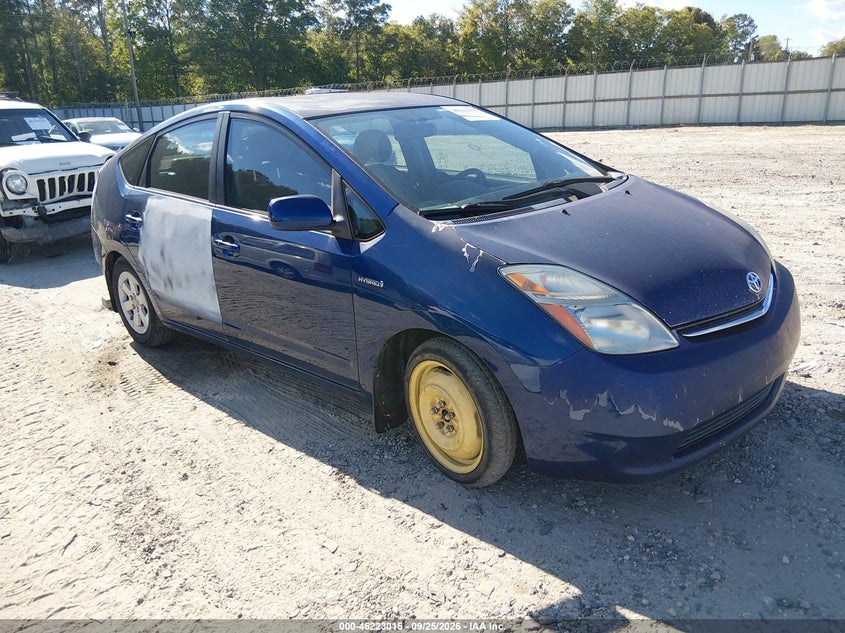
Damage map
If damage records exist for this VIN, the report shows the affected zonesTheft, liens and title
Checks that matter for registration and resaleRecorded condition
What the source noted about the car as it stands- Keys available
- Yes
History timeline
Data decoded from the VIN is shown. Records on file, if any, are in the full report.Mileage
Odometer reading as recorded at the sourceEarlier photos may be in the report
Check before you buy
Four things worth checking on any used carTOYOTA PRIUS specifications
- VIN
- JTDKB20U597825733
- Make
- TOYOTA
- Model
- PRIUS
- Year
- 2009
- Colour
- BLUE
- Fuel
- Hybrid
- Engine
- 1.5 L
- Cylinders
- 4
- Power
- 76 hp
- Transmission
- Automatic
- Drive
- FWD
- Recorded odometer
- 1 mi
- Recorded damage
- Normal Wear & Tear
What buyers ask about the TOYOTA PRIUS
Was this 2009 TOYOTA PRIUS damaged before?
The damage in the specifications is what the source noted at the time. Earlier accidents and repairs on file for VIN JTDKB20U597825733, if any, are in the full report.
Can I trust the odometer reading of 1 mi?
It is the figure as recorded, not verified. Compare it with the earlier readings in the full report: they can only go up, so a drop points to a wound-back odometer.
In which countries was this car registered?
Registrations abroad seldom reach local registers. If this car was registered in other countries, the full report names them.
Who sells the report, and what does it cost?
An independent partner, selected automatically for each VIN by our system from analytical data. The partner shows the price before you pay; we may earn a commission.
VIN JTDKB20U597825733: history
This record covers a 2009 Toyota Prius, finished in blue. A 1.5-litre engine works together with an electric motor, for a combined output of 76 hp. The gearbox is automatic.
Turning back an odometer takes little skill and leaves no visible trace, which is why earlier figures matter more than the display. Figures carry most weight when they come from independent sources: workshops, inspection stations and past title paperwork.
The source data names no primary damage. That shows only that none was entered, so the body still deserves a close look. Water marks under the carpets, rust in unusual places or a panel in a slightly different shade would point to damage nobody ever entered.
A key was noted with the car. Months of standing can leave a car with seized brakes and perished tyres.
A clean title is on file for this car. There is no salvage or similar mark, so the car was never recorded as a total loss.
Registrations, changes of owner, inspection results and accident claims together make up what is called a car’s history. The paperwork is kept by different bodies – registries, workshops, insurance companies and lenders – so the history of one car is spread across many places. From the outside, a car with a repaired accident and a car without one can look identical.
For the engine, the service history matters most: oil changes, filters and the timing belt or chain are the entries to look for. A hybrid’s traction battery loses capacity over the years, and a health check by a specialist is the reliable way to know its condition. The automatic gearbox should respond smoothly and without delay; jerks, slipping or hesitation on a test drive need investigating.
The ninth character of the VIN is a check digit calculated from the other sixteen, so a mistyped or invented number does not add up. The VIN on file for this car is JTDKB20U597825733.
Where entries exist, a VIN check can show changes of owner, past mileage readings, reported damage and whether the car is listed as stolen. Paperwork is only as complete as the people who kept it, so a report with few entries lowers the risk without removing it. A professional inspection makes sense whatever the paperwork shows, because no report measures corrosion, worn bushes or a poor repair. The next step is to look up the history behind VIN JTDKB20U597825733.