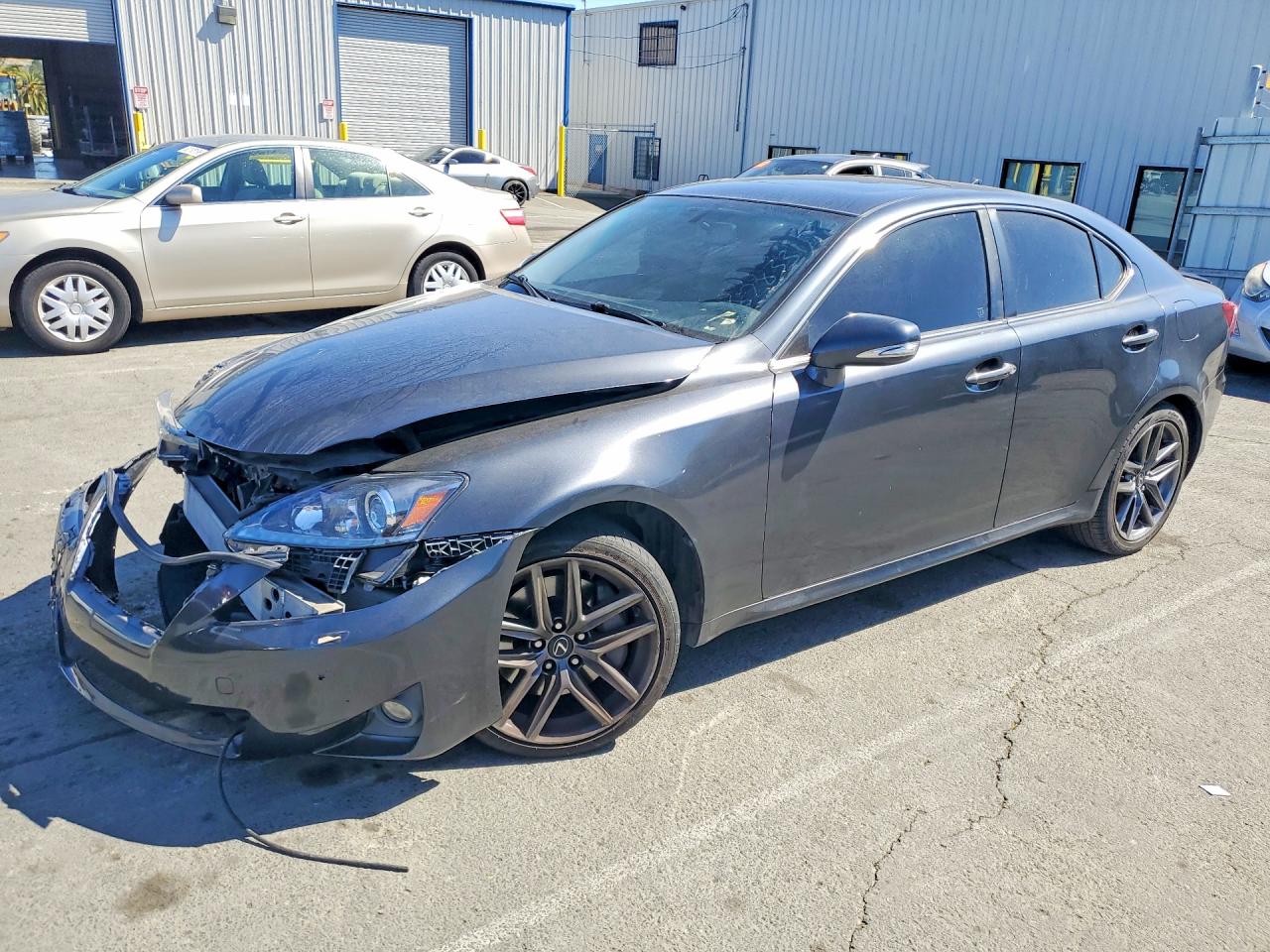
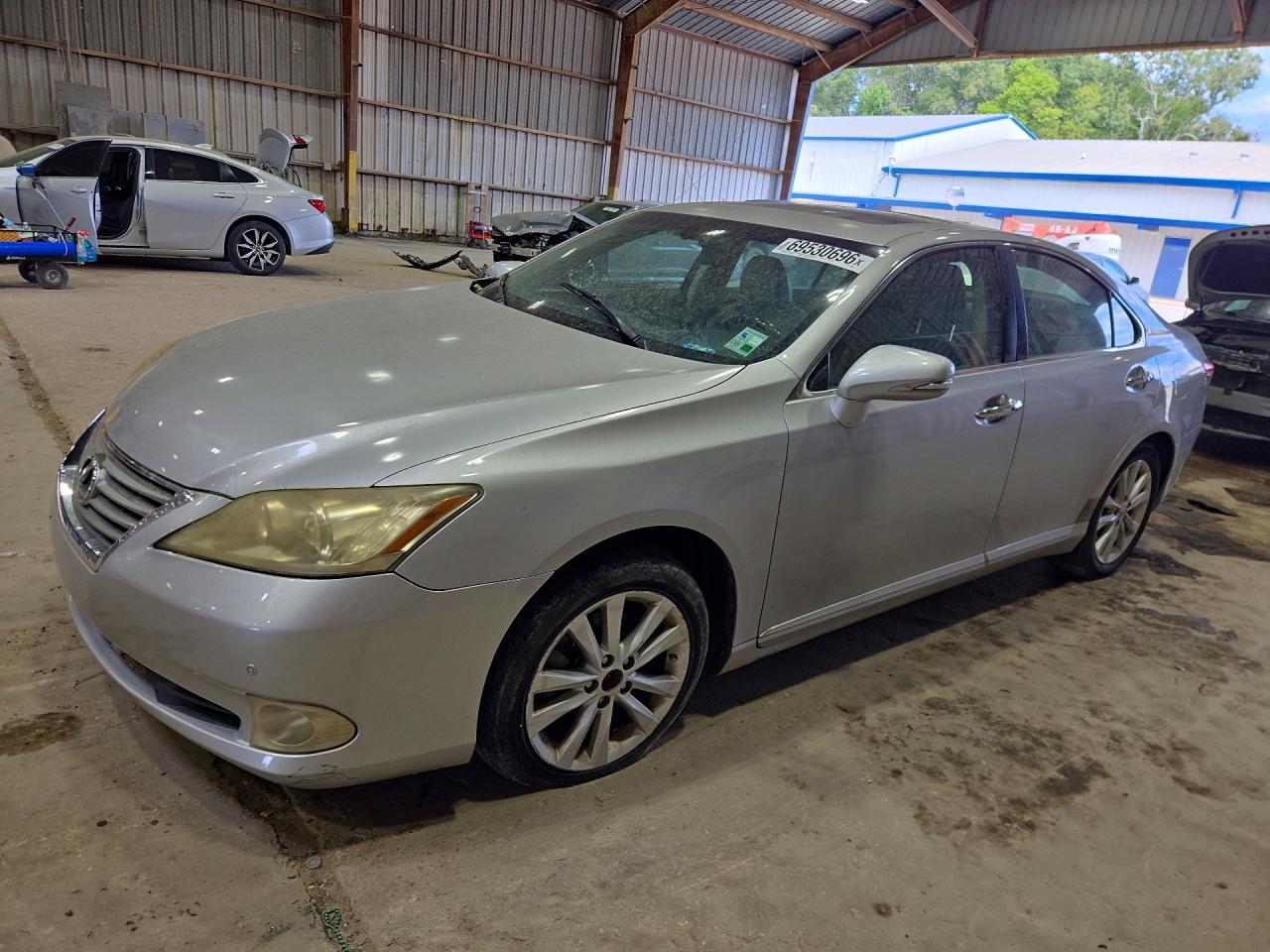
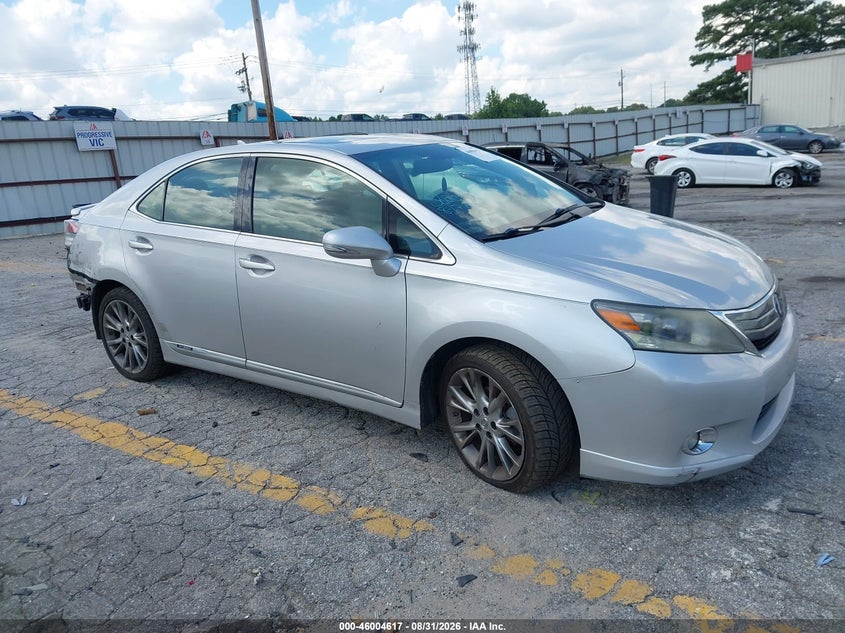
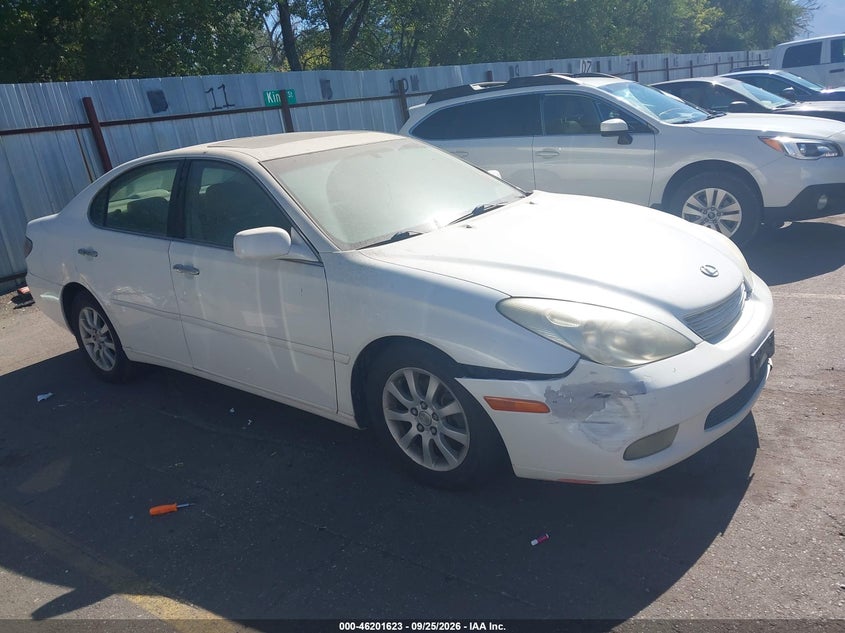
2002 LEXUS ES 300 VIN JTHBF30G120042460
Damage map
If damage records exist for this VIN, the report shows the affected zonesTheft, liens and title
Checks that matter for registration and resaleRecorded condition
What the source noted about the car as it stands- Keys available
- Yes
History timeline
Data decoded from the VIN is shown. Records on file, if any, are in the full report.Mileage
Odometer reading as recorded at the sourceEarlier photos may be in the report
Check before you buy
Four things worth checking on any used carLEXUS ES 300 specifications
- VIN
- JTHBF30G120042460
- Make
- LEXUS
- Model
- ES 300
- Year
- 2002
- Colour
- WHITE
- Fuel
- Gasoline
- Engine
- 3.0 L
- Cylinders
- 6
- Power
- 210 hp
- Transmission
- Automatic
- Drive
- FWD
- Recorded odometer
- 190 572 mi
- Recorded damage
- Normal Wear & Tear
What buyers ask about the LEXUS ES 300
Was this 2002 LEXUS ES 300 damaged before?
The damage in the specifications is what the source noted at the time. Earlier accidents and repairs on file for VIN JTHBF30G120042460, if any, are in the full report.
Can I trust the odometer reading of 190 572 mi?
It is the figure as recorded, not verified. Compare it with the earlier readings in the full report: they can only go up, so a drop points to a wound-back odometer.
In which countries was this car registered?
Registrations abroad seldom reach local registers. If this car was registered in other countries, the full report names them.
Who sells the report, and what does it cost?
An independent partner, selected automatically for each VIN by our system from analytical data. The partner shows the price before you pay; we may earn a commission.
VIN JTHBF30G120042460: history
The Lexus ES 300 described here left the factory in 2002. There is an automatic gearbox, with front-wheel drive. Power comes from a 3.0-litre petrol engine with six cylinders. Every figure for this car is given as it appears in the source data.
The source data puts the mileage at 190,572 miles. The figure is in miles and needs converting before it is compared with kilometres: one mile is about 1.6 km. Services and inspections note the distance covered, so a car with an ordinary past builds up a trail of figures that climb year after year. A service book or a folder of workshop invoices is the simplest place to find past readings.
No primary damage is given in the record for this car, which is not the same as proof that it has never been damaged. Paint depth, panel gaps and the underbody show whether the body has been repaired.
A key was there when the car was checked. Running condition describes a single moment, and standing or work done since can change it.
A clean title is on file for this car. With a clean title the car can be registered and insured in the usual way.
Every car builds up a history from the day it is first registered: owners come and go, inspections are passed or failed, and repairs are paid for. The paperwork is kept by different bodies – registries, workshops, insurance companies and lenders – so the history of one car is spread across many places. Much of a car’s past cannot be seen: a good body repair leaves no obvious mark, and neither do years of hard driving.
A cold start, the colour of the exhaust smoke and any oil leaks tell a mechanic a good deal about how an engine has been treated. On a petrol engine, spark plugs, ignition coils and the cooling system are the routine items a service history should cover. Automatic transmissions, CVTs included, are expensive to repair, so the test drive should include pulling away from a standstill and a stretch at motorway speed.
A history check works by VIN because the number never changes, unlike registration plates and owners. For this car, the VIN is JTHBF30G120042460. Scratches, fresh paint or a replaced plate around the VIN markings are warning signs in their own right.
What a history report can list depends on what has been documented about the car: registrations, mileage readings, damage, branded titles and theft reports. A repair paid for in cash at a small workshop leaves no trace in any database, so no report can list it. A professional inspection makes sense whatever the paperwork shows, because no report measures corrosion, worn bushes or a poor repair. Look up the history of VIN JTHBF30G120042460 first, and let what it shows guide the inspection.