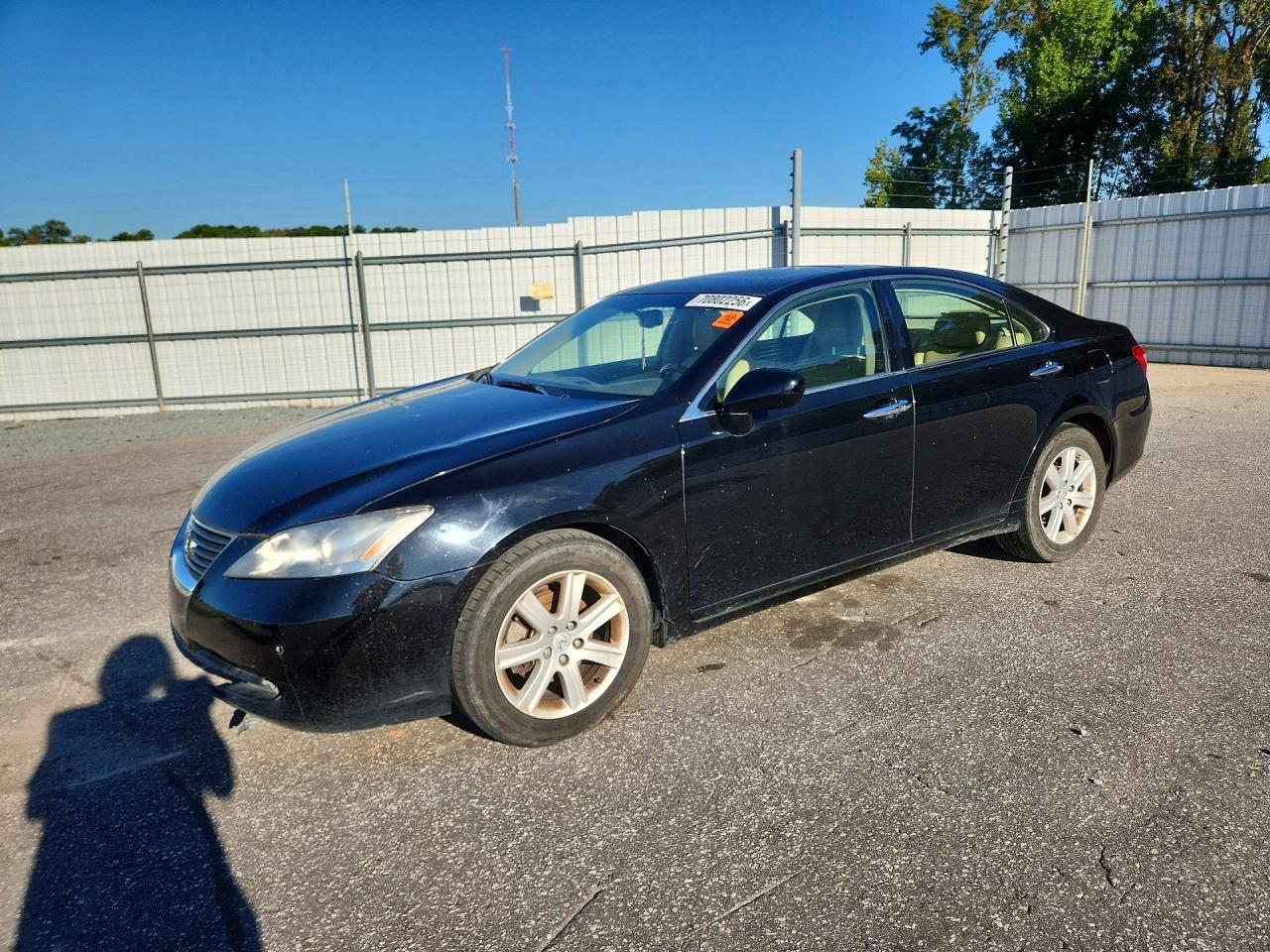
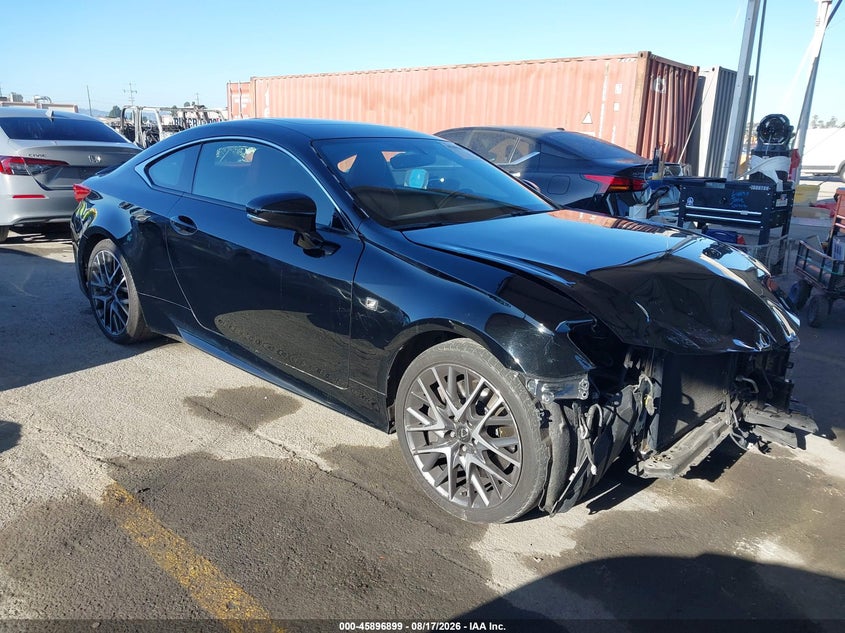
2019 LEXUS UX 250H VIN JTHU9JBH8K2019384

Damage map
If damage records exist for this VIN, the report shows the affected zonesTheft, liens and title
Checks that matter for registration and resaleRecorded condition
What the source noted about the car as it stands- Runs and drives
- Yes
- Engine starts
- Yes
- Keys available
- Yes
- Start code
- Run & Drive
History timeline
Data decoded from the VIN is shown. Records on file, if any, are in the full report.Mileage
Odometer reading as recorded at the sourceEarlier photos may be in the report
Check before you buy
Four things worth checking on any used carLEXUS UX 250H specifications
- VIN
- JTHU9JBH8K2019384
- Make
- LEXUS
- Model
- UX 250H
- Year
- 2019
- Colour
- BLACK
- Fuel
- Hybrid
- Engine
- 2.0 L
- Cylinders
- 4
- Power
- 143 hp
- Transmission
- Automatic
- Drive
- 4x4
- Recorded odometer
- 180 579 mi
- Recorded damage
- Minor Dent/Scratches
What buyers ask about the LEXUS UX 250H
Was this 2019 LEXUS UX 250H damaged before?
The damage in the specifications is what the source noted at the time. Earlier accidents and repairs on file for VIN JTHU9JBH8K2019384, if any, are in the full report.
Can I trust the odometer reading of 180 579 mi?
It is the figure as recorded, not verified. Compare it with the earlier readings in the full report: they can only go up, so a drop points to a wound-back odometer.
In which countries was this car registered?
Registrations abroad seldom reach local registers. If this car was registered in other countries, the full report names them.
Who sells the report, and what does it cost?
An independent partner, selected automatically for each VIN by our system from analytical data. The partner shows the price before you pay; we may earn a commission.
VIN JTHU9JBH8K2019384: history
This entry is for a 2019 Lexus UX 250H, finished in black. There is an automatic gearbox, with four-wheel drive. The powertrain is hybrid. Details for this car come from a single data source and may differ from its documents.
The clock stood at 180,579 miles when the data was entered. The instruments count in miles; the same distance in kilometres is about 1.6 times the figure. High mileage alone does not rule a car out; what matters is whether regular servicing kept pace with it. Turning back an odometer takes little skill and leaves no visible trace, which is why earlier figures matter more than the display. Older figures usually turn up on service invoices, inspection reports and past title paperwork.
In the source data, the main issue is minor dents and scratches. The damage type is a short label: the extent of the damage and the quality of any repair still have to be judged on the car.
The record notes that the car ran and drove. A key was noted with the car. A condition note describes the car at one moment; months of standing or later work on the car can change the picture in either direction.
A clean title is on file for this car. There is no salvage or similar mark, so the car was never recorded as a total loss.
Behind every used car lies a string of events: who owned it and for how long, what the inspections found and which repairs and claims were made. From the outside, a car with a repaired accident and a car without one can look identical.
A cold start, the colour of the exhaust smoke and any oil leaks tell a mechanic a good deal about how an engine has been treated. On a hybrid, the high-voltage battery and its cooling are as important as the engine, and a dealer or specialist can test the battery’s health. The automatic gearbox needs its fluid changed at the manufacturer’s intervals, and invoices should show that it was. On a car with four-wheel drive, a whine or clunk when turning tightly at low speed needs a mechanic’s attention.
A history check works by VIN because the number never changes, unlike registration plates and owners. For this car, the VIN is JTHU9JBH8K2019384. A VIN that differs between the documents and the car, or shows signs of tampering, is reason enough to walk away.
What a history report can list depends on what has been documented about the car: registrations, mileage readings, damage, branded titles and theft reports. A repair paid for in cash at a small workshop leaves no trace in any database, so no report can list it. A professional inspection makes sense whatever the paperwork shows, because no report measures corrosion, worn bushes or a poor repair. Before any decision, check what is known about VIN JTHU9JBH8K2019384.