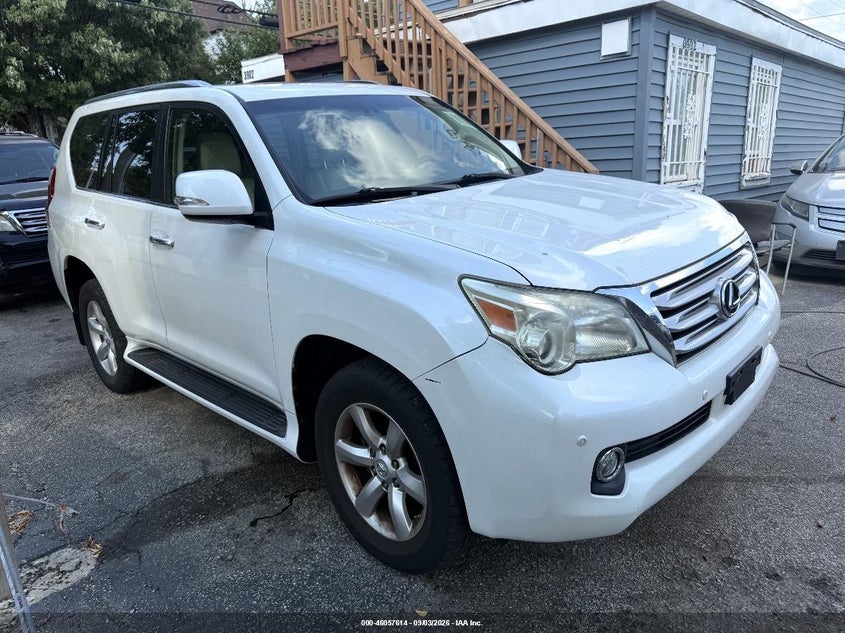
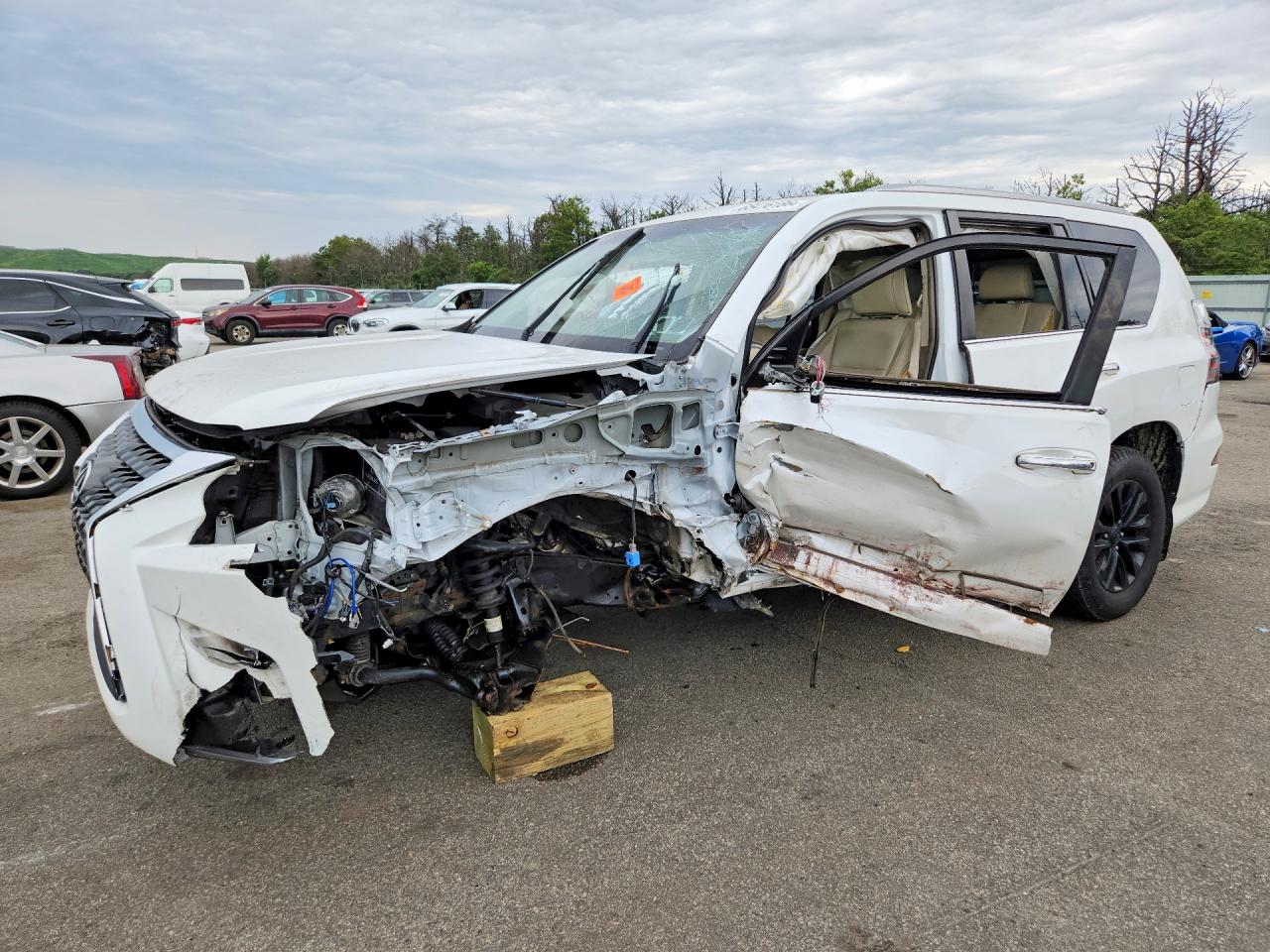
2017 LEXUS GX 460 VIN JTJBM7FX6H5153925

Damage map
If damage records exist for this VIN, the report shows the affected zonesTheft, liens and title
Checks that matter for registration and resaleRecorded condition
What the source noted about the car as it stands- Runs and drives
- Yes
- Engine starts
- Yes
- Keys available
- Yes
- Start code
- Run & Drive
History timeline
Data decoded from the VIN is shown. Records on file, if any, are in the full report.Mileage
Odometer reading as recorded at the sourceEarlier photos may be in the report
Check before you buy
Four things worth checking on any used carLEXUS GX 460 specifications
- VIN
- JTJBM7FX6H5153925
- Make
- LEXUS
- Model
- GX 460
- Year
- 2017
- Colour
- BLUE
- Fuel
- Gasoline
- Engine
- 4.6 L
- Cylinders
- 8
- Power
- 301 hp
- Transmission
- Automatic
- Drive
- 4x4
- Recorded odometer
- 111 730 mi
- Recorded damage
- Minor Dent/Scratches
What buyers ask about the LEXUS GX 460
Was this 2017 LEXUS GX 460 damaged before?
The damage in the specifications is what the source noted at the time. Earlier accidents and repairs on file for VIN JTJBM7FX6H5153925, if any, are in the full report.
Can I trust the odometer reading of 111 730 mi?
It is the figure as recorded, not verified. Compare it with the earlier readings in the full report: they can only go up, so a drop points to a wound-back odometer.
In which countries was this car registered?
Registrations abroad seldom reach local registers. If this car was registered in other countries, the full report names them.
Who sells the report, and what does it cost?
An independent partner, selected automatically for each VIN by our system from analytical data. The partner shows the price before you pay; we may earn a commission.
VIN JTJBM7FX6H5153925: history
This entry is for a 2017 Lexus GX 460, finished in blue. The fuel is petrol. Power reaches the wheels through an automatic gearbox.
The car was recorded with 111,730 miles on the clock. The instruments count in miles; the same distance in kilometres is about 1.6 times the figure. A single figure proves little: what makes a mileage believable is a series of readings that rise steadily over the years. A service book or a folder of workshop invoices is the simplest place to find past readings.
The record lists minor dents and scratches as the main problem on this car. A damage entry is a starting point for the inspection, telling the mechanic where to look first. Damage rarely stays where it is first seen: an impact can reach the mountings and airbags behind a panel, and water or fire the wiring and electronics.
When checked, the car could be started and driven under its own power. A key was there when the car was checked. Condition notes are a snapshot: the car may have been worked on, stripped of parts or left standing since.
Title status in the record: clean. Such a title means no salvage, flood or similar mark was recorded against the car; it does not rule out damage repaired without a claim.
A car’s history answers three questions: who kept it, how it was looked after and what went wrong along the way. Pieces of a car’s history sit with registries, dealers, workshops and insurance companies, and none of them sees the whole picture. Much of a car’s past cannot be seen: a good body repair leaves no obvious mark, and neither do years of hard driving.
For the engine, the service history matters most: oil changes, filters and the timing belt or chain are the entries to look for. On a petrol engine, spark plugs, ignition coils and the cooling system are the routine items a service history should cover. Automatic transmissions, CVTs included, are expensive to repair, so the test drive should include pulling away from a standstill and a stretch at motorway speed. With four-wheel drive, mismatched tyres can strain the centre differential or coupling, so all four should be the same make and similarly worn.
Every modern car carries a 17-character VIN, its identity for life, and no two cars share one. The VIN of this Lexus GX 460 is JTJBM7FX6H5153925.
Where entries exist, a VIN check can show changes of owner, past mileage readings, reported damage and whether the car is listed as stolen. Paperwork is only as complete as the people who kept it, so a report with few entries lowers the risk without removing it. However complete the paperwork, only an inspection shows the condition of the body, suspension, brakes and electrics today. Look up the history of VIN JTJBM7FX6H5153925 first, and let what it shows guide the inspection.