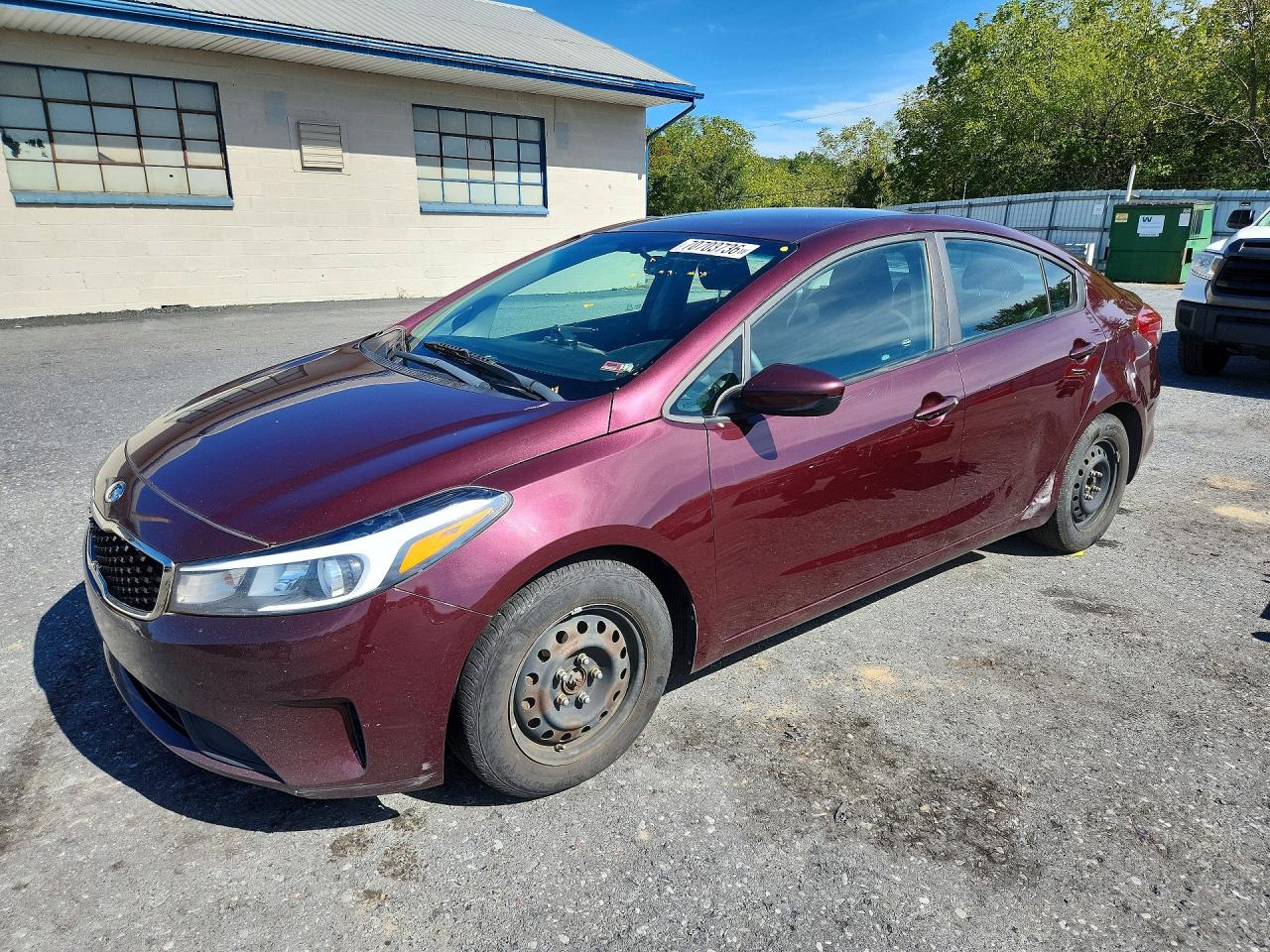
2015 KIA FORTE LX VIN KNAFK4A66F5434026
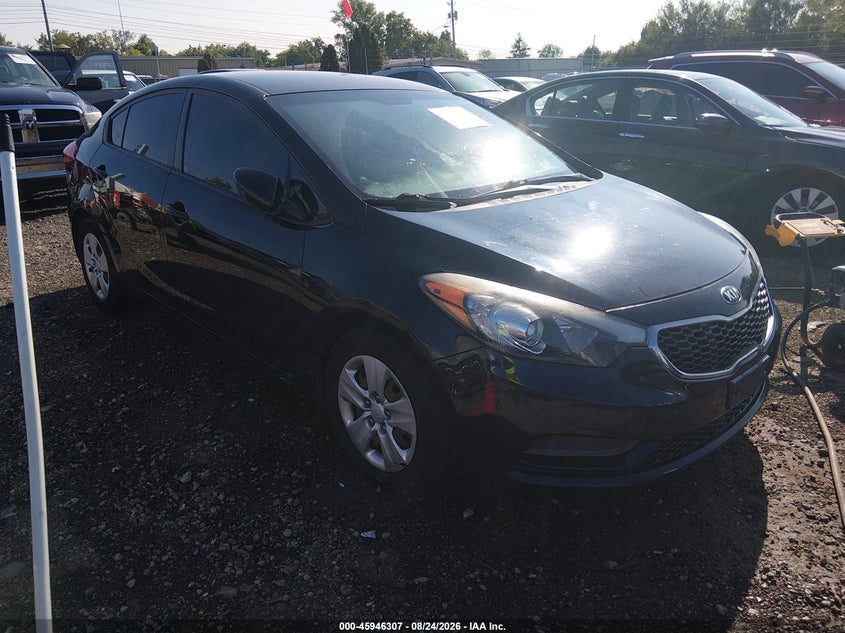
Damage map
If damage records exist for this VIN, the report shows the affected zonesTheft, liens and title
Checks that matter for registration and resaleRecorded condition
What the source noted about the car as it stands- Runs and drives
- No
- Engine starts
- No
- Keys available
- Yes
- Start code
- Stationary
History timeline
Data decoded from the VIN is shown. Records on file, if any, are in the full report.Mileage
Odometer reading as recorded at the sourceEarlier photos may be in the report
Check before you buy
Four things worth checking on any used carKIA FORTE LX specifications
- VIN
- KNAFK4A66F5434026
- Make
- KIA
- Model
- FORTE LX
- Year
- 2015
- Colour
- BLACK
- Fuel
- Gasoline
- Engine
- 1.8 L
- Cylinders
- 4
- Power
- 145 hp
- Transmission
- Automatic
- Drive
- FWD
- Recorded odometer
- 114 181 mi
- Recorded damage
- Flood
What buyers ask about the KIA FORTE LX
Was this 2015 KIA FORTE LX damaged before?
The damage in the specifications is what the source noted at the time. Earlier accidents and repairs on file for VIN KNAFK4A66F5434026, if any, are in the full report.
Can I trust the odometer reading of 114 181 mi?
It is the figure as recorded, not verified. Compare it with the earlier readings in the full report: they can only go up, so a drop points to a wound-back odometer.
In which countries was this car registered?
Registrations abroad seldom reach local registers. If this car was registered in other countries, the full report names them.
Who sells the report, and what does it cost?
An independent partner, selected automatically for each VIN by our system from analytical data. The partner shows the price before you pay; we may earn a commission.
VIN KNAFK4A66F5434026: history
The KIA Forte LX described here left the factory in 2015. The car runs on petrol. There is an automatic gearbox, with front-wheel drive.
The record gives the mileage as 114,181 miles. A clock converted from miles to kilometres should be documented, since the swap can hide the true mileage. Gaps of several years between logged figures deserve attention, as does any reading lower than the one before it. Figures carry most weight when they come from independent sources: workshops, inspection stations and past title paperwork.
The main issue noted for this car is flood damage. A damage entry is a starting point for the inspection, telling the mechanic where to look first. Given the kind of damage entered, a mechanic should look first at the wiring, connectors and electronics, and any corrosion under the carpets.
As a non-runner, the car needs its engine, gearbox and electrics assessed before anything else. An engine that will not start could have a simple electrical fault or internal damage, and only diagnostic work can tell which. A key is on file for the car. A condition note describes the car at one moment; months of standing or later work on the car can change the picture in either direction.
According to the source data, the car has a salvage title. A title like this is issued when repair was judged uneconomical or unsafe. If any work has been done on the car since, photos and invoices should show what was replaced.
A car’s history is the sum of what has happened to it since it was new, and most of it has left a trace on paper somewhere. What a car has been through is seldom visible at first glance, and a respray can make even a badly damaged car look sound.
An engine that has had its oil changed on time is far less likely to cause trouble later, and workshop invoices are the proof. Many modern petrol engines are turbocharged and direct-injected; where they are, the turbocharger and injectors belong on a specialist’s checklist. With no test drive possible, the automatic gearbox has to be assessed on a lift and with diagnostic equipment.
A vehicle identification number has 17 characters: the first three name the manufacturer, the next six describe the model and its specification, and the last eight identify the individual car. The VIN of this KIA Forte LX is KNAFK4A66F5434026. A VIN that differs between the documents and the car, or shows signs of tampering, is reason enough to walk away.
Where entries exist, a VIN check can show changes of owner, past mileage readings, reported damage and whether the car is listed as stolen. No report is complete: a repair done privately and never claimed on insurance leaves nothing to find. The past is on file; the car’s condition today is a job for a mechanic, who can check the structure, underbody, electrics and any repairs on a lift. Before any decision, check what is known about VIN KNAFK4A66F5434026.