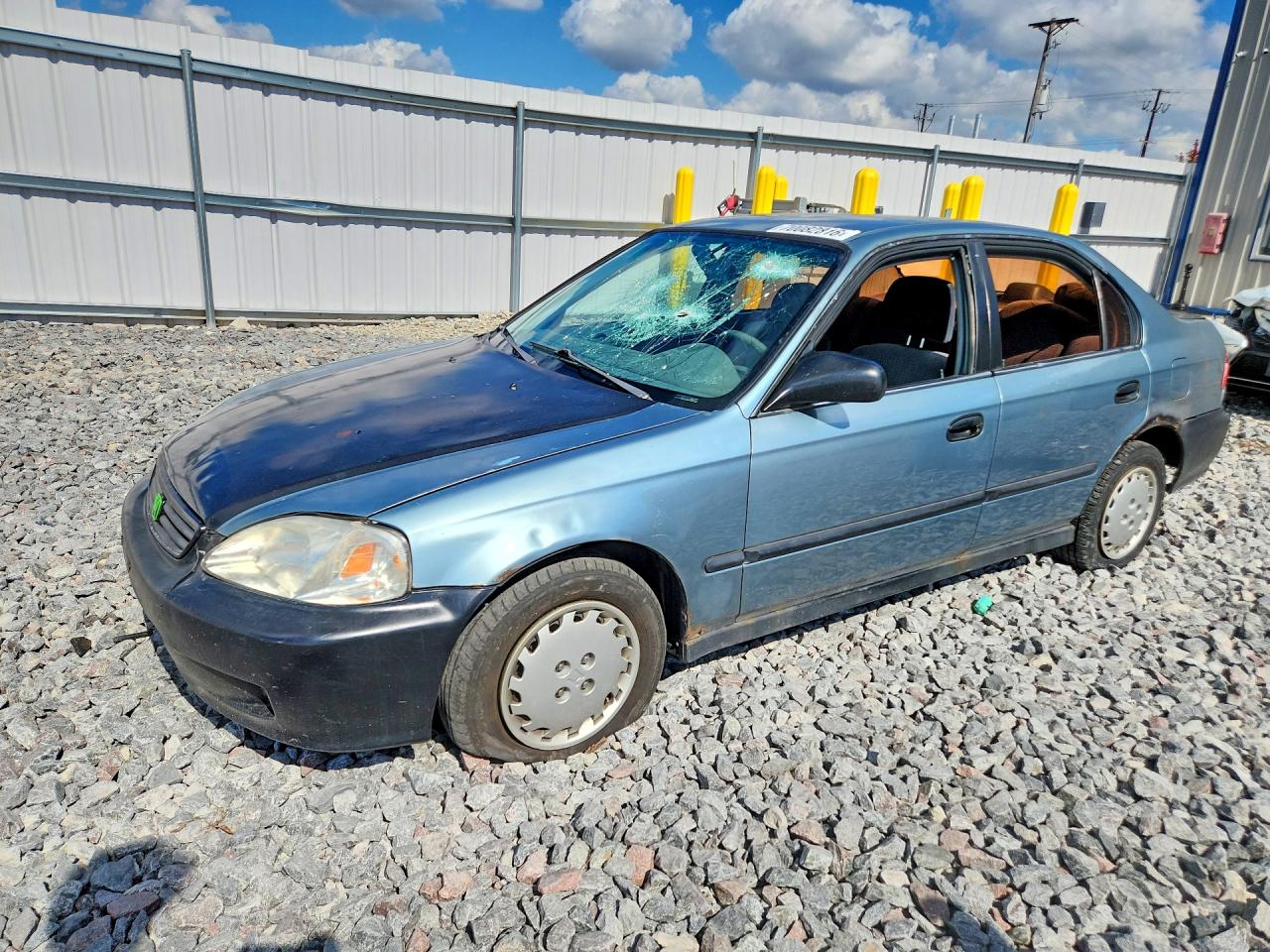
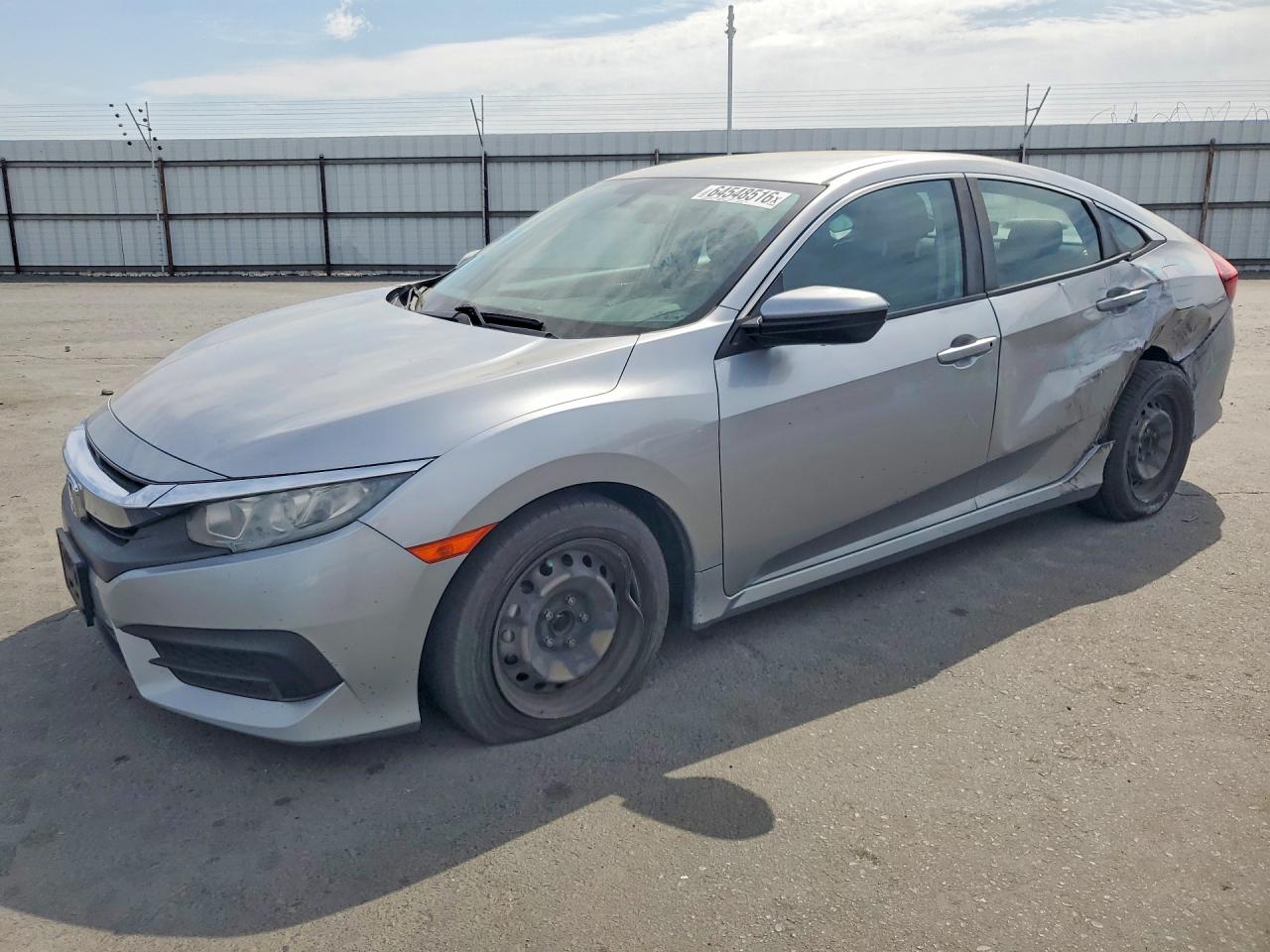
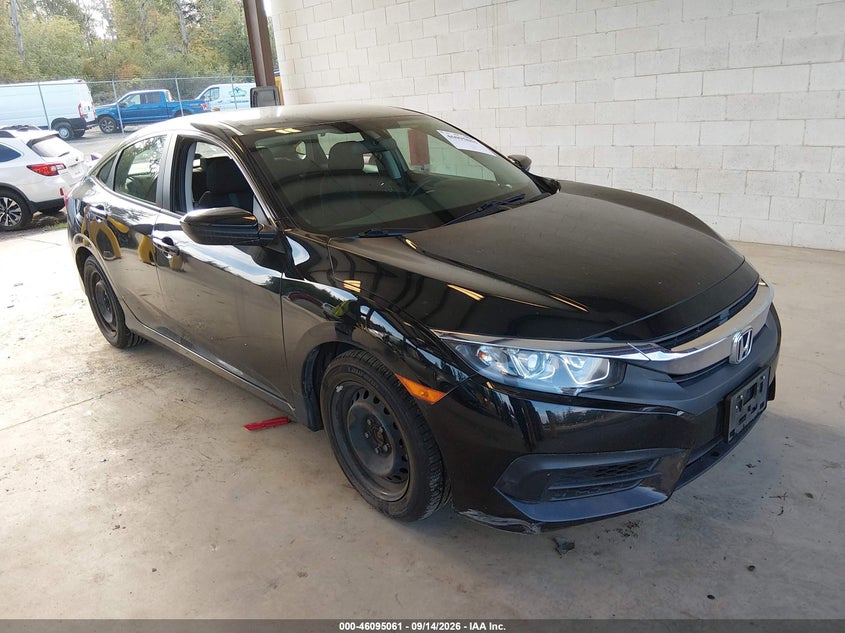
2017 HONDA CIVIC LX VIN 19XFC2F5XHE221978
Damage map
If damage records exist for this VIN, the report shows the affected zonesTheft, liens and title
Checks that matter for registration and resaleRecorded condition
What the source noted about the car as it stands- Keys available
- Yes
History timeline
Data decoded from the VIN is shown. Records on file, if any, are in the full report.Mileage
Odometer reading as recorded at the sourceEarlier photos may be in the report
Check before you buy
Four things worth checking on any used carHONDA CIVIC LX specifications
- VIN
- 19XFC2F5XHE221978
- Make
- HONDA
- Model
- CIVIC LX
- Year
- 2017
- Colour
- BLACK
- Fuel
- Gasoline
- Engine
- 2.0 L
- Cylinders
- 4
- Power
- 158 hp
- Transmission
- CVT
- Drive
- FWD
- Recorded odometer
- 55 703 mi
- Recorded damage
- Rear
What buyers ask about the HONDA CIVIC LX
Was this 2017 HONDA CIVIC LX damaged before?
The damage in the specifications is what the source noted at the time. Earlier accidents and repairs on file for VIN 19XFC2F5XHE221978, if any, are in the full report.
Can I trust the odometer reading of 55 703 mi?
It is the figure as recorded, not verified. Compare it with the earlier readings in the full report: they can only go up, so a drop points to a wound-back odometer.
In which countries was this car registered?
Registrations abroad seldom reach local registers. If this car was registered in other countries, the full report names them.
Who sells the report, and what does it cost?
An independent partner, selected automatically for each VIN by our system from analytical data. The partner shows the price before you pay; we may earn a commission.
VIN 19XFC2F5XHE221978: history
This Honda Civic LX is a 2017 model. The car runs on petrol. Power reaches the wheels through a CVT gearbox. Details for this car come from a single data source and may differ from its documents.
The source data puts the mileage at 55,703 miles. A later figure lower than an earlier one points to a replaced instrument cluster or an odometer that has been wound back.
In the source data, the main issue is rear-end damage. Whether the damage has been repaired since, and how well, is not something a damage entry can show.
A key is on file for the car. Months of standing can leave a car with seized brakes and perished tyres.
The car carries a transfer document in place of a title. Without a title certificate, registering the car can take extra paperwork and checks.
Behind every used car lies a string of events: who owned it and for how long, what the inspections found and which repairs and claims were made. A car’s paperwork is scattered: the registry knows about owners, the workshop about repairs and the insurance company about claims. A car’s past rarely shows on the paintwork: a well-repaired accident or water damage that was dried out is easy to miss.
On a petrol engine, spark plugs, ignition coils and the cooling system are the routine items a service history should cover. The CVT gearbox needs its fluid changed at the manufacturer’s intervals, and invoices should show that it was.
The VIN is a 17-character code assigned at the factory: it identifies the manufacturer, the model and its variant, and ends with a serial number unique to the car. This Honda Civic LX has the VIN 19XFC2F5XHE221978. The VIN usually appears at the base of the windscreen, on a door pillar and stamped into the body, and all of them should match the documents.
A VIN report gathers what different sources know about a car, such as the number of owners, mileage readings, damage and any branded title. The absence of an entry is not proof that nothing happened; it may only mean that nobody wrote it down. However complete the paperwork, only an inspection shows the condition of the body, suspension, brakes and electrics today. A history check on VIN 19XFC2F5XHE221978 is the place to start.