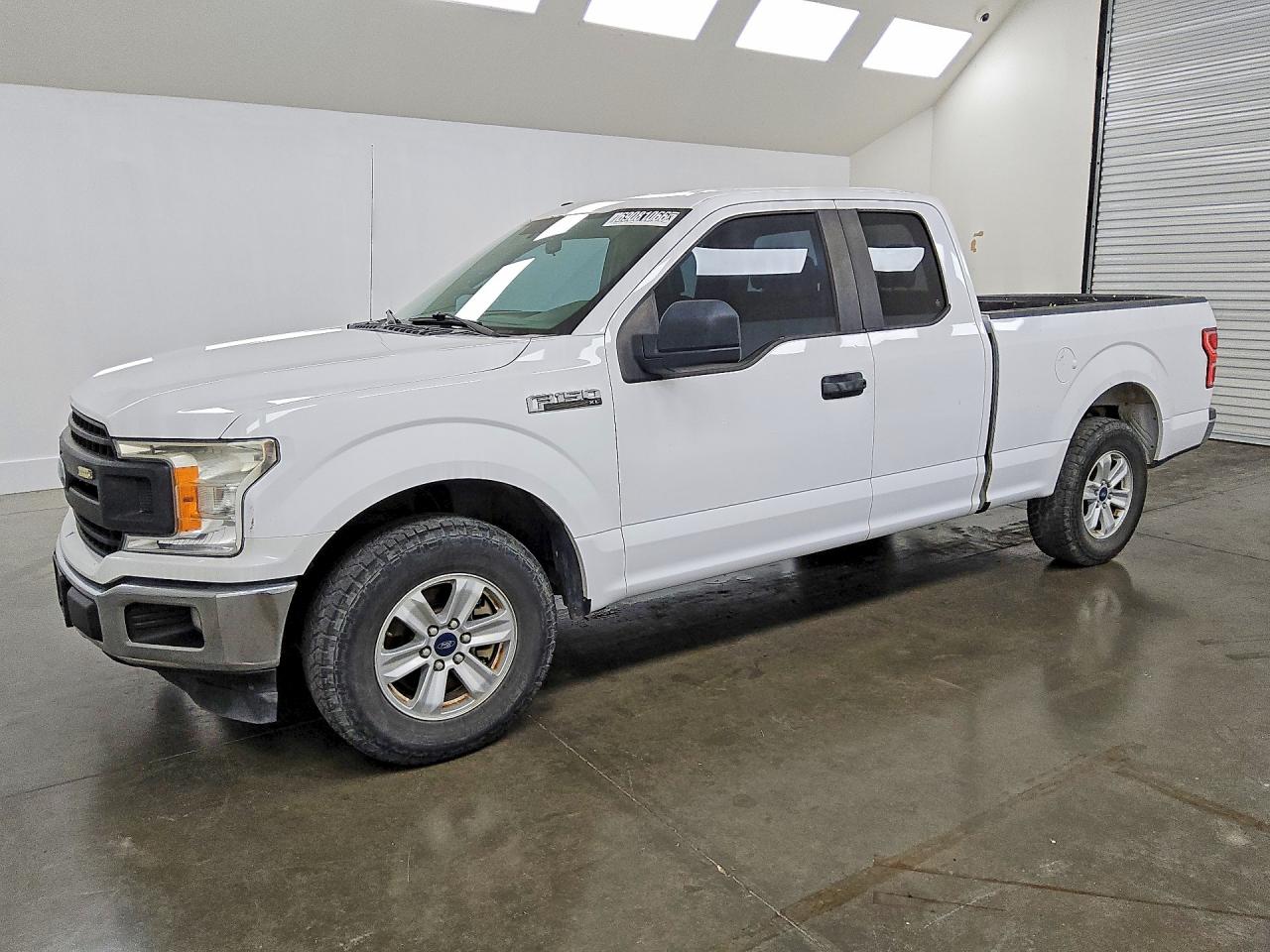
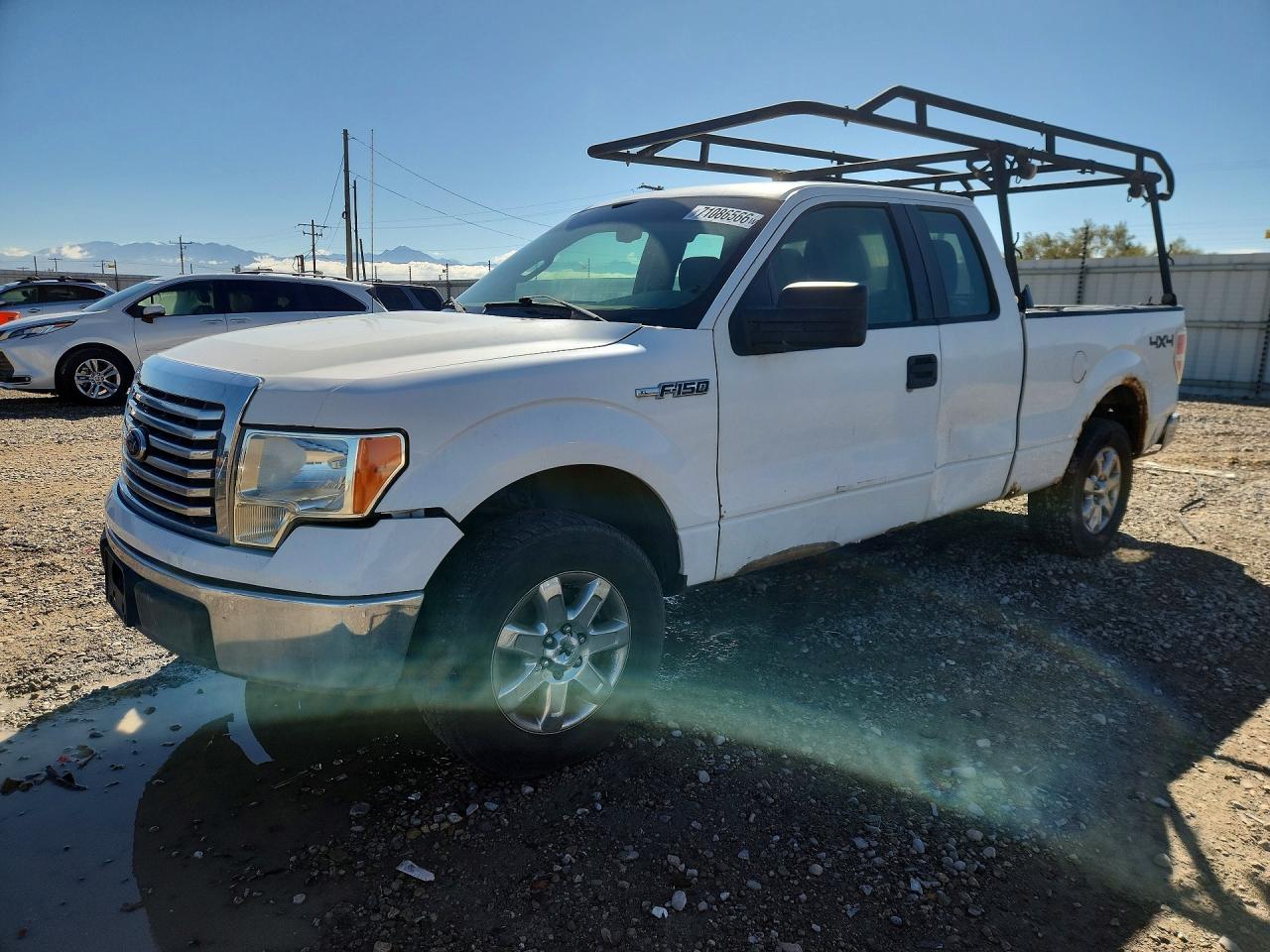
2018 FORD F150 SUPER CAB VIN 1FTEX1CB5JKC72750
Damage map
If damage records exist for this VIN, the report shows the affected zonesTheft, liens and title
Checks that matter for registration and resaleRecorded condition
What the source noted about the car as it stands- Runs and drives
- Yes
- Engine starts
- Yes
- Keys available
- Yes
- Start code
- Run & Drive
History timeline
Data decoded from the VIN is shown. Records on file, if any, are in the full report.Mileage
Odometer reading as recorded at the sourceEarlier photos may be in the report
Check before you buy
Four things worth checking on any used carFORD F150 SUPER CAB specifications
- VIN
- 1FTEX1CB5JKC72750
- Make
- FORD
- Model
- F150 SUPER CAB
- Year
- 2018
- Colour
- WHITE
- Fuel
- Gasoline
- Engine
- 3.3 L
- Cylinders
- 6
- Power
- 290 hp
- Transmission
- Automatic
- Drive
- RWD
- Recorded odometer
- 137 527 mi
- Recorded damage
- Mechanical
What buyers ask about the FORD F150 SUPER CAB
Was this 2018 FORD F150 SUPER CAB damaged before?
The damage in the specifications is what the source noted at the time. Earlier accidents and repairs on file for VIN 1FTEX1CB5JKC72750, if any, are in the full report.
Can I trust the odometer reading of 137 527 mi?
It is the figure as recorded, not verified. Compare it with the earlier readings in the full report: they can only go up, so a drop points to a wound-back odometer.
In which countries was this car registered?
Registrations abroad seldom reach local registers. If this car was registered in other countries, the full report names them.
Who sells the report, and what does it cost?
An independent partner, selected automatically for each VIN by our system from analytical data. The partner shows the price before you pay; we may earn a commission.
VIN 1FTEX1CB5JKC72750: history
This Ford F150 Super CAB was built in 2018. Power reaches the wheels through an automatic gearbox. Under the bonnet is a 3.3-litre petrol engine. The specification is taken from the source data.
The recorded mileage is 137,527 miles. The figure is in miles and needs converting before it is compared with kilometres: one mile is about 1.6 km. High mileage alone does not rule a car out; what matters is whether regular servicing kept pace with it. Gaps of several years between logged figures deserve attention, as does any reading lower than the one before it. Title paperwork often notes the mileage at each change of owner, which makes it a useful cross-check.
The main issue noted for this car is mechanical damage. A damage entry is a starting point for the inspection, telling the mechanic where to look first. A lift and a diagnostic check show what photos cannot: bent brackets behind a panel, chafed wiring or deployed airbags.
The record notes that the car ran and drove. A key was present. Condition notes are a snapshot: the car may have been worked on, stripped of parts or left standing since.
A clean title is on file for this car. Such a title means no salvage, flood or similar mark was recorded against the car; it does not rule out damage repaired without a claim.
Every car builds up a history from the day it is first registered: owners come and go, inspections are passed or failed, and repairs are paid for. Pieces of a car’s history sit with registries, dealers, workshops and insurance companies, and none of them sees the whole picture. A clean, polished car can still hide a serious accident, a flood or years of hard use.
Regular oil changes and timely work on the timing belt or chain decide how well an engine copes with age. Many modern petrol engines are turbocharged and direct-injected; where they are, the turbocharger and injectors belong on a specialist’s checklist. Automatic transmissions, CVTs included, are expensive to repair, so the test drive should include pulling away from a standstill and a stretch at motorway speed.
A vehicle identification number has 17 characters: the first three name the manufacturer, the next six describe the model and its specification, and the last eight identify the individual car. For this car, the VIN is 1FTEX1CB5JKC72750. Scratches, fresh paint or a replaced plate around the VIN markings are warning signs in their own right.
A VIN report gathers what different sources know about a car, such as the number of owners, mileage readings, damage and any branded title. A repair paid for in cash at a small workshop leaves no trace in any database, so no report can list it. A history report says nothing about the car’s present condition: the frame, corrosion, electrics and the quality of any repair are judged on a lift by a mechanic. For this 2018 Ford F150 Super CAB, the sensible next step is a history check on VIN 1FTEX1CB5JKC72750.
Similar FORD F150 SUPER CAB cars
All FORD cars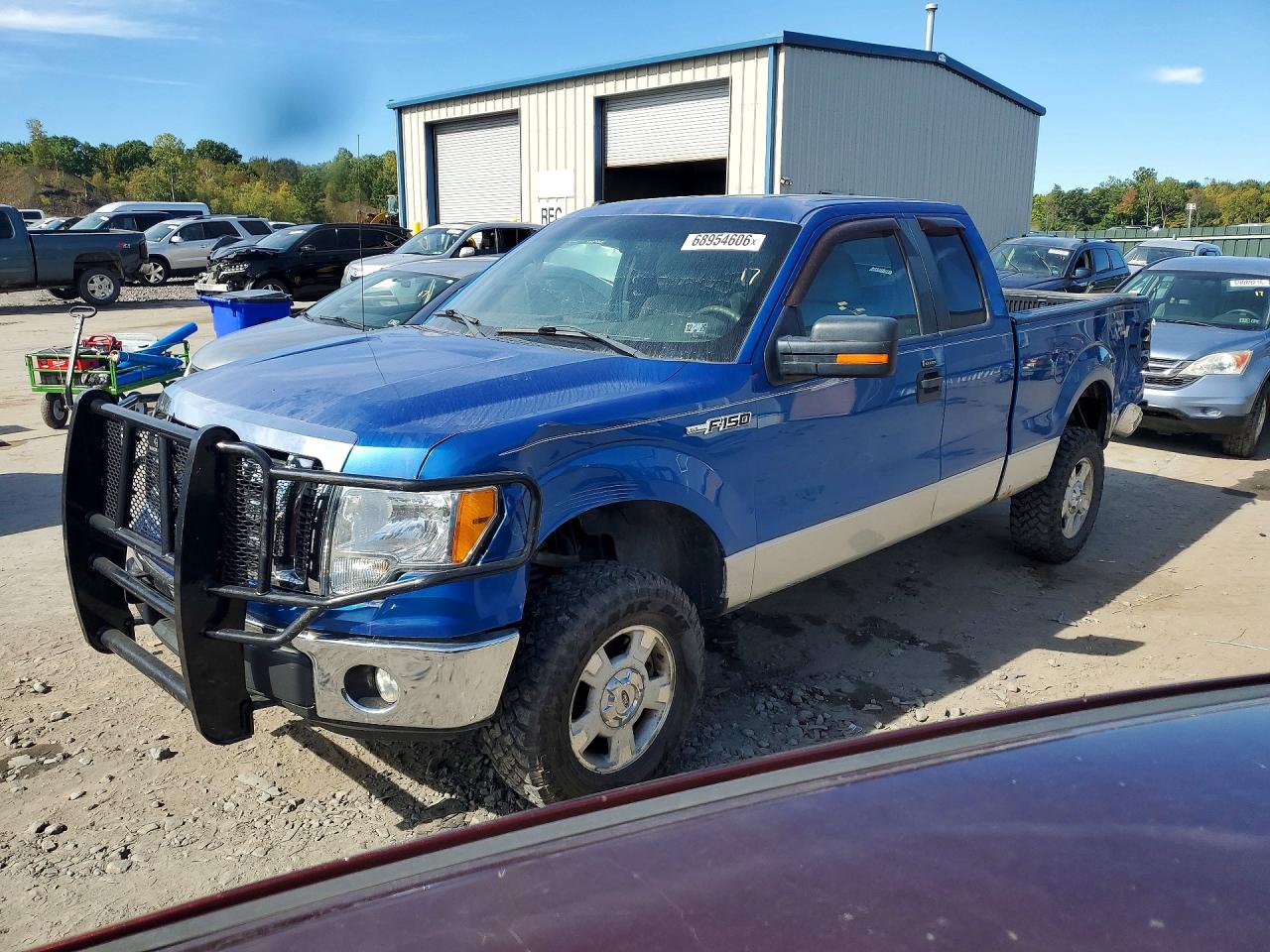 2010 FORD F150 SUPER CAB
1FTFX1•••••••0680
5.4 gasoline · Automatic
Check history
2010 FORD F150 SUPER CAB
1FTFX1•••••••0680
5.4 gasoline · Automatic
Check history
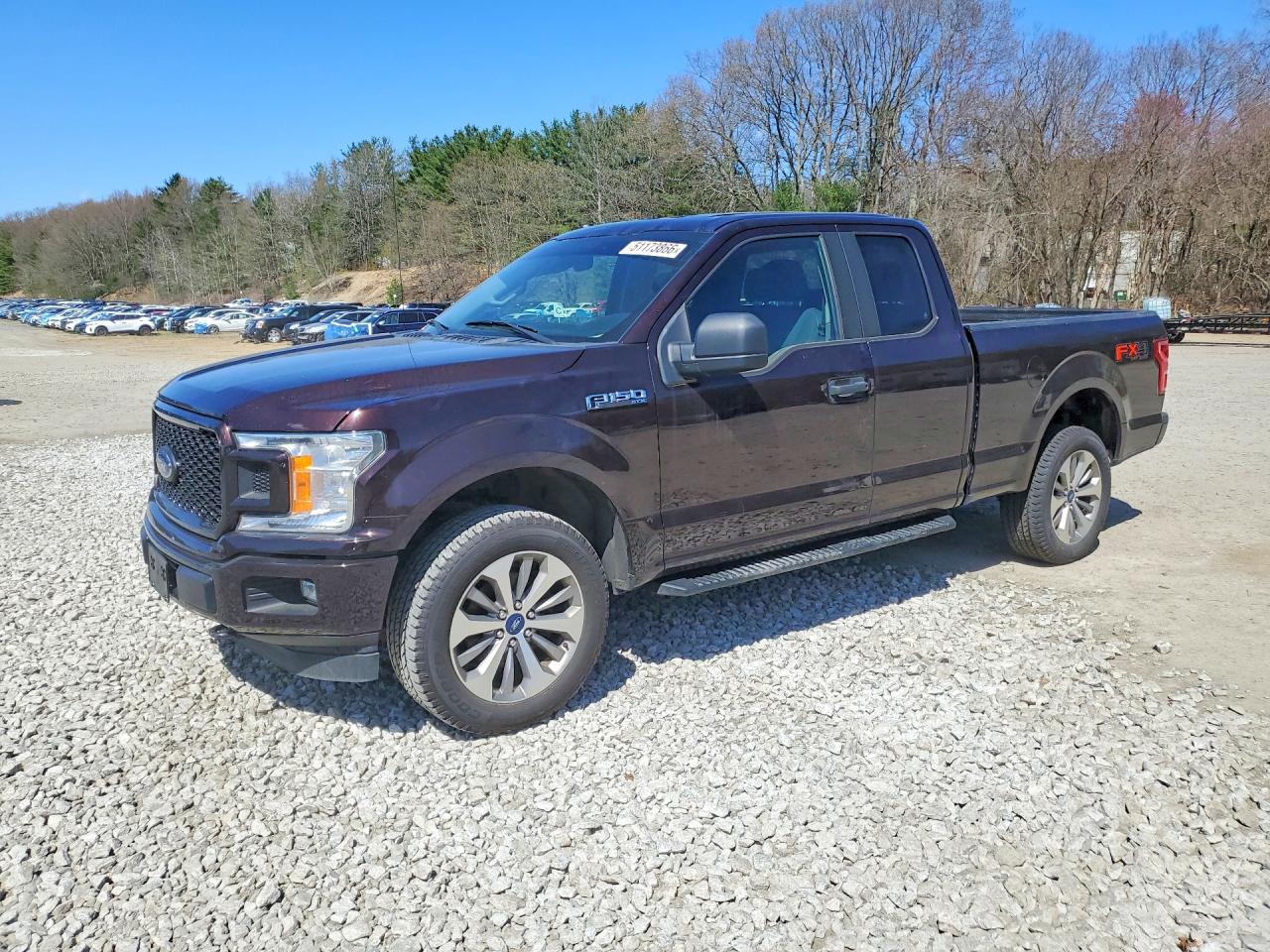 2018 FORD F150 SUPER CAB
1FTFX1•••••••1625
3.5 gasoline · Automatic
Check history
2018 FORD F150 SUPER CAB
1FTFX1•••••••1625
3.5 gasoline · Automatic
Check history
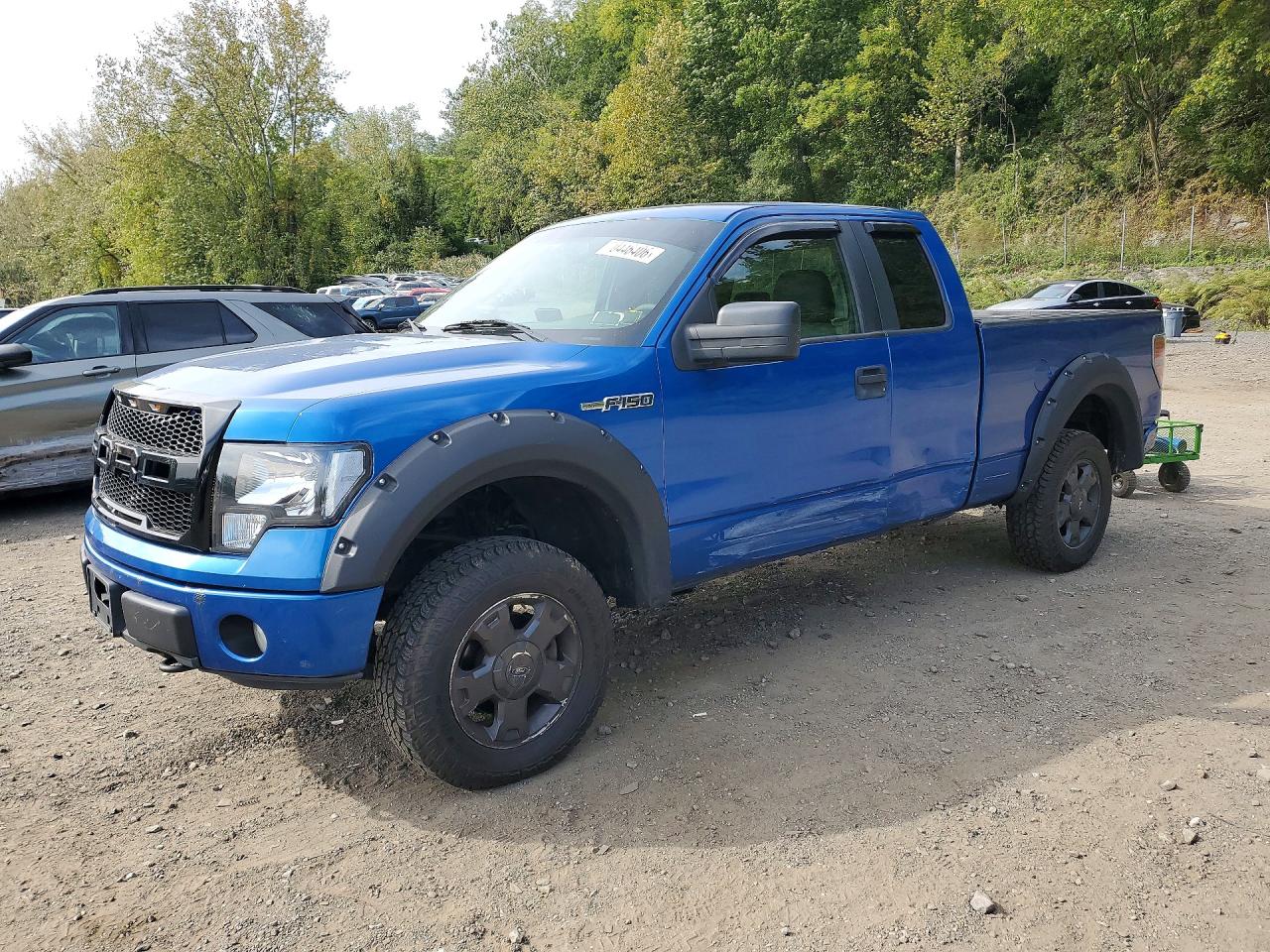 2009 FORD F150 SUPER CAB
1FTRX1•••••••8356
4.6 gasoline · Automatic
Check history
2009 FORD F150 SUPER CAB
1FTRX1•••••••8356
4.6 gasoline · Automatic
Check history
 2010 FORD F150 SUPER CAB
1FTFX1•••••••8818
5.4 gasoline · Automatic
Check history
2010 FORD F150 SUPER CAB
1FTFX1•••••••8818
5.4 gasoline · Automatic
Check history