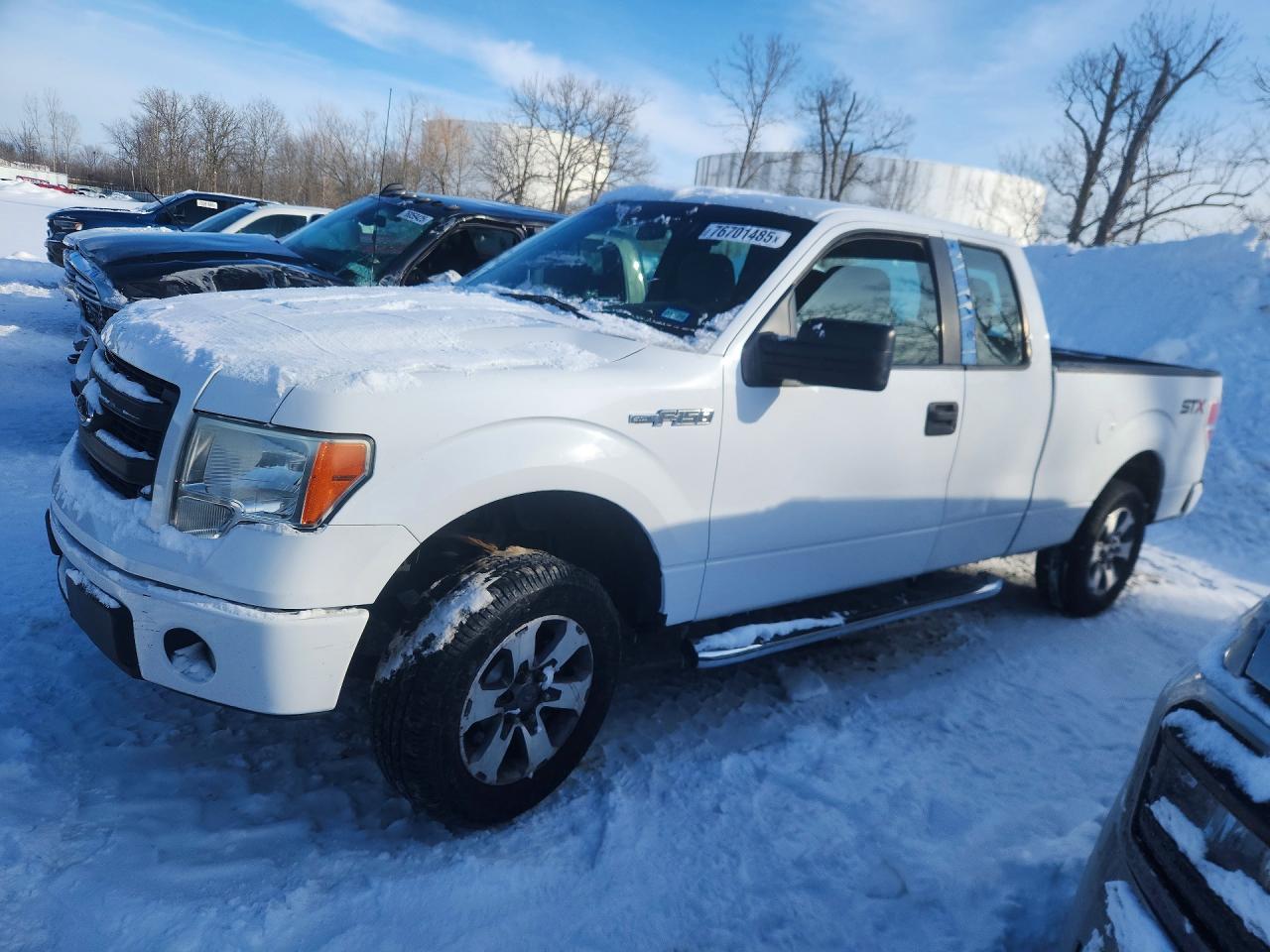
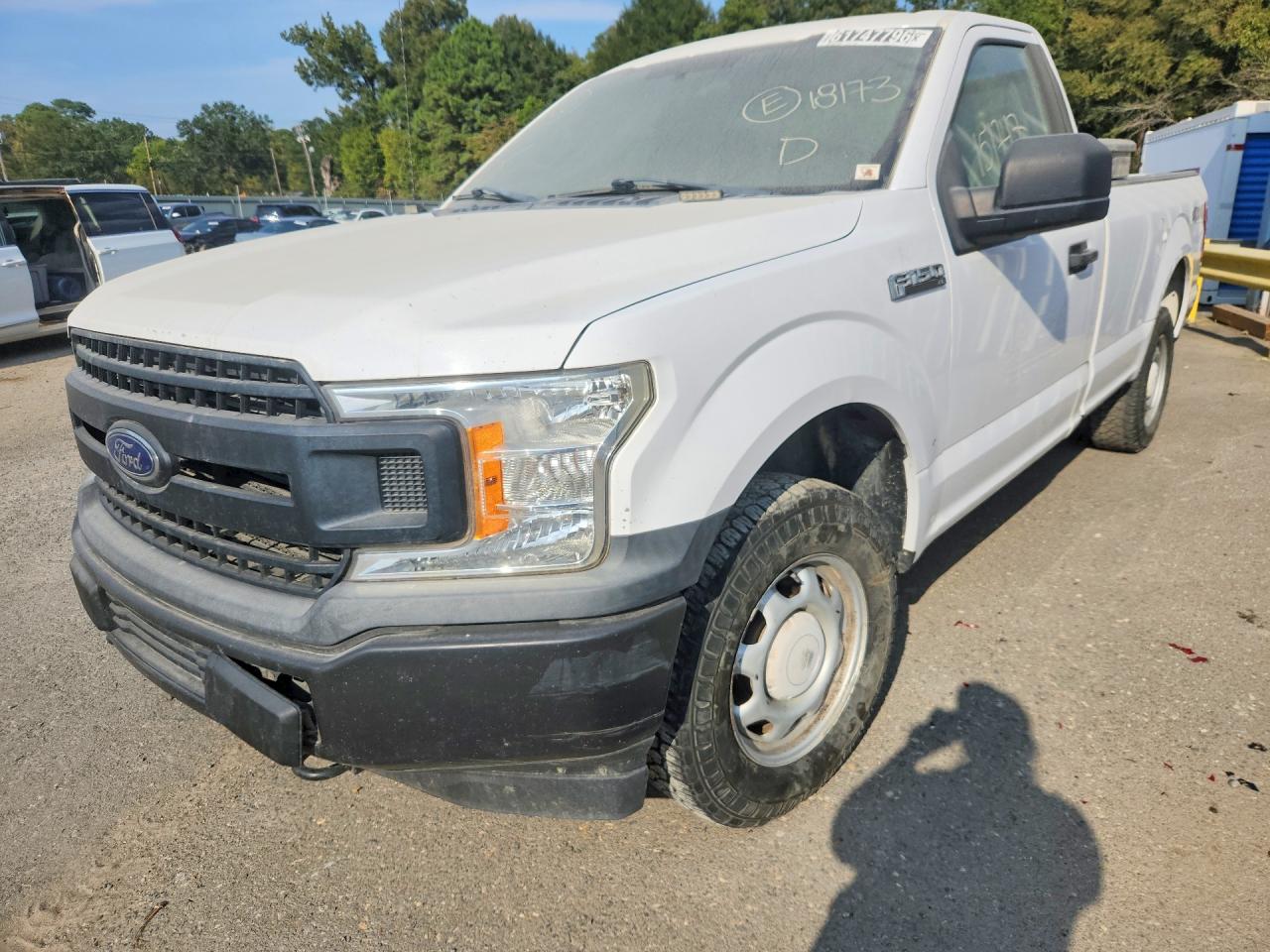
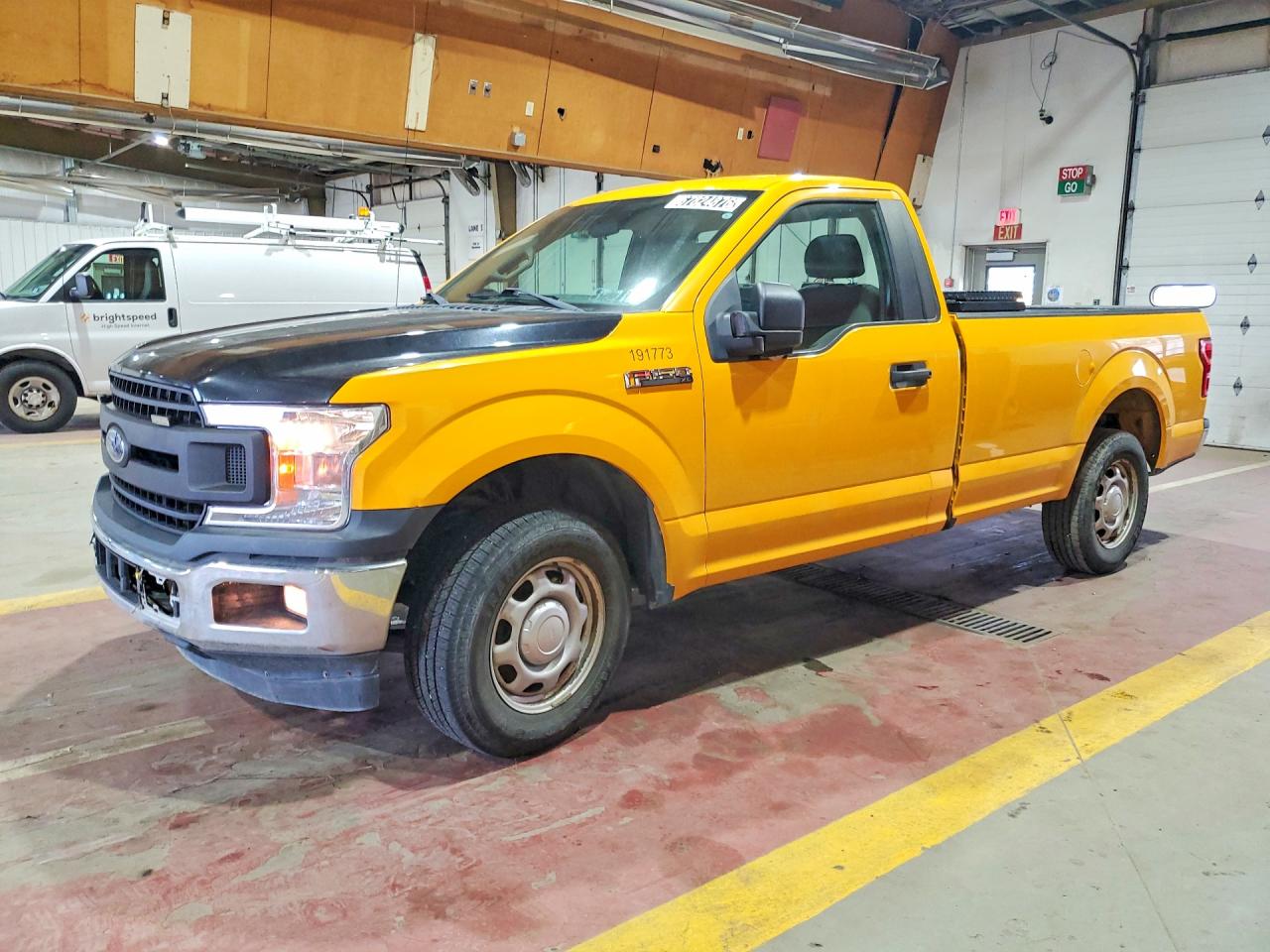
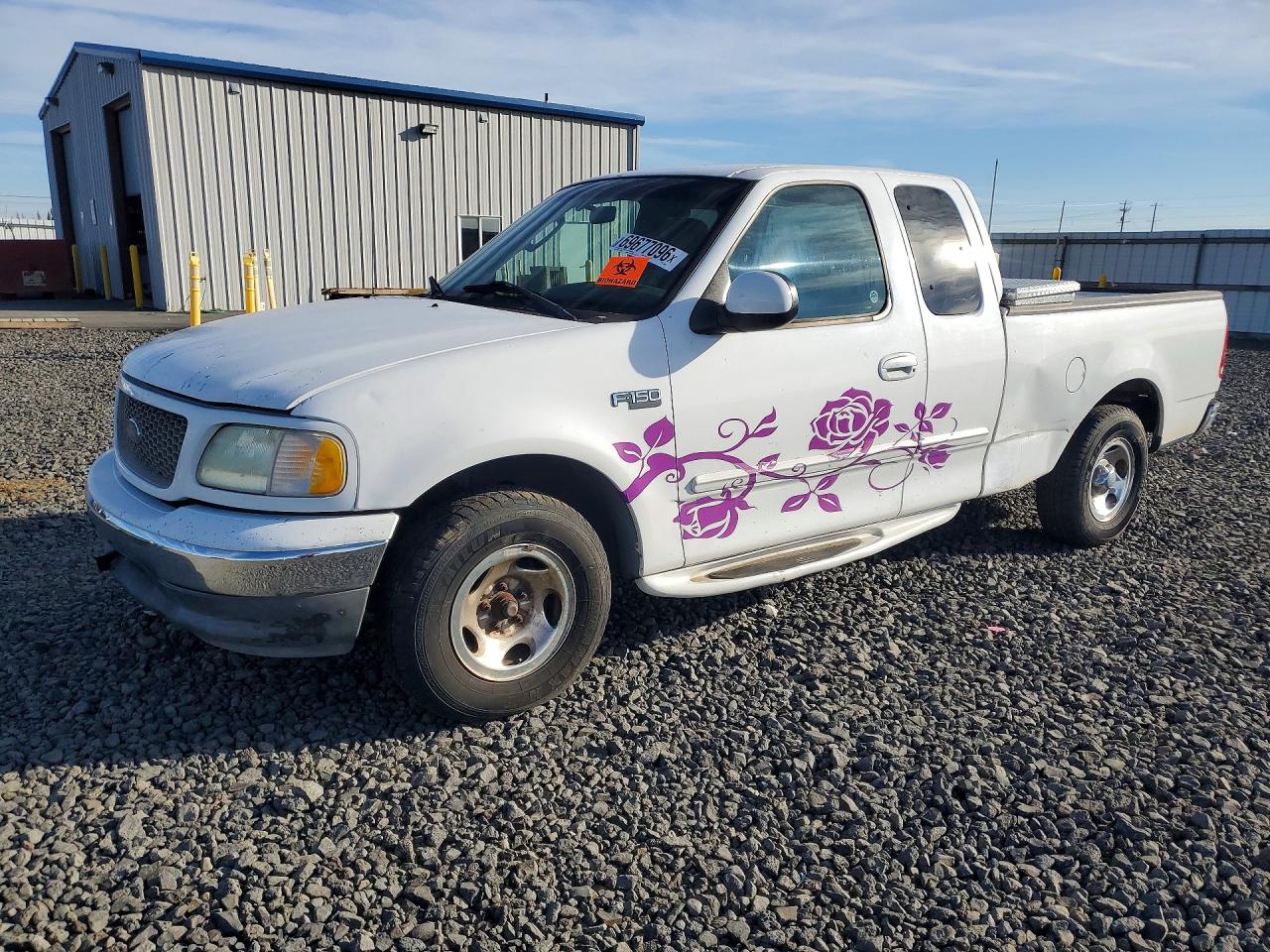
2007 FORD F150 VIN 1FTRF14W87NA58428
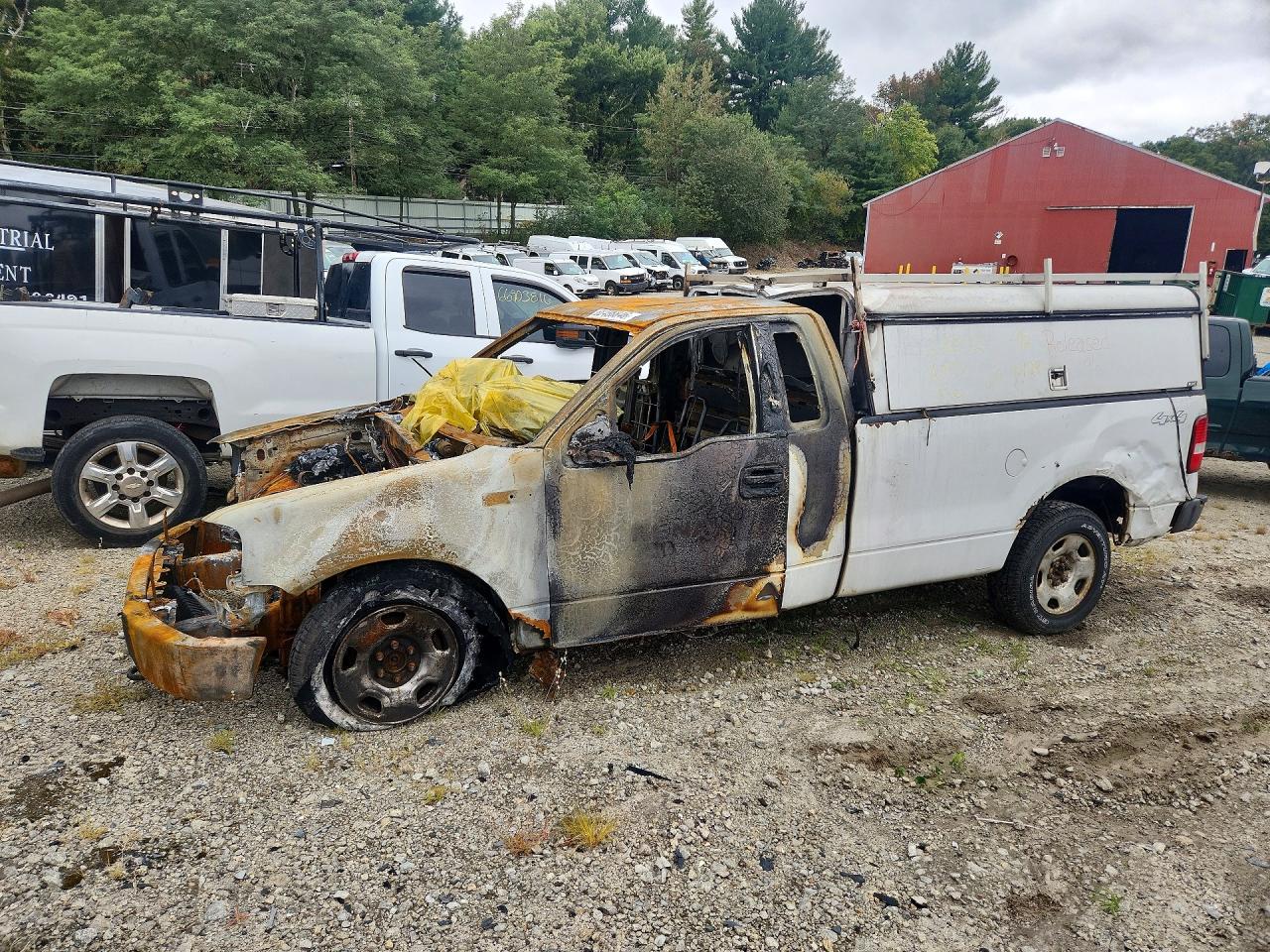
Damage map
If damage records exist for this VIN, the report shows the affected zonesTheft, liens and title
Checks that matter for registration and resaleRecorded condition
What the source noted about the car as it stands- Keys available
- No
- Start code
- Enhanced
History timeline
Data decoded from the VIN is shown. Records on file, if any, are in the full report.Mileage
Odometer reading as recorded at the sourceEarlier photos may be in the report
Check before you buy
Four things worth checking on any used carFORD F150 specifications
- VIN
- 1FTRF14W87NA58428
- Make
- FORD
- Model
- F150
- Year
- 2007
- Colour
- WHITE
- Fuel
- Gasoline
- Engine
- 4.6 L
- Cylinders
- 8
- Power
- 231 hp
- Transmission
- Automatic
- Drive
- 4x4
- Recorded damage
- Burn
What buyers ask about the FORD F150
Was this 2007 FORD F150 damaged before?
The damage in the specifications is what the source noted at the time. Earlier accidents and repairs on file for VIN 1FTRF14W87NA58428, if any, are in the full report.
In which countries was this car registered?
Registrations abroad seldom reach local registers. If this car was registered in other countries, the full report names them.
Who sells the report, and what does it cost?
An independent partner, selected automatically for each VIN by our system from analytical data. The partner shows the price before you pay; we may earn a commission.
VIN 1FTRF14W87NA58428: history
This record covers a 2007 Ford F150. The drivetrain combines an automatic gearbox with four-wheel drive. Power comes from a 4.6-litre petrol engine with eight cylinders.
A later figure lower than an earlier one points to a replaced instrument cluster or an odometer that has been wound back.
This Ford F150 is recorded with fire damage. A damage entry is a starting point for the inspection, telling the mechanic where to look first.
Without a key, a modern car needs a replacement coded to its immobiliser before it can even be started. Running condition describes a single moment, and standing or work done since can change it.
A car’s history answers three questions: who kept it, how it was looked after and what went wrong along the way. From the outside, a car with a repaired accident and a car without one can look identical.
For the engine, the service history matters most: oil changes, filters and the timing belt or chain are the entries to look for. Many modern petrol engines are turbocharged and direct-injected; where they are, the turbocharger and injectors belong on a specialist’s checklist. The automatic gearbox should respond smoothly and without delay; jerks, slipping or hesitation on a test drive need investigating. A car with four-wheel drive has extra differentials and often a transfer case, which an inspection should cover alongside the engine and gearbox.
A history check works by VIN because the number never changes, unlike registration plates and owners. The VIN on file for this car is 1FTRF14W87NA58428. The VIN usually appears at the base of the windscreen, on a door pillar and stamped into the body, and all of them should match the documents.
Where entries exist, a VIN check can show changes of owner, past mileage readings, reported damage and whether the car is listed as stolen. No report is complete: a repair done privately and never claimed on insurance leaves nothing to find. A VIN check and a physical inspection answer different questions: the first says what happened to the car, the second what condition it is in now. Before any decision, check what is known about VIN 1FTRF14W87NA58428.