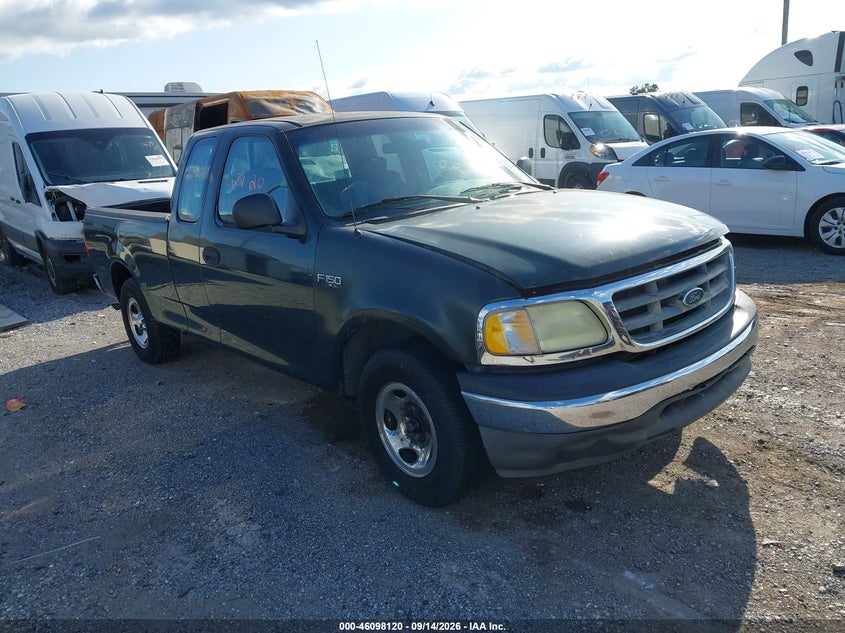
2003 FORD F-150 XL/XLT VIN 1FTRF17233NB27870
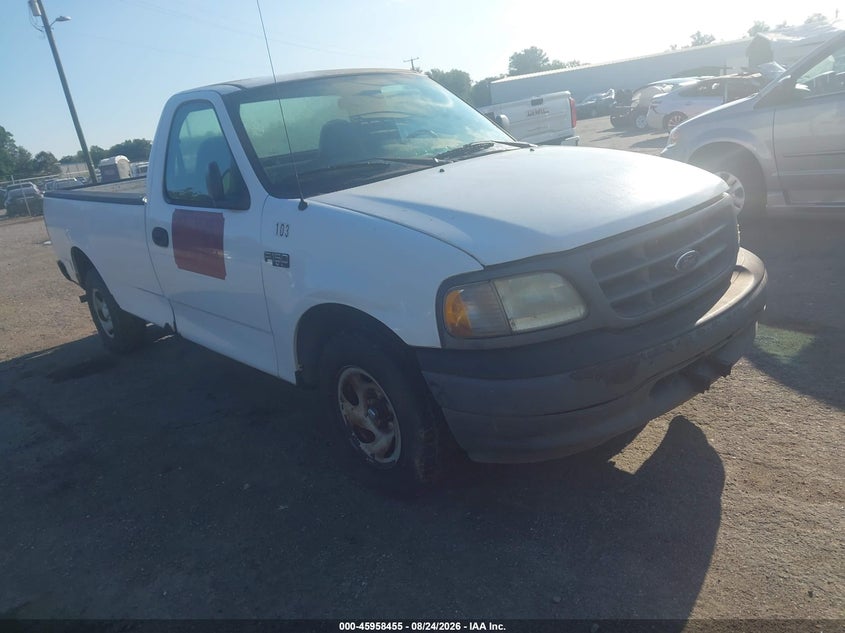
Damage map
If damage records exist for this VIN, the report shows the affected zonesTheft, liens and title
Checks that matter for registration and resaleRecorded condition
What the source noted about the car as it stands- Runs and drives
- No
- Engine starts
- No
- Keys available
- Yes
- Start code
- Stationary
History timeline
Data decoded from the VIN is shown. Records on file, if any, are in the full report.Mileage
Odometer reading as recorded at the sourceEarlier photos may be in the report
Check before you buy
Four things worth checking on any used carFORD F-150 XL/XLT specifications
- VIN
- 1FTRF17233NB27870
- Make
- FORD
- Model
- F-150 XL/XLT
- Year
- 2003
- Colour
- WHITE
- Fuel
- Gasoline
- Engine
- 4.2 L
- Cylinders
- 6
- Power
- 202 hp
- Transmission
- Automatic
- Recorded odometer
- 249 337 mi
- Recorded damage
- Normal Wear & Tear
What buyers ask about the FORD F-150 XL/XLT
Was this 2003 FORD F-150 XL/XLT damaged before?
The damage in the specifications is what the source noted at the time. Earlier accidents and repairs on file for VIN 1FTRF17233NB27870, if any, are in the full report.
Can I trust the odometer reading of 249 337 mi?
It is the figure as recorded, not verified. Compare it with the earlier readings in the full report: they can only go up, so a drop points to a wound-back odometer.
In which countries was this car registered?
Registrations abroad seldom reach local registers. If this car was registered in other countries, the full report names them.
Who sells the report, and what does it cost?
An independent partner, selected automatically for each VIN by our system from analytical data. The partner shows the price before you pay; we may earn a commission.
VIN 1FTRF17233NB27870: history
This Ford F-150 is a 2003 model. The gearbox is automatic. Power comes from a 4.2-litre petrol engine with six cylinders, rated at 202 hp. The specification is taken from the source data.
The clock stood at 249,337 miles when the data was entered. A clock converted from miles to kilometres should be documented, since the swap can hide the true mileage. Gaps of several years between logged figures deserve attention, as does any reading lower than the one before it. Title paperwork often notes the mileage at each change of owner, which makes it a useful cross-check.
No primary damage is given in the record for this car, which is not the same as proof that it has never been damaged. Water marks under the carpets, rust in unusual places or a panel in a slightly different shade would point to damage nobody ever entered.
As a non-runner, the car needs its engine, gearbox and electrics assessed before anything else. An engine that will not start could have a simple electrical fault or internal damage, and only diagnostic work can tell which. A key was noted with the car. A condition note describes the car at one moment; months of standing or later work on the car can change the picture in either direction.
The record shows a clean title. Such a title means no salvage, flood or similar mark was recorded against the car; it does not rule out damage repaired without a claim.
A car’s history is the sum of what has happened to it since it was new, and most of it has left a trace on paper somewhere. Pieces of a car’s history sit with registries, dealers, workshops and insurance companies, and none of them sees the whole picture. Much of a car’s past cannot be seen: a good body repair leaves no obvious mark, and neither do years of hard driving.
For the engine, the service history matters most: oil changes, filters and the timing belt or chain are the entries to look for. Many modern petrol engines are turbocharged and direct-injected; where they are, the turbocharger and injectors belong on a specialist’s checklist. While the car does not run, stored fault codes and a look at the fluid are the only early evidence of how the automatic gearbox has fared.
The VIN is a 17-character code assigned at the factory: it identifies the manufacturer, the model and its variant, and ends with a serial number unique to the car. The record gives the VIN as 1FTRF17233NB27870. Scratches, fresh paint or a replaced plate around the VIN markings are warning signs in their own right.
A VIN report gathers what different sources know about a car, such as the number of owners, mileage readings, damage and any branded title. No report is complete: a repair done privately and never claimed on insurance leaves nothing to find. However complete the paperwork, only an inspection shows the condition of the body, suspension, brakes and electrics today. Before any decision, check what is known about VIN 1FTRF17233NB27870.
Similar FORD F-150 XL/XLT cars
All FORD cars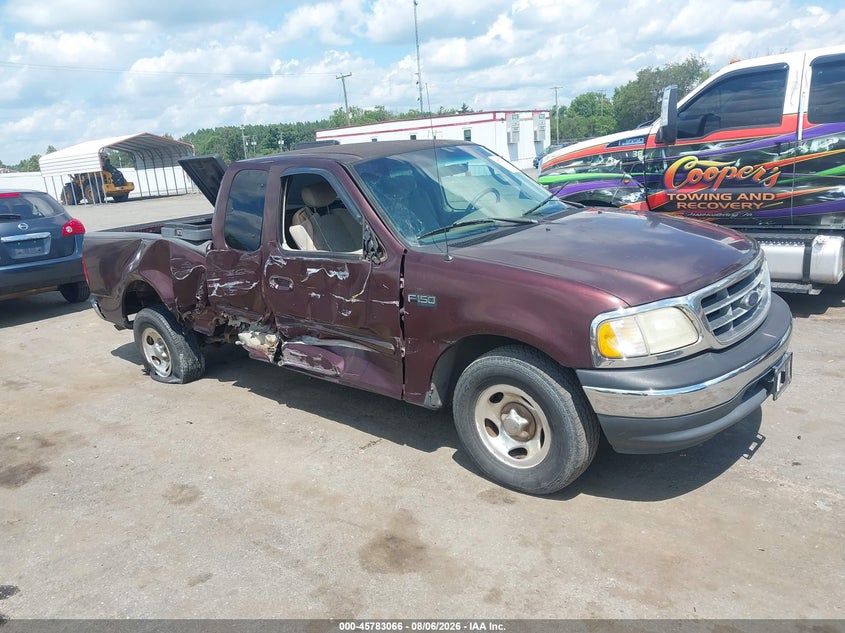 2001 FORD F-150 XL/XLT
1FTZX1•••••••4766
4.2 gasoline · Automatic
Check history
2001 FORD F-150 XL/XLT
1FTZX1•••••••4766
4.2 gasoline · Automatic
Check history
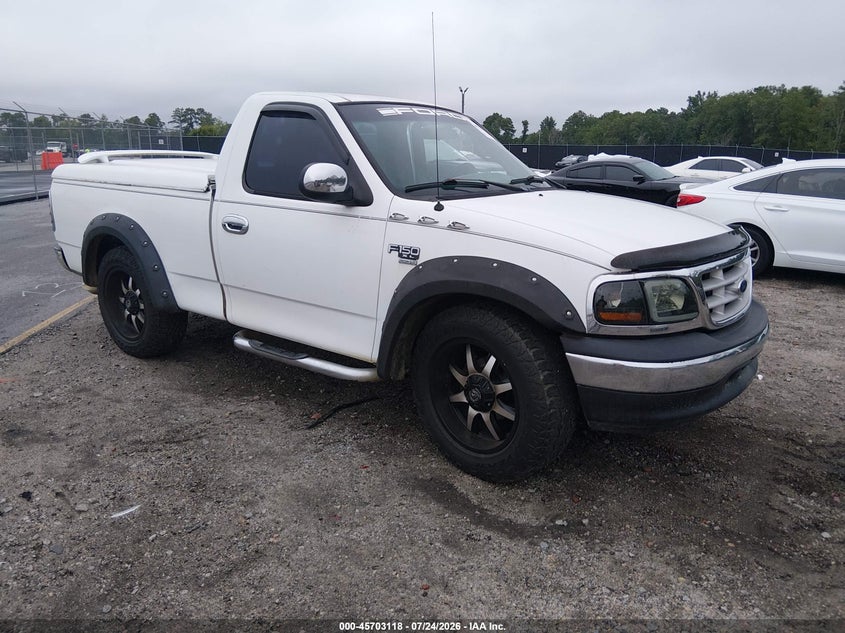 2002 FORD F-150 XL/XLT
1FTRF1•••••••8957
5.4 gasoline · Automatic
Check history
2002 FORD F-150 XL/XLT
1FTRF1•••••••8957
5.4 gasoline · Automatic
Check history
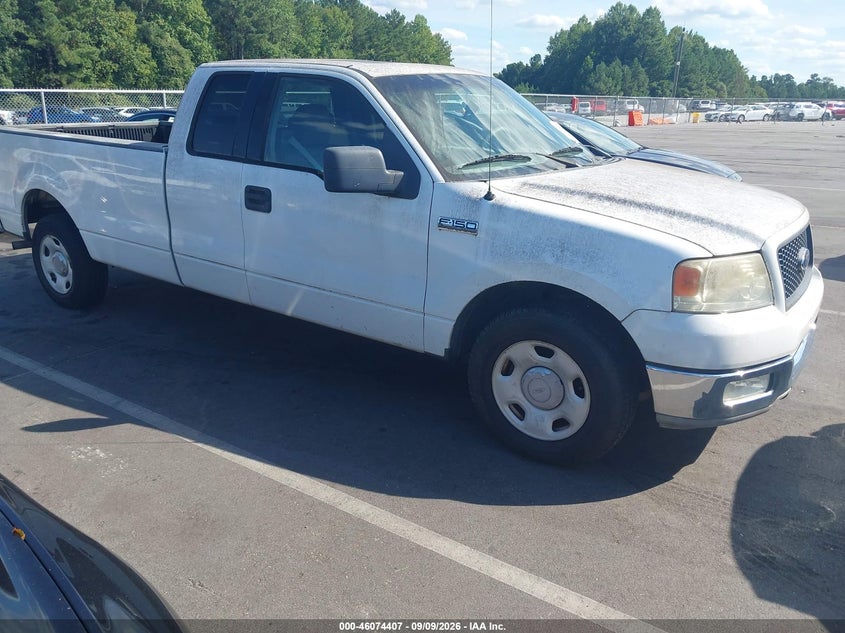 2004 FORD F-150 XL/XLT
1FTVX1•••••••7447
5.4 gasoline · Automatic
Check history
2004 FORD F-150 XL/XLT
1FTVX1•••••••7447
5.4 gasoline · Automatic
Check history
 2003 FORD F-150 XL/XLT
1FTRX1•••••••3342
4.2 gasoline · Automatic
Check history
2003 FORD F-150 XL/XLT
1FTRX1•••••••3342
4.2 gasoline · Automatic
Check history