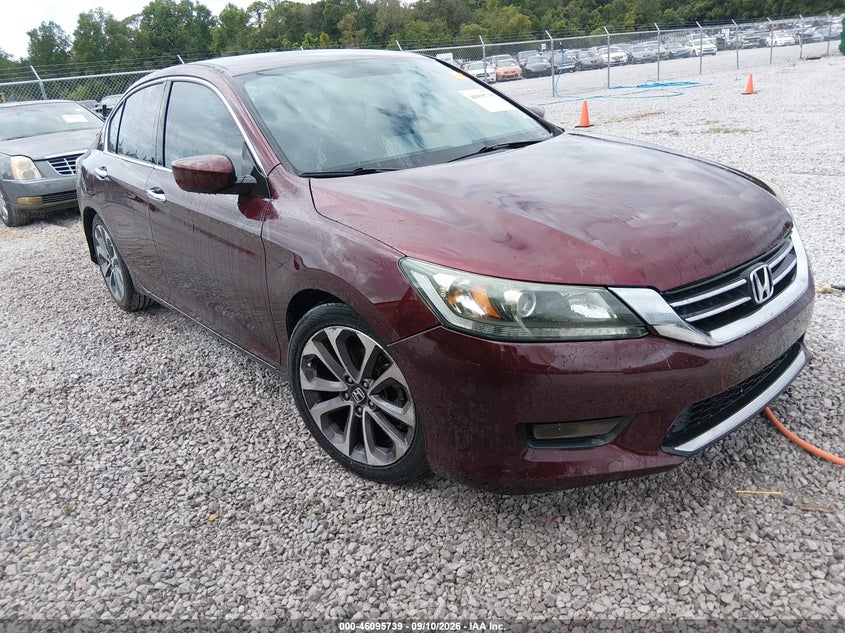
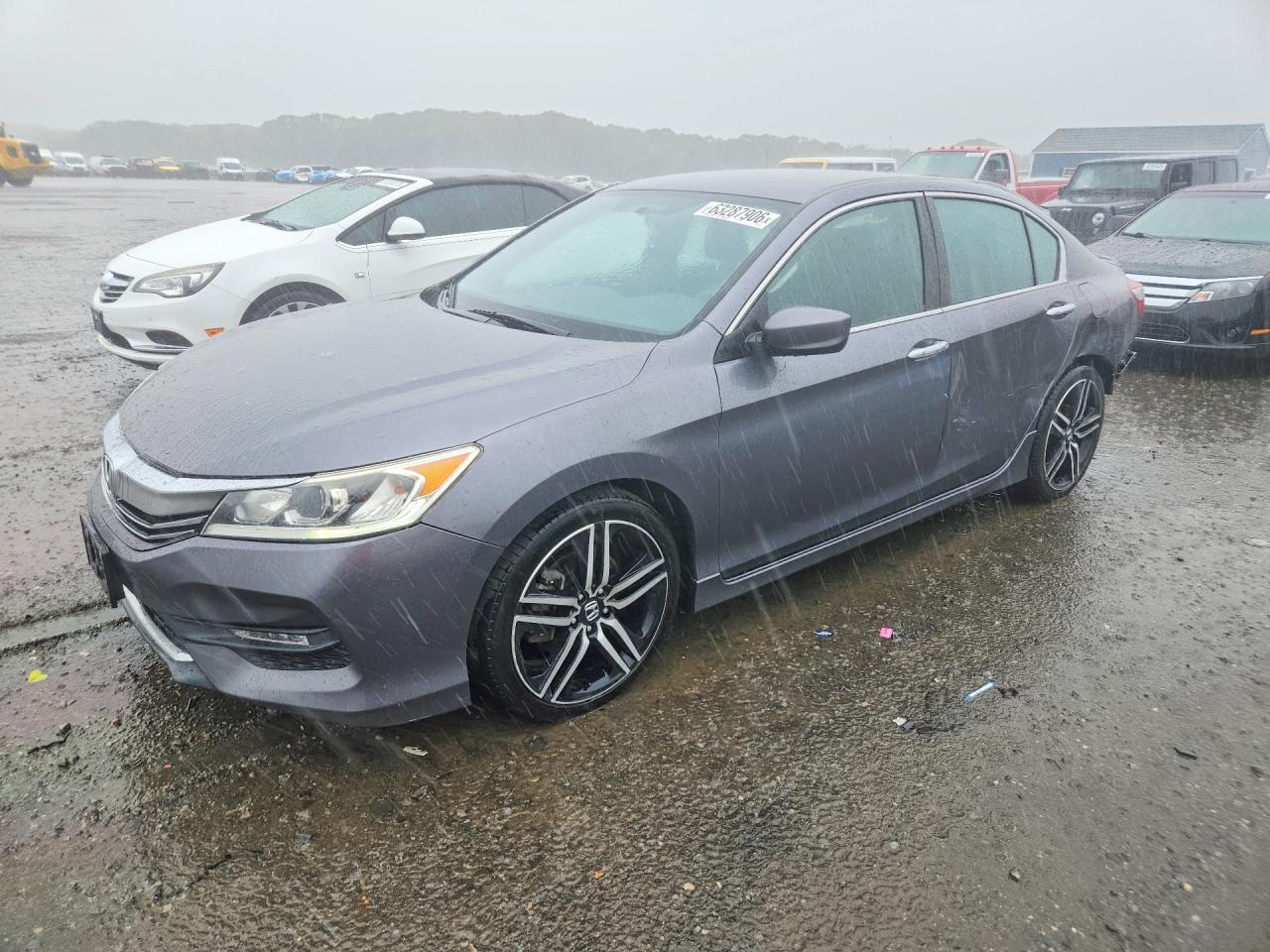
2015 HONDA ACCORD SPORT VIN 1HGCR2F52FA191605
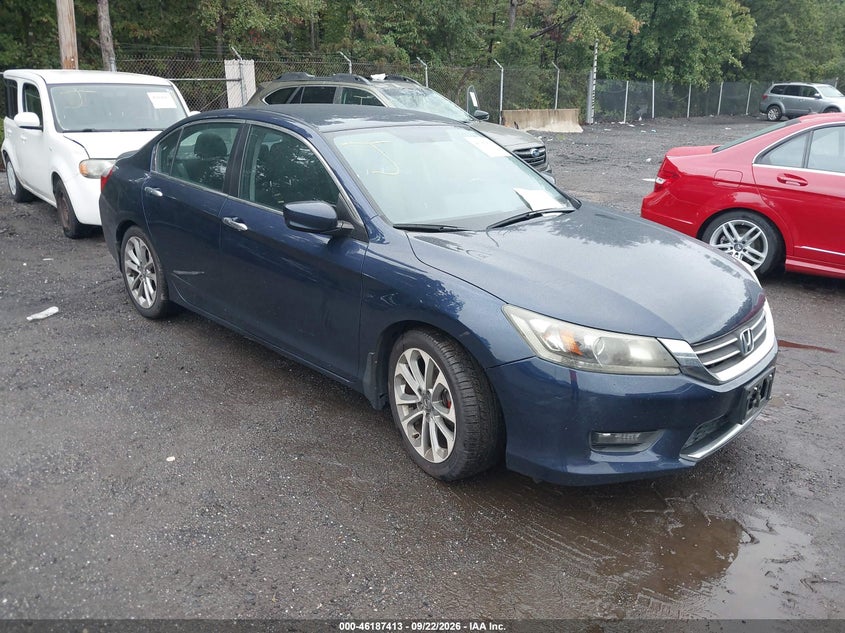
Damage map
If damage records exist for this VIN, the report shows the affected zonesTheft, liens and title
Checks that matter for registration and resaleRecorded condition
What the source noted about the car as it stands- Keys available
- Yes
History timeline
Data decoded from the VIN is shown. Records on file, if any, are in the full report.Mileage
Odometer reading as recorded at the sourceEarlier photos may be in the report
Check before you buy
Four things worth checking on any used carHONDA ACCORD SPORT specifications
- VIN
- 1HGCR2F52FA191605
- Make
- HONDA
- Model
- ACCORD SPORT
- Year
- 2015
- Colour
- BLUE
- Fuel
- Gasoline
- Engine
- 2.4 L
- Cylinders
- 4
- Power
- 185 hp
- Transmission
- CVT
- Drive
- FWD
- Recorded odometer
- 162 707 mi
- Recorded damage
- Normal Wear & Tear
What buyers ask about the HONDA ACCORD SPORT
Was this 2015 HONDA ACCORD SPORT damaged before?
The damage in the specifications is what the source noted at the time. Earlier accidents and repairs on file for VIN 1HGCR2F52FA191605, if any, are in the full report.
Can I trust the odometer reading of 162 707 mi?
It is the figure as recorded, not verified. Compare it with the earlier readings in the full report: they can only go up, so a drop points to a wound-back odometer.
In which countries was this car registered?
Registrations abroad seldom reach local registers. If this car was registered in other countries, the full report names them.
Who sells the report, and what does it cost?
An independent partner, selected automatically for each VIN by our system from analytical data. The partner shows the price before you pay; we may earn a commission.
VIN 1HGCR2F52FA191605: history
This Honda Accord Sport was built in 2015. The gearbox is continuously variable (CVT), with front-wheel drive. The engine is a 2.4-litre petrol unit with four cylinders. The specification is taken from the source data and has not been checked against other documents.
The car was recorded with 162,707 miles on the clock. Because the clock counts miles, any figure noted in kilometres has to be converted before the two can be compared. Turning back an odometer takes little skill and leaves no visible trace, which is why earlier figures matter more than the display. Figures carry most weight when they come from independent sources: workshops, inspection stations and past title paperwork.
No damage type appears in the source data; that shows what was entered, not what the car has been through. Signs of an old repair – uneven panel gaps, overspray, a slight mismatch in paint – can still turn up at an inspection.
A key was present. A condition note describes the car at one moment; months of standing or later work on the car can change the picture in either direction.
The record shows a clean title. Nothing on the title points to a total loss or a flood.
Behind every used car lies a string of events: who owned it and for how long, what the inspections found and which repairs and claims were made. A car’s paperwork is scattered: the registry knows about owners, the workshop about repairs and the insurance company about claims. A car’s past rarely shows on the paintwork: a well-repaired accident or water damage that was dried out is easy to miss.
A cold start, the colour of the exhaust smoke and any oil leaks tell a mechanic a good deal about how an engine has been treated. On a petrol engine, spark plugs, ignition coils and the cooling system are the routine items a service history should cover. Automatic transmissions, CVTs included, are expensive to repair, so the test drive should include pulling away from a standstill and a stretch at motorway speed.
The VIN is a 17-character code assigned at the factory: it identifies the manufacturer, the model and its variant, and ends with a serial number unique to the car. This car’s identification number is 1HGCR2F52FA191605. The VIN usually appears at the base of the windscreen, on a door pillar and stamped into the body, and all of them should match the documents.
A VIN report gathers what different sources know about a car, such as the number of owners, mileage readings, damage and any branded title. Paperwork is only as complete as the people who kept it, so a report with few entries lowers the risk without removing it. The past is on file; the car’s condition today is a job for a mechanic, who can check the structure, underbody, electrics and any repairs on a lift. Before any decision, check what is known about VIN 1HGCR2F52FA191605.