2021 DODGE CHARGER GT RWD VIN 2C3CDXHG3MH639233
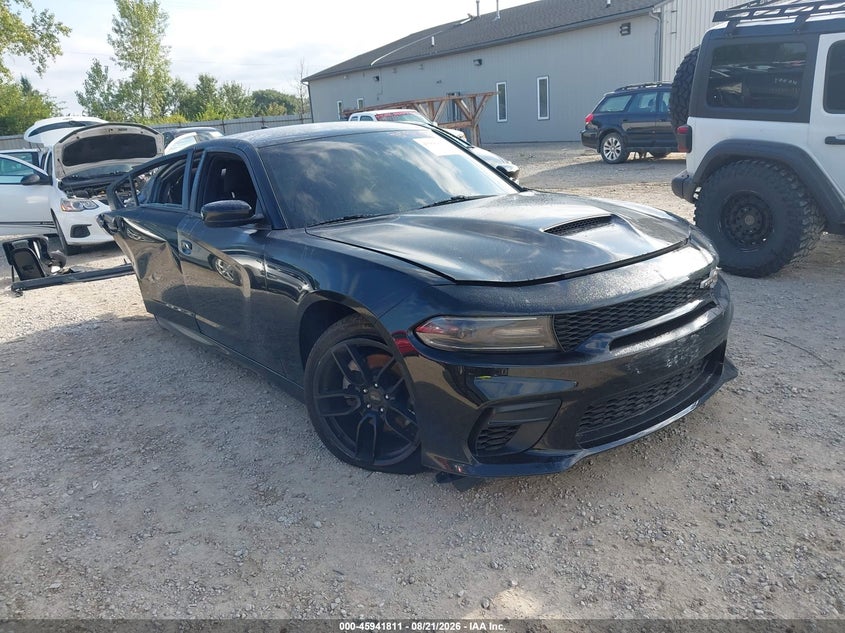
Damage map
If damage records exist for this VIN, the report shows the affected zonesTheft, liens and title
Checks that matter for registration and resaleRecorded condition
What the source noted about the car as it stands- Runs and drives
- No
- Engine starts
- No
- Keys available
- No
- Start code
- Stationary
History timeline
Data decoded from the VIN is shown. Records on file, if any, are in the full report.Mileage
Odometer reading as recorded at the sourceEarlier photos may be in the report
Check before you buy
Four things worth checking on any used carDODGE CHARGER GT RWD specifications
- VIN
- 2C3CDXHG3MH639233
- Make
- DODGE
- Model
- CHARGER GT RWD
- Year
- 2021
- Colour
- BLACK
- Fuel
- Gasoline
- Engine
- 3.6 L
- Cylinders
- 6
- Power
- 292 hp
- Transmission
- Automatic
- Drive
- RWD
- Recorded odometer
- 83 914 mi
- Recorded damage
- Rear
What buyers ask about the DODGE CHARGER GT RWD
Was this 2021 DODGE CHARGER GT RWD damaged before?
The damage in the specifications is what the source noted at the time. Earlier accidents and repairs on file for VIN 2C3CDXHG3MH639233, if any, are in the full report.
Can I trust the odometer reading of 83 914 mi?
It is the figure as recorded, not verified. Compare it with the earlier readings in the full report: they can only go up, so a drop points to a wound-back odometer.
In which countries was this car registered?
Registrations abroad seldom reach local registers. If this car was registered in other countries, the full report names them.
Who sells the report, and what does it cost?
An independent partner, selected automatically for each VIN by our system from analytical data. The partner shows the price before you pay; we may earn a commission.
VIN 2C3CDXHG3MH639233: history
This Dodge Charger GT RWD was built in 2021. Under the bonnet is a 3.6-litre petrol engine. There is an automatic gearbox, with rear-wheel drive. Every figure for this car is given as it appears in the source data.
The source data puts the mileage at 83,914 miles. Averaged over the car’s age, the mileage works out well above the usual annual distance, and wear on the suspension, brakes and interior should be judged with that in mind. Services and inspections note the distance covered, so a car with an ordinary past builds up a trail of figures that climb year after year. A service book or a folder of workshop invoices is the simplest place to find past readings.
When the car was recorded, it showed rear-end damage. A damage type says what kind of damage the car had, not how serious it was or whether it has been repaired since. With rear-end damage on file, the inspection should start with the boot floor, the rear panel and the chassis rails.
When it was checked, the car could not be driven. The engine did not start. No key is recorded with the car, and a replacement has to be coded to the immobiliser. A condition note describes the car at one moment; months of standing or later work on the car can change the picture in either direction.
The car carries a salvage title. At some point in its life, the car was declared a total loss. If any work has been done on the car since, photos and invoices should show what was replaced.
Behind every used car lies a string of events: who owned it and for how long, what the inspections found and which repairs and claims were made. A car’s paperwork is scattered: the registry knows about owners, the workshop about repairs and the insurance company about claims. A car’s past rarely shows on the paintwork: a well-repaired accident or water damage that was dried out is easy to miss.
When a car does not run, a compression test and the condition of the oil tell a mechanic whether the engine can be brought back to life. Many modern petrol engines are turbocharged and direct-injected; where they are, the turbocharger and injectors belong on a specialist’s checklist. While the car does not run, stored fault codes and a look at the fluid are the only early evidence of how the automatic gearbox has fared.
A vehicle identification number has 17 characters: the first three name the manufacturer, the next six describe the model and its specification, and the last eight identify the individual car. The VIN on file for this car is 2C3CDXHG3MH639233. Scratches, fresh paint or a replaced plate around the VIN markings are warning signs in their own right.
Where entries exist, a VIN check can show changes of owner, past mileage readings, reported damage and whether the car is listed as stolen. Paperwork is only as complete as the people who kept it, so a report with few entries lowers the risk without removing it. A history report says nothing about the car’s present condition: the frame, corrosion, electrics and the quality of any repair are judged on a lift by a mechanic. A history check on VIN 2C3CDXHG3MH639233 is the place to start.
Similar DODGE CHARGER GT RWD cars
All DODGE cars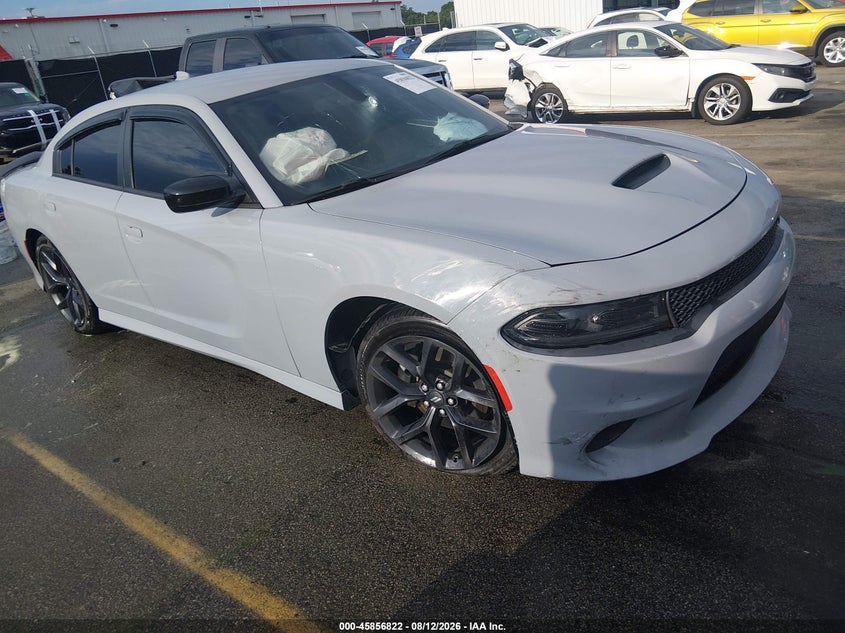 2022 DODGE CHARGER GT RWD
2C3CDX•••••••7798
3.6 gasoline · Automatic
Check history
2022 DODGE CHARGER GT RWD
2C3CDX•••••••7798
3.6 gasoline · Automatic
Check history
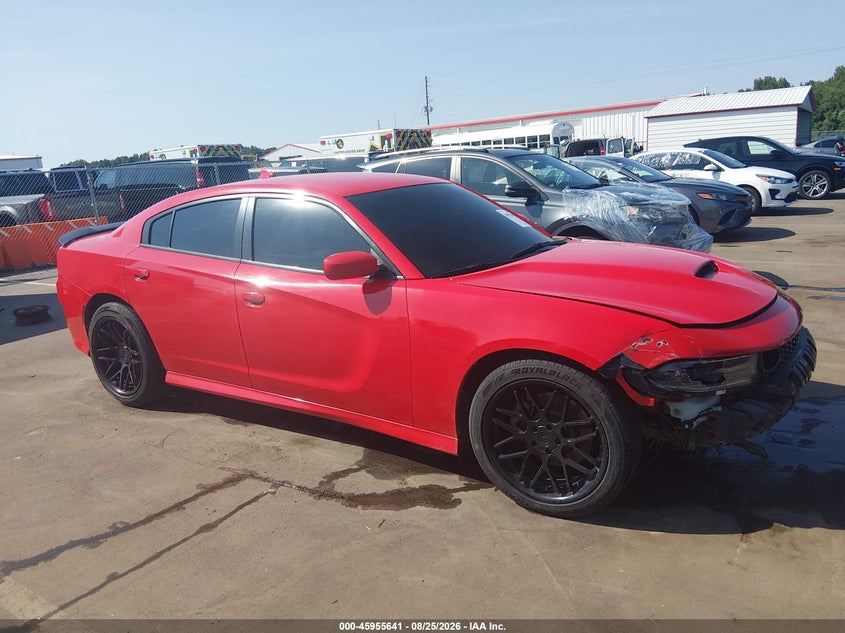 2021 DODGE CHARGER R/T RWD
2C3CDX•••••••7497
5.7 gasoline · Automatic
Check history
2021 DODGE CHARGER R/T RWD
2C3CDX•••••••7497
5.7 gasoline · Automatic
Check history
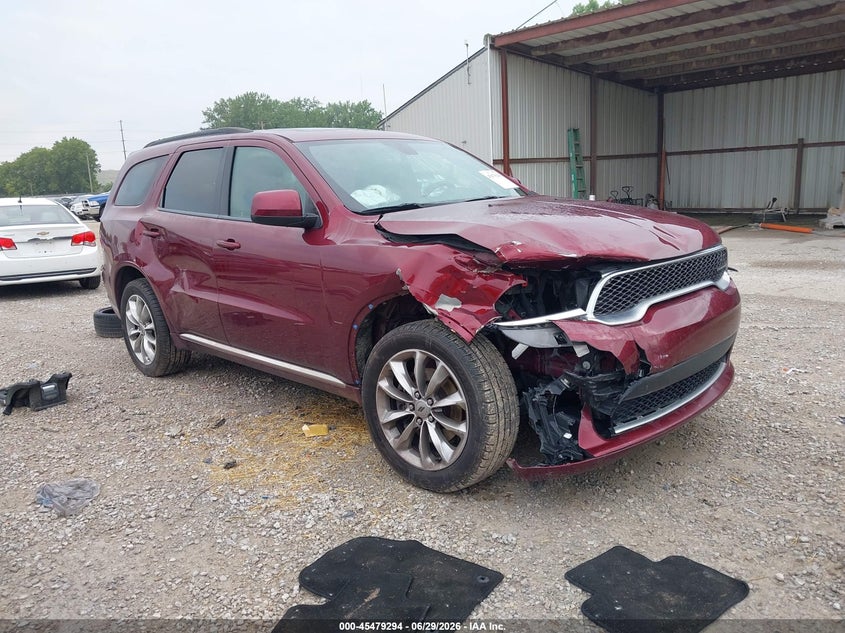 2022 DODGE DURANGO SXT AWD
1C4RDJ•••••••8261
3.6 gasoline · Automatic
Check history
2022 DODGE DURANGO SXT AWD
1C4RDJ•••••••8261
3.6 gasoline · Automatic
Check history
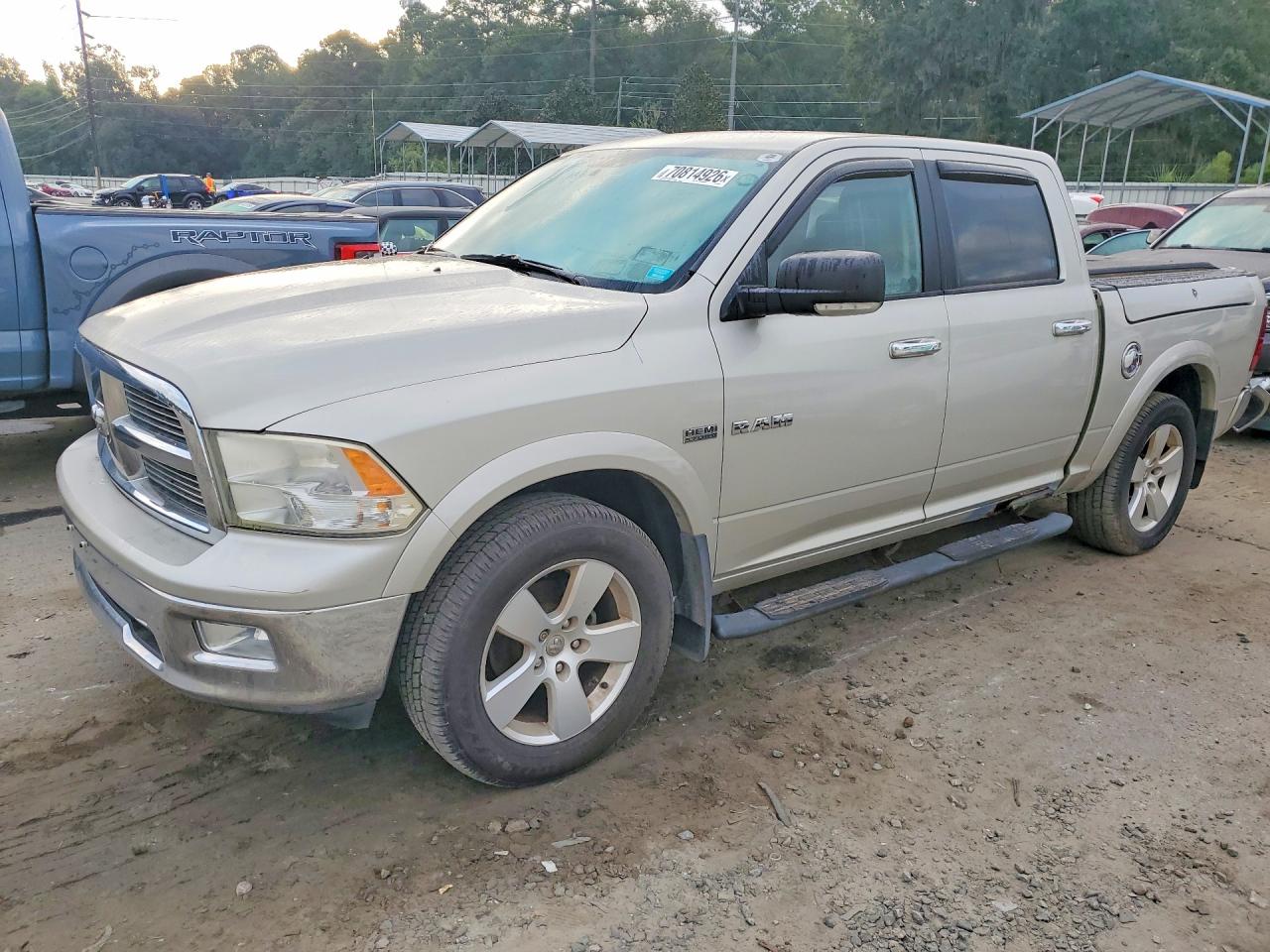 2009 DODGE RAM 1500
1D3HV1•••••••3846
5.7 gasoline · Automatic
Check history
2009 DODGE RAM 1500
1D3HV1•••••••3846
5.7 gasoline · Automatic
Check history