2022 CHRYSLER PACIFICA HYBRID TOURING L VIN 2C4RC1L78NR129680
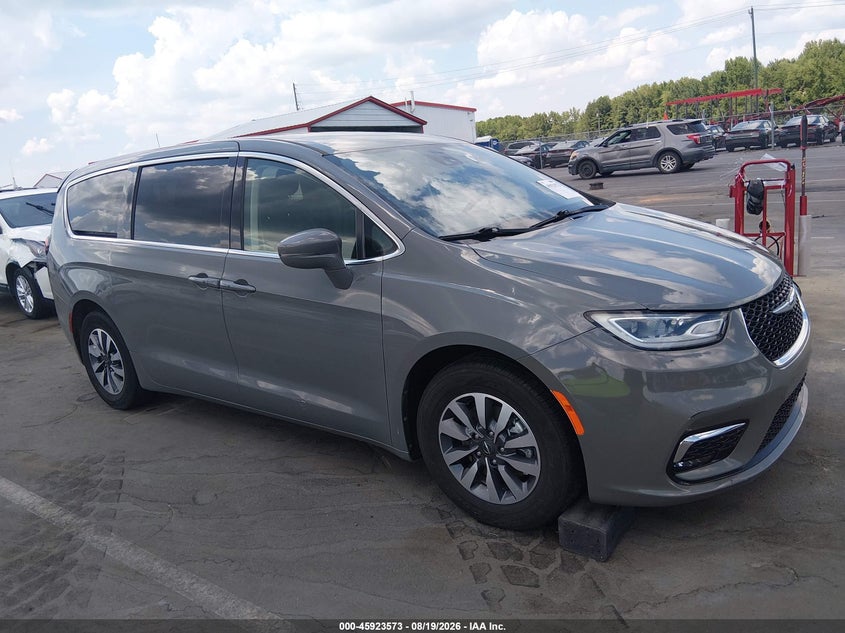
Damage map
If damage records exist for this VIN, the report shows the affected zonesTheft, liens and title
Checks that matter for registration and resaleRecorded condition
What the source noted about the car as it stands- Runs and drives
- No
- Engine starts
- No
- Keys available
- Yes
- Start code
- Stationary
History timeline
Data decoded from the VIN is shown. Records on file, if any, are in the full report.Mileage
Odometer reading as recorded at the sourceEarlier photos may be in the report
Check before you buy
Four things worth checking on any used carCHRYSLER PACIFICA HYBRID TOURING L specifications
- VIN
- 2C4RC1L78NR129680
- Make
- CHRYSLER
- Model
- PACIFICA HYBRID TOURING L
- Year
- 2022
- Colour
- GRAY
- Fuel
- Hybrid
- Engine
- 3.6 L
- Cylinders
- 6
- Power
- 260 hp
- Transmission
- Automatic
- Drive
- FWD
- Recorded odometer
- 111 192 mi
- Recorded damage
- Left Rear
What buyers ask about the CHRYSLER PACIFICA HYBRID TOURING L
Was this 2022 CHRYSLER PACIFICA HYBRID TOURING L damaged before?
The damage in the specifications is what the source noted at the time. Earlier accidents and repairs on file for VIN 2C4RC1L78NR129680, if any, are in the full report.
Can I trust the odometer reading of 111 192 mi?
It is the figure as recorded, not verified. Compare it with the earlier readings in the full report: they can only go up, so a drop points to a wound-back odometer.
In which countries was this car registered?
Registrations abroad seldom reach local registers. If this car was registered in other countries, the full report names them.
Who sells the report, and what does it cost?
An independent partner, selected automatically for each VIN by our system from analytical data. The partner shows the price before you pay; we may earn a commission.
VIN 2C4RC1L78NR129680: history
The Chrysler Pacifica Hybrid Touring L described here left the factory in 2022. The gearbox is automatic. The powertrain is hybrid. Every figure for this car is given as it appears in the source data.
The clock stood at 111,192 miles when the data was entered. The figure is in miles and needs converting before it is compared with kilometres: one mile is about 1.6 km. Averaged over the car’s age, the mileage works out well above the usual annual distance, and wear on the suspension, brakes and interior should be judged with that in mind. Turning back an odometer takes little skill and leaves no visible trace, which is why earlier figures matter more than the display. Title paperwork often notes the mileage at each change of owner, which makes it a useful cross-check.
When the car was recorded, it showed damage to the left rear. Whether the damage has been repaired since, and how well, is not something a damage entry can show. With damage to the left rear on file, the inspection should start with the left rear quarter panel, the suspension on that corner and the boot floor.
A car that does not run has to be moved on a trailer, and its real condition is known only after a thorough assessment. An engine that will not start could have a simple electrical fault or internal damage, and only diagnostic work can tell which. A key is on file for the car. Months of standing can leave a car with seized brakes and perished tyres.
A salvage title is on file for this car. A title of this kind usually means the car was written off as a total loss after damage. If any work has been done on the car since, photos and invoices should show what was replaced.
Behind every used car lies a string of events: who owned it and for how long, what the inspections found and which repairs and claims were made. The paperwork is kept by different bodies – registries, workshops, insurance companies and lenders – so the history of one car is spread across many places. Much of a car’s past cannot be seen: a good body repair leaves no obvious mark, and neither do years of hard driving.
An engine that has had its oil changed on time is far less likely to cause trouble later, and workshop invoices are the proof. On a hybrid, the high-voltage battery and its cooling are as important as the engine, and a dealer or specialist can test the battery’s health. On a car that does not run, the automatic gearbox cannot be judged on the road; the colour and smell of its fluid and a diagnostic scan give the first clues.
Every modern car carries a 17-character VIN, and no two cars share one. This Chrysler Pacifica Hybrid Touring L has the VIN 2C4RC1L78NR129680. The VIN usually appears at the base of the windscreen, on a door pillar and stamped into the body, and all of them should match the documents.
Where entries exist, a VIN check can show changes of owner, past mileage readings, reported damage and whether the car is listed as stolen. No report is complete: a repair done privately and never claimed on insurance leaves nothing to find. However complete the paperwork, only an inspection shows the condition of the body, suspension, brakes and electrics today. With this 2022 Chrysler Pacifica Hybrid Touring L, the first step is a look at the history behind VIN 2C4RC1L78NR129680.
Similar CHRYSLER PACIFICA HYBRID TOURING L cars
All CHRYSLER cars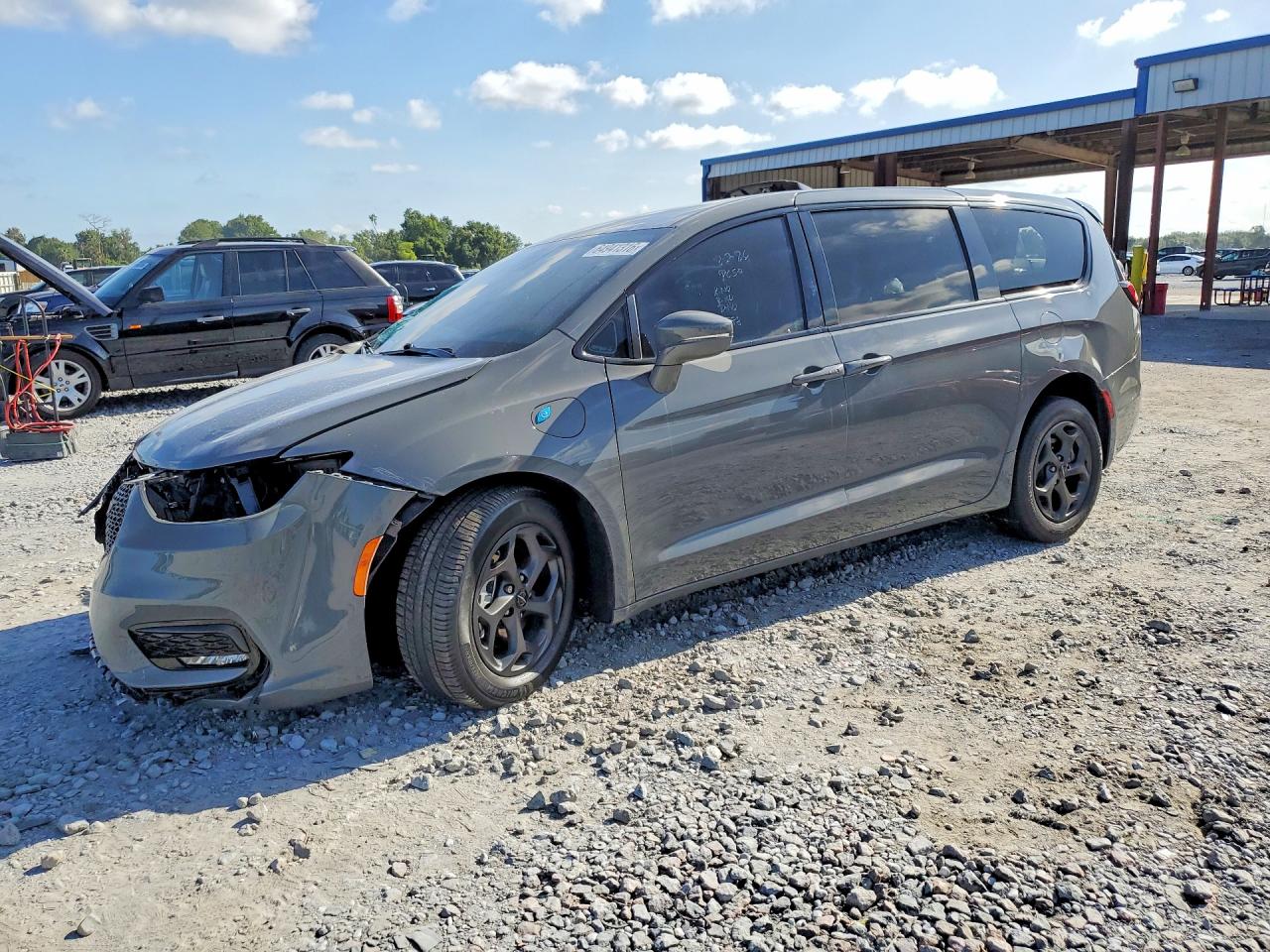 2022 CHRYSLER PACIFICA HYBRID TOURING L
2C4RC1•••••••9588
3.6 hybrid · Automatic
Check history
2022 CHRYSLER PACIFICA HYBRID TOURING L
2C4RC1•••••••9588
3.6 hybrid · Automatic
Check history
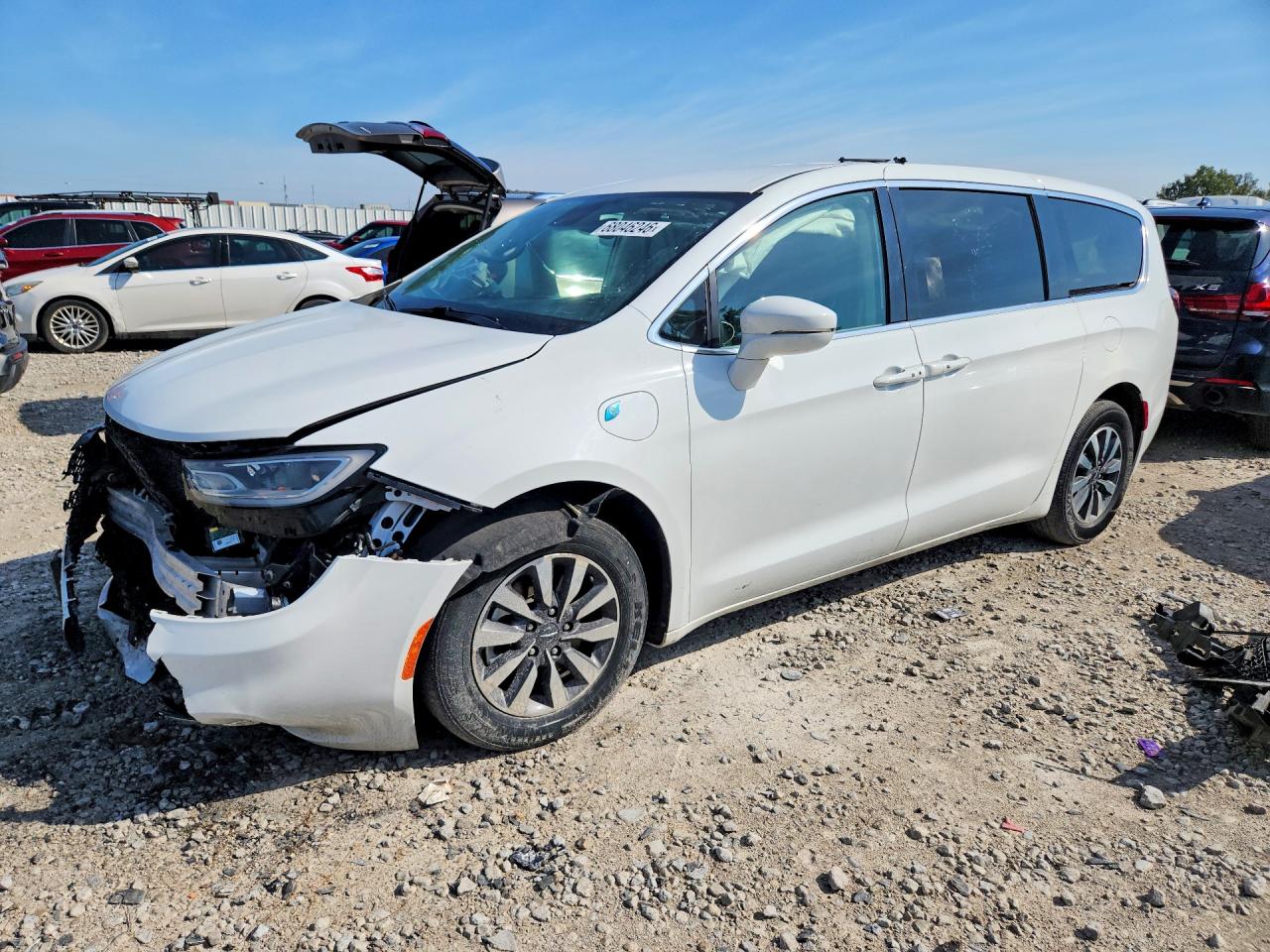 2022 CHRYSLER PACIFICA HYBRID TOURING L
2C4RC1•••••••9525
3.6 hybrid · Automatic
Check history
2022 CHRYSLER PACIFICA HYBRID TOURING L
2C4RC1•••••••9525
3.6 hybrid · Automatic
Check history
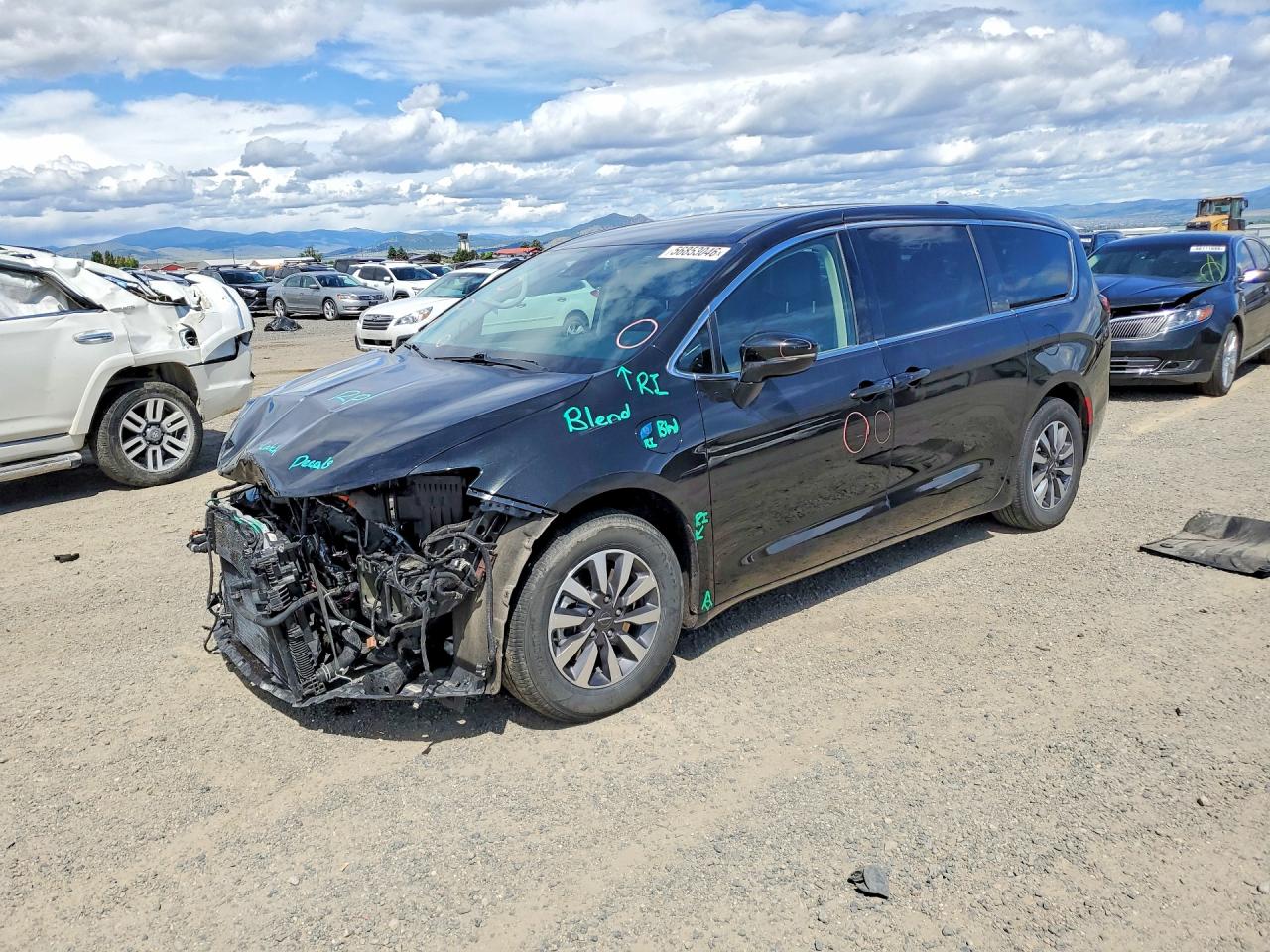 2022 CHRYSLER PACIFICA HYBRID TOURING L
2C4RC1•••••••6181
3.6 hybrid · Automatic
Check history
2022 CHRYSLER PACIFICA HYBRID TOURING L
2C4RC1•••••••6181
3.6 hybrid · Automatic
Check history
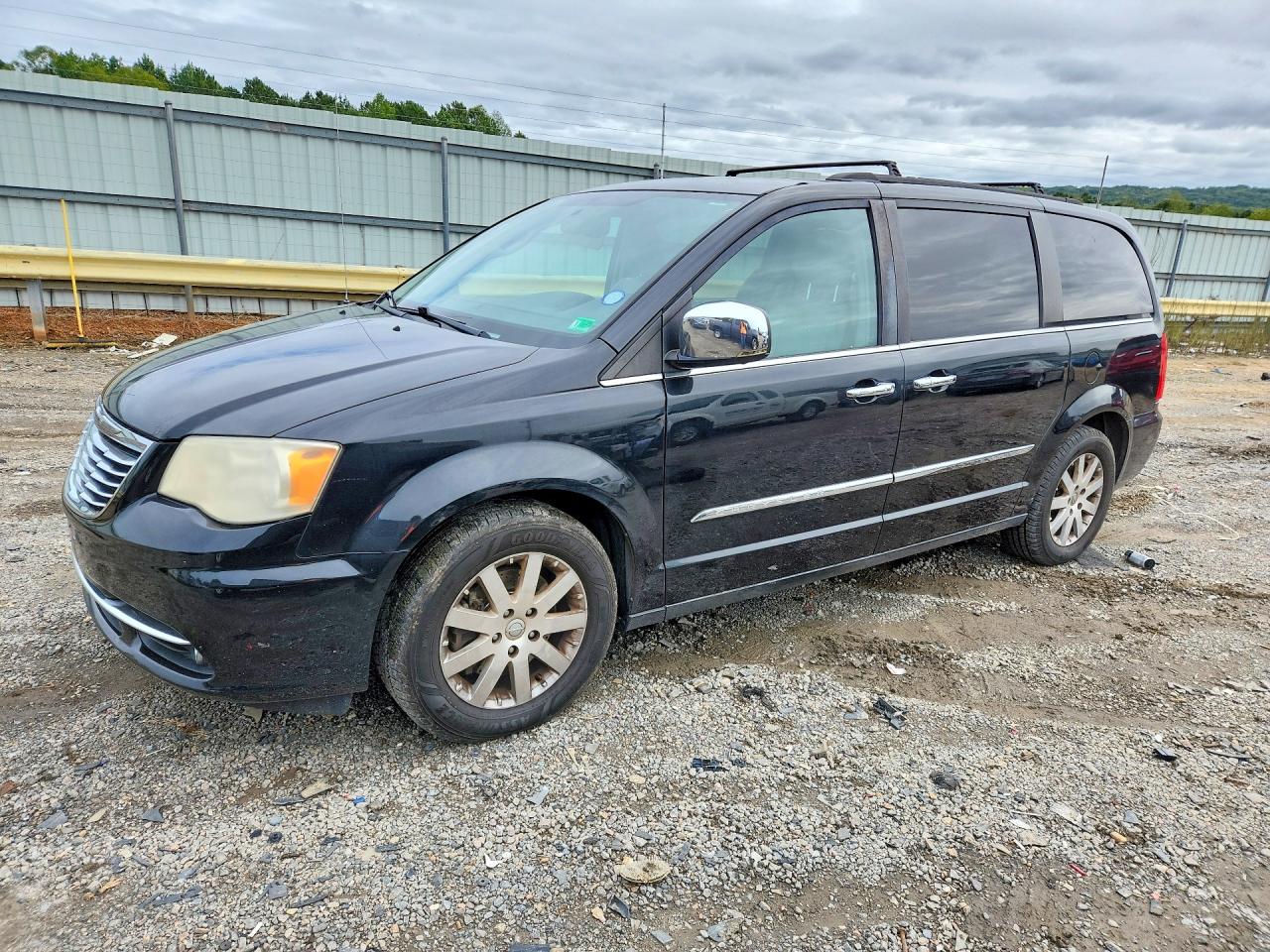 2012 CHRYSLER TOWN & COUNTRY TOURING L
2C4RC1•••••••0670
3.6 flex fuel · Automatic
Check history
2012 CHRYSLER TOWN & COUNTRY TOURING L
2C4RC1•••••••0670
3.6 flex fuel · Automatic
Check history