2022 FORD EDGE SEL VIN 2FMPK4J90NBA53246
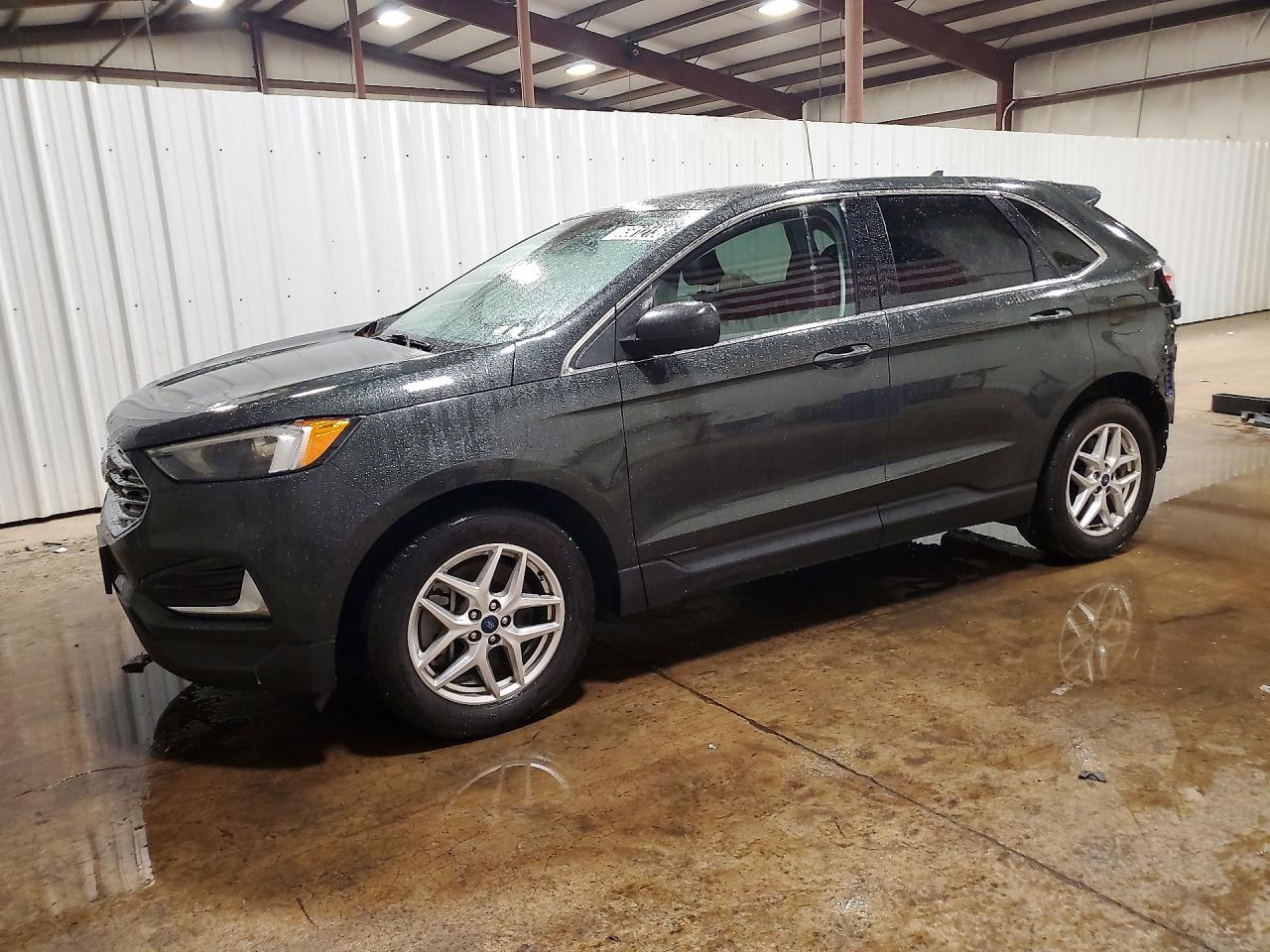
Damage map
If damage records exist for this VIN, the report shows the affected zonesTheft, liens and title
Checks that matter for registration and resaleRecorded condition
What the source noted about the car as it stands- Runs and drives
- Yes
- Engine starts
- Yes
- Keys available
- Yes
- Start code
- Run & Drive
History timeline
Data decoded from the VIN is shown. Records on file, if any, are in the full report.Mileage
Odometer reading as recorded at the sourceEarlier photos may be in the report
Check before you buy
Four things worth checking on any used carFORD EDGE SEL specifications
- VIN
- 2FMPK4J90NBA53246
- Make
- FORD
- Model
- EDGE SEL
- Year
- 2022
- Colour
- GRAY
- Fuel
- Gasoline
- Engine
- 2.0 L
- Cylinders
- 4
- Power
- 250 hp
- Transmission
- Automatic
- Drive
- AWD
- Recorded odometer
- 62 440 mi
- Recorded damage
- Rear End
What buyers ask about the FORD EDGE SEL
Was this 2022 FORD EDGE SEL damaged before?
The damage in the specifications is what the source noted at the time. Earlier accidents and repairs on file for VIN 2FMPK4J90NBA53246, if any, are in the full report.
Can I trust the odometer reading of 62 440 mi?
It is the figure as recorded, not verified. Compare it with the earlier readings in the full report: they can only go up, so a drop points to a wound-back odometer.
In which countries was this car registered?
Registrations abroad seldom reach local registers. If this car was registered in other countries, the full report names them.
Who sells the report, and what does it cost?
An independent partner, selected automatically for each VIN by our system from analytical data. The partner shows the price before you pay; we may earn a commission.
VIN 2FMPK4J90NBA53246: history
This record covers a 2022 Ford Edge SEL, finished in grey. Power reaches the wheels through an automatic gearbox. The engine is a 2.0-litre petrol unit with four cylinders.
The recorded mileage is 62,440 miles. A clock converted from miles to kilometres should be documented, since the swap can hide the true mileage. Averaged over the car’s age, the mileage works out well above the usual annual distance, and wear on the suspension, brakes and interior should be judged with that in mind. Turning back an odometer takes little skill and leaves no visible trace, which is why earlier figures matter more than the display. Title paperwork often notes the mileage at each change of owner, which makes it a useful cross-check.
When the car was recorded, it showed rear-end damage. Two cars with the same damage label can be very different: one needs a few new parts, the other major work. A lift and a diagnostic check show what photos cannot: bent brackets behind a panel, chafed wiring or deployed airbags.
A ‘runs and drives’ note means the car moved under its own power when it was checked. A key was present. Condition notes are a snapshot: the car may have been worked on, stripped of parts or left standing since.
According to the source data, the car has a salvage title. A title of this kind usually means the car was written off as a total loss after damage. A branded title follows the car through every change of owner, so it remains part of its history.
Behind every used car lies a string of events: who owned it and for how long, what the inspections found and which repairs and claims were made. Pieces of a car’s history sit with registries, dealers, workshops and insurance companies, and none of them sees the whole picture. A car’s past rarely shows on the paintwork: a well-repaired accident or water damage that was dried out is easy to miss.
An engine that has had its oil changed on time is far less likely to cause trouble later, and workshop invoices are the proof. Many modern petrol engines are turbocharged and direct-injected; where they are, the turbocharger and injectors belong on a specialist’s checklist. The automatic gearbox needs its fluid changed at the manufacturer’s intervals, and invoices should show that it was. A car with all-wheel drive has extra differentials and often a transfer case, which an inspection should cover alongside the engine and gearbox.
The ninth character of the VIN is a check digit calculated from the other sixteen, so a mistyped or invented number does not add up. The record gives the VIN as 2FMPK4J90NBA53246. The number in the car’s documents should match the one stamped into the body and the one on the plate at the base of the windscreen.
A VIN report shows what has been logged: earlier registrations, odometer figures, damage entries, branded titles and theft checks, wherever such data exists. A repair paid for in cash at a small workshop leaves no trace in any database, so no report can list it. A professional inspection makes sense whatever the paperwork shows, because no report measures corrosion, worn bushes or a poor repair. A history check on VIN 2FMPK4J90NBA53246 is the place to start.
Similar FORD EDGE SEL cars
All FORD cars 2016 FORD EDGE SEL
2FMPK3•••••••2979
2.0 gasoline · Automatic
Check history
2016 FORD EDGE SEL
2FMPK3•••••••2979
2.0 gasoline · Automatic
Check history
 2013 FORD EDGE SEL
2FMDK3•••••••3018
3.5 gasoline · Automatic
Check history
2013 FORD EDGE SEL
2FMDK3•••••••3018
3.5 gasoline · Automatic
Check history
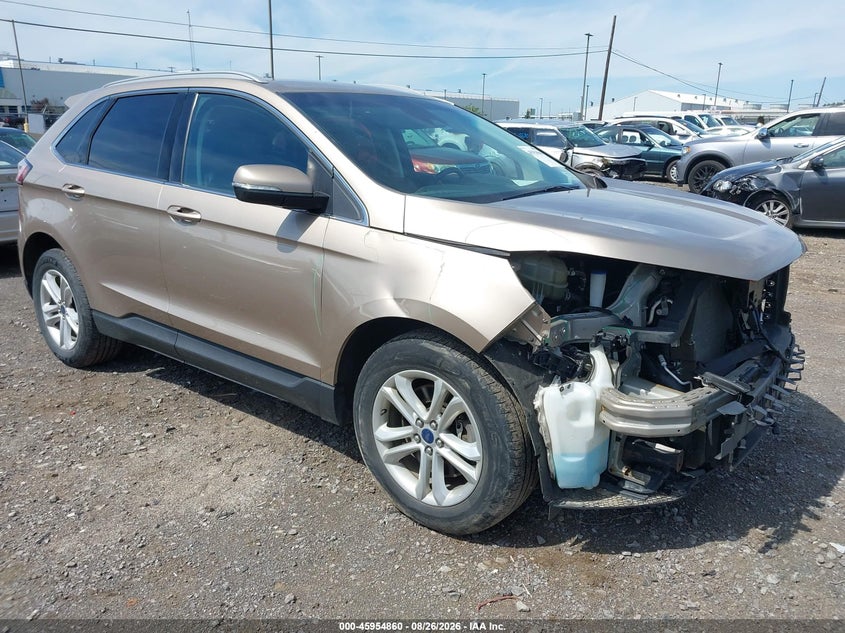 2020 FORD EDGE SEL
2FMPK4•••••••1698
2.0 gasoline · Automatic
Check history
2020 FORD EDGE SEL
2FMPK4•••••••1698
2.0 gasoline · Automatic
Check history
 2016 FORD EDGE SEL
2FMPK4•••••••9321
3.5 gasoline · Automatic
Check history
2016 FORD EDGE SEL
2FMPK4•••••••9321
3.5 gasoline · Automatic
Check history