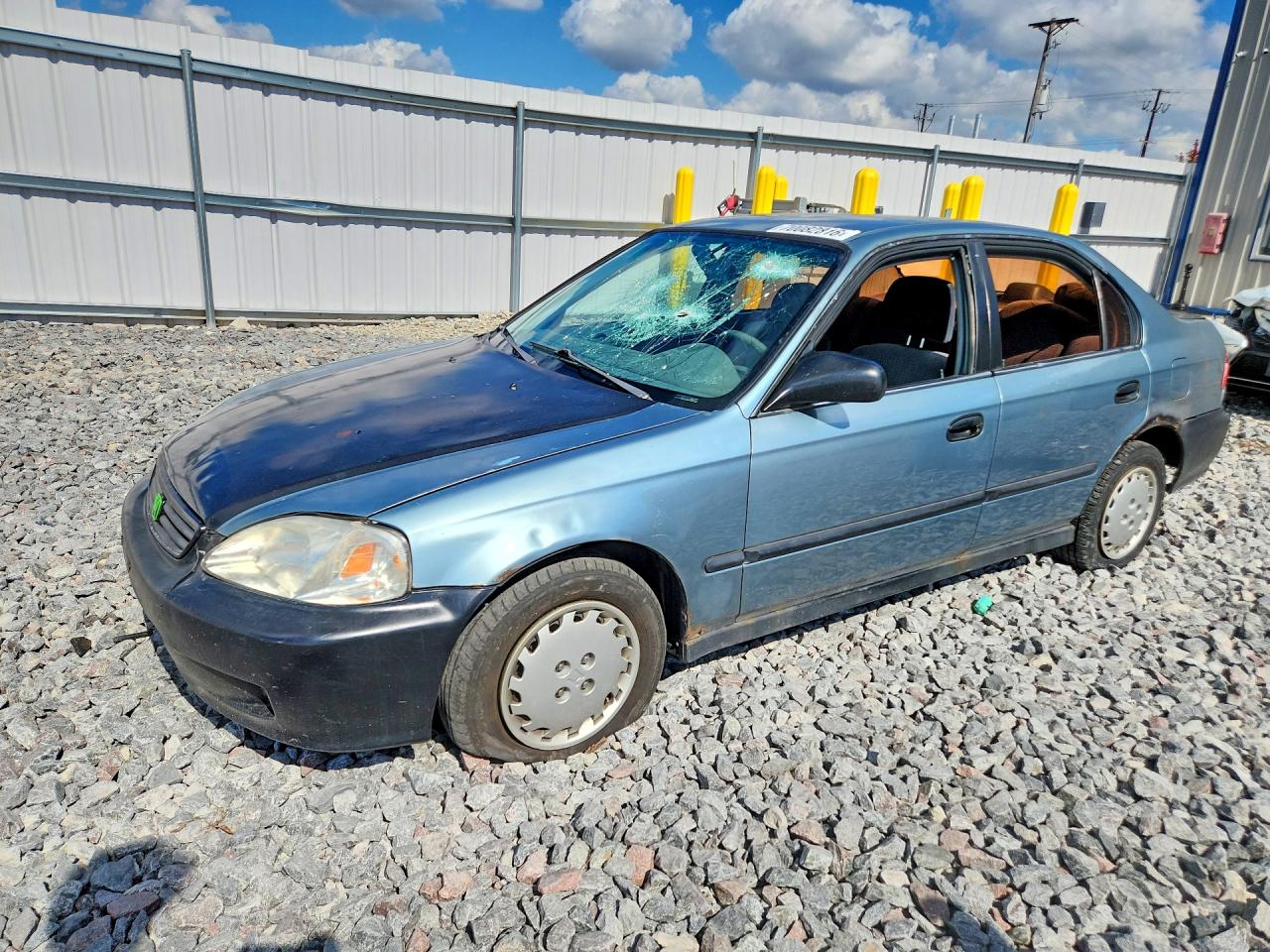
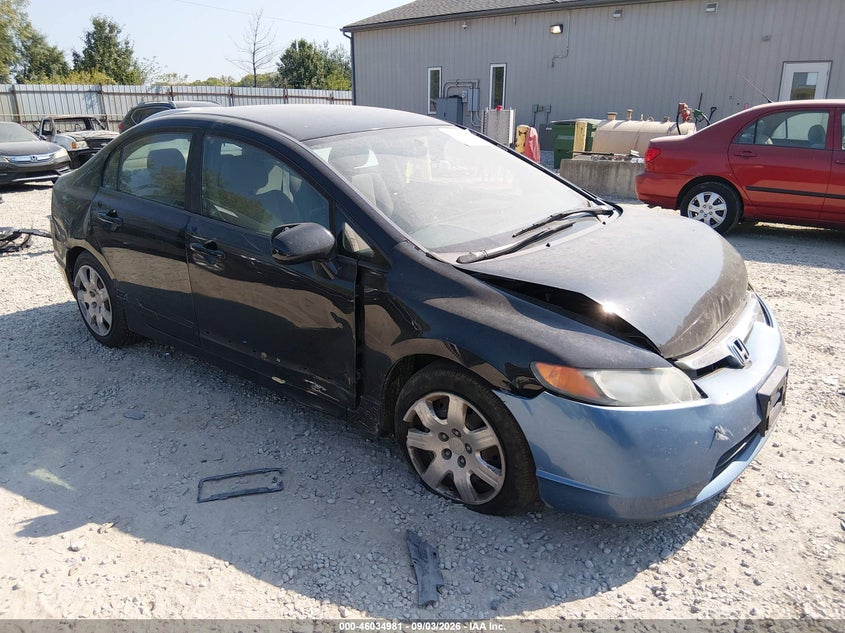
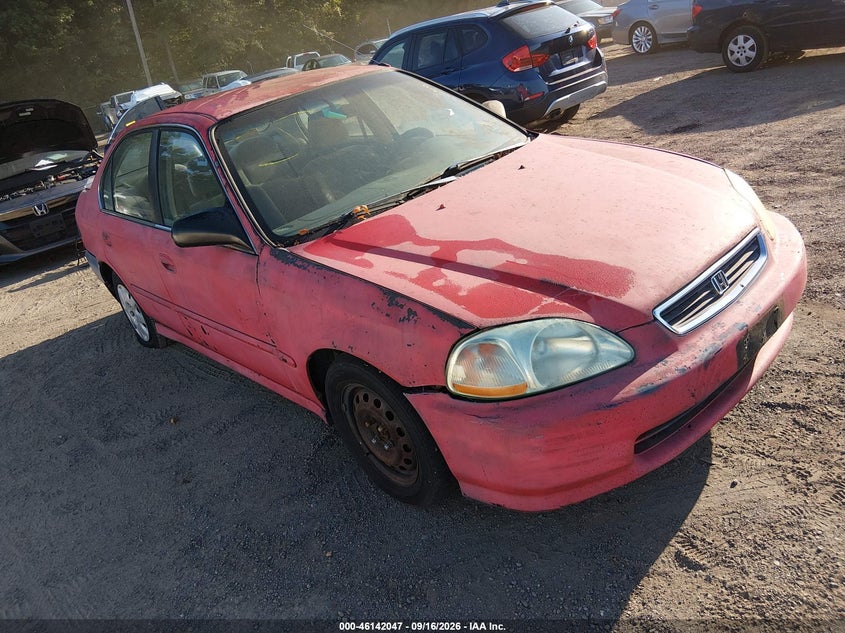
1998 HONDA CIVIC LX VIN 2HGEJ6671WH517310
Damage map
If damage records exist for this VIN, the report shows the affected zonesTheft, liens and title
Checks that matter for registration and resaleRecorded condition
What the source noted about the car as it stands- Runs and drives
- No
- Engine starts
- No
- Keys available
- Yes
- Start code
- Stationary
History timeline
Data decoded from the VIN is shown. Records on file, if any, are in the full report.Mileage
Odometer reading as recorded at the sourceEarlier photos may be in the report
Check before you buy
Four things worth checking on any used carHONDA CIVIC LX specifications
- VIN
- 2HGEJ6671WH517310
- Make
- HONDA
- Model
- CIVIC LX
- Year
- 1998
- Colour
- RED
- Fuel
- Gasoline
- Engine
- 1.6 L
- Cylinders
- 4
- Power
- 106 hp
- Transmission
- Automatic
- Drive
- FWD
- Recorded odometer
- 162 466 mi
- Recorded damage
- Normal Wear & Tear
What buyers ask about the HONDA CIVIC LX
Was this 1998 HONDA CIVIC LX damaged before?
The damage in the specifications is what the source noted at the time. Earlier accidents and repairs on file for VIN 2HGEJ6671WH517310, if any, are in the full report.
Can I trust the odometer reading of 162 466 mi?
It is the figure as recorded, not verified. Compare it with the earlier readings in the full report: they can only go up, so a drop points to a wound-back odometer.
In which countries was this car registered?
Registrations abroad seldom reach local registers. If this car was registered in other countries, the full report names them.
Who sells the report, and what does it cost?
An independent partner, selected automatically for each VIN by our system from analytical data. The partner shows the price before you pay; we may earn a commission.
VIN 2HGEJ6671WH517310: history
This record covers a 1998 Honda Civic LX, finished in red. The engine is a 1.6-litre petrol unit with four cylinders. Power reaches the wheels through an automatic gearbox.
The record gives the mileage as 162,466 miles. Because the clock counts miles, any figure noted in kilometres has to be converted before the two can be compared. Gaps of several years between logged figures deserve attention, as does any reading lower than the one before it. Title paperwork often notes the mileage at each change of owner, which makes it a useful cross-check.
No damage entry is on file for this car, and the bodywork still needs checking in person. Signs of an old repair – uneven panel gaps, overspray, a slight mismatch in paint – can still turn up at an inspection.
A note in the source data says the car did not run. The engine would not start, which can mean anything from a flat battery to serious mechanical damage. A key was noted with the car. Running condition describes a single moment, and standing or work done since can change it.
The record shows a clean title. Such a title means no salvage, flood or similar mark was recorded against the car; it does not rule out damage repaired without a claim.
A car’s history answers three questions: who kept it, how it was looked after and what went wrong along the way. A car’s paperwork is scattered: the registry knows about owners, the workshop about repairs and the insurance company about claims. A clean, polished car can still hide a serious accident, a flood or years of hard use.
For the engine, the service history matters most: oil changes, filters and the timing belt or chain are the entries to look for. On a petrol engine, spark plugs, ignition coils and the cooling system are the routine items a service history should cover. On a car that does not run, the automatic gearbox cannot be judged on the road; the colour and smell of its fluid and a diagnostic scan give the first clues.
Every modern car carries a 17-character VIN, its identity for life, and no two cars share one. The VIN on file for this car is 2HGEJ6671WH517310. The VIN usually appears at the base of the windscreen, on a door pillar and stamped into the body, and all of them should match the documents.
A VIN report gathers what different sources know about a car, such as the number of owners, mileage readings, damage and any branded title. Paperwork is only as complete as the people who kept it, so a report with few entries lowers the risk without removing it. The past is on file; the car’s condition today is a job for a mechanic, who can check the structure, underbody, electrics and any repairs on a lift. A history check on VIN 2HGEJ6671WH517310 is the place to start.