2024 HYUNDAI TUCSON SEL VIN 5NMJBCDE1RH306403

Damage map
If damage records exist for this VIN, the report shows the affected zonesTheft, liens and title
Checks that matter for registration and resaleRecorded condition
What the source noted about the car as it stands- Runs and drives
- Yes
- Engine starts
- Yes
- Keys available
- Yes
- Start code
- Run & Drive
History timeline
Data decoded from the VIN is shown. Records on file, if any, are in the full report.Mileage
Odometer reading as recorded at the sourceEarlier photos may be in the report
Check before you buy
Four things worth checking on any used carHYUNDAI TUCSON SEL specifications
- VIN
- 5NMJBCDE1RH306403
- Make
- HYUNDAI
- Model
- TUCSON SEL
- Year
- 2024
- Colour
- WHITE
- Fuel
- Gasoline
- Engine
- 2.5 L
- Cylinders
- 4
- Power
- 187 hp
- Transmission
- Automatic
- Drive
- 4x4
- Recorded odometer
- 71 693 mi
- Recorded damage
- Left Side
What buyers ask about the HYUNDAI TUCSON SEL
Was this 2024 HYUNDAI TUCSON SEL damaged before?
The damage in the specifications is what the source noted at the time. Earlier accidents and repairs on file for VIN 5NMJBCDE1RH306403, if any, are in the full report.
Can I trust the odometer reading of 71 693 mi?
It is the figure as recorded, not verified. Compare it with the earlier readings in the full report: they can only go up, so a drop points to a wound-back odometer.
In which countries was this car registered?
Registrations abroad seldom reach local registers. If this car was registered in other countries, the full report names them.
Who sells the report, and what does it cost?
An independent partner, selected automatically for each VIN by our system from analytical data. The partner shows the price before you pay; we may earn a commission.
VIN 5NMJBCDE1RH306403: history
This Hyundai Tucson SEL was built in 2024. There is an automatic gearbox, with four-wheel drive. Power comes from a 2.5-litre petrol engine with four cylinders.
At the time of recording, the car had covered 71,693 miles. Because the clock counts miles, any figure noted in kilometres has to be converted before the two can be compared. Averaged over the car’s age, the mileage works out well above the usual annual distance, and wear on the suspension, brakes and interior should be judged with that in mind. The number on the clock proves little by itself; earlier figures logged at services and inspections are what make it believable. Figures carry most weight when they come from independent sources: workshops, inspection stations and past title paperwork.
Primary damage in the record: left side. The damage type is a short label: the extent of the damage and the quality of any repair still have to be judged on the car. Whatever the cause, a diagnostic scan of the car’s electronics shows fault codes that a visual check misses.
A ‘runs and drives’ note means the car moved under its own power when it was checked. A key is on file for the car. Months of standing can leave a car with seized brakes and perished tyres.
Title status in the record: salvage. Titles of this type are issued to cars declared a total loss. The structure and the quality of any work done deserve a thorough inspection on a car with a branded title, however sound the car looks.
Registrations, changes of owner, inspection results and accident claims together make up what is called a car’s history. A car’s paperwork is scattered: the registry knows about owners, the workshop about repairs and the insurance company about claims. What a car has been through is seldom visible at first glance, and a respray can make even a badly damaged car look sound.
For the engine, the service history matters most: oil changes, filters and the timing belt or chain are the entries to look for. On a petrol engine, spark plugs, ignition coils and the cooling system are the routine items a service history should cover. The automatic gearbox should respond smoothly and without delay; jerks, slipping or hesitation on a test drive need investigating. A car with four-wheel drive has extra differentials and often a transfer case, which an inspection should cover alongside the engine and gearbox.
The VIN is a 17-character code assigned at the factory: it identifies the manufacturer, the model and its variant, and ends with a serial number unique to the car. This car’s identification number is 5NMJBCDE1RH306403. The number in the car’s documents should match the one stamped into the body and the one on the plate at the base of the windscreen.
Where entries exist, a VIN check can show changes of owner, past mileage readings, reported damage and whether the car is listed as stolen. Paperwork is only as complete as the people who kept it, so a report with few entries lowers the risk without removing it. The past is on file; the car’s condition today is a job for a mechanic, who can check the structure, underbody, electrics and any repairs on a lift. The next step is to look up the history behind VIN 5NMJBCDE1RH306403.
Similar HYUNDAI TUCSON SEL cars
All HYUNDAI cars 2019 HYUNDAI TUCSON SEL
KM8J33•••••••4022
2.4 gasoline · Automatic
Check history
2019 HYUNDAI TUCSON SEL
KM8J33•••••••4022
2.4 gasoline · Automatic
Check history
 2022 HYUNDAI TUCSON SEL
5NMJBC•••••••0387
2.5 gasoline · Automatic
Check history
2022 HYUNDAI TUCSON SEL
5NMJBC•••••••0387
2.5 gasoline · Automatic
Check history
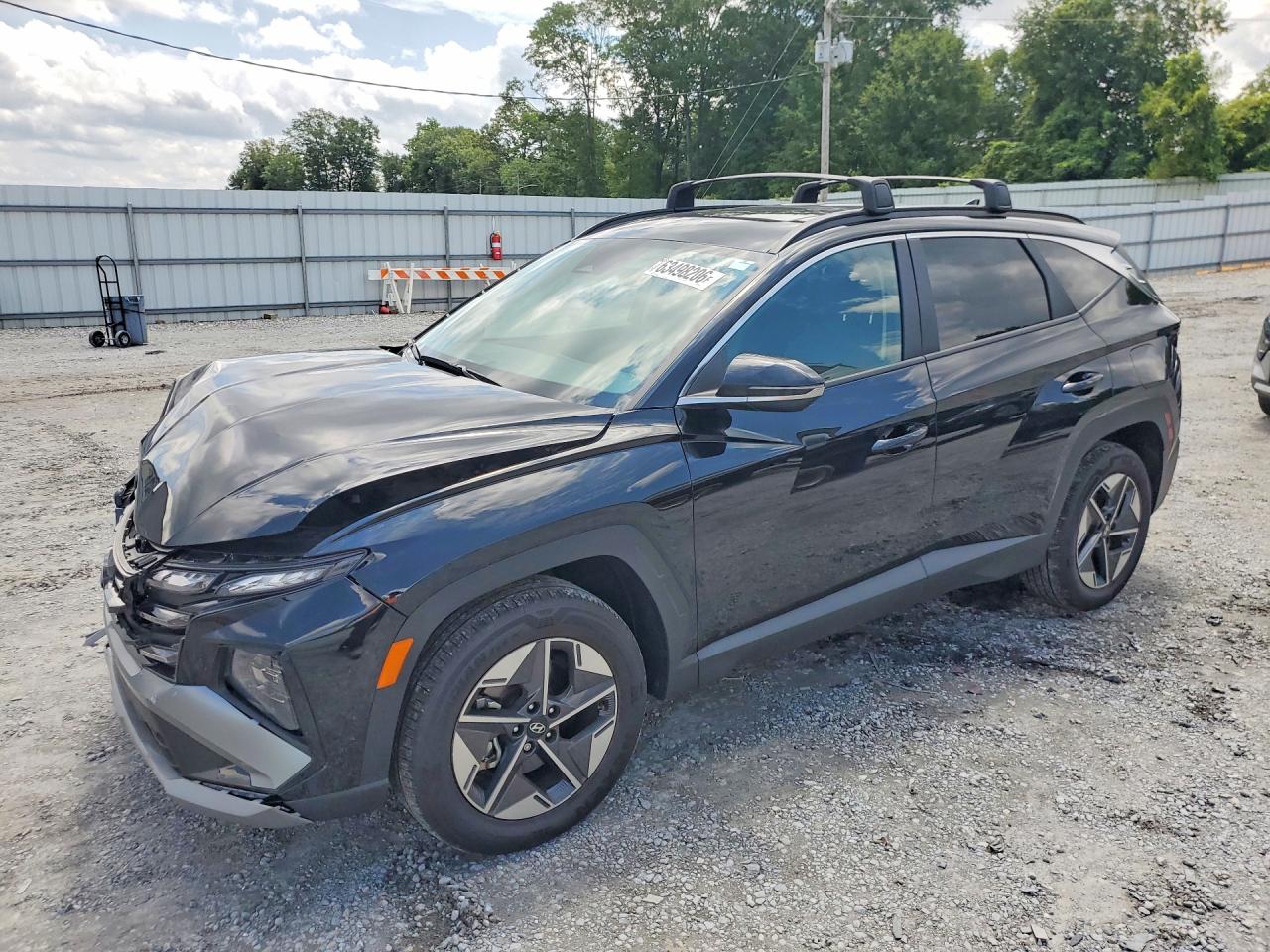 2025 HYUNDAI TUCSON SEL
3KMJCC•••••••0156
2.5 gasoline · Automatic
Check history
2025 HYUNDAI TUCSON SEL
3KMJCC•••••••0156
2.5 gasoline · Automatic
Check history
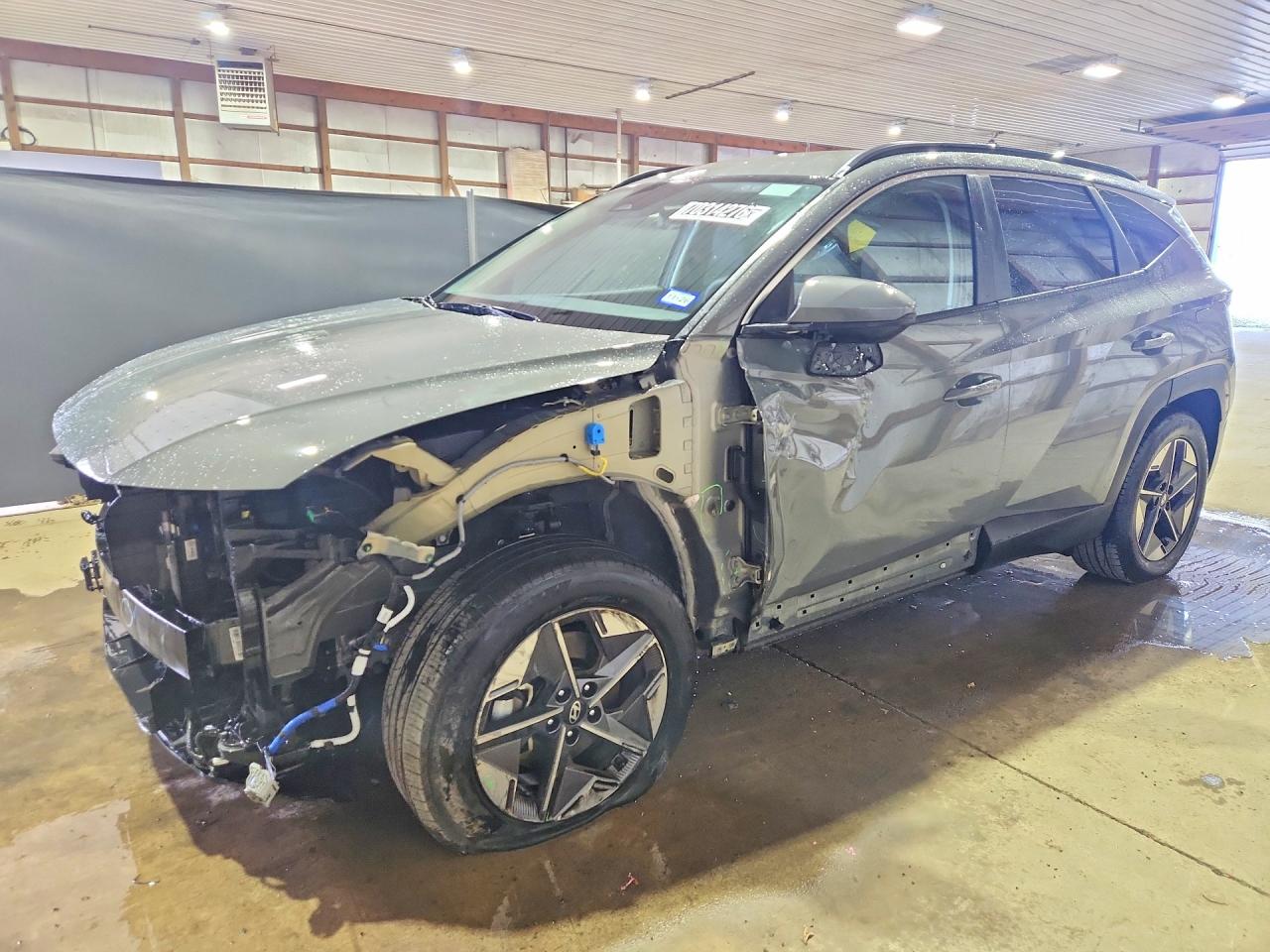 2026 HYUNDAI TUCSON SEL
5NMJBC•••••••8114
2.5 gasoline · Automatic
Check history
2026 HYUNDAI TUCSON SEL
5NMJBC•••••••8114
2.5 gasoline · Automatic
Check history