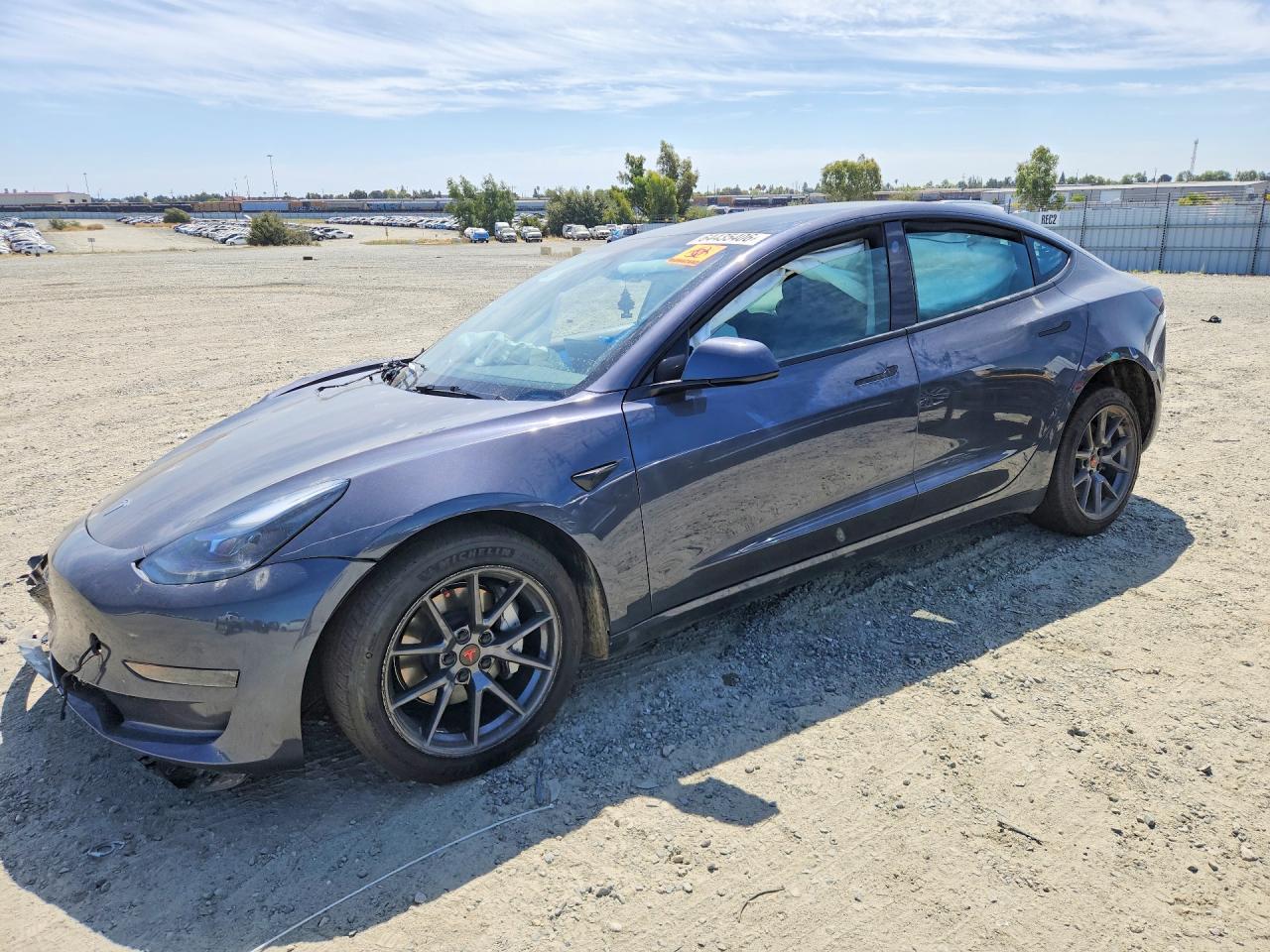
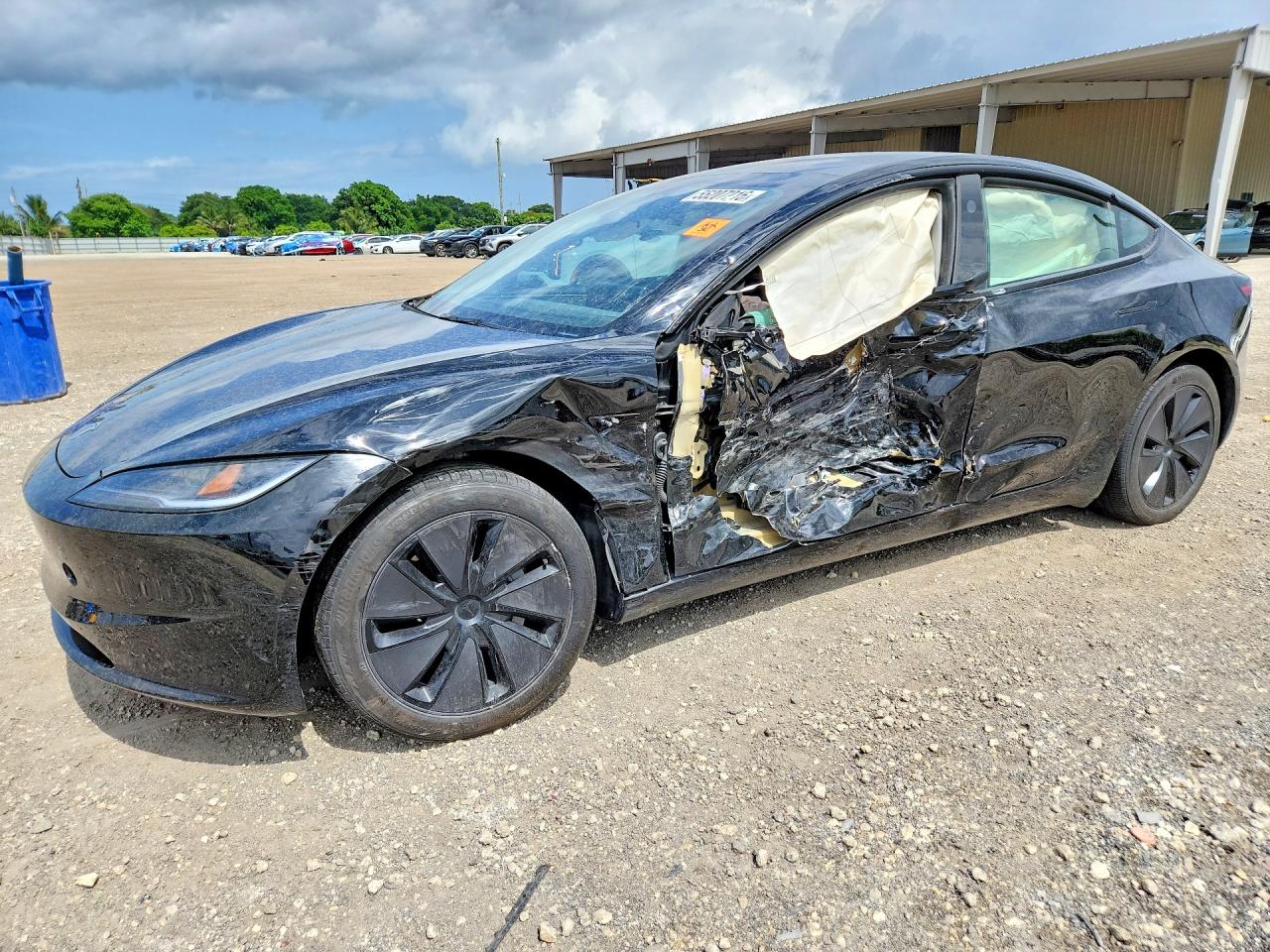
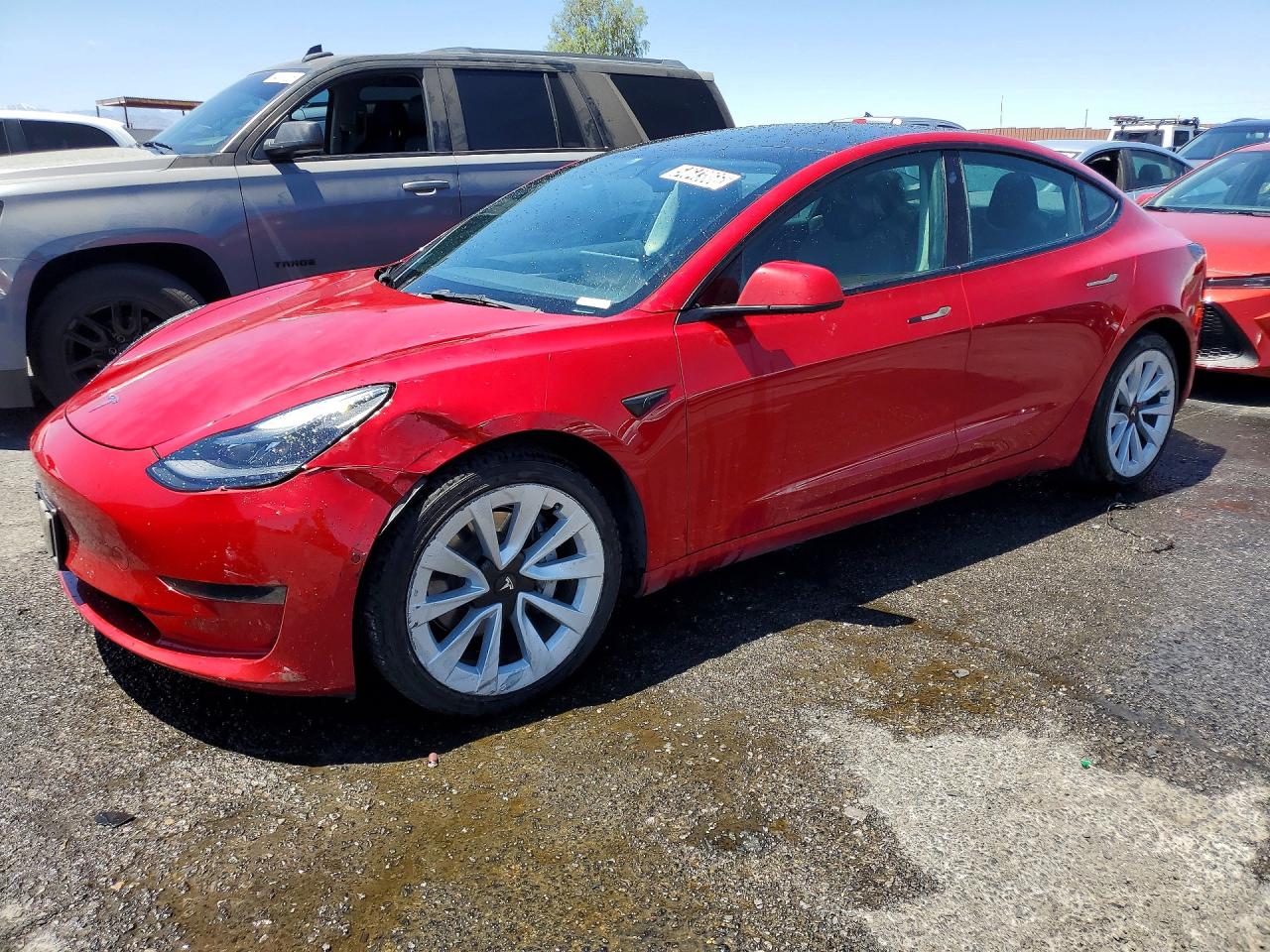
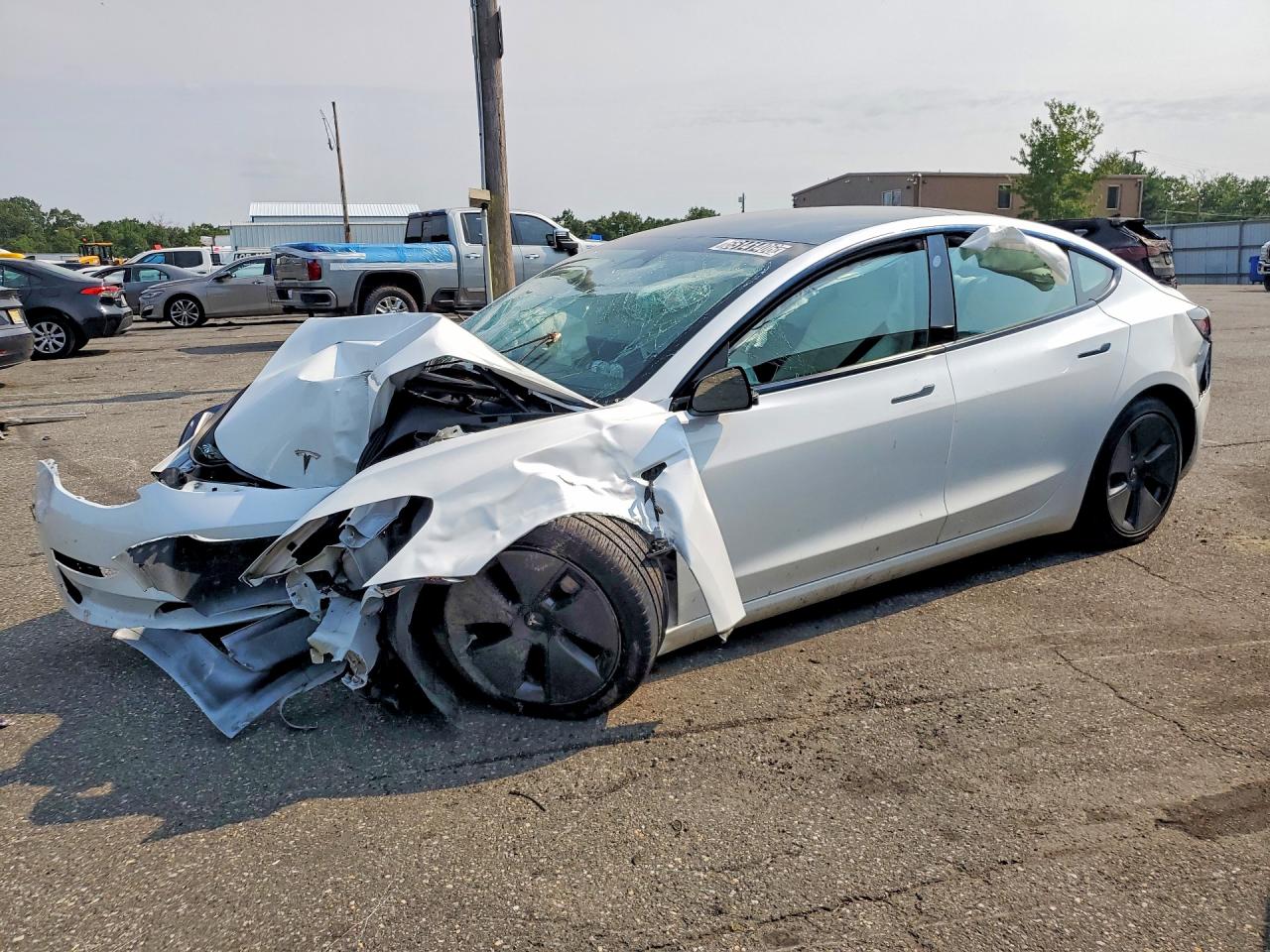
2022 TESLA MODEL 3 VIN 5YJ3E1EA1NF303822
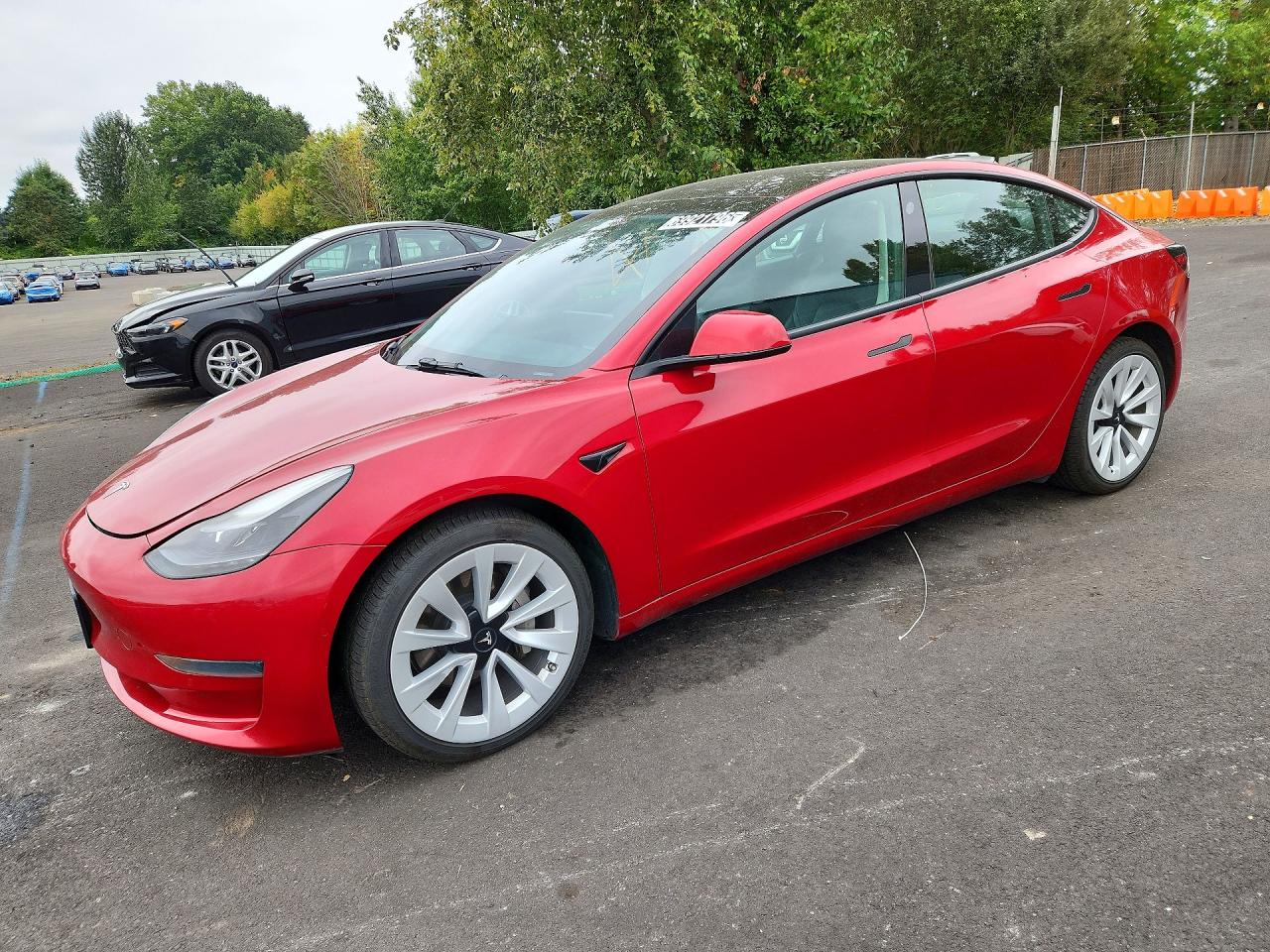
Damage map
If damage records exist for this VIN, the report shows the affected zonesTheft, liens and title
Checks that matter for registration and resaleRecorded condition
What the source noted about the car as it stands- Runs and drives
- Yes
- Engine starts
- Yes
- Keys available
- Yes
- Start code
- Run & Drive
History timeline
Data decoded from the VIN is shown. Records on file, if any, are in the full report.Mileage
Odometer reading as recorded at the sourceEarlier photos may be in the report
Check before you buy
Four things worth checking on any used carTESLA MODEL 3 specifications
- VIN
- 5YJ3E1EA1NF303822
- Make
- TESLA
- Model
- MODEL 3
- Year
- 2022
- Colour
- RED
- Fuel
- Electric
- Transmission
- Automatic
- Drive
- RWD
- Recorded odometer
- 158 852 mi
- Recorded damage
- Mechanical
What buyers ask about the TESLA MODEL 3
Was this 2022 TESLA MODEL 3 damaged before?
The damage in the specifications is what the source noted at the time. Earlier accidents and repairs on file for VIN 5YJ3E1EA1NF303822, if any, are in the full report.
Can I trust the odometer reading of 158 852 mi?
It is the figure as recorded, not verified. Compare it with the earlier readings in the full report: they can only go up, so a drop points to a wound-back odometer.
In which countries was this car registered?
Registrations abroad seldom reach local registers. If this car was registered in other countries, the full report names them.
Who sells the report, and what does it cost?
An independent partner, selected automatically for each VIN by our system from analytical data. The partner shows the price before you pay; we may earn a commission.
VIN 5YJ3E1EA1NF303822: history
This Tesla Model 3 is a 2022 model. In place of a gearbox there is a single-speed reduction gear, and the car has rear-wheel drive. Power comes from electricity alone.
The clock stood at 158,852 miles when the data was entered. High mileage alone does not rule a car out; what matters is whether regular servicing kept pace with it. Gaps of several years between logged figures deserve attention, as does any reading lower than the one before it. Figures carry most weight when they come from independent sources: workshops, inspection stations and past title paperwork.
In the source data, the main issue is mechanical damage. Whether the damage has been repaired since, and how well, is not something a damage entry can show. Some damage shows its consequences only later: corroded connectors and electrical faults can surface months afterwards.
The car is recorded as running and driving. A key was noted with the car. A condition note describes the car at one moment; months of standing or later work on the car can change the picture in either direction.
Title status in the record: clean. Such a title means no salvage, flood or similar mark was recorded against the car; it does not rule out damage repaired without a claim.
A car’s history answers three questions: who kept it, how it was looked after and what went wrong along the way. The paperwork is kept by different bodies – registries, workshops, insurance companies and lenders – so the history of one car is spread across many places. A clean, polished car can still hide a serious accident, a flood or years of hard use.
For an electric car, a battery health report says more than the odometer: two cars with the same mileage can have very different range left. On a damaged electric car, the battery pack and its mountings under the floor deserve a close look on a lift.
A vehicle identification number has 17 characters: the first three name the manufacturer, the next six describe the model and its specification, and the last eight identify the individual car. For this car, the VIN is 5YJ3E1EA1NF303822. A VIN that differs between the documents and the car, or shows signs of tampering, is reason enough to walk away.
A VIN report shows what has been logged: earlier registrations, odometer figures, damage entries, branded titles and theft checks, wherever such data exists. Paperwork is only as complete as the people who kept it, so a report with few entries lowers the risk without removing it. A professional inspection makes sense whatever the paperwork shows, because no report measures corrosion, worn bushes or a poor repair. Before going any further with this Tesla Model 3, it makes sense to look up VIN 5YJ3E1EA1NF303822.