2018 SUBARU FORESTER 2.5I TOURING VIN JF2SJAWC3JH590650

Damage map
If damage records exist for this VIN, the report shows the affected zonesTheft, liens and title
Checks that matter for registration and resaleRecorded condition
What the source noted about the car as it stands- Runs and drives
- Yes
- Engine starts
- Yes
- Keys available
- Yes
- Start code
- Run & Drive
History timeline
Data decoded from the VIN is shown. Records on file, if any, are in the full report.Mileage
Odometer reading as recorded at the sourceEarlier photos may be in the report
Check before you buy
Four things worth checking on any used carSUBARU FORESTER 2.5I TOURING specifications
- VIN
- JF2SJAWC3JH590650
- Make
- SUBARU
- Model
- FORESTER 2.5I TOURING
- Year
- 2018
- Colour
- BROWN
- Fuel
- Gasoline
- Engine
- 2.5 L
- Cylinders
- 4
- Power
- 170 hp
- Transmission
- CVT
- Drive
- AWD
- Recorded odometer
- 177 673 mi
- Recorded damage
- Rear
What buyers ask about the SUBARU FORESTER 2.5I TOURING
Was this 2018 SUBARU FORESTER 2.5I TOURING damaged before?
The damage in the specifications is what the source noted at the time. Earlier accidents and repairs on file for VIN JF2SJAWC3JH590650, if any, are in the full report.
Can I trust the odometer reading of 177 673 mi?
It is the figure as recorded, not verified. Compare it with the earlier readings in the full report: they can only go up, so a drop points to a wound-back odometer.
In which countries was this car registered?
Registrations abroad seldom reach local registers. If this car was registered in other countries, the full report names them.
Who sells the report, and what does it cost?
An independent partner, selected automatically for each VIN by our system from analytical data. The partner shows the price before you pay; we may earn a commission.
VIN JF2SJAWC3JH590650: history
The Subaru Forester 2.5I Touring described here left the factory in 2018. Under the bonnet is a 2.5-litre petrol engine producing 170 hp. Power reaches the wheels through a CVT gearbox. Every figure for this car is given as it appears in the source data.
The clock stood at 177,673 miles when the data was entered. Miles and kilometres are easy to confuse, and a distance in miles looks lower than the same distance in kilometres. A car that has covered this much distance for its age has worked hard, and a mechanic should judge the wear accordingly. Gaps of several years between logged figures deserve attention, as does any reading lower than the one before it. Figures carry most weight when they come from independent sources: workshops, inspection stations and past title paperwork.
When the car was recorded, it showed rear-end damage. The damage type is a short label: the extent of the damage and the quality of any repair still have to be judged on the car. A lift and a diagnostic check show what photos cannot: bent brackets behind a panel, chafed wiring or deployed airbags.
At the time of recording, the car ran and drove. A key was present.
According to the source data, the car has a salvage title. At some point in its life, the car was declared a total loss. If any work has been done on the car since, photos and invoices should show what was replaced.
A car’s history is the sum of what has happened to it since it was new, and most of it has left a trace on paper somewhere. A car’s paperwork is scattered: the registry knows about owners, the workshop about repairs and the insurance company about claims. A car’s past rarely shows on the paintwork: a well-repaired accident or water damage that was dried out is easy to miss.
For the engine, the service history matters most: oil changes, filters and the timing belt or chain are the entries to look for. A petrol engine in good order starts cleanly, idles evenly and pulls without hesitation. Automatic transmissions, CVTs included, are expensive to repair, so the test drive should include pulling away from a standstill and a stretch at motorway speed. On a car with all-wheel drive, a whine or clunk when turning tightly at low speed needs a mechanic’s attention.
Every modern car carries a 17-character VIN, its identity for life, and no two cars share one. The record gives the VIN as JF2SJAWC3JH590650. The VIN usually appears at the base of the windscreen, on a door pillar and stamped into the body, and all of them should match the documents.
Where entries exist, a VIN check can show changes of owner, past mileage readings, reported damage and whether the car is listed as stolen. No report is complete: a repair done privately and never claimed on insurance leaves nothing to find. The past is on file; the car’s condition today is a job for a mechanic, who can check the structure, underbody, electrics and any repairs on a lift. Before making a decision about this Subaru Forester 2.5I Touring, check the history behind VIN JF2SJAWC3JH590650.
Similar SUBARU FORESTER 2.5I TOURING cars
All SUBARU cars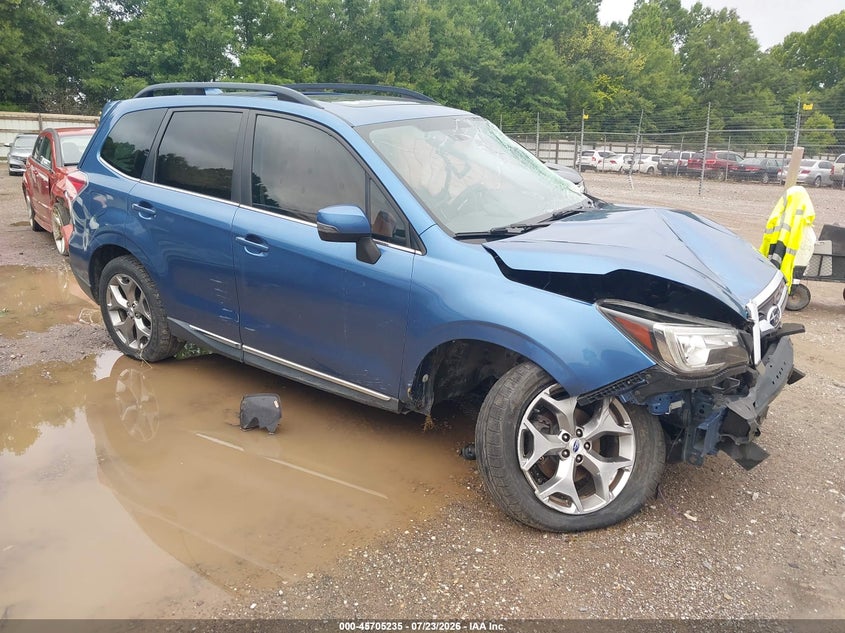 2017 SUBARU FORESTER 2.5I TOURING
JF2SJA•••••••6592
2.5 gasoline · CVT
Check history
2017 SUBARU FORESTER 2.5I TOURING
JF2SJA•••••••6592
2.5 gasoline · CVT
Check history
 2014 SUBARU FORESTER 2.5I TOURING
JF2SJA•••••••2629
2.5 gasoline · CVT
Check history
2014 SUBARU FORESTER 2.5I TOURING
JF2SJA•••••••2629
2.5 gasoline · CVT
Check history
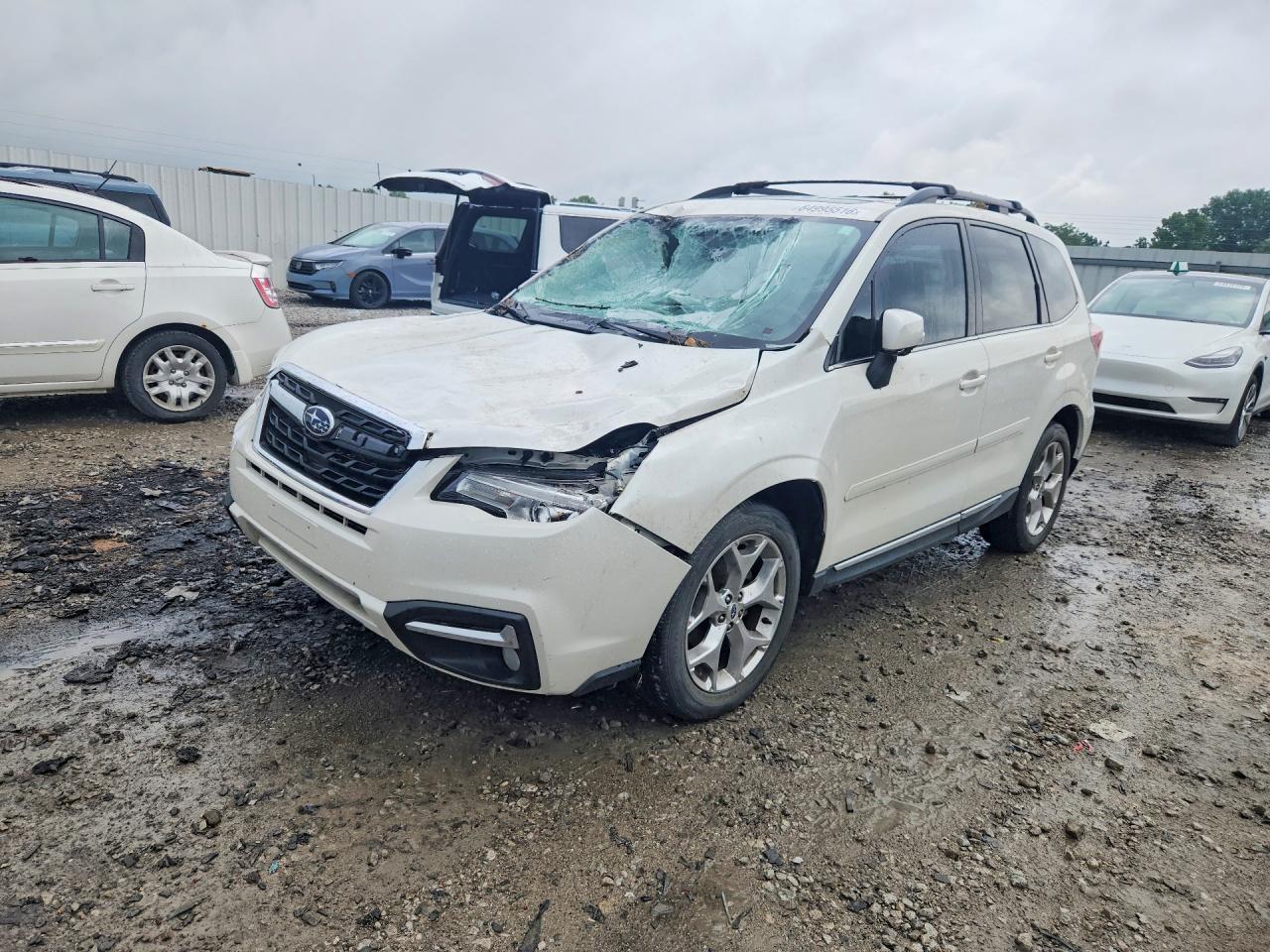 2018 SUBARU FORESTER 2.5I TOURING
JF2SJA•••••••8701
2.5 gasoline · CVT
Check history
2018 SUBARU FORESTER 2.5I TOURING
JF2SJA•••••••8701
2.5 gasoline · CVT
Check history
 2016 SUBARU FORESTER 2.5I TOURING
JF2SJA•••••••8084
2.5 gasoline · CVT
Check history
2016 SUBARU FORESTER 2.5I TOURING
JF2SJA•••••••8084
2.5 gasoline · CVT
Check history