2024 HYUNDAI TUCSON HYBRID LIMITED VIN KM8JECD17RU240061
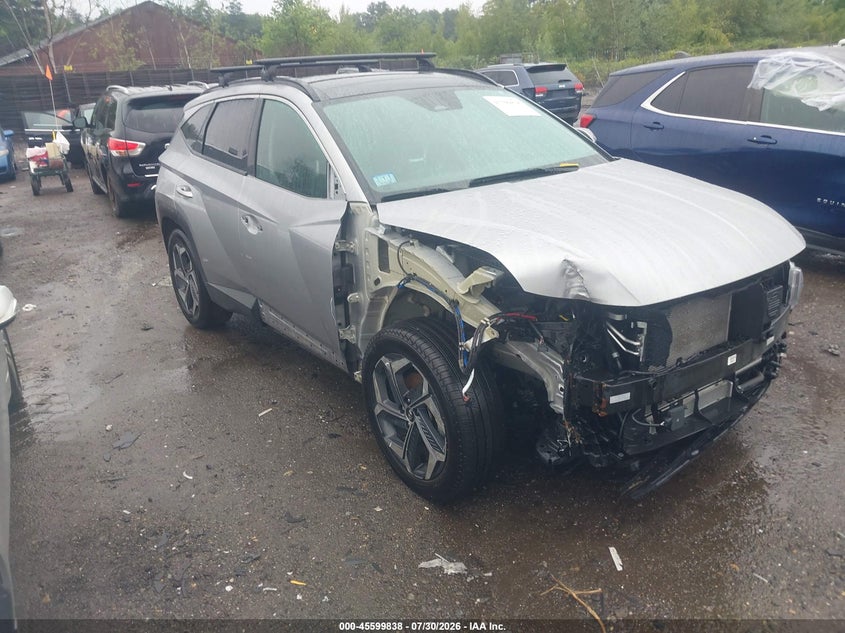
Damage map
If damage records exist for this VIN, the report shows the affected zonesTheft, liens and title
Checks that matter for registration and resaleRecorded condition
What the source noted about the car as it stands- Runs and drives
- Yes
- Engine starts
- Yes
- Keys available
- Yes
- Start code
- Run & Drive
History timeline
Data decoded from the VIN is shown. Records on file, if any, are in the full report.Mileage
Odometer reading as recorded at the sourceEarlier photos may be in the report
Check before you buy
Four things worth checking on any used carHYUNDAI TUCSON HYBRID LIMITED specifications
- VIN
- KM8JECD17RU240061
- Make
- HYUNDAI
- Model
- TUCSON HYBRID LIMITED
- Year
- 2024
- Colour
- GRAY
- Fuel
- Hybrid
- Engine
- 1.6 L
- Cylinders
- 4
- Power
- 177 hp
- Transmission
- Automatic
- Drive
- 4x4
- Recorded odometer
- 35 183 mi
- Recorded damage
- Front End
What buyers ask about the HYUNDAI TUCSON HYBRID LIMITED
Was this 2024 HYUNDAI TUCSON HYBRID LIMITED damaged before?
The damage in the specifications is what the source noted at the time. Earlier accidents and repairs on file for VIN KM8JECD17RU240061, if any, are in the full report.
Can I trust the odometer reading of 35 183 mi?
It is the figure as recorded, not verified. Compare it with the earlier readings in the full report: they can only go up, so a drop points to a wound-back odometer.
In which countries was this car registered?
Registrations abroad seldom reach local registers. If this car was registered in other countries, the full report names them.
Who sells the report, and what does it cost?
An independent partner, selected automatically for each VIN by our system from analytical data. The partner shows the price before you pay; we may earn a commission.
VIN KM8JECD17RU240061: history
The Hyundai Tucson Hybrid Limited described here left the factory in 2024. The gearbox is automatic, with four-wheel drive. A 1.6-litre engine works together with an electric motor. The specification is taken from the source data and has not been checked against other documents.
The clock stood at 35,183 miles when the data was entered. The instruments count in miles; the same distance in kilometres is about 1.6 times the figure. The mileage is high for the car’s age, so the suspension, brakes, seats and steering wheel deserve a close look. Turning back an odometer takes little skill and leaves no visible trace, which is why earlier figures matter more than the display. A service book or a folder of workshop invoices is the simplest place to find past readings.
When the car was recorded, it showed front-end damage. A damage type says what kind of damage the car had, not how serious it was or whether it has been repaired since. Some damage shows its consequences only later: corroded connectors and electrical faults can surface months afterwards.
A ‘runs and drives’ note means the car moved under its own power when it was checked. A key is on file for the car. A condition note describes the car at one moment; months of standing or later work on the car can change the picture in either direction.
The record shows a salvage title. At some point in its life, the car was declared a total loss. Once issued, a branded title stays with the VIN for good, and it affects registration and insurance for every later owner.
Every car builds up a history from the day it is first registered: owners come and go, inspections are passed or failed, and repairs are paid for. The paperwork is kept by different bodies – registries, workshops, insurance companies and lenders – so the history of one car is spread across many places. A car’s past rarely shows on the paintwork: a well-repaired accident or water damage that was dried out is easy to miss.
An engine that has had its oil changed on time is far less likely to cause trouble later, and workshop invoices are the proof. A hybrid’s traction battery loses capacity over the years, and a health check by a specialist is the reliable way to know its condition. Automatic transmissions, CVTs included, are expensive to repair, so the test drive should include pulling away from a standstill and a stretch at motorway speed. Drive to all four wheels means more to maintain: differentials and couplings have oil of their own, which some manufacturers want changed at set intervals.
The VIN is a 17-character code assigned at the factory: it identifies the manufacturer, the model and its variant, and ends with a serial number unique to the car. The VIN on file for this car is KM8JECD17RU240061. The number in the car’s documents should match the one stamped into the body and the one on the plate at the base of the windscreen.
A VIN report gathers what different sources know about a car, such as the number of owners, mileage readings, damage and any branded title. No report is complete: a repair done privately and never claimed on insurance leaves nothing to find. A VIN check and a physical inspection answer different questions: the first says what happened to the car, the second what condition it is in now. Before going any further with this Hyundai Tucson Hybrid Limited, it makes sense to look up VIN KM8JECD17RU240061.
Similar HYUNDAI TUCSON HYBRID LIMITED cars
All HYUNDAI cars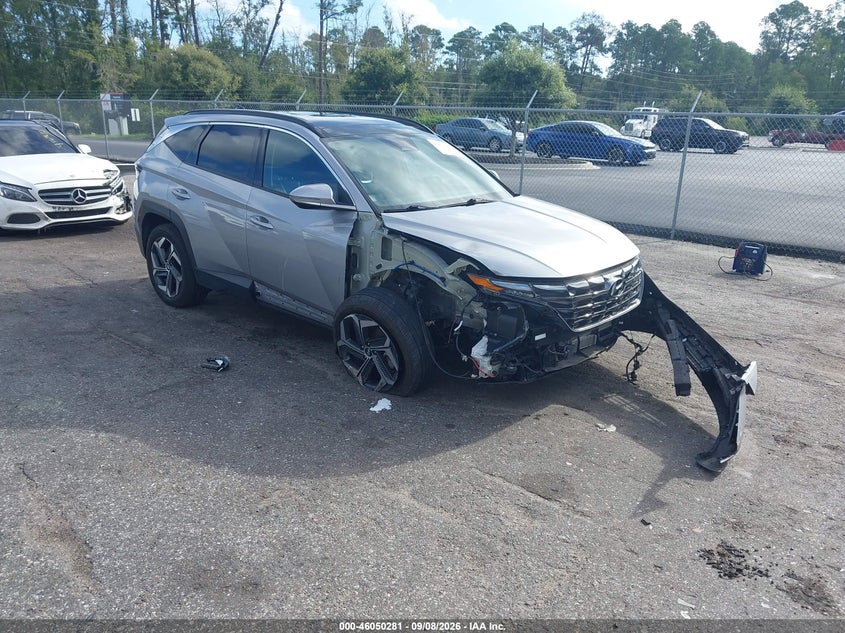 2022 HYUNDAI TUCSON HYBRID LIMITED
KM8JEC•••••••8094
1.6 hybrid · Automatic
Check history
2022 HYUNDAI TUCSON HYBRID LIMITED
KM8JEC•••••••8094
1.6 hybrid · Automatic
Check history
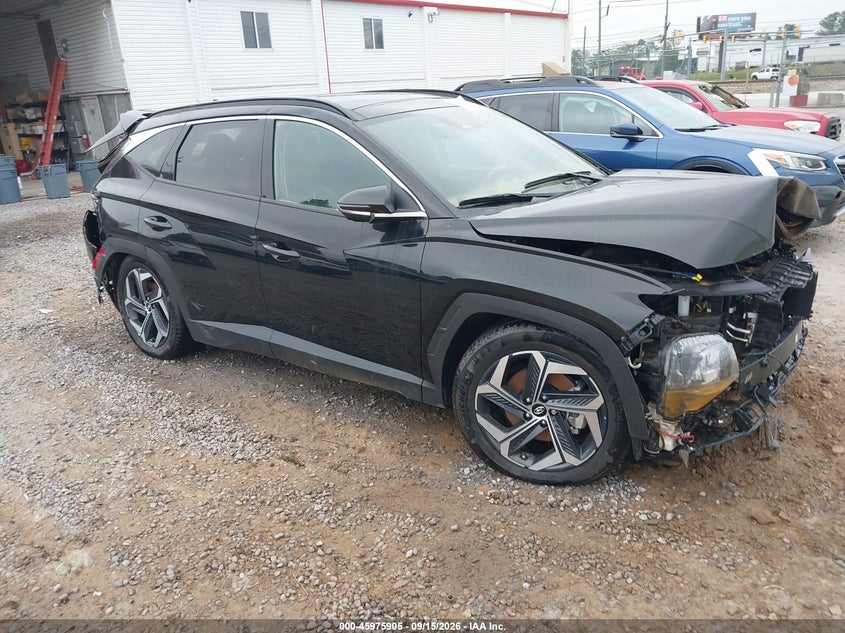 2024 HYUNDAI TUCSON HYBRID LIMITED
KM8JEC•••••••4356
1.6 hybrid · Automatic
Check history
2024 HYUNDAI TUCSON HYBRID LIMITED
KM8JEC•••••••4356
1.6 hybrid · Automatic
Check history
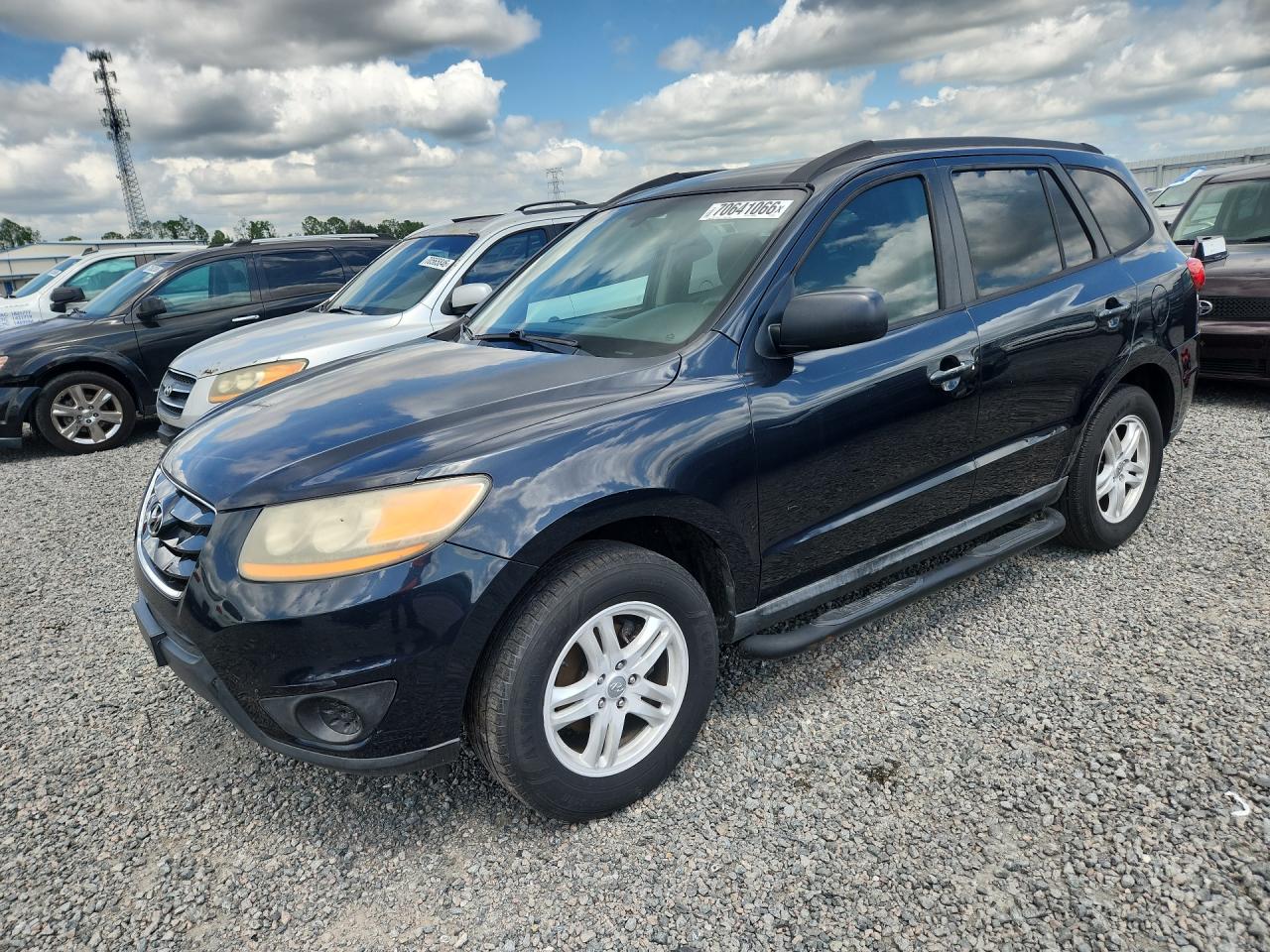 2011 HYUNDAI SANTA FE GLS
5XYZG3•••••••4031
2.4 gasoline · Automatic
Check history
2011 HYUNDAI SANTA FE GLS
5XYZG3•••••••4031
2.4 gasoline · Automatic
Check history
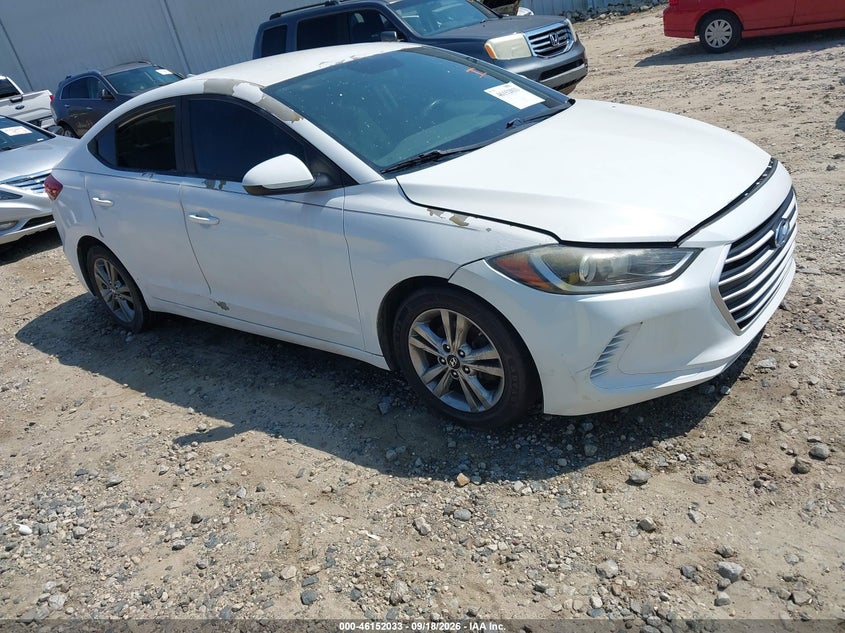 2017 HYUNDAI ELANTRA SE
5NPD74•••••••5324
2.0 gasoline · Automatic
Check history
2017 HYUNDAI ELANTRA SE
5NPD74•••••••5324
2.0 gasoline · Automatic
Check history