2023 HYUNDAI PALISADE CALLIGRAPHY VIN KM8R7DGE7PU541931
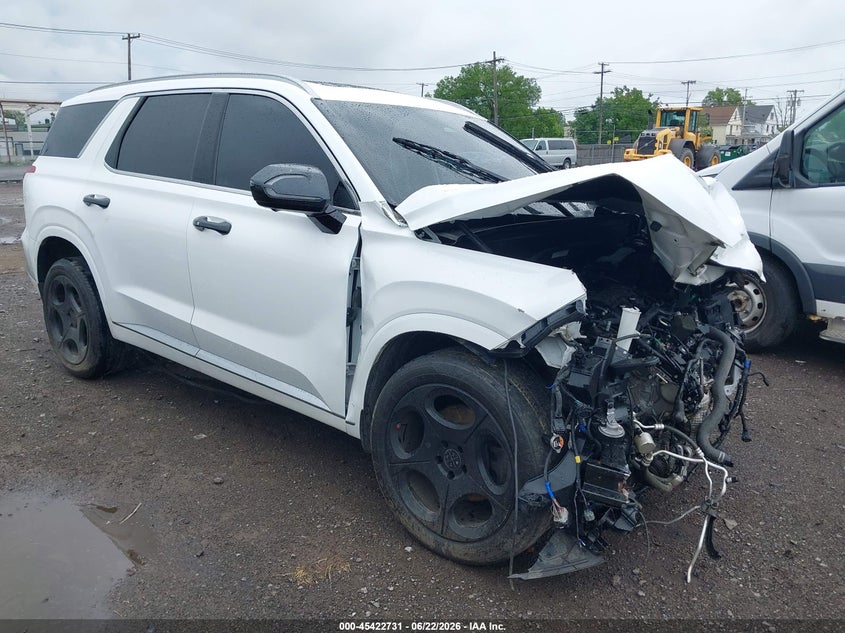
Damage map
If damage records exist for this VIN, the report shows the affected zonesTheft, liens and title
Checks that matter for registration and resaleRecorded condition
What the source noted about the car as it stands- Runs and drives
- No
- Engine starts
- No
- Keys available
- Yes
- Start code
- Stationary
History timeline
Data decoded from the VIN is shown. Records on file, if any, are in the full report.Mileage
Odometer reading as recorded at the sourceEarlier photos may be in the report
Check before you buy
Four things worth checking on any used carHYUNDAI PALISADE CALLIGRAPHY specifications
- VIN
- KM8R7DGE7PU541931
- Make
- HYUNDAI
- Model
- PALISADE CALLIGRAPHY
- Year
- 2023
- Colour
- WHITE
- Fuel
- Gasoline
- Engine
- 3.8 L
- Cylinders
- 6
- Power
- 291 hp
- Transmission
- Automatic
- Drive
- 4x4
- Recorded odometer
- 74 594 mi
- Recorded damage
- Front End
What buyers ask about the HYUNDAI PALISADE CALLIGRAPHY
Was this 2023 HYUNDAI PALISADE CALLIGRAPHY damaged before?
The damage in the specifications is what the source noted at the time. Earlier accidents and repairs on file for VIN KM8R7DGE7PU541931, if any, are in the full report.
Can I trust the odometer reading of 74 594 mi?
It is the figure as recorded, not verified. Compare it with the earlier readings in the full report: they can only go up, so a drop points to a wound-back odometer.
In which countries was this car registered?
Registrations abroad seldom reach local registers. If this car was registered in other countries, the full report names them.
Who sells the report, and what does it cost?
An independent partner, selected automatically for each VIN by our system from analytical data. The partner shows the price before you pay; we may earn a commission.
VIN KM8R7DGE7PU541931: history
The Hyundai Palisade Calligraphy described here left the factory in 2023. Power comes from a 3.8-litre petrol engine with six cylinders, rated at 291 hp. Power reaches the wheels through an automatic gearbox.
The recorded mileage is 74,594 miles. Miles and kilometres are easy to confuse, and a distance in miles looks lower than the same distance in kilometres. Averaged over the car’s age, the mileage works out well above the usual annual distance, and wear on the suspension, brakes and interior should be judged with that in mind. A later figure lower than an earlier one points to a replaced instrument cluster or an odometer that has been wound back. Title paperwork often notes the mileage at each change of owner, which makes it a useful cross-check.
When the car was recorded, it showed front-end damage. Whether the damage has been repaired since, and how well, is not something a damage entry can show. Some damage shows its consequences only later: corroded connectors and electrical faults can surface months afterwards.
When it was checked, the car could not be driven. The engine would not start, which can mean anything from a flat battery to serious mechanical damage. A key was noted with the car. A condition note describes the car at one moment; months of standing or later work on the car can change the picture in either direction.
According to the source data, the car has a salvage title. A title like this is issued when repair was judged uneconomical or unsafe. A branded title follows the car through every change of owner, so it remains part of its history.
Registrations, changes of owner, inspection results and accident claims together make up what is called a car’s history. Pieces of a car’s history sit with registries, dealers, workshops and insurance companies, and none of them sees the whole picture. What a car has been through is seldom visible at first glance, and a respray can make even a badly damaged car look sound.
When a car does not run, a compression test and the condition of the oil tell a mechanic whether the engine can be brought back to life. On a petrol engine, spark plugs, ignition coils and the cooling system are the routine items a service history should cover. While the car does not run, stored fault codes and a look at the fluid are the only early evidence of how the automatic gearbox has fared. Drive to all four wheels means more to maintain: differentials and couplings have oil of their own, which some manufacturers want changed at set intervals.
The VIN is a 17-character code assigned at the factory: it identifies the manufacturer, the model and its variant, and ends with a serial number unique to the car. The VIN on file for this car is KM8R7DGE7PU541931.
Depending on what is on file, a VIN report may include past registrations, mileage readings, damage entries, branded titles and theft checks. The absence of an entry is not proof that nothing happened; it may only mean that nobody wrote it down. The past is on file; the car’s condition today is a job for a mechanic, who can check the structure, underbody, electrics and any repairs on a lift. Before any decision, check what is known about VIN KM8R7DGE7PU541931.
Similar HYUNDAI PALISADE CALLIGRAPHY cars
All HYUNDAI cars 2016 HYUNDAI SANTA FE SPORT 2.4L
5XYZU3•••••••7587
2.4 gasoline · Automatic
Check history
2016 HYUNDAI SANTA FE SPORT 2.4L
5XYZU3•••••••7587
2.4 gasoline · Automatic
Check history
 2018 HYUNDAI ELANTRA SEL
5NPD84•••••••0156
2.0 gasoline · Automatic
Check history
2018 HYUNDAI ELANTRA SEL
5NPD84•••••••0156
2.0 gasoline · Automatic
Check history
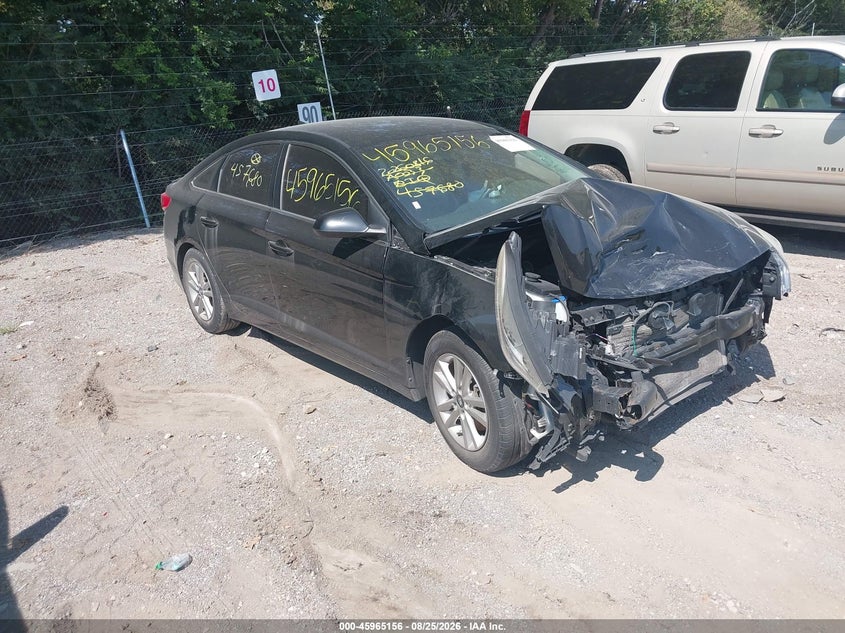 2017 HYUNDAI SONATA SE
5NPE24•••••••7680
2.4 gasoline · Automatic
Check history
2017 HYUNDAI SONATA SE
5NPE24•••••••7680
2.4 gasoline · Automatic
Check history
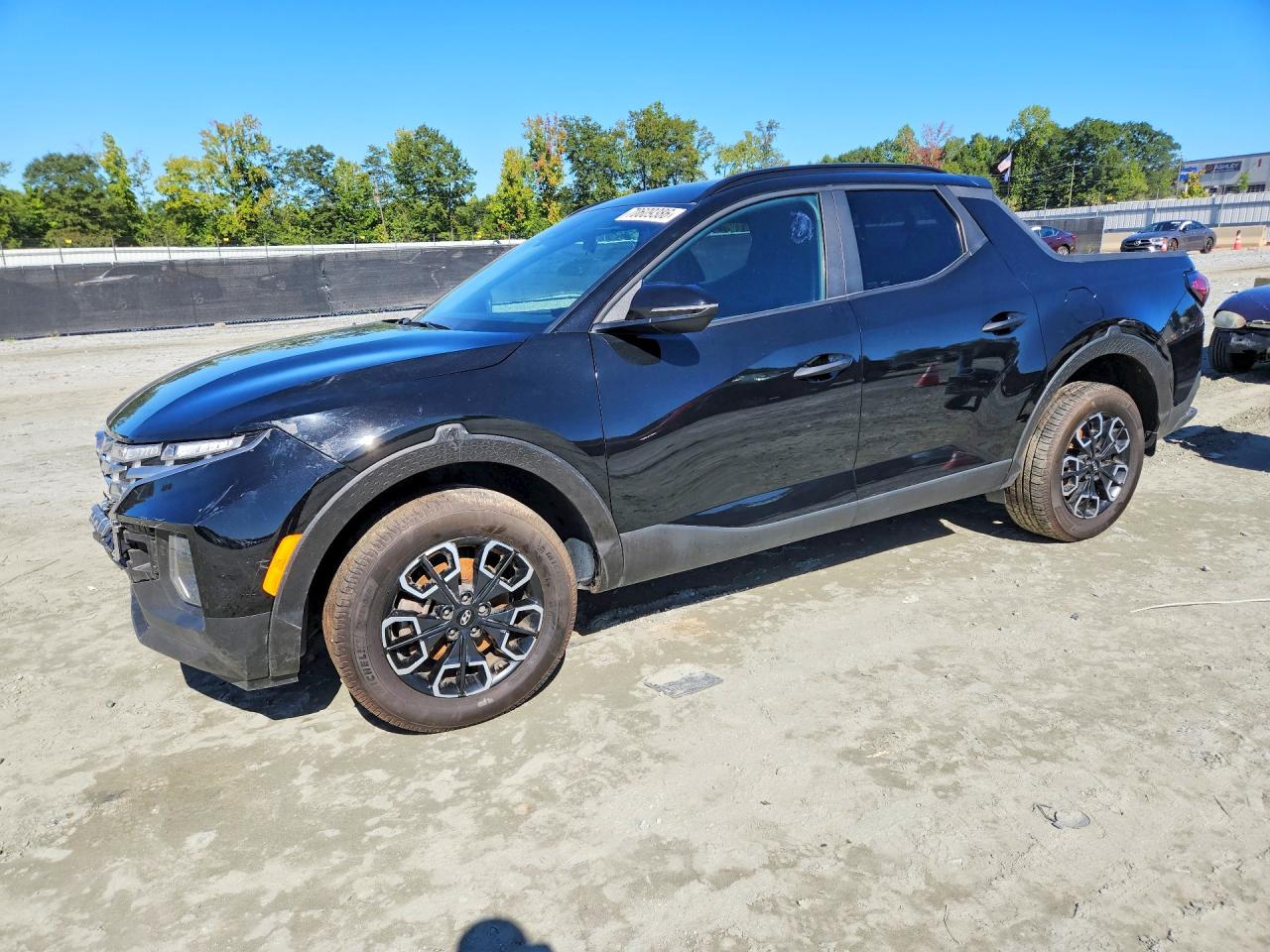 2024 HYUNDAI SANTA CRUZ SEL
5NTJCD•••••••7041
2.5 gasoline · Automatic
Check history
2024 HYUNDAI SANTA CRUZ SEL
5NTJCD•••••••7041
2.5 gasoline · Automatic
Check history