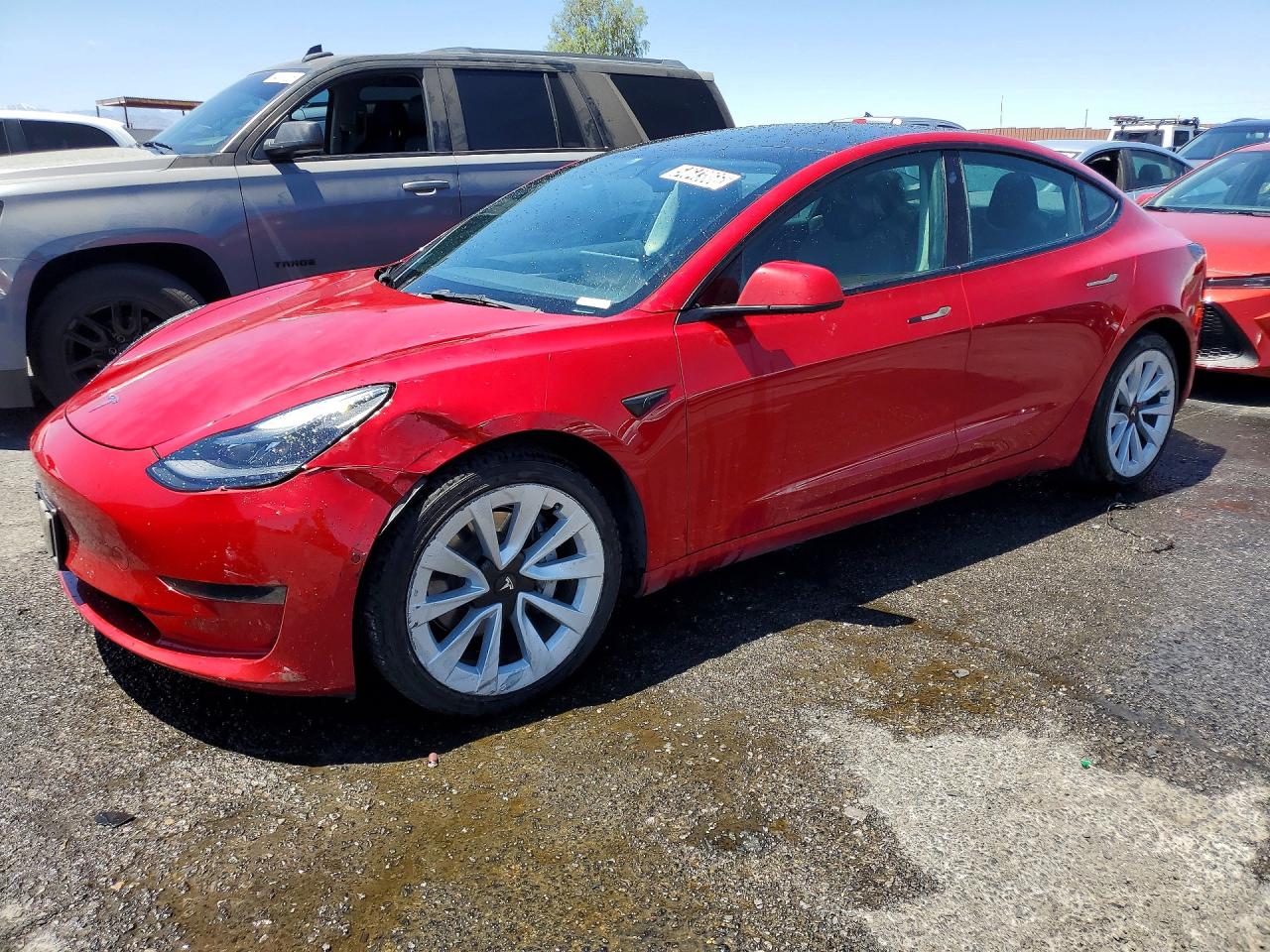
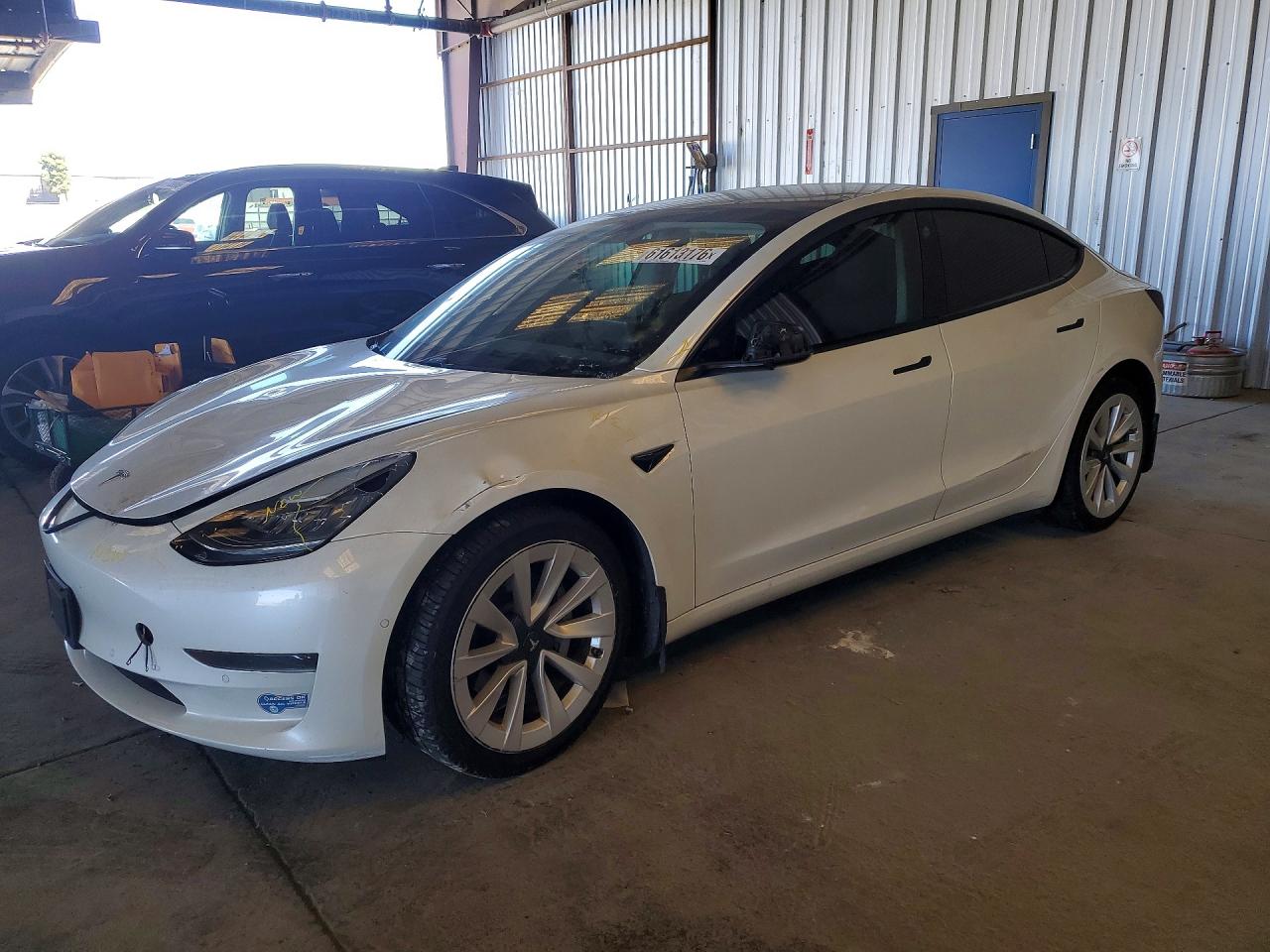
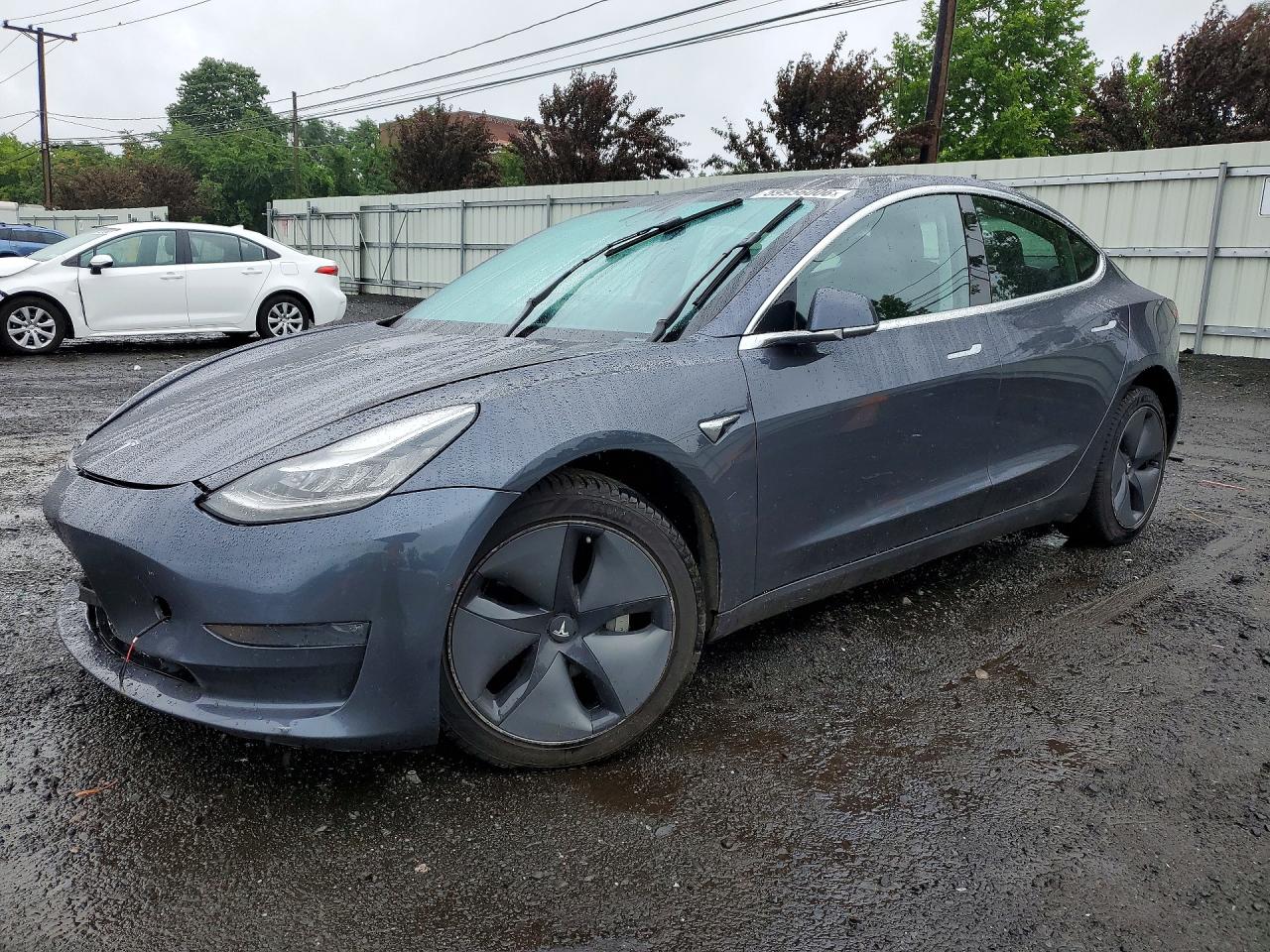
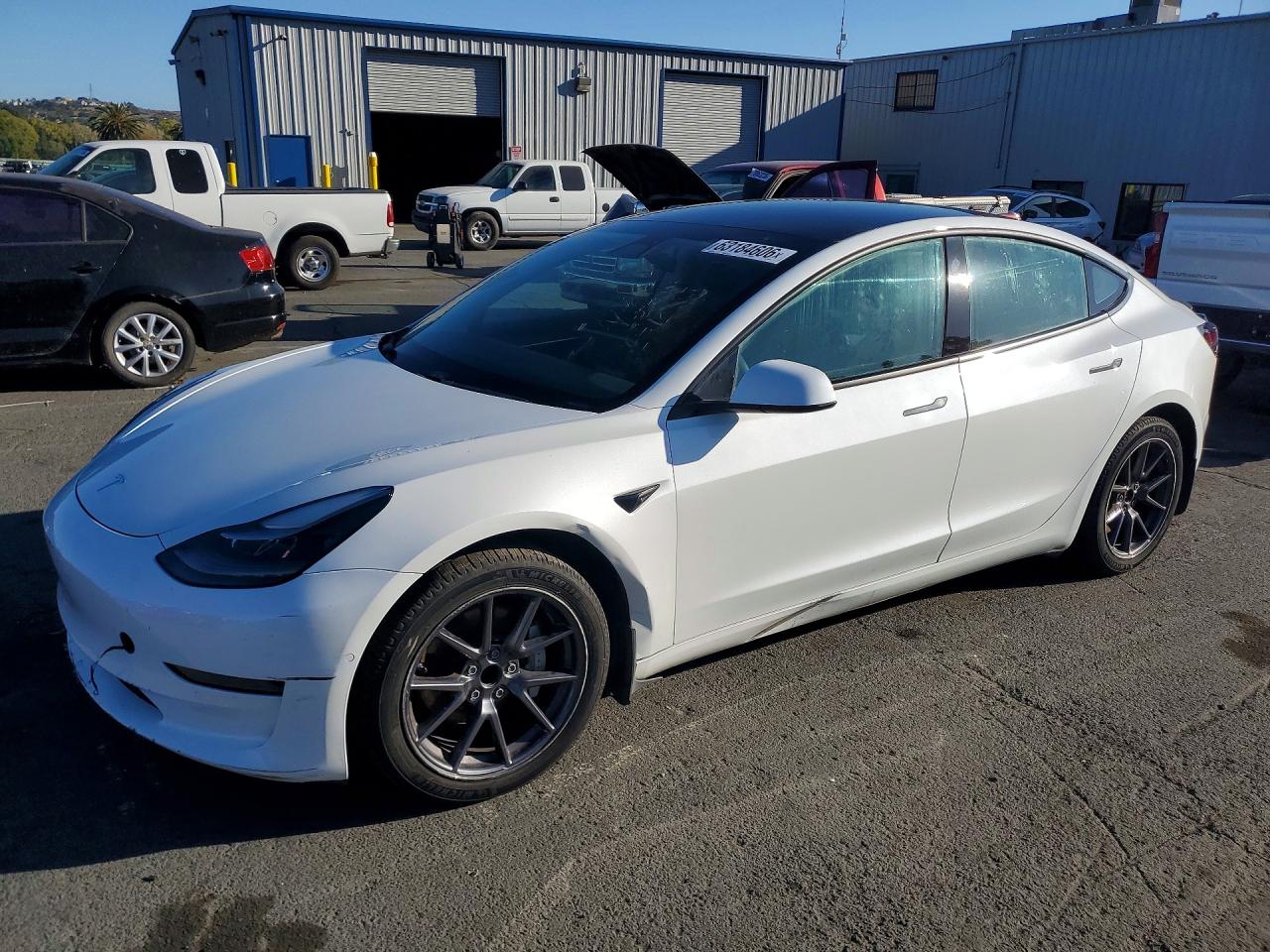
2023 TESLA MODEL 3 VIN 5YJ3E1EA1PF699950
Damage map
If damage records exist for this VIN, the report shows the affected zonesTheft, liens and title
Checks that matter for registration and resaleRecorded condition
What the source noted about the car as it stands- Keys available
- Yes
- Start code
- Enhanced
History timeline
Data decoded from the VIN is shown. Records on file, if any, are in the full report.Mileage
Odometer reading as recorded at the sourceEarlier photos may be in the report
Check before you buy
Four things worth checking on any used carTESLA MODEL 3 specifications
- VIN
- 5YJ3E1EA1PF699950
- Make
- TESLA
- Model
- MODEL 3
- Year
- 2023
- Colour
- GRAY
- Fuel
- Electric
- Transmission
- Automatic
- Drive
- RWD
- Recorded odometer
- 39 975 mi
- Recorded damage
- Rear End
What buyers ask about the TESLA MODEL 3
Was this 2023 TESLA MODEL 3 damaged before?
The damage in the specifications is what the source noted at the time. Earlier accidents and repairs on file for VIN 5YJ3E1EA1PF699950, if any, are in the full report.
Can I trust the odometer reading of 39 975 mi?
It is the figure as recorded, not verified. Compare it with the earlier readings in the full report: they can only go up, so a drop points to a wound-back odometer.
In which countries was this car registered?
Registrations abroad seldom reach local registers. If this car was registered in other countries, the full report names them.
Who sells the report, and what does it cost?
An independent partner, selected automatically for each VIN by our system from analytical data. The partner shows the price before you pay; we may earn a commission.
VIN 5YJ3E1EA1PF699950: history
This Tesla Model 3 is a 2023 model. The drivetrain is fully electric. In place of a gearbox there is a single-speed reduction gear, and the car has rear-wheel drive.
The recorded mileage is 39,975 miles. Miles and kilometres are easy to confuse, and a distance in miles looks lower than the same distance in kilometres. A later figure lower than an earlier one points to a replaced instrument cluster or an odometer that has been wound back. Title paperwork often notes the mileage at each change of owner, which makes it a useful cross-check.
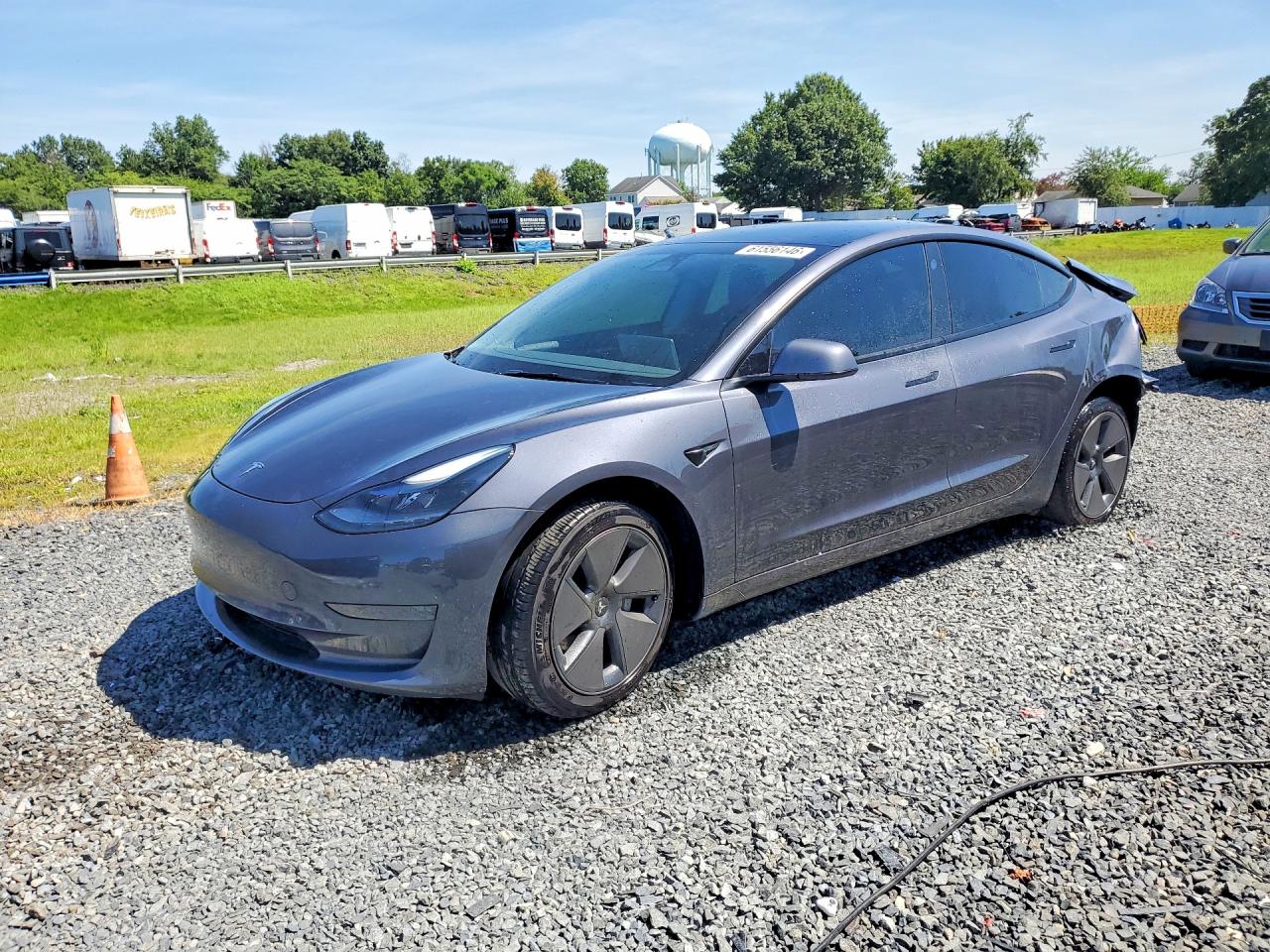
When the car was recorded, it showed rear-end damage. A damage type says what kind of damage the car had, not how serious it was or whether it has been repaired since.
A key was noted with the car. Months of standing can leave a car with seized brakes and perished tyres.
The car carries a salvage title. At some point in its life, the car was declared a total loss. If any work has been done on the car since, photos and invoices should show what was replaced.
A car’s history answers three questions: who kept it, how it was looked after and what went wrong along the way. No single office holds the whole story of a car: registries, workshops, insurance companies and lenders each keep their own part. A clean, polished car can still hide a serious accident, a flood or years of hard use.
The battery is the most expensive part of an electric car, so the share of its original capacity still available should be measured. On a damaged electric car, the battery pack and its mountings under the floor deserve a close look on a lift.
A VIN never contains the letters I, O or Q, which could be mistaken for digits; its 17 characters identify the maker, the model and the individual car. This car’s identification number is 5YJ3E1EA1PF699950. A VIN that differs between the documents and the car, or shows signs of tampering, is reason enough to walk away.
A VIN report gathers what different sources know about a car, such as the number of owners, mileage readings, damage and any branded title. The past is on file; the car’s condition today is a job for a mechanic, who can check the structure, underbody, electrics and any repairs on a lift. A history check on VIN 5YJ3E1EA1PF699950 is the place to start.