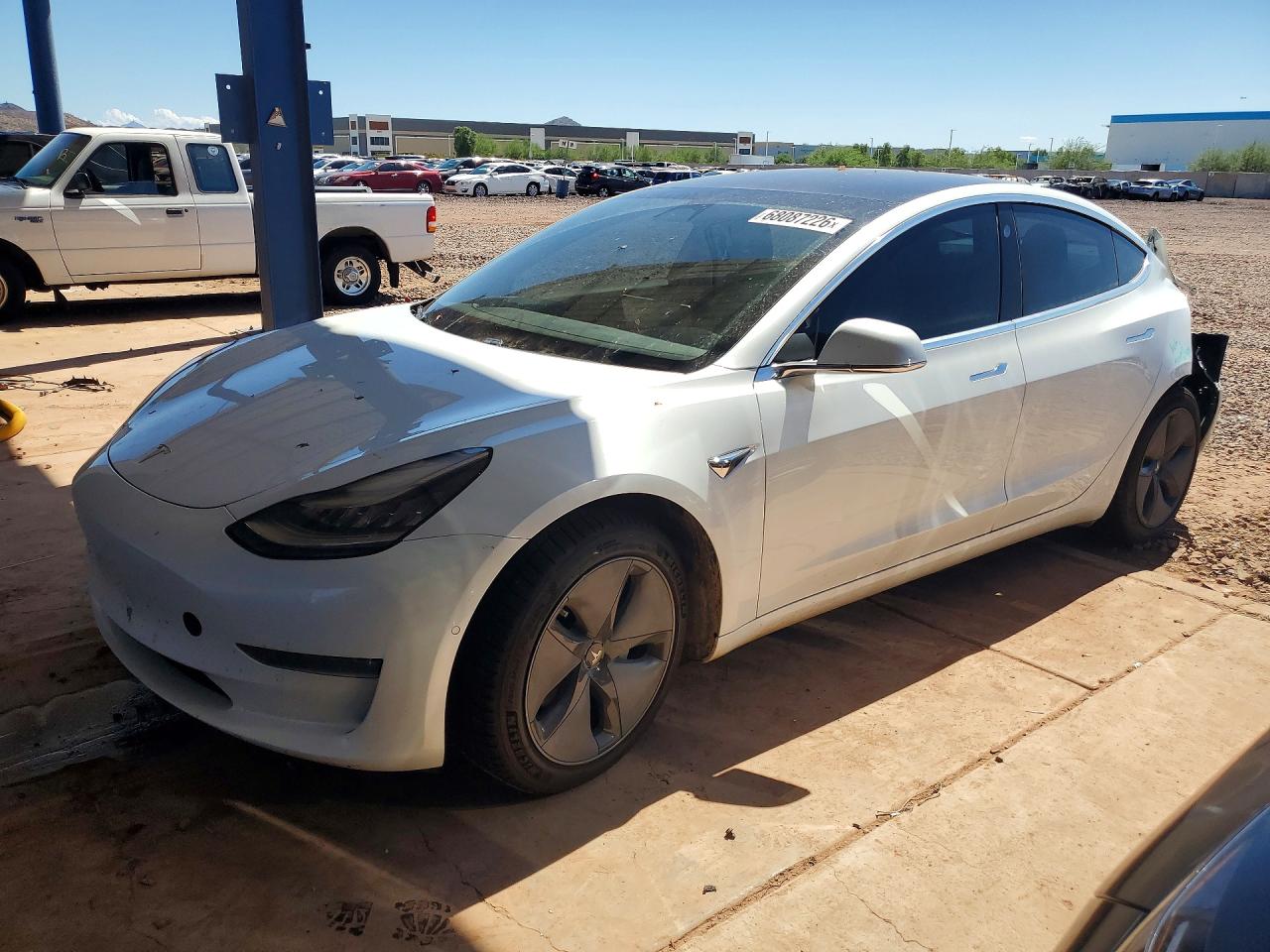
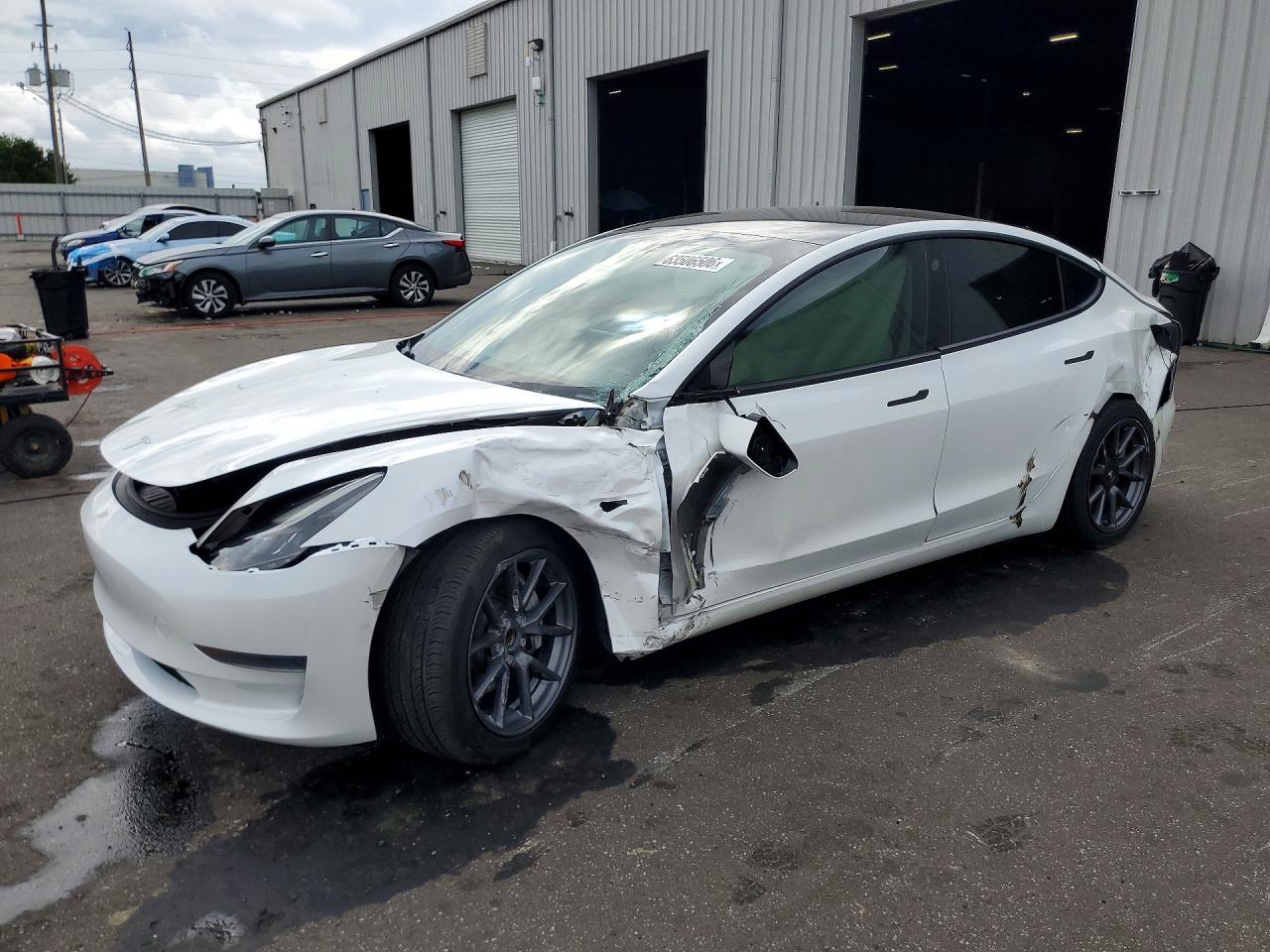
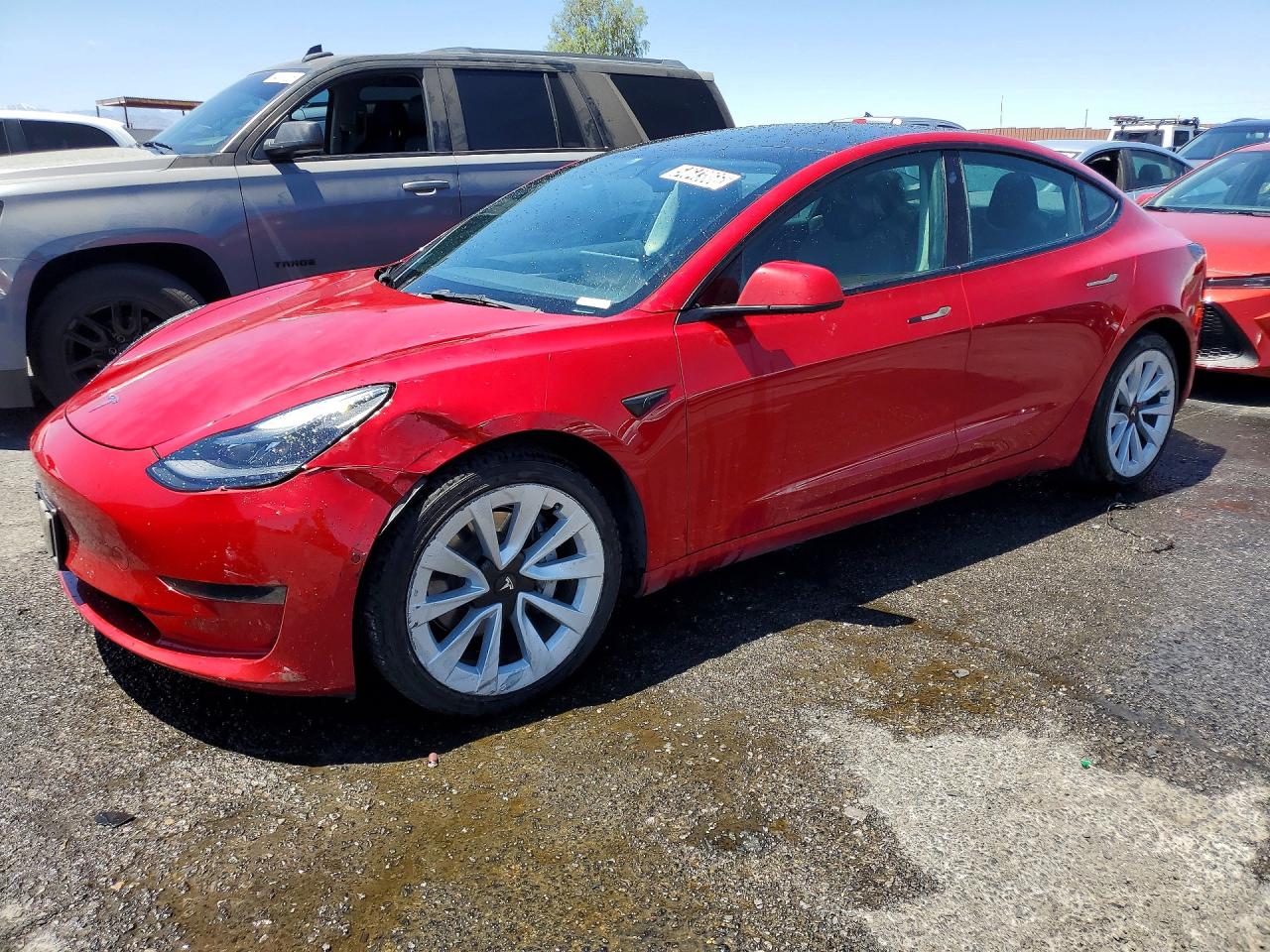
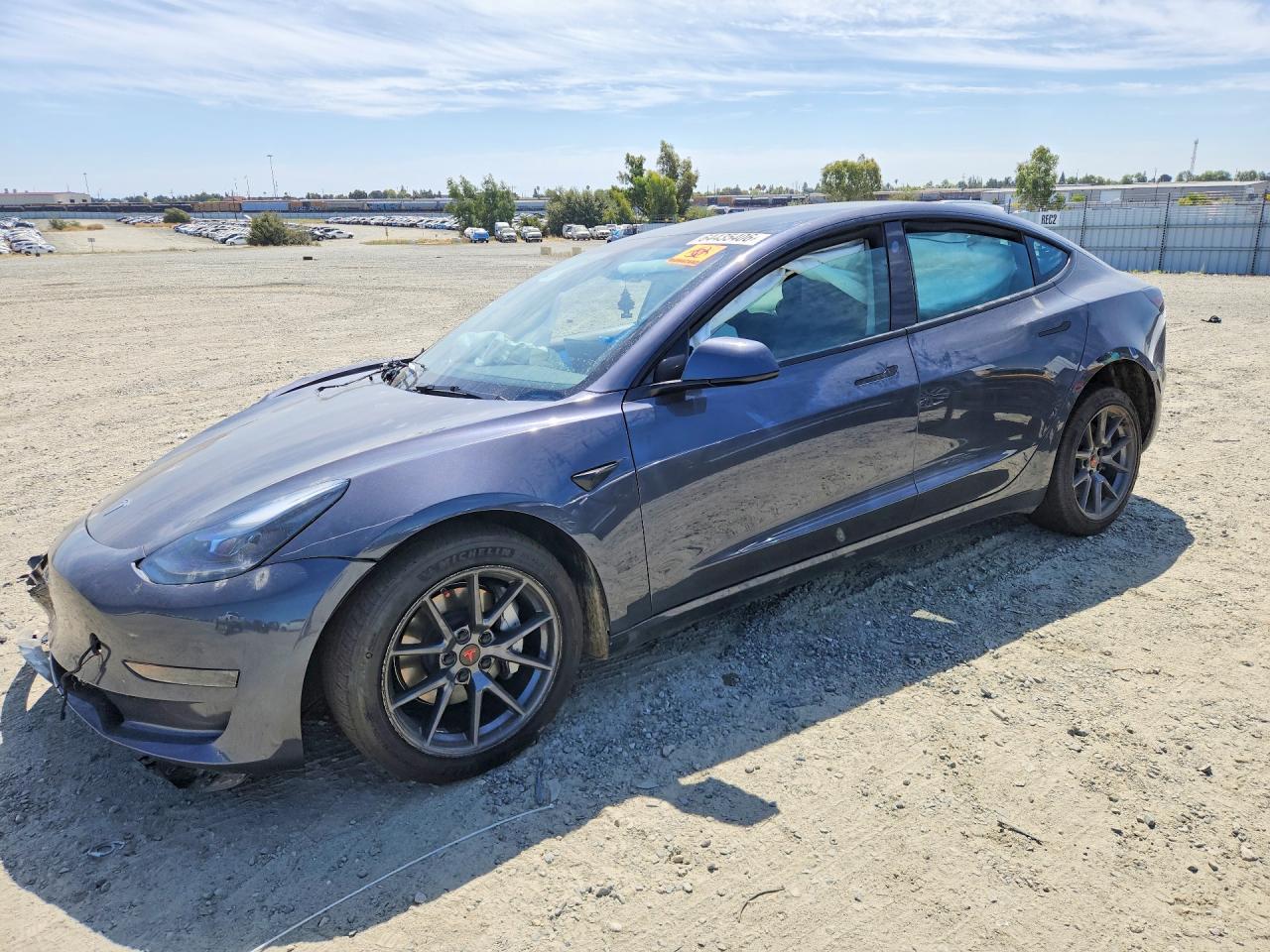
2019 TESLA MODEL 3 VIN 5YJ3E1EB2KF510613
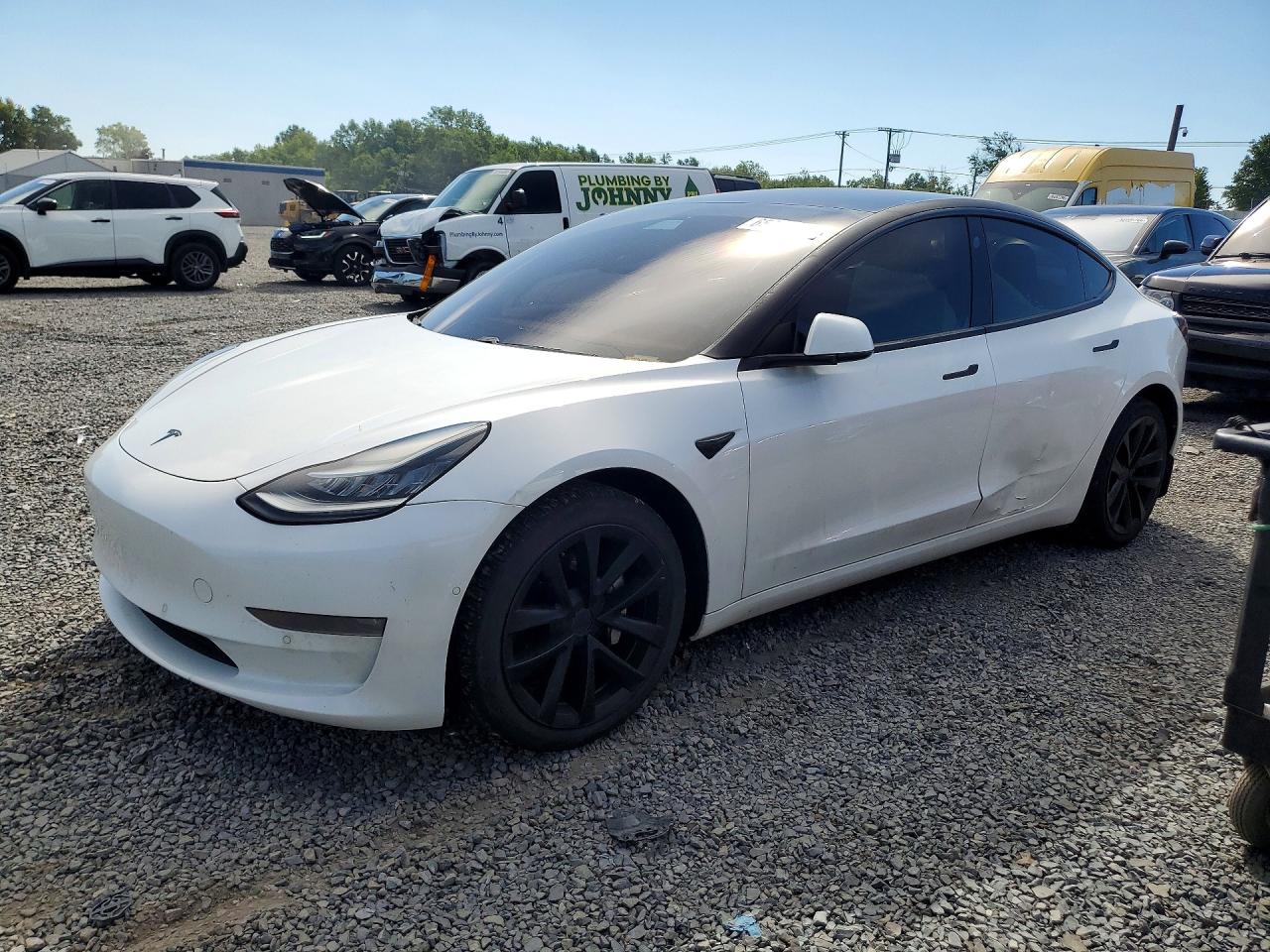
Damage map
If damage records exist for this VIN, the report shows the affected zonesTheft, liens and title
Checks that matter for registration and resaleRecorded condition
What the source noted about the car as it stands- Runs and drives
- Yes
- Engine starts
- Yes
- Keys available
- Yes
- Start code
- Run & Drive
History timeline
Data decoded from the VIN is shown. Records on file, if any, are in the full report.Mileage
Odometer reading as recorded at the sourceEarlier photos may be in the report
Check before you buy
Four things worth checking on any used carTESLA MODEL 3 specifications
- VIN
- 5YJ3E1EB2KF510613
- Make
- TESLA
- Model
- MODEL 3
- Year
- 2019
- Colour
- WHITE
- Fuel
- Electric
- Transmission
- Automatic
- Drive
- AWD
- Recorded odometer
- 131 477 mi
- Recorded damage
- Water/Flood
What buyers ask about the TESLA MODEL 3
Was this 2019 TESLA MODEL 3 damaged before?
The damage in the specifications is what the source noted at the time. Earlier accidents and repairs on file for VIN 5YJ3E1EB2KF510613, if any, are in the full report.
Can I trust the odometer reading of 131 477 mi?
It is the figure as recorded, not verified. Compare it with the earlier readings in the full report: they can only go up, so a drop points to a wound-back odometer.
In which countries was this car registered?
Registrations abroad seldom reach local registers. If this car was registered in other countries, the full report names them.
Who sells the report, and what does it cost?
An independent partner, selected automatically for each VIN by our system from analytical data. The partner shows the price before you pay; we may earn a commission.
VIN 5YJ3E1EB2KF510613: history
This Tesla Model 3 is a 2019 model. The car has all-wheel drive. Power comes from electricity alone.
The record gives the mileage as 131,477 miles. Because the clock counts miles, any figure noted in kilometres has to be converted before the two can be compared. The mileage is high for the car’s age, so the suspension, brakes, seats and steering wheel deserve a close look. Gaps of several years between logged figures deserve attention, as does any reading lower than the one before it. A service book or a folder of workshop invoices is the simplest place to find past readings.
When the car was recorded, it showed flood damage. A damage entry is a starting point for the inspection, telling the mechanic where to look first.
At the time of recording, the car ran and drove. A key is on file for the car. Running condition describes a single moment, and standing or work done since can change it.
A car’s history is everything logged against it since it left the factory: registrations and owners, inspections, repairs and insurance claims. A car’s paperwork is scattered: the registry knows about owners, the workshop about repairs and the insurance company about claims. Much of a car’s past cannot be seen: a good body repair leaves no obvious mark, and neither do years of hard driving.
The battery is the most expensive part of an electric car, so the share of its original capacity still available should be measured. A cracked battery housing or a damaged cooling circuit is not always visible, and only a specialist with the right equipment can confirm that the pack is safe.
A vehicle identification number has 17 characters: the first three name the manufacturer, the next six describe the model and its specification, and the last eight identify the individual car. For this car, the VIN is 5YJ3E1EB2KF510613. The number in the car’s documents should match the one stamped into the body and the one on the plate at the base of the windscreen.
Depending on what is on file, a VIN report may include past registrations, mileage readings, damage entries, branded titles and theft checks. A VIN check and a physical inspection answer different questions: the first says what happened to the car, the second what condition it is in now. Before making a decision about this Tesla Model 3, check the history behind VIN 5YJ3E1EB2KF510613.