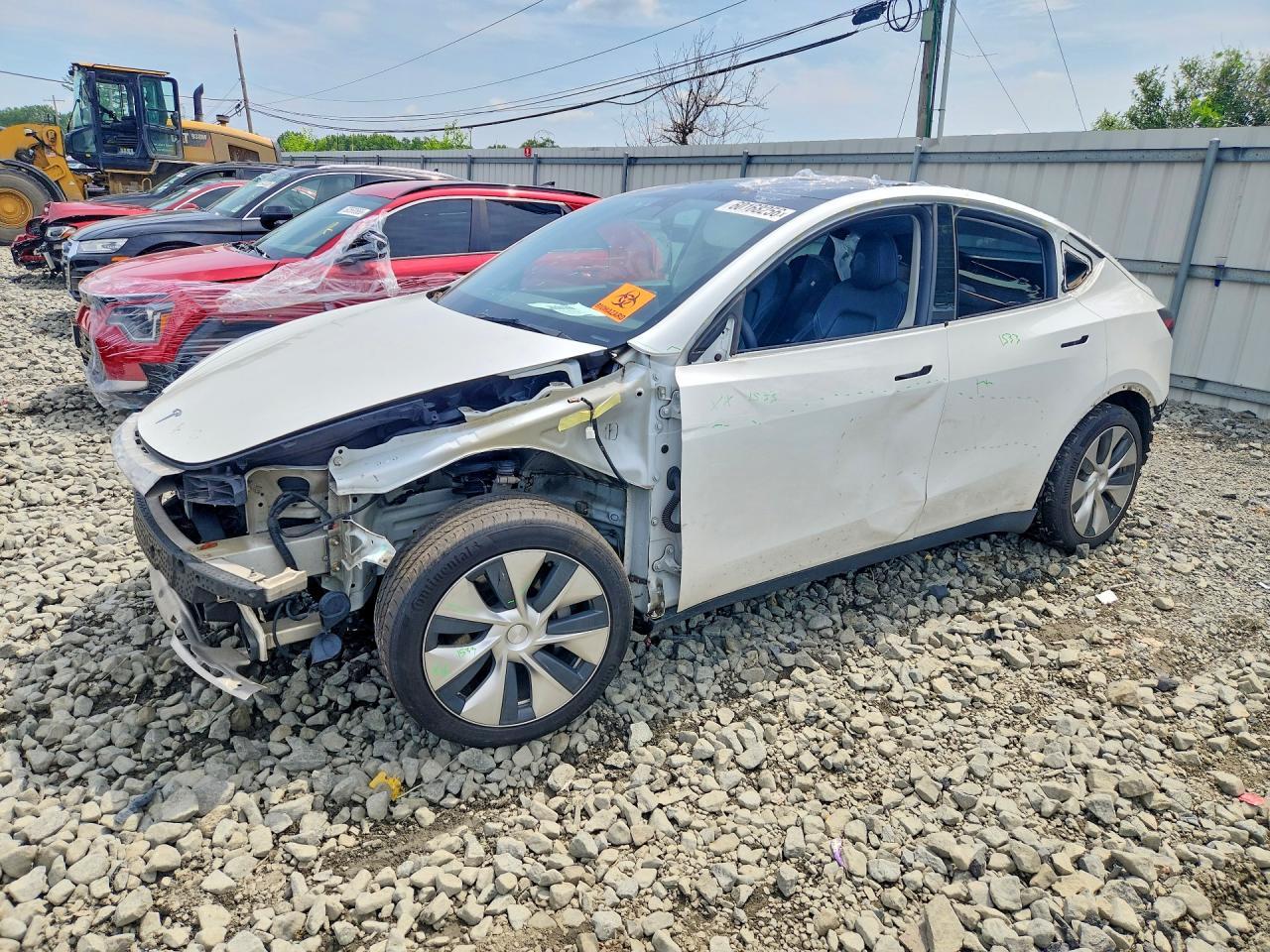
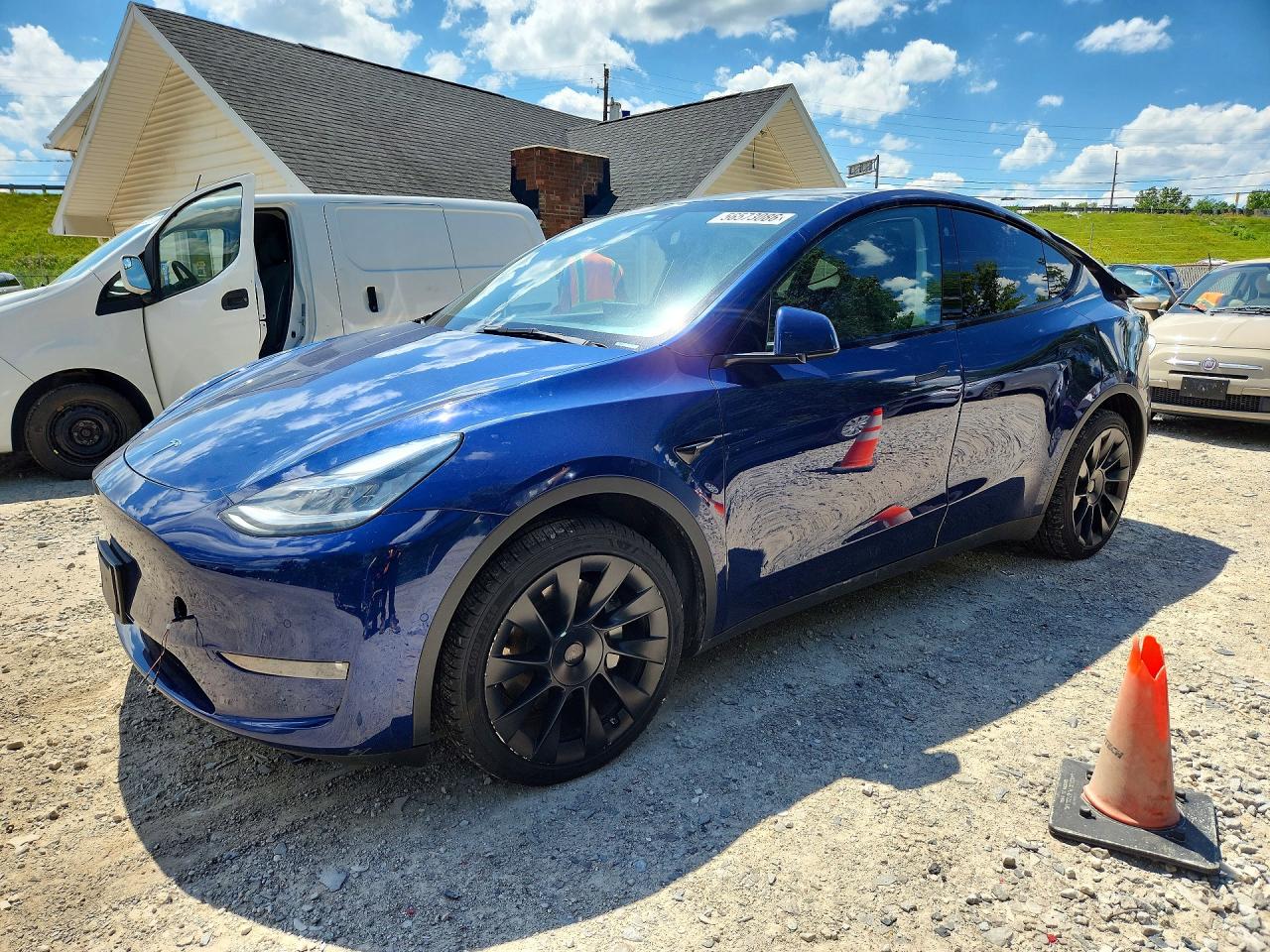
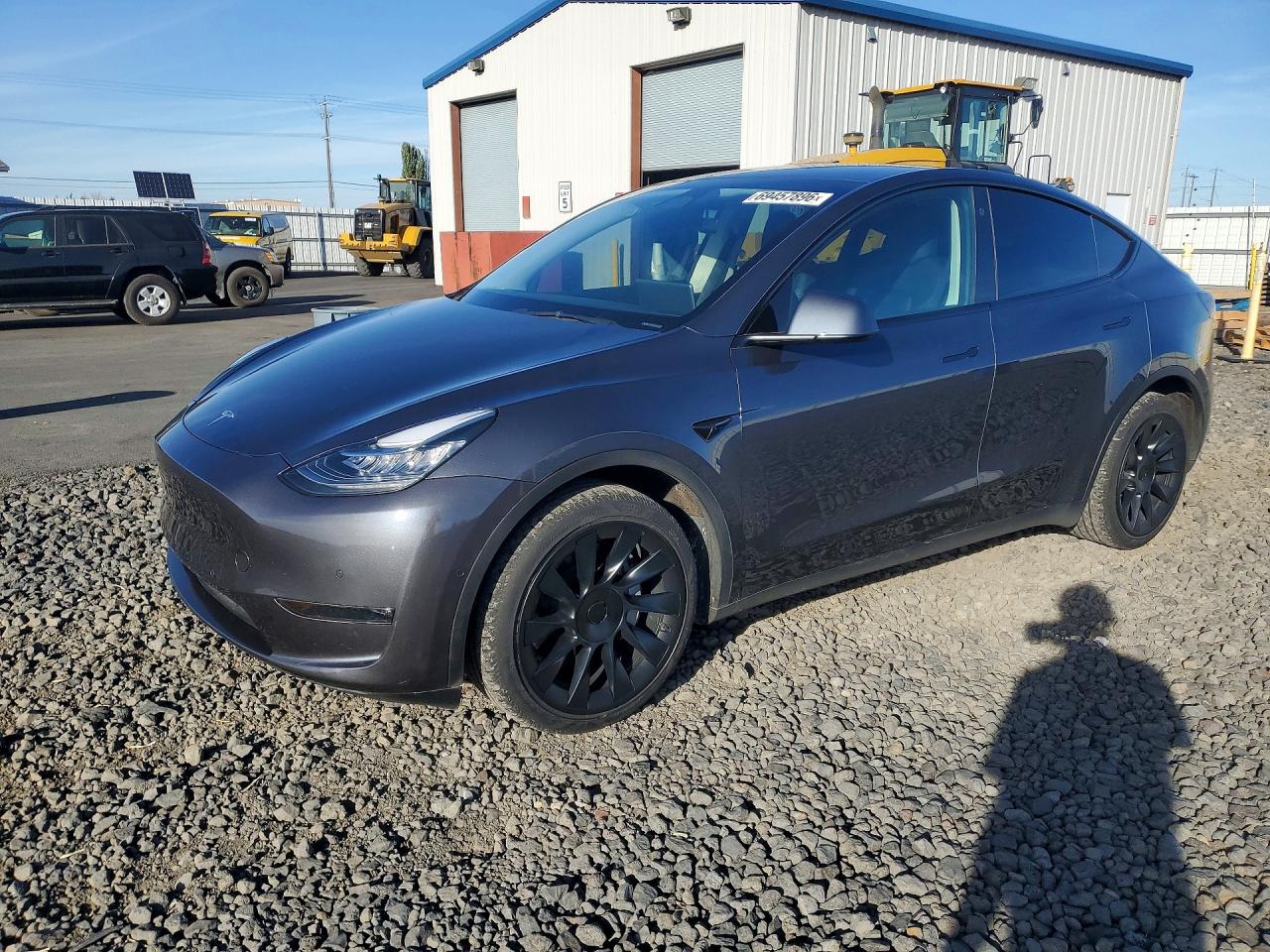
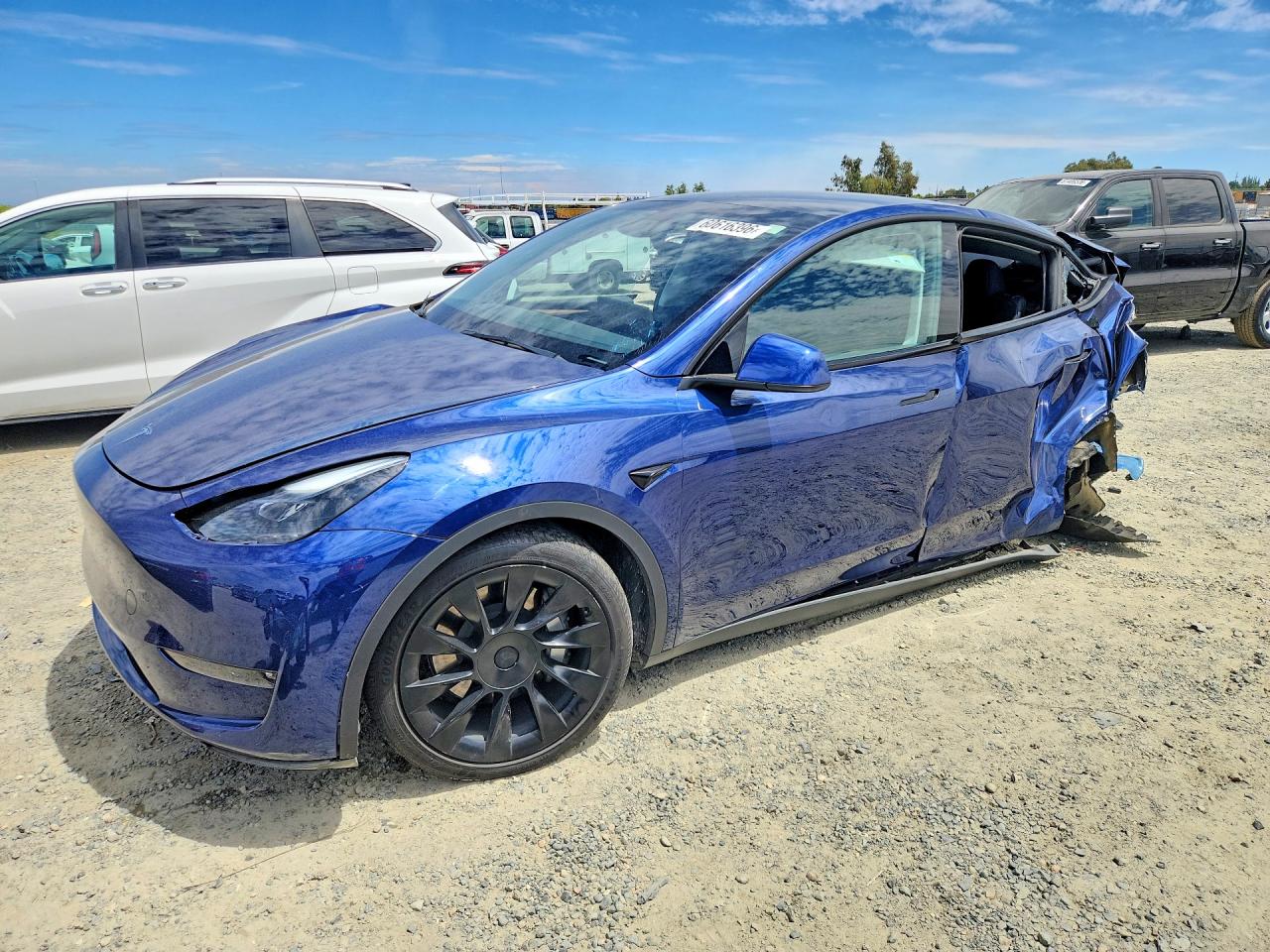
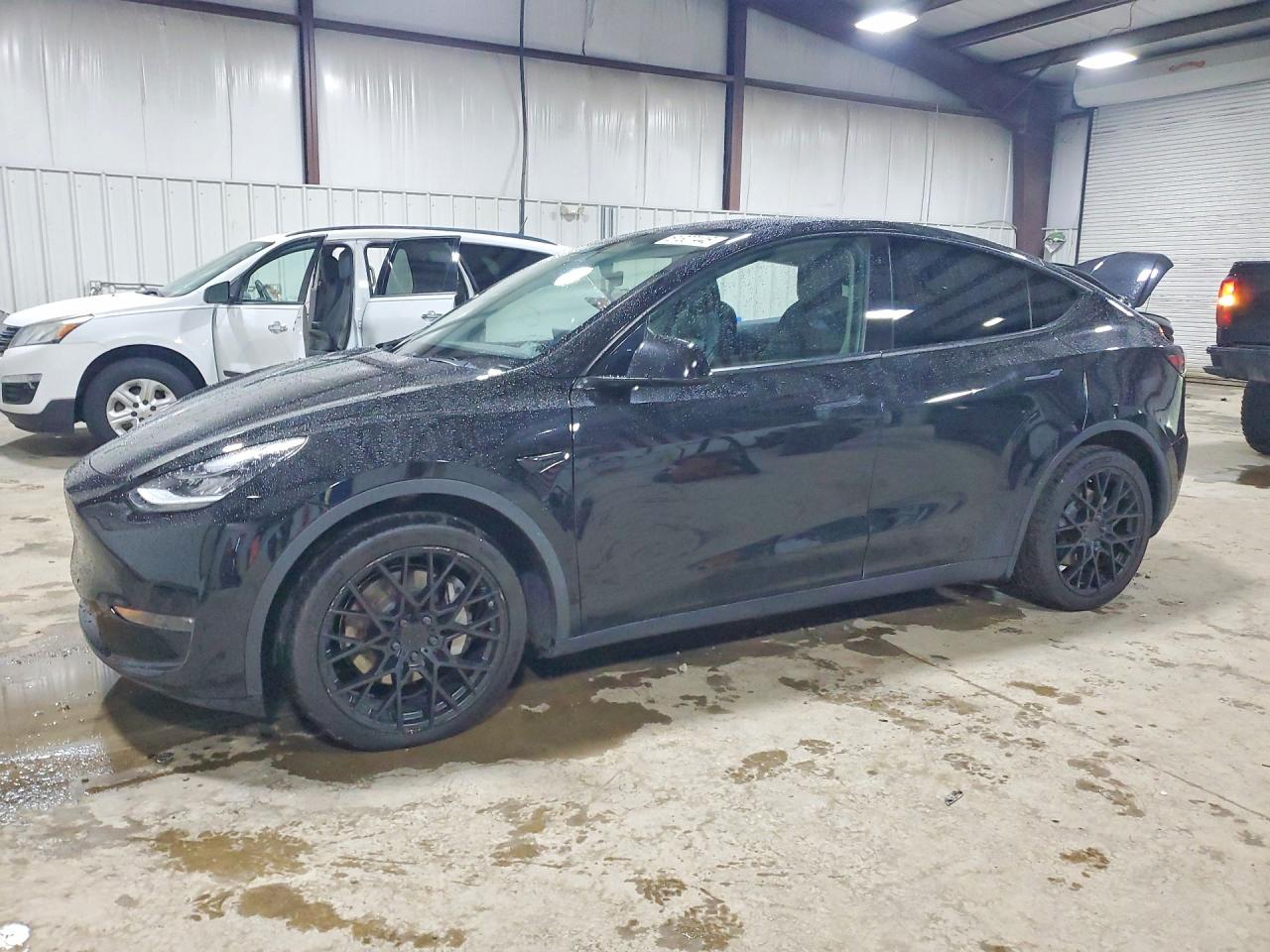
2021 TESLA MODEL Y VIN 5YJYGDEE4MF060171
Damage map
If damage records exist for this VIN, the report shows the affected zonesTheft, liens and title
Checks that matter for registration and resaleRecorded condition
What the source noted about the car as it stands- Runs and drives
- Yes
- Engine starts
- Yes
- Keys available
- Yes
- Start code
- Run & Drive
History timeline
Data decoded from the VIN is shown. Records on file, if any, are in the full report.Mileage
Odometer reading as recorded at the sourceEarlier photos may be in the report
Check before you buy
Four things worth checking on any used carTESLA MODEL Y specifications
- VIN
- 5YJYGDEE4MF060171
- Make
- TESLA
- Model
- MODEL Y
- Year
- 2021
- Colour
- BLACK
- Fuel
- Electric
- Transmission
- Automatic
- Drive
- AWD
- Recorded odometer
- 106 200 mi
- Recorded damage
- Side
What buyers ask about the TESLA MODEL Y
Was this 2021 TESLA MODEL Y damaged before?
The damage in the specifications is what the source noted at the time. Earlier accidents and repairs on file for VIN 5YJYGDEE4MF060171, if any, are in the full report.
Can I trust the odometer reading of 106 200 mi?
It is the figure as recorded, not verified. Compare it with the earlier readings in the full report: they can only go up, so a drop points to a wound-back odometer.
In which countries was this car registered?
Registrations abroad seldom reach local registers. If this car was registered in other countries, the full report names them.
Who sells the report, and what does it cost?
An independent partner, selected automatically for each VIN by our system from analytical data. The partner shows the price before you pay; we may earn a commission.
VIN 5YJYGDEE4MF060171: history
The Tesla Model Y described here left the factory in 2021. The car has all-wheel drive. Power comes from electricity alone. Every figure for this car is given as it appears in the source data.
The recorded mileage is 106,200 miles. Miles and kilometres are easy to confuse, and a distance in miles looks lower than the same distance in kilometres. A car that has covered this much distance for its age has worked hard, and a mechanic should judge the wear accordingly. Gaps of several years between logged figures deserve attention, as does any reading lower than the one before it. Service invoices and inspection reports each carry a mileage figure, and lined up in order they show whether the clock tells the truth.
The main issue noted for this car is side damage. Two cars with the same damage label can be very different: one needs a few new parts, the other major work. Some damage shows its consequences only later: corroded connectors and electrical faults can surface months afterwards.
The record notes that the car ran and drove. A key was present. Condition notes are a snapshot: the car may have been worked on, stripped of parts or left standing since.
According to the source data, the car has a salvage title. A title like this is issued when repair was judged uneconomical or unsafe. Once issued, a branded title stays with the VIN for good, and it affects registration and insurance for every later owner.
Registrations, changes of owner, inspection results and accident claims together make up what is called a car’s history. Pieces of a car’s history sit with registries, dealers, workshops and insurance companies, and none of them sees the whole picture. A car’s past rarely shows on the paintwork: a well-repaired accident or water damage that was dried out is easy to miss.
The battery is the most expensive part of an electric car, so the share of its original capacity still available should be measured. The charging port and the cables supplied with the car should be checked along with the battery.
The VIN is a 17-character code assigned at the factory: it identifies the manufacturer, the model and its variant, and ends with a serial number unique to the car. This car’s identification number is 5YJYGDEE4MF060171. The VIN usually appears at the base of the windscreen, on a door pillar and stamped into the body, and all of them should match the documents.
What a history report can list depends on what has been documented about the car: registrations, mileage readings, damage, branded titles and theft reports. The past is on file; the car’s condition today is a job for a mechanic, who can check the structure, underbody, electrics and any repairs on a lift. The next step is to look up the history behind VIN 5YJYGDEE4MF060171.