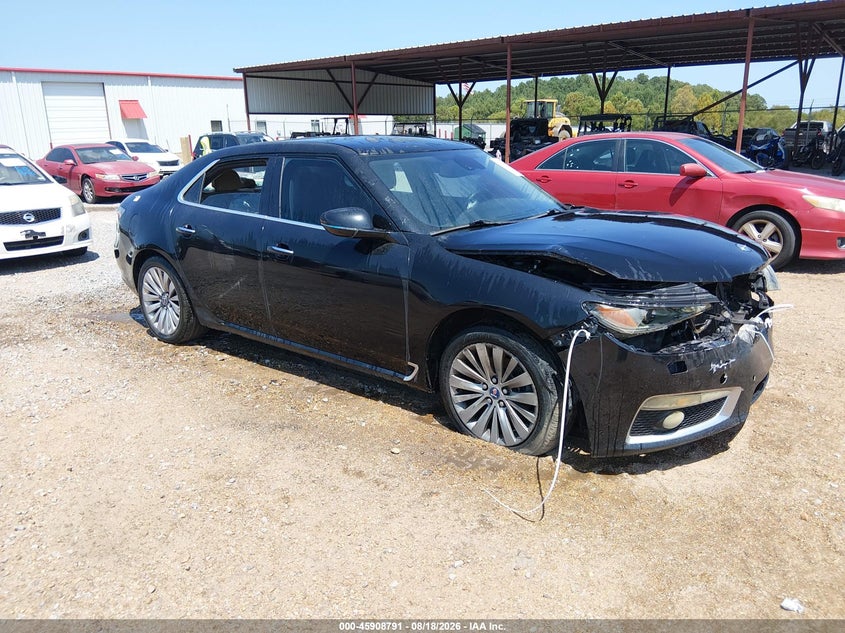
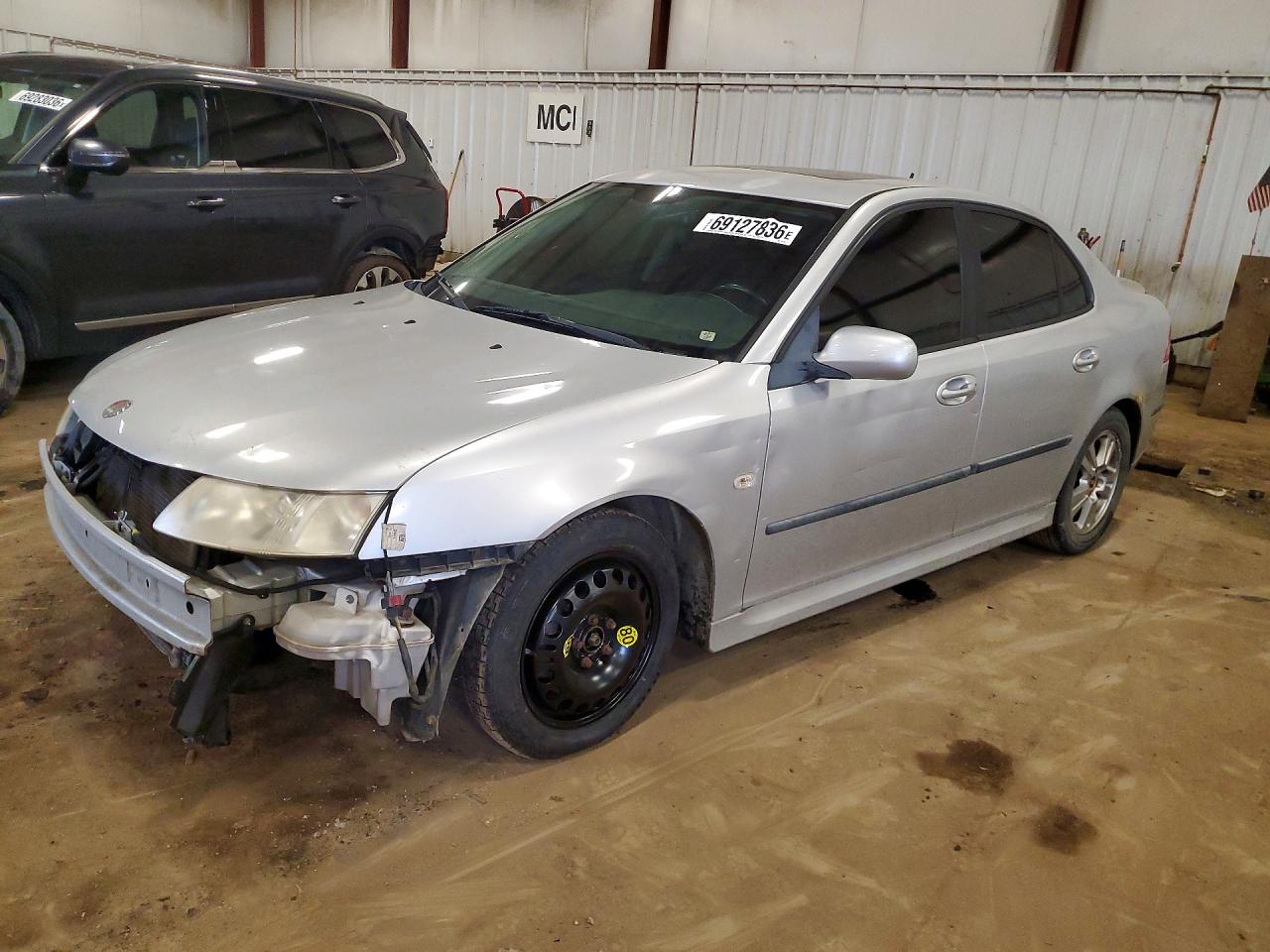
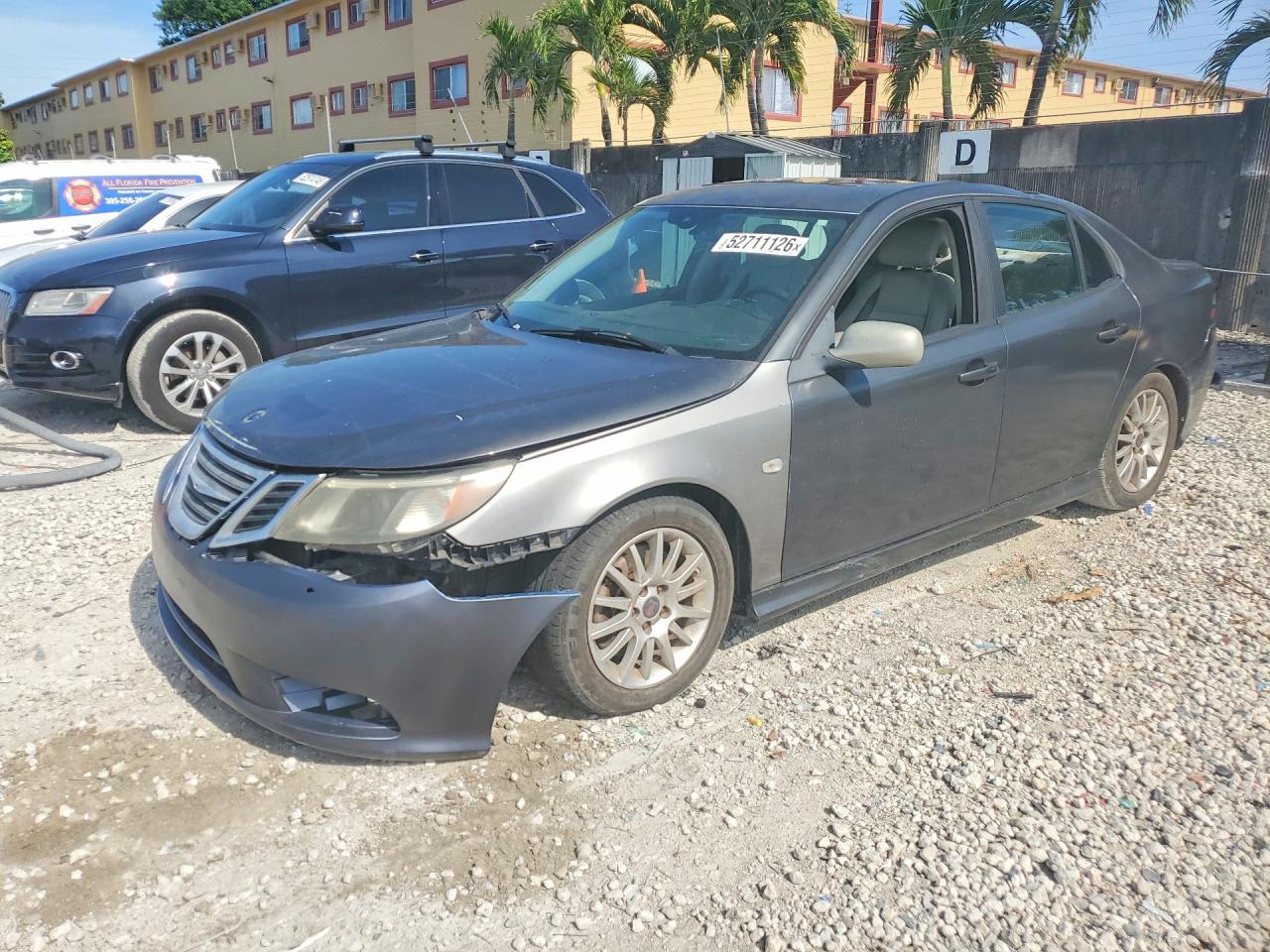
2004 SAAB 9-3 ARC VIN YS3FD49Y241041821
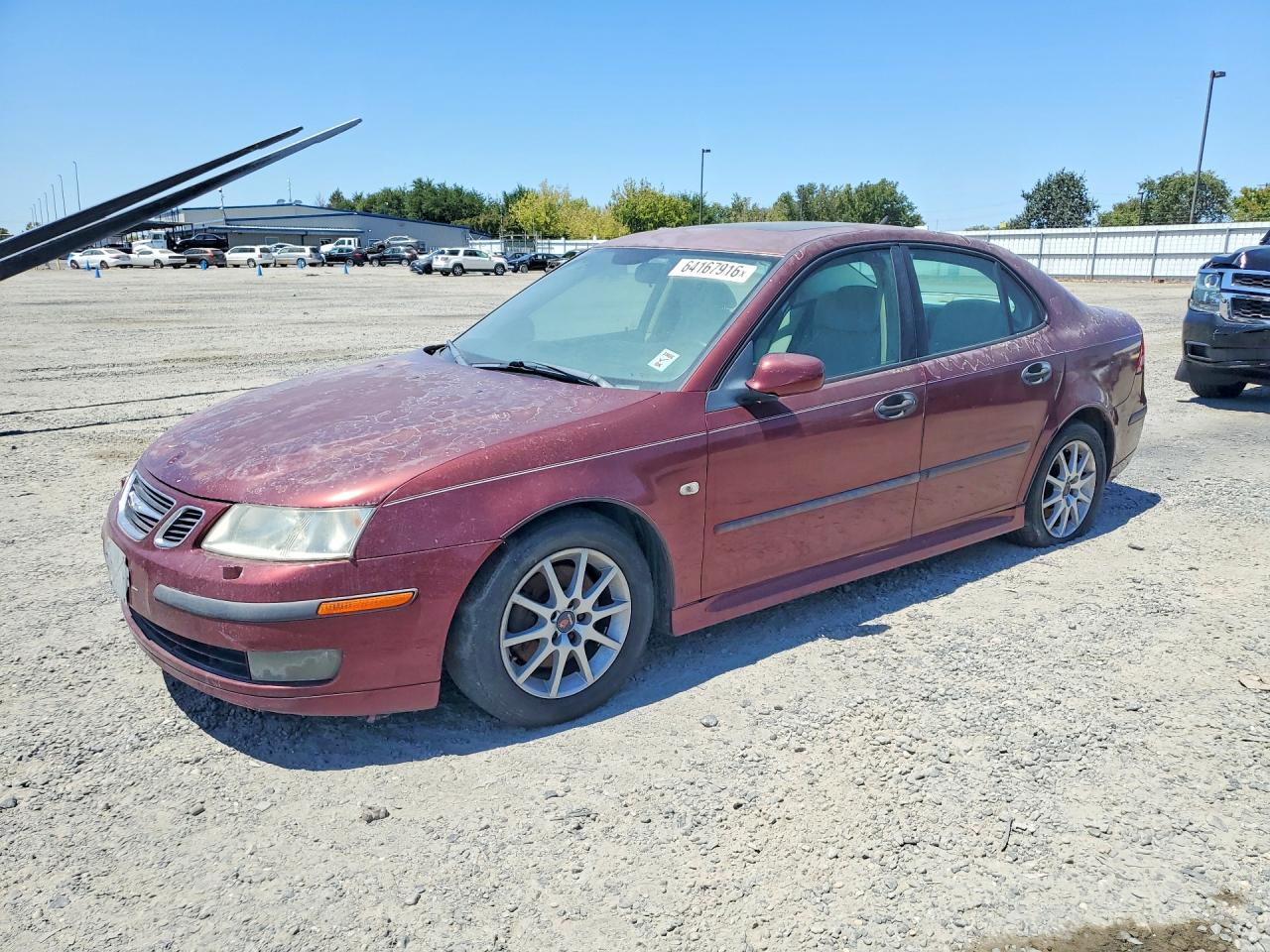
Damage map
If damage records exist for this VIN, the report shows the affected zonesTheft, liens and title
Checks that matter for registration and resaleRecorded condition
What the source noted about the car as it stands- Keys available
- Yes
- Start code
- Enhanced
History timeline
Data decoded from the VIN is shown. Records on file, if any, are in the full report.Mileage
Odometer reading as recorded at the sourceEarlier photos may be in the report
Check before you buy
Four things worth checking on any used carSAAB 9-3 ARC specifications
- VIN
- YS3FD49Y241041821
- Make
- SAAB
- Model
- 9-3 ARC
- Year
- 2004
- Colour
- BROWN
- Fuel
- Gasoline
- Engine
- 2.0 L
- Cylinders
- 4
- Transmission
- Automatic
- Drive
- FWD
- Recorded odometer
- 150 878 mi
- Recorded damage
- Front End
What buyers ask about the SAAB 9-3 ARC
Was this 2004 SAAB 9-3 ARC damaged before?
The damage in the specifications is what the source noted at the time. Earlier accidents and repairs on file for VIN YS3FD49Y241041821, if any, are in the full report.
Can I trust the odometer reading of 150 878 mi?
It is the figure as recorded, not verified. Compare it with the earlier readings in the full report: they can only go up, so a drop points to a wound-back odometer.
In which countries was this car registered?
Registrations abroad seldom reach local registers. If this car was registered in other countries, the full report names them.
Who sells the report, and what does it cost?
An independent partner, selected automatically for each VIN by our system from analytical data. The partner shows the price before you pay; we may earn a commission.
VIN YS3FD49Y241041821: history
This entry is for a 2004 Saab 9-3 ARC. The drivetrain combines an automatic gearbox with front-wheel drive. Under the bonnet is a 2.0-litre petrol engine. Every figure for this car is given as it appears in the source data.
The clock stood at 150,878 miles when the data was entered. A clock converted from miles to kilometres should be documented, since the swap can hide the true mileage. Gaps of several years between logged figures deserve attention, as does any reading lower than the one before it. Service invoices and inspection reports each carry a mileage figure, and lined up in order they show whether the clock tells the truth.
The main issue noted for this car is front-end damage. A damage entry is a starting point for the inspection, telling the mechanic where to look first. Whatever the cause, a diagnostic scan of the car’s electronics shows fault codes that a visual check misses.
A key is on file for the car.
Every car builds up a history from the day it is first registered: owners come and go, inspections are passed or failed, and repairs are paid for. What a car has been through is seldom visible at first glance, and a respray can make even a badly damaged car look sound.
For the engine, the service history matters most: oil changes, filters and the timing belt or chain are the entries to look for. On a petrol engine, spark plugs, ignition coils and the cooling system are the routine items a service history should cover. Automatic transmissions, CVTs included, are expensive to repair, so the test drive should include pulling away from a standstill and a stretch at motorway speed.
The ninth character of the VIN is a check digit calculated from the other sixteen, so a mistyped or invented number does not add up. This car’s identification number is YS3FD49Y241041821. A VIN that differs between the documents and the car, or shows signs of tampering, is reason enough to walk away.
What a history report can list depends on what has been documented about the car: registrations, mileage readings, damage, branded titles and theft reports. The absence of an entry is not proof that nothing happened; it may only mean that nobody wrote it down. A professional inspection makes sense whatever the paperwork shows, because no report measures corrosion, worn bushes or a poor repair. A history check on VIN YS3FD49Y241041821 is the place to start.